

People who care for others for a living give a great deal of themselves. Therapists, teachers, nurses, and behavior analysts pour energy into other people all day. That work is rewarding, but it quietly drains the tank if nothing refills it.
Self-care is the practice of protecting your own health so you can keep going. It is not a luxury in a caring job. It is the thing that makes the job sustainable.
Looking after yourself and keeping your skills sharp work hand in hand, and providers such as BehaviorAnalystCE make that learning easy to fit around a packed week. This guide brings the two together.
Why Do Caring Careers Burn People Out?
The demands are relentless and often invisible. A caring professional carries other people’s stress on top of their own, week after week, with few natural breaks.
Burnout is a state of emotional and physical exhaustion caused by prolonged stress. It builds slowly, so it is easy to miss until it bites. The body usually signals it first, through poor sleep, a short temper, or a constant low energy.
The scale is easy to underestimate. Studies across healthcare and education often report burnout touching more than 1 in 3 staff, so it is common rather than personal.
Long shifts, heavy caseloads, and emotional labor all stack up. Recognizing that the pressure is structural takes some of the guilt out of struggling with it.
The cost is real, which is why learning to cope matters. Practical guidance on coping with stress protects long-term health as much as any single habit. Naming the strain is the first honest step toward managing it.
How Does Confidence Fit Into Wellbeing?
Confidence and wellbeing feed each other. When you feel good in your own skin, the hard parts of a caring role feel a little lighter.
Small things matter here. A steady grooming routine, decent sleep, and a few minutes that are yours alone all add up. Building a simple self-care routine makes those small wins automatic.
Feeling put together is not vanity. It is one more way of showing up ready for a demanding day.
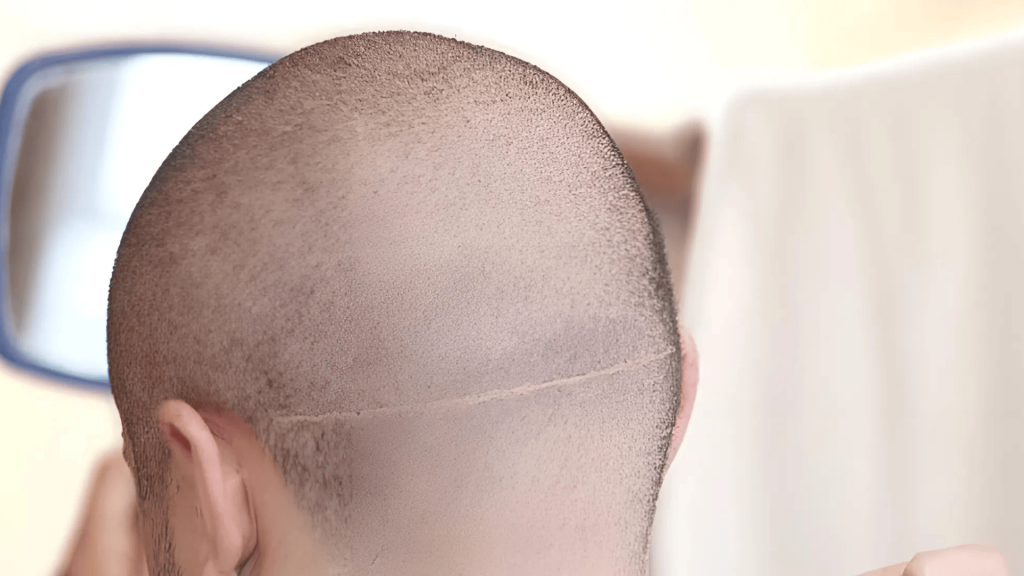
That is why self-presentation belongs in any self-care plan. Caring for your hair, your rest, and your appearance is part of caring for the person doing the work, not separate from it.
Confidence is the quiet belief that you can handle what the day brings. It grows from small, repeatable wins rather than big gestures. A tidy morning routine, a good night’s sleep, and a moment of calm before work all build it.
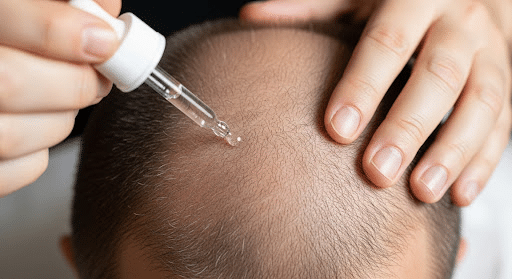
Even small steps like caring for thinning hair can lift how you carry yourself. Over weeks, those habits compound into a steadier sense of self.
Which Habits Actually Protect You?
Some habits carry far more weight than others. Start with the ones that cost little and pay back daily. Proven stress-management techniques belong near the top of that list.
- Protect sleep. Aim for a steady 7 to 8 hours every night.
- Move daily. A 20 minute walk clears the head fast.
- Set boundaries. Guard at least one evening a week.
- Stay connected. Talk to people outside the job.
- Keep learning. Growth keeps the work interesting.
Pick two and hold them for a month. A proven base makes every other demand easier to carry.
Why Does Learning Keep a Career Healthy?
Standing still is its own kind of stress. In caring fields, skills and standards move quickly, and feeling out of date wears people down.
Continuing education is structured learning that keeps a professional’s skills current. For certified roles it is often required, with set numbers of credits due each cycle. Meeting those hours is far less stressful when the learning is flexible and online.
That flexibility is the real win. A few focused sessions a month, taken at home with a cup of tea, beat a frantic scramble before a renewal deadline. Growth then feels like a choice rather than a chore.
How Many Credits Are Usually Required?
The exact number varies by certification, but many roles set a fixed block of credits each cycle. Behavior analysts, for example, typically need a set number of continuing education units every 2 years to stay certified.
Spread across 24 months, that often works out at just an hour or two a month. Logging it online removes the travel, the cost, and most of the stress.
What Should a Self-Care Plan Include?
A good plan is simple and honest. Treat it as a working routine, not a wish list.
Area | One practical step |
|---|---|
Rest | Set a fixed wind-down time each night. |
Body | Book movement into the calendar like a meeting. |
Mind | Keep a short daily decompression habit. |
Growth | Schedule continuing education in small blocks. |
Joy | Protect one thing that is purely for you. |
Review the plan every few months. Your needs shift, so the routine should shift with them.
What to Remember
- Caring careers drain energy, so self-care keeps them sustainable.
- Burnout builds slowly and often shows in the body first.
- Confidence and wellbeing feed each other every day.
- Sleep, movement, and boundaries have the strongest payoff.
- Flexible online learning keeps skills current without the stress.
- Review your routine every few months as your needs change.
Looking After the Person Who Cares
You cannot pour from an empty cup, and a caring career empties it fast. Protect your sleep, guard your confidence, and keep growing at a pace that suits your life. Do that, and you will still have something left to give, both to your work and to yourself.
Frequently Asked Questions
What Is the First Sign of Burnout?
It usually shows in the body before the mind admits it. Poor sleep, constant tiredness, irritability, or a sense of dread before work are common early signals. Spotting them early gives you a chance to act before exhaustion takes hold.
Is Self-Care Really Necessary In a Caring Job?
Yes, and arguably more than in most roles. Caring professionals absorb other people’s stress all day, so they need deliberate recovery to keep going. Self-care is what makes the work sustainable rather than a fast road to burnout.
How Can Busy Professionals Keep Learning?
Flexible online options make it realistic. A few short sessions a month, taken at home, keep skills current without a stressful scramble before a deadline. Spreading the work out turns continuing education into a steady habit rather than a panic.
Does Appearance Affect Confidence at Work?
For many people, yes. Feeling put together, from a simple grooming routine to decent rest, supports the confidence a demanding role needs. It is not vanity but one practical part of looking after the person doing the work.