
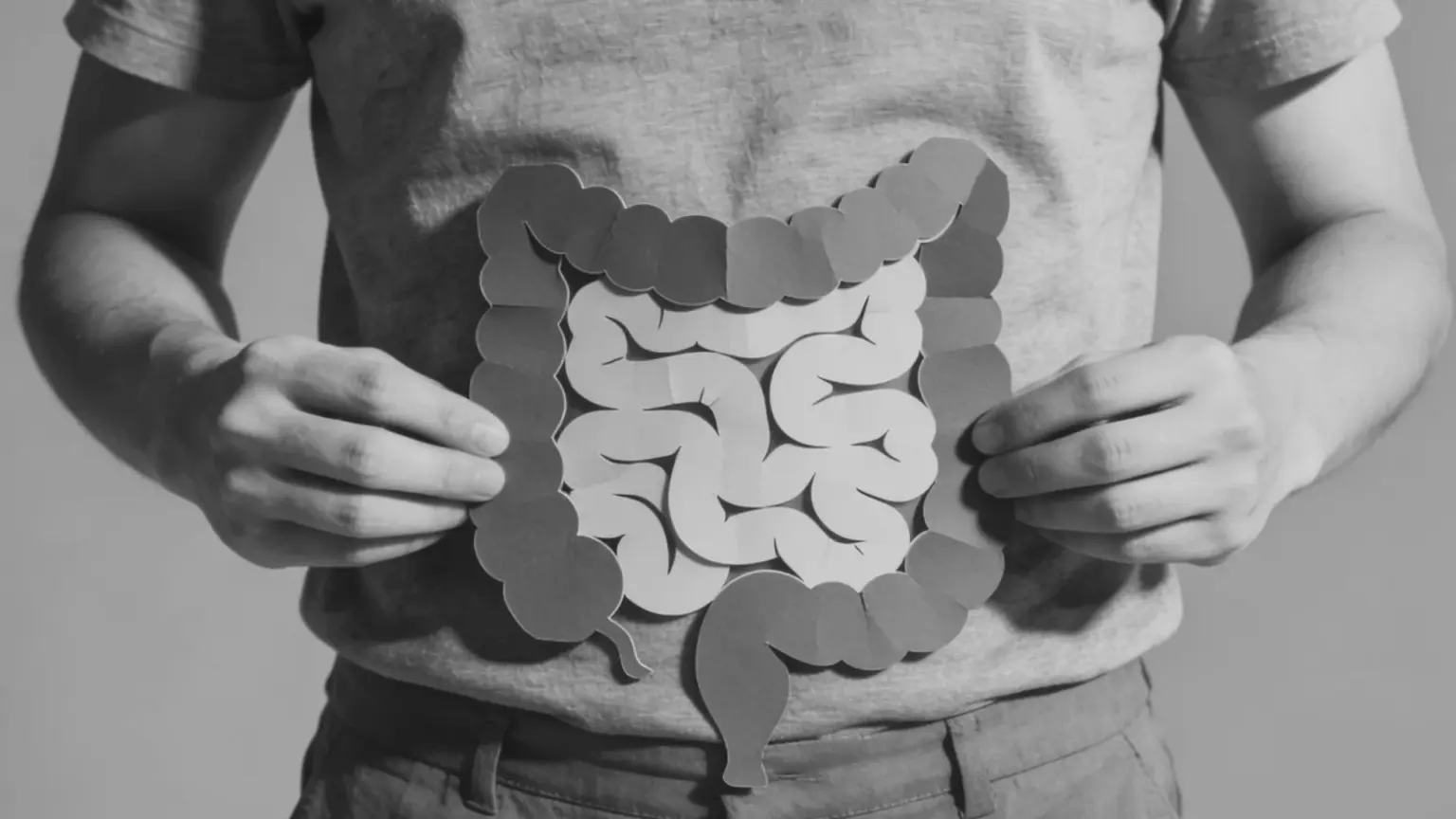
Bloating after every meal, low energy that persists, or a heavy, sluggish feeling you can’t help?
Your gut has been trying to tell you something.
People suffer from these signs for years, and they try cutting out junk food or drinking more water, but nothing helps.
A simple 3-day gut cleanse at home can give your digestive system the reset it needs. Let’s get into it.
What is a Gut Cleanse?
It’s a short period, usually a few days, where you swap out heavy, processed foods for lighter ones.
Cleansing the digestive system.
More whole foods and more water with less junk, obviously.
The gut gets a smaller workload and uses that time to catch up without extreme fasting or weird powders, but a few days of eating in a way that actually supports digestion.
Signs Your Gut Needs a Fresh Start
The gut sends signals all the time, but people ignore them as normal. Most of these are temporary and resolve with better habits.
- Bloating after most meals.
- Irregular bowel movements.
- Feeling heavy or uncomfortable after eating.
- Excess gas that won’t quit.
- Poor sleep patterns.
- High stress levels.
- Low water intake.
- Constant low energy after meals.
- Skin breaking out more than usual.
- Feeling sluggish throughout the day.
Prep Checklist Before Day One
Starting without a plan is the fastest way to quit by lunchtime. A little prep the day before makes all three days much easier.
| What | Details |
|---|---|
| Hydration | Drink more water, swap one coffee for herbal tea |
| Grocery List | Fruits, vegetables, oats, lentils, brown rice, plain yogurt, herbal teas, lemons, and vegetable broth |
| Cut Back On | Fried meals, caffeine, alcohol, packaged snacks, sugary and fizzy drinks |
| Pantry Prep | Clear out junk food the night before. |
Your Step-by-Step 3-Day Gut Cleanse at Home Plan
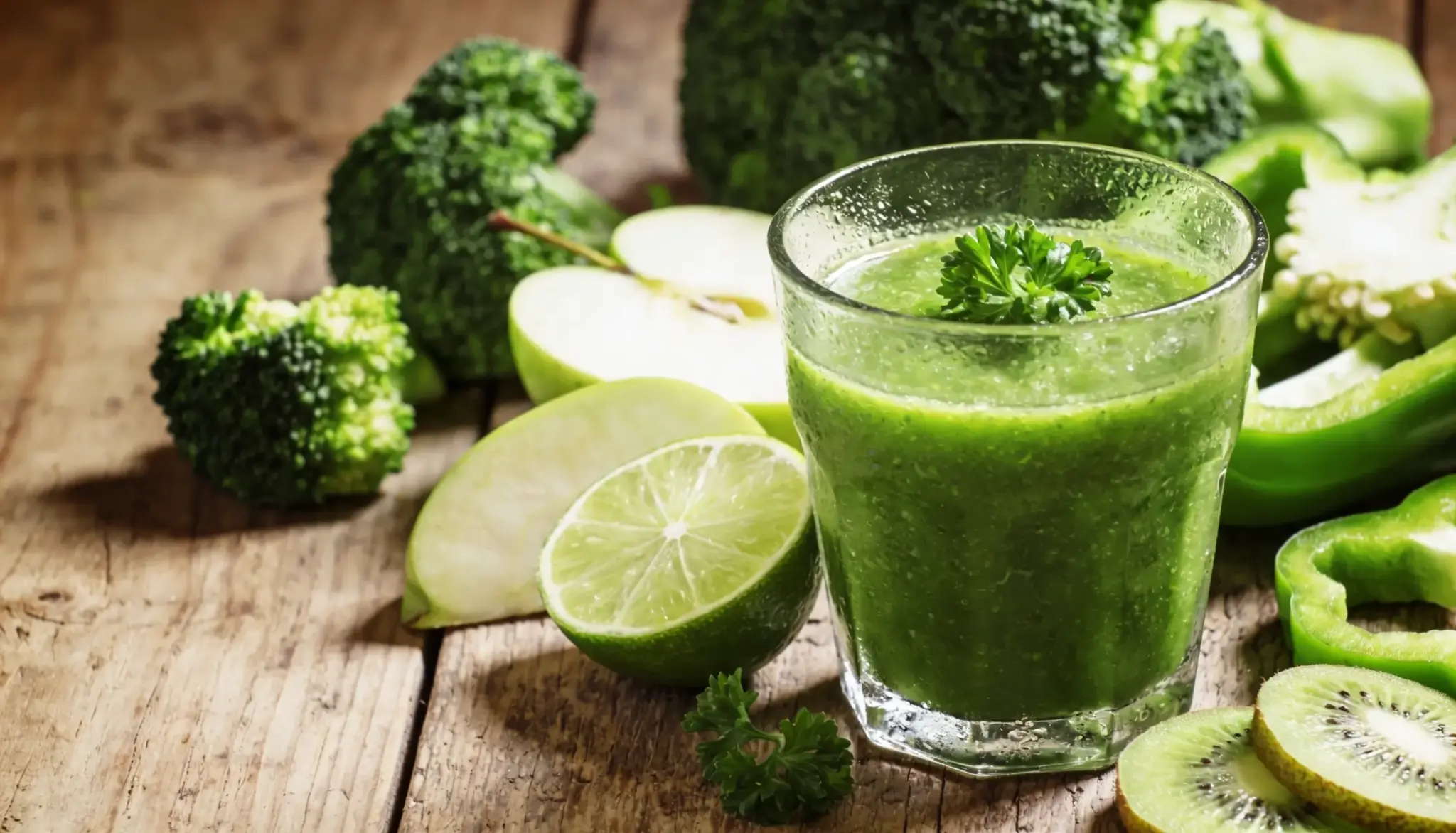
It is not complicated; just three days of simple, intentional eating can do more for the gut than weeks of half-hearted healthy choices.
The gut responds faster than most people expect when given the right support.
Day 1: Lighten the Load
The focus should be on removing foods that make the gut work overtime. Think of it as clearing the table before setting it properly.
- Cut out heavy, processed, and fried foods.
- Start the morning with warm lemon water.
- Eat light, like steamed vegetables, plain rice, and fresh fruit.
- Drink at least eight glasses of water.
- Skip packaged snacks completely.
Prep a simple vegetable soup the night before. It works for both lunch and dinner.
Day 2: Nourish and Support
With the heavy stuff gone, day two is about feeding the gut what it actually needs. Fiber, probiotics, and good hydration do the work here.
- Add oats, lentils, and leafy greens.
- Include plain yogurt or kefir for probiotics in your gut cleanse diet.
- Sip herbal teas and warm broth throughout the day.
- Take a short walk after meals.
- Swap cravings with fruit or a handful of nuts.
Day 3: Reset and Rebuild
Day three is less about restriction and more about listening to what the body is telling you. Energy levels start to shift, and digestion feels noticeably different by now.
- Stick with gut-friendly foods.
- Keep meals clean and portions moderate.
- Notice energy levels and digestion improvements.
- Plan which habits to carry forward.
Try this Easy Gut Cleanse Diet Plan
Eating clean does not have to mean eating dull.
These three simple recipes are easy to make, gentle on the gut, and actually taste good, with no fancy ingredients or complicated cooking skills.
1. Green Reset Smoothie
Spinach, cucumber, green apple, lemon juice, and water. Blend everything together and drink it first thing in the morning. Light, refreshing, and easy on the stomach.
2. Ginger Carrot Soup
Boil carrots, ginger, and garlic in vegetable broth until soft. Blend until smooth and season with salt and black pepper. Warm, soothing, and great for digestion.
3. Simple Nourish Bowl
Brown rice, steamed broccoli, sliced avocado, and chickpeas. Drizzle with olive oil and a squeeze of lemon juice.
What to Expect During the Gut Cleanse?
What leaves the body during a cleanse is mostly backed-up waste, excess water, and trapped gas.
More regular bowel movements and feeling lighter are completely normal, especially in the first two days. Everyone’s experience is different based on age, diet history, and hydration levels.
If there’s blood, severe cramping, or prolonged diarrhea, though, stop the cleanse and see a doctor right away.
- Headaches: Often triggered by cutting back on caffeine or sugar.
- Fatigue: The body is adjusting to a lighter diet and fewer stimulants.
- Hunger shifts: Eating lighter meals may cause more frequent hunger signals.
- Mild bloating: Increasing fiber too quickly can cause temporary gas.
Gut Cleanse vs Gut Detox vs Gut Reset
These three terms get used interchangeably online, but they actually mean different things. Knowing the difference helps set the right expectations before starting any kind of gut plan.
| Type | What It Means |
|---|---|
| Gut Cleanse | Short-term food change, cut the heavy stuff, add the good stuff |
| Gut Detox | Supplements, teas, and strict protocols often lack scientific backing |
| Gut Reset | Gentle, long-term habit building, no fixed rules |
Who Should not Try a 3-Day Cleanse?
A gut cleanse sounds safe, and for most healthy adults, it is.
But everyone’s body is not the same; certain health conditions and life stages make even a gentle cleanse a bad idea without medical guidance first.
The following groups should speak to a doctor first:
- People with IBS, Crohn’s disease, or ulcerative colitis.
- Anyone with diabetes or blood sugar management issues.
- Pregnant or breastfeeding individuals.
- People on prescription medications, especially blood thinners or digestive medications.
- Anyone recovering from surgery or illness.
- Children and teenagers.
How to Maintain Gut Health After the Three Days?
Three days is a great starting point, but what happens after matters. Going straight back to heavy meals and processed food on day four undoes the progress fast.
Reintroduce foods gradually, starting with easy options like soups, eggs, and cooked vegetables.
From there, keeping the gut healthy comes down to simple daily habits.
Final Thoughts
Try a 3-Day Gut Cleanse at Home with no extreme rules, no expensive kits, no suffering through tasteless meals. It is just a short break for the digestive system, which the gut deserves.
The goal was never perfection but awareness.
So what’s next?
Keep one or two habits from these three days: drink water in the morning, increase fiber intake, and eat one fewer processed meal per week.
Got questions or want to share how the cleanse went? Drop a comment below. Would love to hear about it.
Frequently Asked Questions (FAQs)
1. How to Get Rid of Old Feces in the Colon Naturally?
Fiber-rich foods, plenty of water, and probiotic foods like yogurt help move old waste through the colon naturally and regularly.
2. What is the Seven Second Morning Trick?
Drinking a glass of warm lemon water within 7 seconds of waking up kickstarts digestion and hydration for the day.
3. How do I Starve the Bad Bacteria in my Gut?
Cut out sugar and processed foods. Bad bacteria feed on these. Replace them with fiber-rich foods and plain yogurt.