

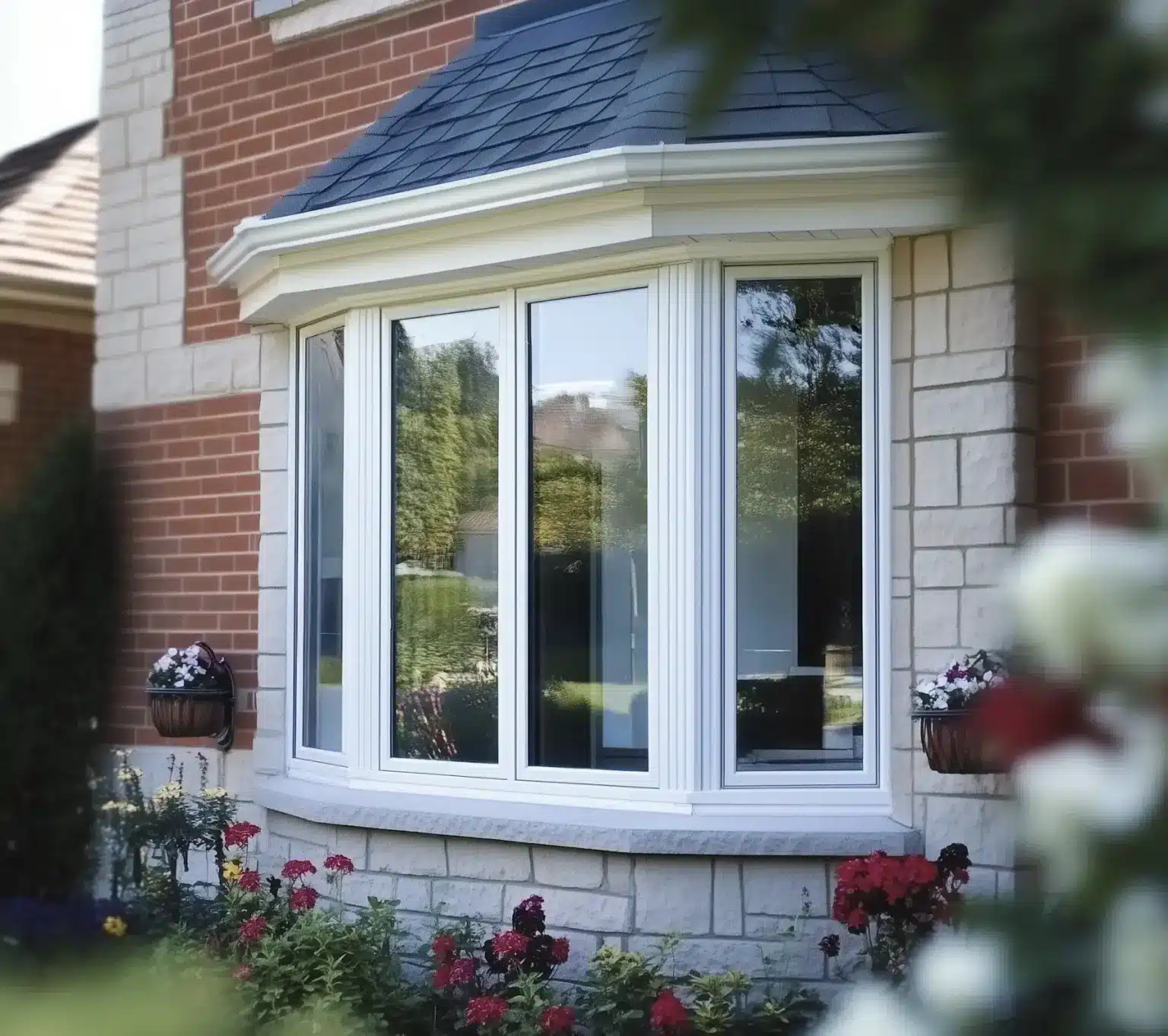
Homeowners often approach window upgrades with energy bills in mind. Lower heating costs, improved efficiency ratings, and long-term savings tend to dominate the conversation. Yet for many Canadian households, the most noticeable change after new windows are installed has little to do with utility statements.
The first improvements people usually feel after window replacement are related to comfort. Rooms become less drafty, indoor temperatures feel more even, and areas near windows suddenly become usable again during colder months. These changes are often immediate, long before energy savings can be meaningfully measured.
Why Comfort Changes Are Felt So Quickly
Windows strongly influence how air, heat, and surfaces behave inside a home. Older windows often allow cold air infiltration, uneven surface temperatures, and subtle air movement, creating persistent discomfort. Even when a room is technically warm enough, drafts and cold glass can make it feel noticeably colder.
Comfort improves quickly because these issues are addressed at their source. Draft pathways are sealed, interior glass surfaces warm up, and air movement near the window drops. As explained by Natural Resources Canada, properly installed energy-efficient windows make homes more comfortable by reducing drafts and increasing the temperature of the interior side of the window — a change that people feel immediately in daily use.
Draft Reduction and Air Stability
One of the most common complaints in older homes is the feeling of cold air near windows, even when they appear fully closed. This sensation is usually caused by air leakage around the frame rather than through the glass itself.
Modern windows rely on improved sealing systems and tighter installation tolerances. When installed correctly, they significantly reduce uncontrolled air movement. As drafts disappear, rooms feel calmer and more stable, especially during long Canadian winters.
This change is particularly noticeable in bedrooms, living rooms, and home offices where people spend extended periods near windows.
Warmer Interior Glass Surfaces
Cold glass affects comfort in subtle but important ways. It radiates cold toward occupants and cools nearby air, creating downward air currents that make a room feel chilly even when the thermostat setting is unchanged.
Newer windows use insulated glass units that keep the interior pane significantly warmer. This reduces radiant heat loss and limits convective air movement, making seating areas near windows far more comfortable without increasing heating output.
More Even Temperatures Across the Room
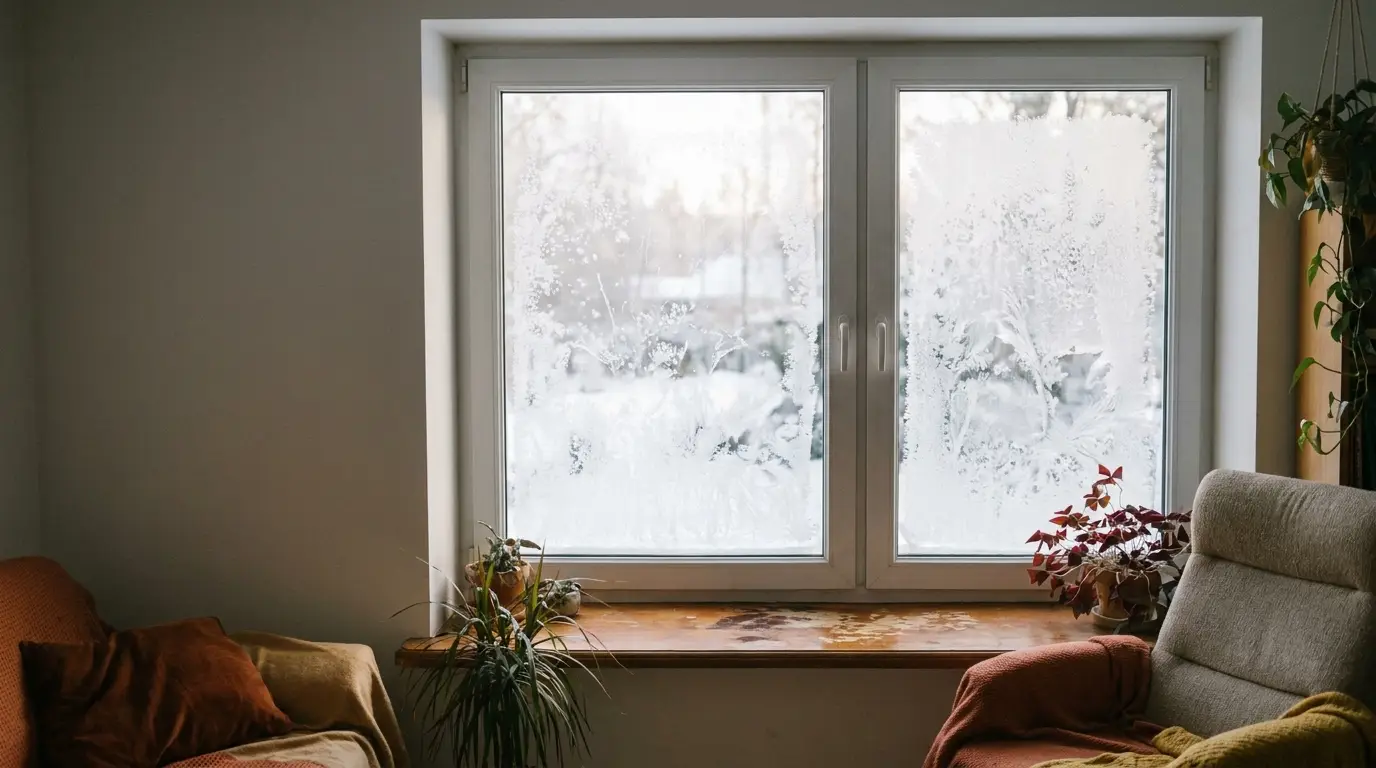
Uneven temperatures are another issue commonly linked to aging windows. Heat loss near poorly performing windows forces heating systems to work harder, often overheating other parts of the room in the process.
By reducing localized heat loss, window replacement helps balance temperatures across the space. Cold zones near windows shrink, and rooms feel more consistent from wall to wall.
Noise Reduction as an Added Comfort Benefit
Although not always expected, improved sound control often accompanies new windows. Better seals and multi-pane construction reduce exterior noise infiltration, making interiors quieter and more relaxed.
This acoustic improvement contributes to overall comfort, even though it is not directly related to energy efficiency.
Installation Quality Shapes Comfort Outcomes
Comfort gains depend heavily on the quality of installation. Even high-quality windows can underperform if gaps, misalignment, or inadequate insulation remain around the frame.
This is why experienced professionals treat window installation as part of the wall system rather than a simple product swap. When windows are properly integrated, comfort improvements are immediate and durable.
Why Energy Savings Take Longer to Notice
Energy savings are real, but they accumulate gradually. Reduced heat loss lowers furnace run times and stabilizes indoor temperatures, yet the financial impact only becomes clear after several billing cycles.
Comfort, by contrast, is felt right away. Drafts stop, interior surfaces warm up, and everyday living improves before any calculations are done. This sequence often surprises homeowners who expect efficiency gains to be the most obvious change.
Interaction With Other Home Elements
Windows do not work in isolation. Their effect on comfort is influenced by wall insulation, air sealing, and even window coverings. In some homes, replacing windows reveals other weaknesses in the building envelope, such as under-insulated walls or aging doors.
This does not reduce the value of window replacement; it simply clarifies where additional improvements could further enhance comfort.
A Practical Way to Think About Value
Comfort is not an abstract benefit. It affects how rooms are used, how heating systems cycle, and how pleasant a home feels during long winters. Window replacement delivers these gains first by addressing drafts, surface temperatures, and air movement.
Energy savings follow over time, but the immediate improvement in daily comfort is often what homeowners value most. Understanding this order of benefits helps set realistic expectations. It explains why comfort is usually the first reward of a well-executed window upgrade.