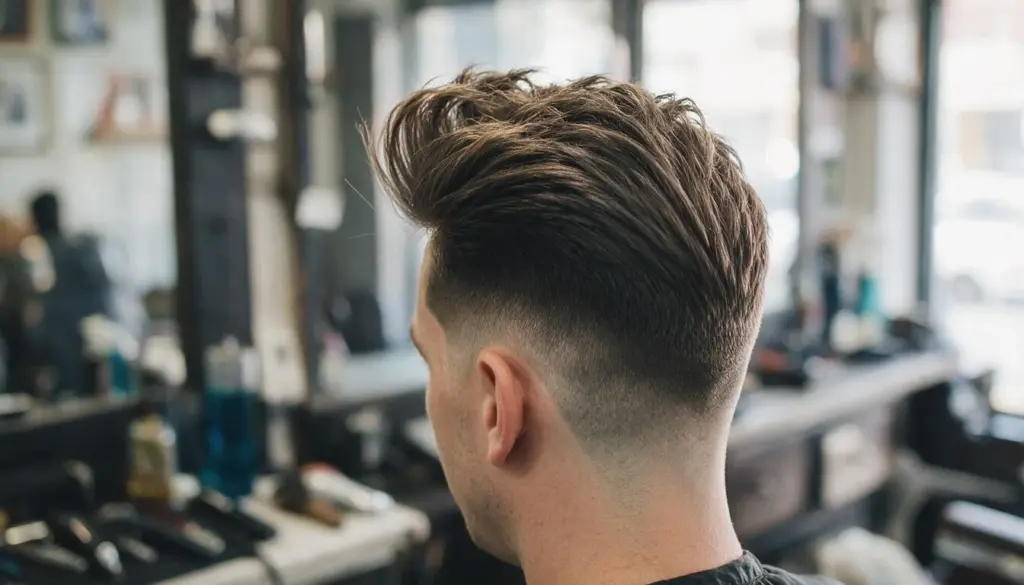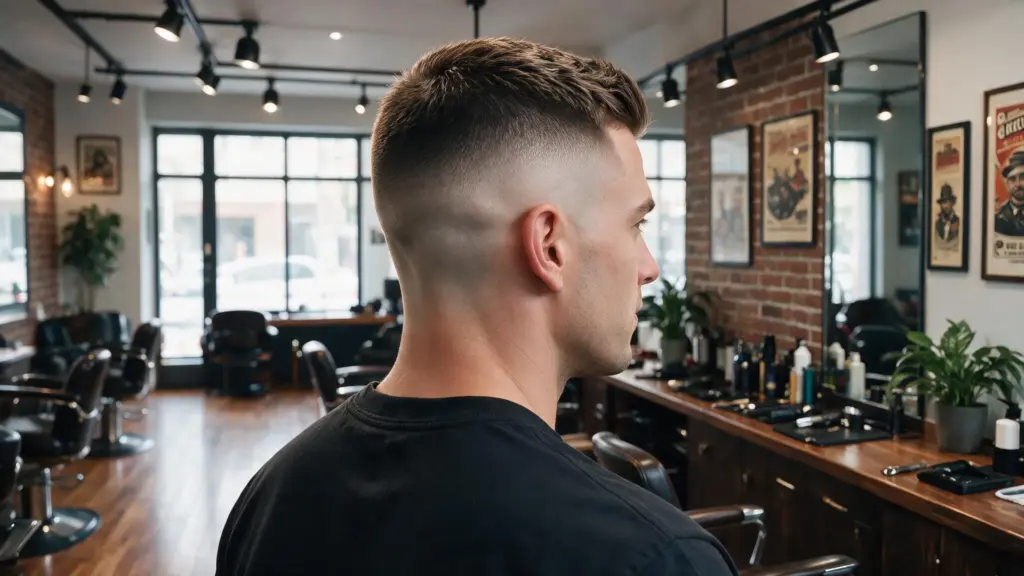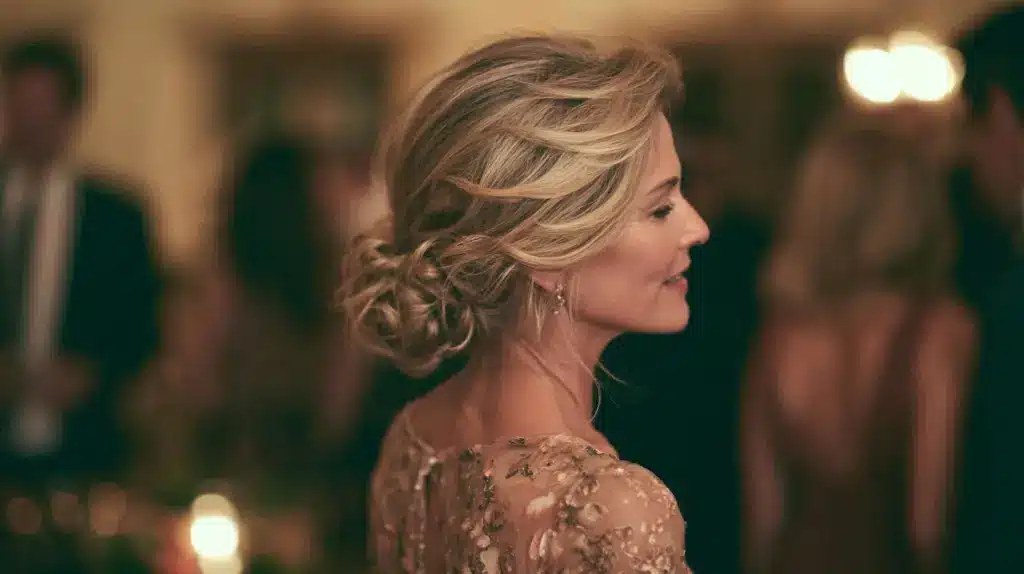

The Viking look has quietly taken over men’s grooming over the past few years. Shaved sides and long, braided tops; thick beards worn with intent; that blend of rugged and deliberate that turns up everywhere from the gym to the wedding aisle. If you’ve spent any time reading about men’s hairstyles, you’ve already met it. What gets talked about far less is where the look goes next — because once a man commits to the haircut, he tends to start reaching for the jewellery that completes it.
That’s where Norse men’s jewellery comes in. Mythology-inspired pieces — pendants, rings and chains carrying hammers, runes, knotwork and protective symbols, rendered in heavy sterling silver — have become one of the defining threads in modern men’s accessories. And the appeal isn’t really about Vikings at all. It’s about wearing something with a story behind it. Here’s how to choose it, how to wear it, and what it actually means.
The Meaning Behind Nordic Jewellery Symbols
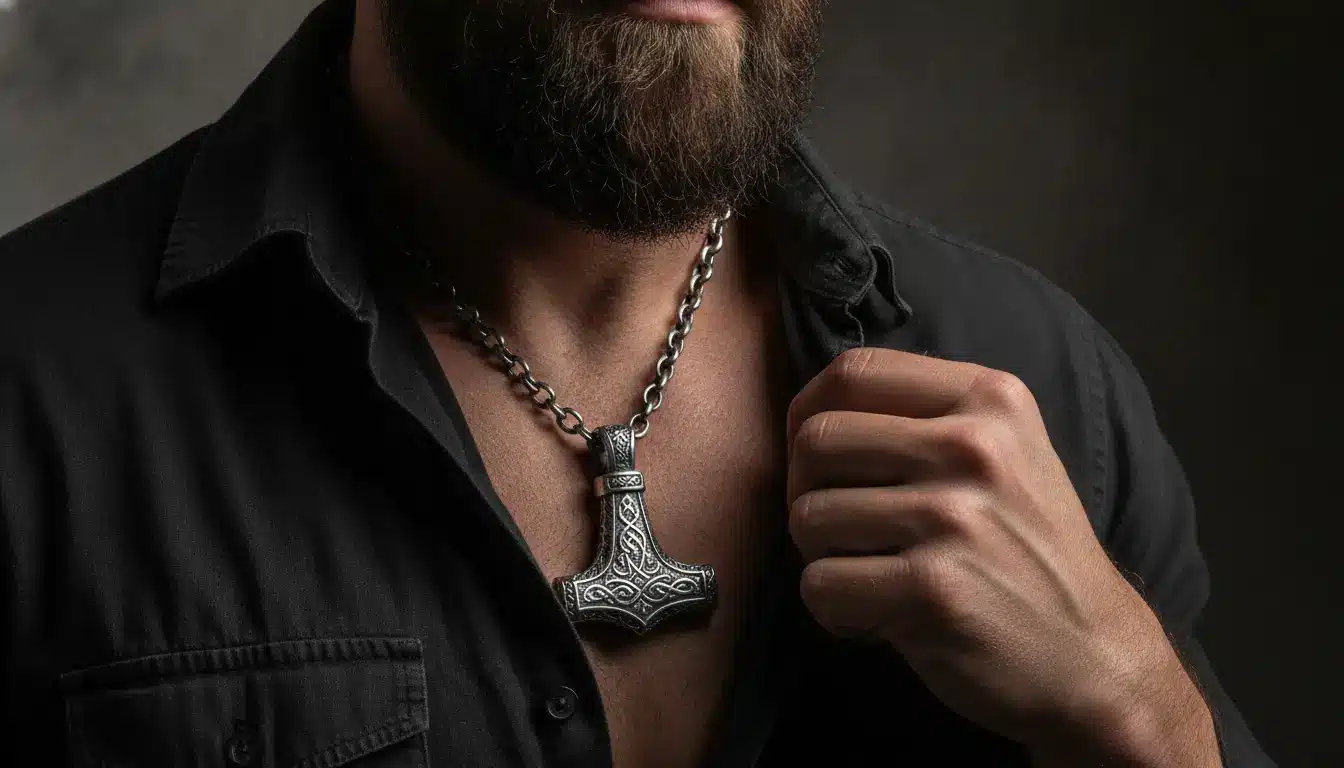
Norse and “ancient” motifs work as jewellery because each one carries a meaning — which is exactly what a logo can’t do. A few of the most common: Mjölnir, Thor’s hammer, was historically worn as a protective amulet and a symbol of strength, and it remains the most popular Norse pendant today. The Valknut, three interlocking triangles, is tied to Odin and to courage in the face of death. Yggdrasil, the world tree, stands for connection. Runes carry their own individual meanings, from protection to journey to growth.
This is exactly why dedicated ranges of Norse and Viking jewellery for men tend to gather several of these symbols into one collection — crafted in hallmarked sterling silver — so a man can choose the pendant, ring or chain that genuinely means something to him, rather than wearing something that means nothing at all.
Why Norse Jewellery Resonates With Men Now
Part of the appeal is the broader shift in men’s jewellery toward meaning over branding — the same instinct that’s driving the Viking haircut itself. Men are increasingly drawn to pieces that say something about who they are: strength, resilience, a connection to heritage. A Norse pendant does that quietly, in a way a designer logo never could.
And part of it is purely visual. Heavy silver, dark oxidised detailing and bold, graphic symbols sit perfectly alongside the rugged grooming look. The haircut and the jewellery come from the same family — which is why the men wearing one so often end up wearing the other. As men’s jewellery has shed its old taboos, Norse and mythology pieces have become some of the most-worn designs in the category.
The
The Key Pieces: Men’s Pendants, Rings and Chains
u’re building the look, it helps to know the pieces that carry it best.
The Norse pendant is the natural starting point — a single symbol on a chain or leather cord, worn at the chest. A Mjölnir or a rune pendant in sterling silver is the most recognisable way into the style. From there, a signet or symbol ring brings the same heritage feel to the hand; men’s rings engraved with Norse motifs pair naturally with a pendant without overdoing it. And the chain itself matters: a heavier sterling silver chain suits the bold, Viking-inspired aesthetic, while a slimmer one keeps a pendant understated. Most men start with one pendant and build from there, which is the right instinct — the look is about a few considered pieces, not all of them at once.
How to Wear Norse Jewellery Without Tipping Into Costume
A few practical notes on actually wearing it. Start with one piece — a single pendant on a chain is plenty. The most common mistake people tend to make with men’s mythology jewellery is layering on every symbol at once, which tips the whole thing from considered into fancy dress. Match the metal to your other details: if your watch and rings are silver, keep the pendant silver too. And let the haircut and beard carry their share of the work — the jewellery is there to punctuate the look, not to do all the talking. A single Mjölnir pendant sitting just below an open collar, paired with a sharp Viking-inspired cut, says far more than a fistful of rings ever could.
Choosing the Metal: Sterling Silver vs Stainless Steel
Material is worth getting right, because it decides how the jewellery ages. Solid 925 sterling silver is the classic choice for Norse pieces — it has the weight and presence the style calls for, lasts for decades, and develops a character of its own; a quick polish brings the shine straight back whenever you want it. Stainless steel is the tougher, lower-maintenance alternative, and it won’t tarnish at all, which suits a man who’d rather not think about upkeep. Either way, steer clear of cheap plated pieces that wear through within months — this is jewellery meant to be worn every day. Plenty of specialist makers now work in this space — Illicium London among them — crafting Norse and Viking Jewellery symbols in hallmarked sterling silver built to last.
Jewellery You Can Carry With You
The Viking-inspired look endures because it taps into something men respond to: the idea of style as a kind of armour — grooming and dress as a way of signalling identity, rather than just chasing a trend. The haircut starts it. The jewellery finishes it. And unlike the haircut, the symbolism doesn’t grow out; you carry it with you, a small and deliberate reminder of whatever it is you’ve decided it means.
For a generation rediscovering the idea that how you present yourself is a form of self-expression, a piece of Norse men’s jewellery turns out to be a powerful thing to wear around your neck.