
Almost every good day begins and ends with hot water. The shower that wakes you up, the wash that resets you after work, the basin where you rinse, cleanse, and care for your skin and hair. It is one of the most-used systems in the home and, paradoxically, the one we think about least, right up until it runs cold halfway through a shower on a winter morning. If you take your daily routine seriously, your hot water system deserves more attention than it usually gets.
This is a look at why it matters more than people assume, and what a modern, efficient setup actually changes.
The unsung hero of your daily routine
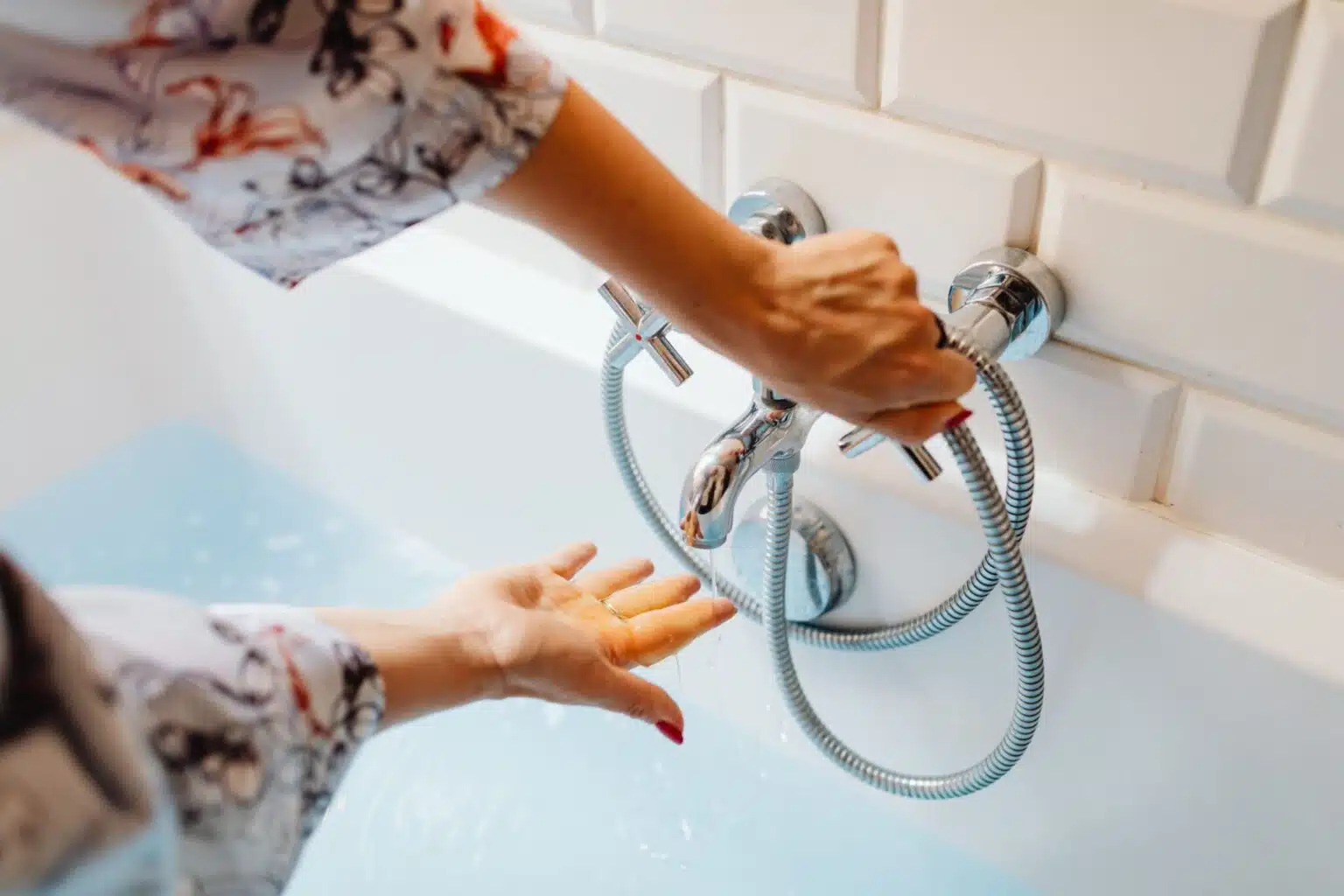
Consider how much of your self-care depends on a reliable supply of hot water at a steady temperature. A consistent, comfortable shower is not a luxury; it is the backbone of the routine that keeps you feeling clean, calm, and presentable. When the system is undersized, aging, or poorly installed, the symptoms are familiar: water that turns lukewarm the moment someone else opens a tap, a temperature that swings between scalding and cold, and a tank that empties before the second person has finished. None of that is just an inconvenience. It quietly degrades the part of the day you rely on to feel human.
There is a personal-care angle, too. Wildly fluctuating water temperature is hard on skin and hair, and never quite reaching comfortably warm water makes a proper cleanse or conditioning routine harder than it should be. Rinsing conditioner or a treatment mask properly takes warm, steady water and enough of it, and a system that gives out halfway through leaves you cutting the routine short. A stable, sufficient hot water supply is the unglamorous foundation that lets everything else in your bathroom routine work the way it is meant to.
The modern upgrade: heat-pump hot water
If your system is due for replacement, the technology has moved on dramatically, and the standout upgrade is the heat pump. A heat-pump hot water system works like a refrigerator in reverse: instead of using electricity to generate heat directly, the slow and expensive way an old electric element does, it uses a small amount of power to move existing warmth out of the surrounding air and into the tank. Because it is shifting heat rather than creating it, it can deliver several units of hot water for every unit of electricity it draws.
In practice that means the same dependable hot showers for a fraction of the running cost, which is no small thing when hot water is one of the largest slices of a household energy bill. Looking into heat pumps from Solar Repairs in Perth is a sensible way to see how the current generation performs: quieter, better in cold weather, and available in tank sizes matched to how many people actually live in the home. Pair one with rooftop solar and you can heat tomorrow’s water on today’s sunshine, which pushes the running cost lower still.
Why installation makes or breaks it
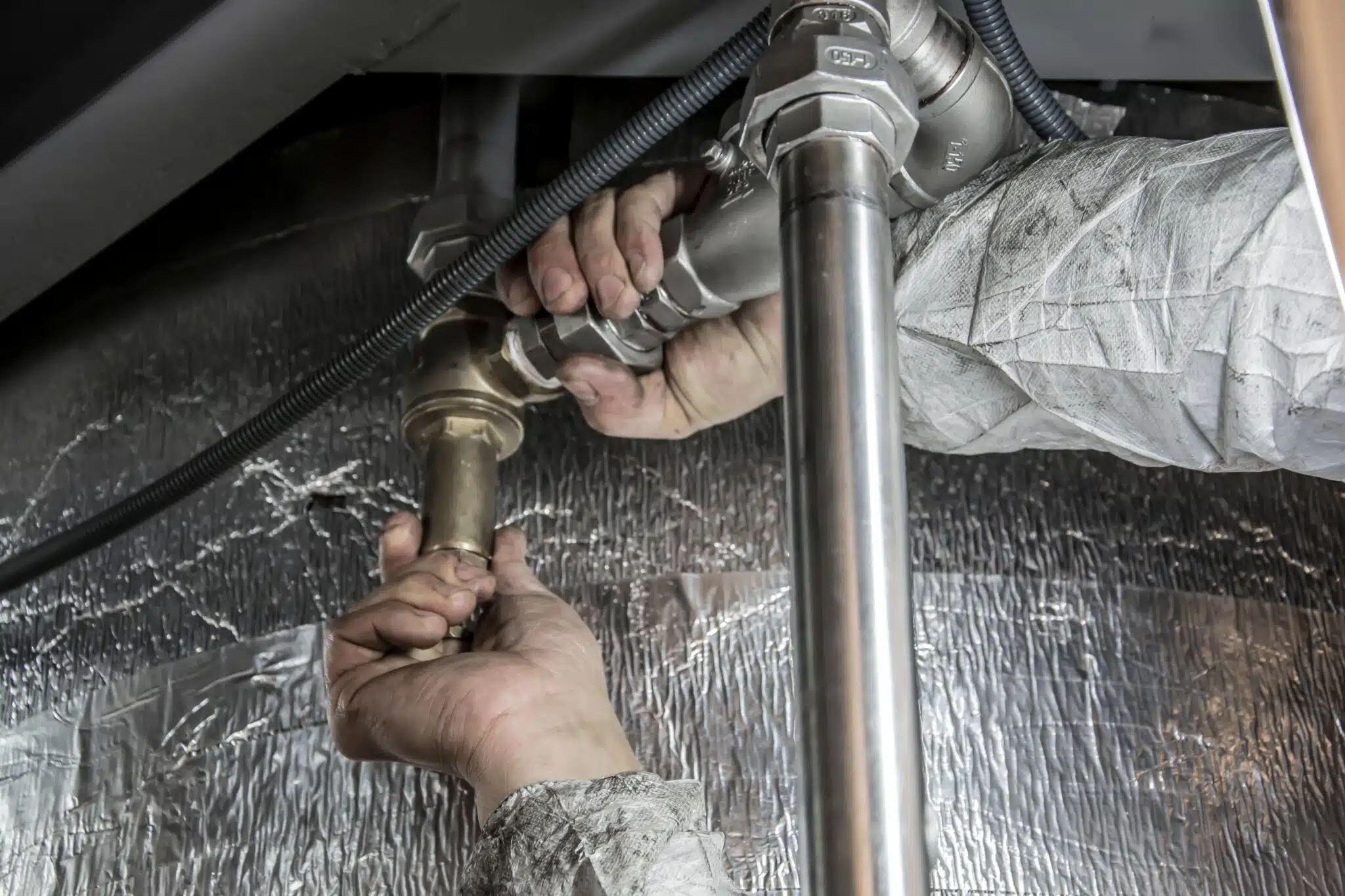
Here is the part that gets overlooked. A hot water system, and a heat pump especially, is only as good as its installation. These are not appliances you plug in and forget. They need the right location for airflow, sensible and well-insulated pipe runs so heat is not lost on the way to the tap, correct drainage, and proper electrical and timer setup so the unit runs when power is cheapest. Get any of that wrong and you lose the efficiency and the steady performance you paid for.
This is genuinely licensed work, not a weekend project, and it is where the quality of the tradesperson shows. Having the licensed plumbers and gasfitters at Proud Plumbing size, position, and commission the system, and service it over time, is what turns a good unit on paper into reliable hot water in real life. A correctly installed system holds its performance and efficiency for years; a rushed one becomes an expensive disappointment and a cold shower waiting to happen.
A few things a good installer will get right:
- Correct sizing. Matched to the household, so you never run out mid-routine and never pay to heat water you do not use.
- Smart placement. Enough airflow for a heat pump to breathe, and short pipe runs to the most-used taps.
- Sensible scheduling. Timed to off-peak power or peak solar, so the efficiency shows up on the bill.
- Ongoing servicing. Occasional checks keep filters, coils, and pressure where they should be.
Signs it is time to upgrade
You do not have to wait for a total failure to act. The system is usually telling you well before then:
- Hot water runs out faster than it used to, or cannot keep up with the household.
- The temperature swings, or never gets reliably warm.
- The unit is more than ten to fifteen years old.
- Energy bills have crept up with no change in how much hot water you use.
Any one of these is worth a conversation with a plumber. Together, they are a clear sign that a modern, efficient replacement will pay for itself in both comfort and running cost.
Comfort that runs in the background
The best home systems are the ones you never have to think about, and hot water is the purest example. Get it right, with an efficient modern unit chosen for your household and installed by people who know what they are doing, and it simply disappears into the background, delivering the steady, comfortable water that every shower, cleanse, and wash quietly depends on. It is not the most glamorous upgrade in the house, but few things you can change will improve your daily routine as reliably, or as cheaply over the long run. Treat your hot water as the foundation it is, and the rest of your routine has something solid to stand on.