
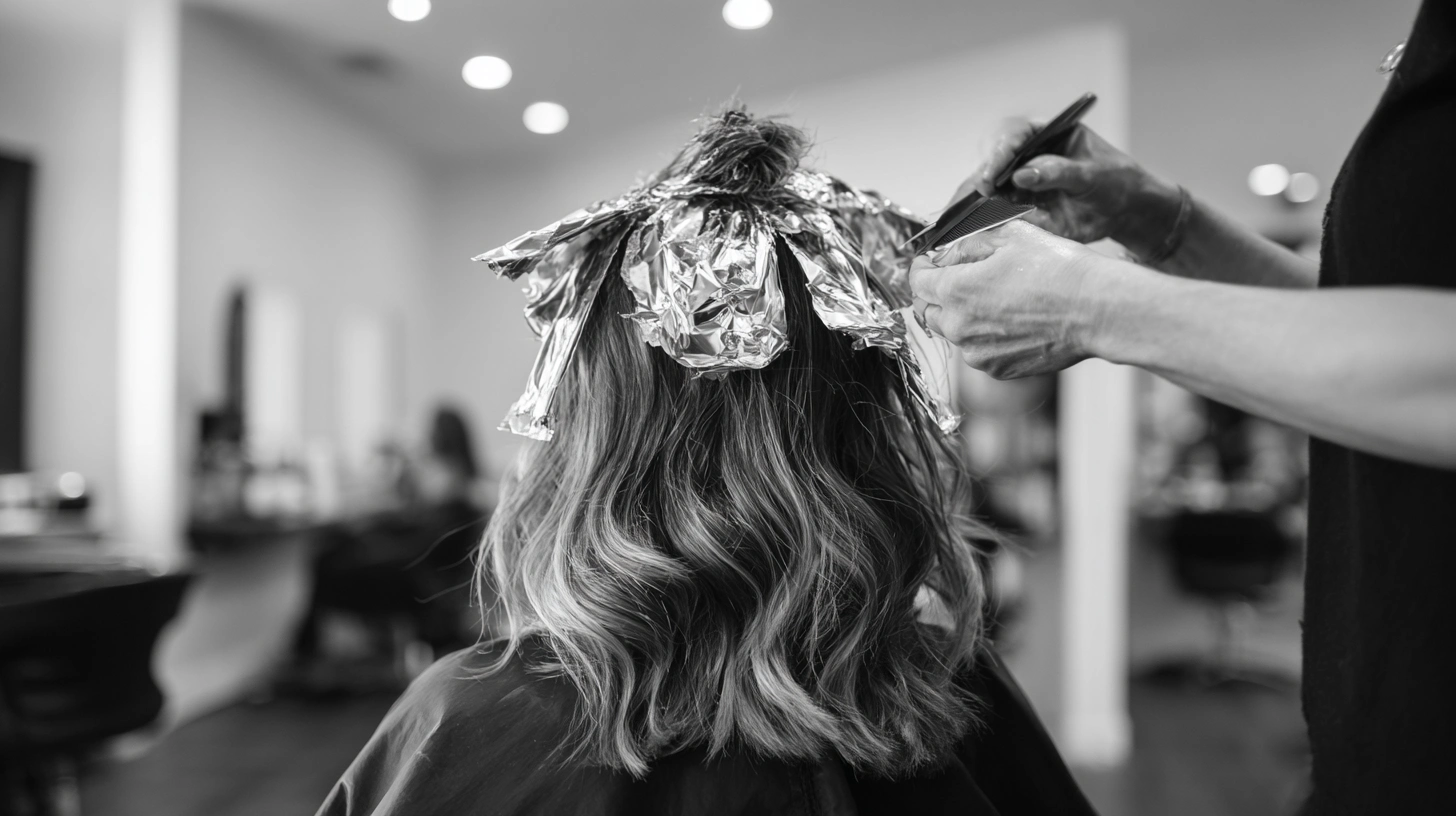
Highlights can quietly ruin your hair, and you might not notice until it’s too late.
But what if you could get beautiful color without the breakage?
Stylists use specific methods that keep hair healthy while still delivering that gorgeous look you want.
Read on to find out which techniques are worth your time, and your hair.
Which Highlight Method is the Least Harmful?
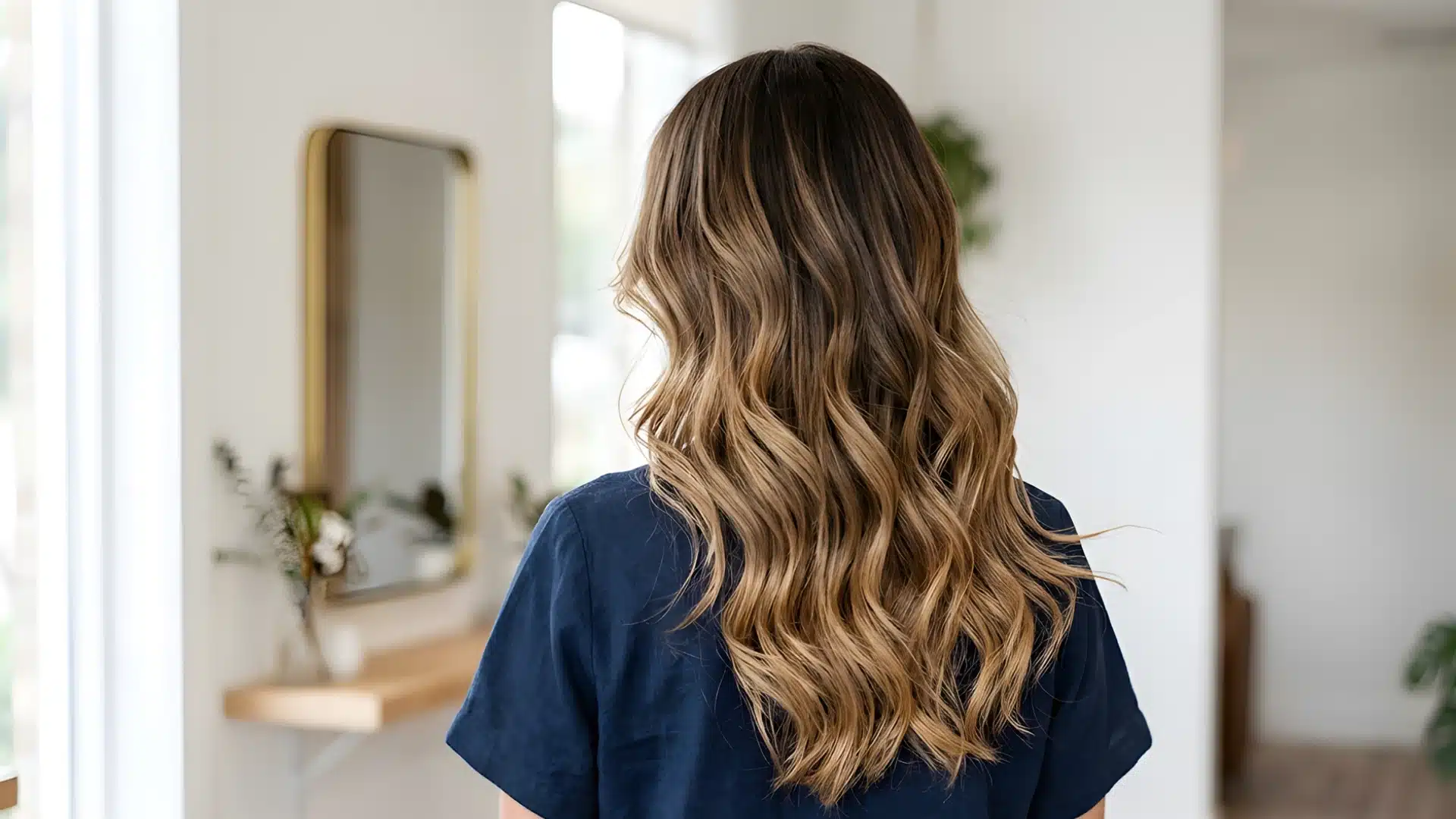
There are different types of highlights,but Balayage stands out as the least harmful.
Unlike traditional foiling, it doesn’t apply bleach from root to tip. The highlight’s color is painted freehand onto selected sections, mostly the mid-lengths and ends.
This means less product touches the hair overall. The scalp stays largely untouched, reducing the risk of irritation and chemical damage.
It also grows out naturally, cutting down the need for frequent salon visits. Less chemical exposure over time means healthier, stronger hair in the long run.
If you want your highlight color to show up clearly, lightening your hair might be a better choice than highlights.
How to Keep Hair Healthy With Highlights?
| Method | What It Does |
|---|---|
| Use a Sulfate-Free Shampoo | Cleans gently without stripping color or drying out strands |
| Deep Condition Regularly | Restores moisture and leaves hair softer and stronger |
| Avoid Heat Styling Too Often | Reduces damage and breakage on highlighted hair |
| Get Regular Trims | Prevents split ends from spreading further up the strand |
| Wait Between Highlight Appointments | Gives hair enough time to recover between chemical sessions |
| Use a Heat Protectant | Shield hair from direct heat damage before styling |
| Avoid Overwashing | Keeps natural oils intact and prevents color from fading faster |
There are a few common highligt mistakes that can make your highlights fade much faster than they should, so always ask your stylish for aftercare.
How Traditional Highlighting Can Damage Your Hair?
Traditional highlighting methods, such as foiling, rely on strong bleach and chemical lighteners to lift color.
These chemicals strip the hair of its natural proteins, leaving strands weak, dry, and brittle over time.
The bleach sits on the hair for extended periods, slowly breaking down its structure from the inside out. Repeated sessions make the damage significantly worse.
Over time, hair loses its moisture, elasticity, and natural shine. Those with already-processed or fine hair tend to feel the effects even faster than others.
The scalp can also become irritated and sensitive from direct chemical exposure during traditional highlighting sessions.
Without proper aftercare, the damage builds up and becomes harder to reverse.
Wrapping Up
The right method, paired with proper aftercare, keeps highlights looking great for longer.
Being consistent with a simple hair care routine makes a real difference over time. Small steps, like waiting between appointments and regularly deep conditioning, go a long way.
Those who take the time to understand their options always achieve better results.
Got a tip that works? Drop it in the comments below.
Frequently Asked Questions (FAQs)
1. Can You Get Blonde Highlights Without Damaging Your Hair?
Yes. Choosing balayage or toning and following a good aftercare routine helps keep blonde hair relatively healthy.
2. Is There a Way to Get Highlights without Chemicals?
Yes! Sun-in sprays and henna are natural options. But results vary by hair type.
3. What Are the Most Low-Maintenance Highlights?
Balayage is the most low-maintenance. The grow-out looks natural, so you don’t need frequent touch-ups.
4. How Do Hairstylists Do Highlights Without Bleach?
Stylists use high-lift color or gloss treatments instead. These lighten hair gently without the harsh bleaching process.