
High cholesterol sends over a million people to their doctors every year. LDL levels above 160 mg/dL are classified as high risk by most physicians.
Yet most people keep eating the same foods that got them there.
A greasy breakfast here. A fast food run there.
It adds up fast. The problem isn’t just fried food; some healthy-looking options are just as bad.
Whole milk, processed meats, and even store-bought baked goods can quietly raise your LDL levels.
This blog lists the top ten worst foods for high cholesterol, defines why they’re harmful, and shows you what to watch for on your next grocery run.
What Does Cholesterol Mean
Cholesterol is a waxy, fat-like substance found naturally in your blood. Your liver makes most of it.
Your body actually needs some cholesterol to build cells and produce hormones. Low-histamine diets directly affect cholesterol management.
But not all cholesterol is the same. There are two main types: LDL and HDL.
LDL is often called “bad” cholesterol. It builds up in your artery walls over time. HDL is the “good” kind. It carries excess cholesterol back to your liver for removal.
The balance between these two types matters more than the total number alone.
American Heart Association recommends keeping total cholesterol below 200 mg/dL.
How Certain Foods Raise Cholesterol in The Body
What you eat directly affects your LDL levels.
Some foods contain saturated fats. Your liver responds by producing more LDL cholesterol than your body needs.
Others contain trans fats, which are even worse. They raise LDL and lower HDL at the same time. Dietary cholesterol from animal-based foods also adds to the load.
Over time, this throws off the LDL-HDL balance. Your arteries start collecting the excess.
The buildup narrows blood flow gradually. Your body can’t clear it fast enough on its own.
That’s when cholesterol stops being manageable and starts becoming a real problem.
Signs and Symptoms of High Cholesterol
High cholesterol has no obvious symptoms. That’s what makes it dangerous. People feel completely fine right up until something serious happens.
A few warning signs can show up in some cases, though:
- Chest pain or tightness: A sign of narrowing of the arteries
- Xanthomas: Fatty deposits forming under the skin
- Corneal arcus: A grey or white ring forming around the eye
Note: High cholesterol is usually detected via a lipid panel blood test. Doctors recommend testing every 4 to 6 years for healthy adults and more often for those with risk factors.
10 Worst Foods for High Cholesterol
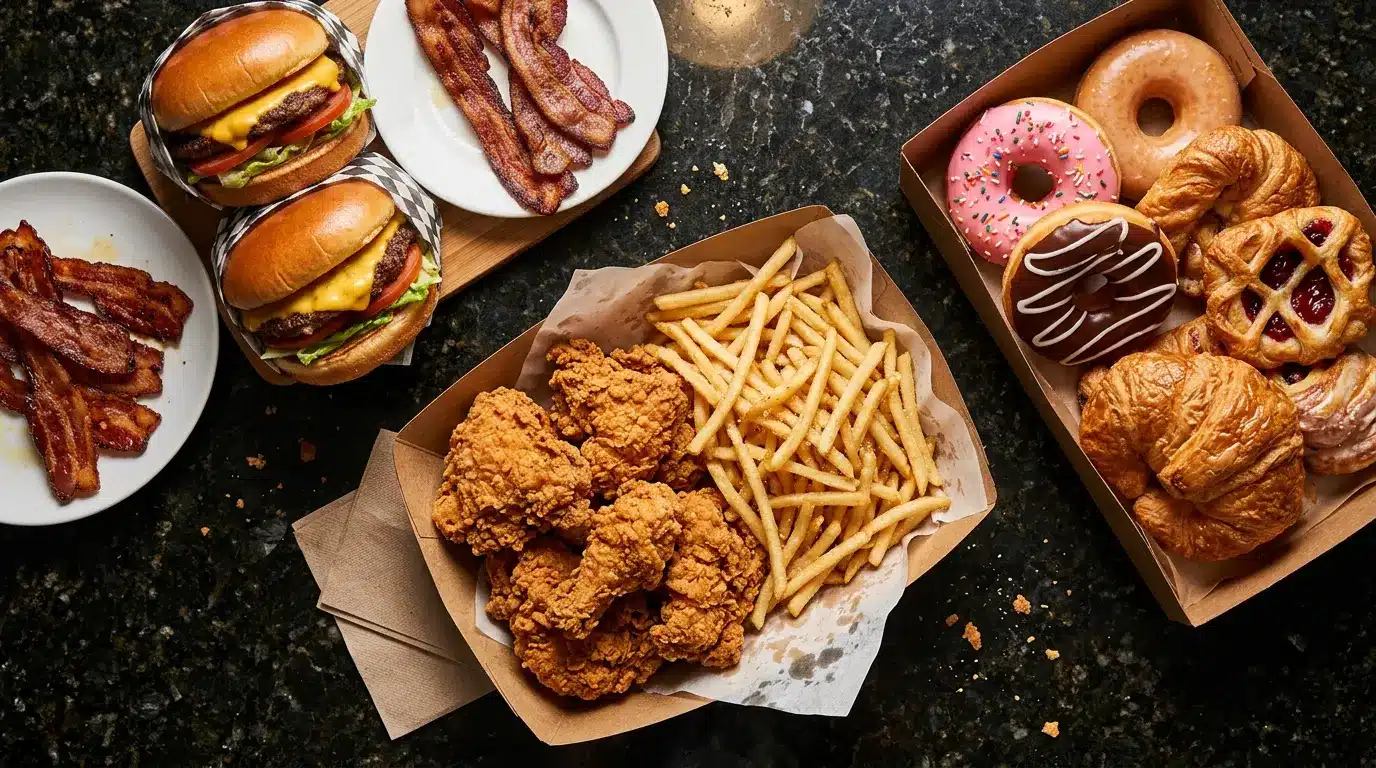
Some foods do far more damage to your cholesterol levels than others. Here are the ten worst offenders you need to know about.
1. Fried Foods
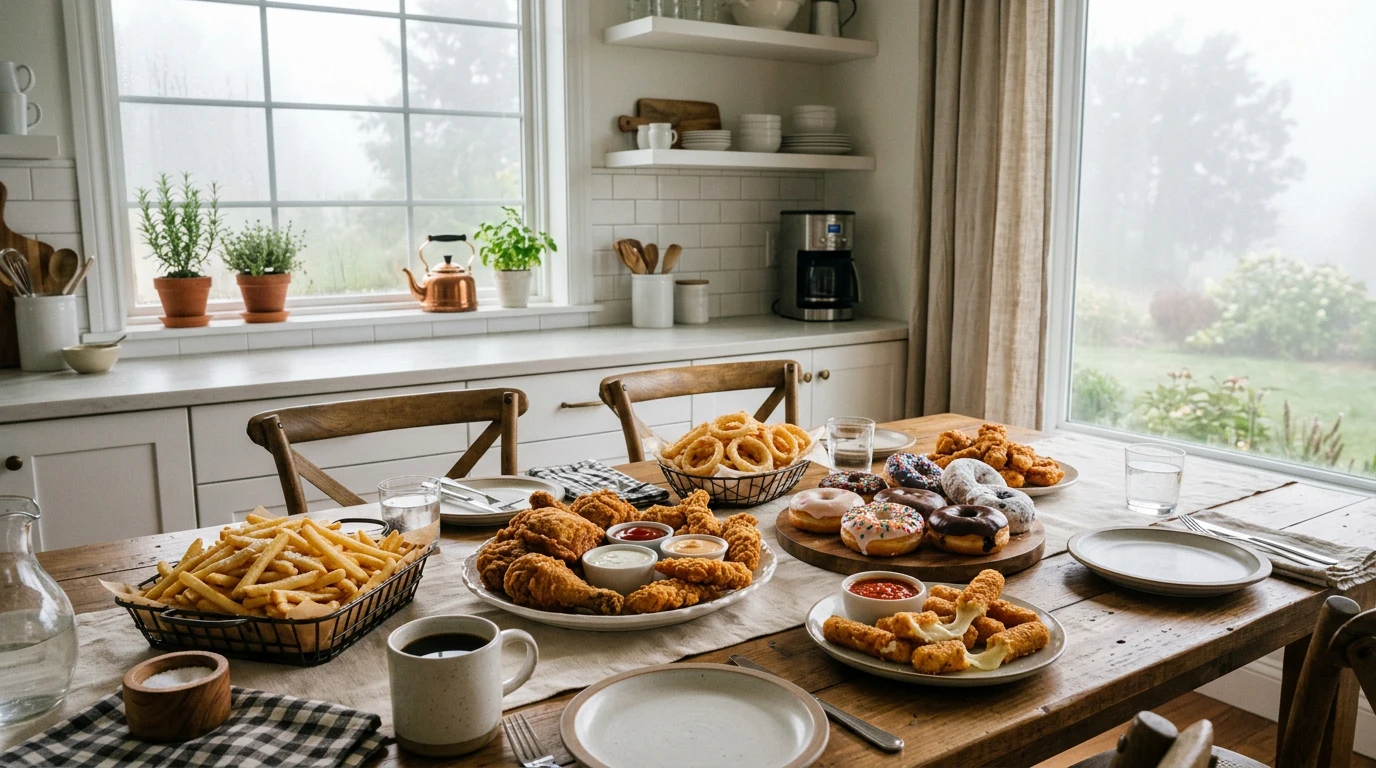
| Food Item | What Makes It Bad | Why It Matters |
|---|---|---|
| French fries | High saturated fat | Raises LDL directly |
| Fried chicken | Trans fats from frying oil | Lowers HDL simultaneously |
| Onion rings | Battered and deep-fried | Adds cholesterol with every bite |
| Fried fish | Absorbs cooking oil heavily | Builds arterial damage over time |
| Donuts | Fried in hydrogenated oils | Spikes LDL after every serving |
| Fried mozzarella sticks | Combined cheese and frying fats | Double the cholesterol impact |
FDA banned partially hydrogenated oils in 2018, yet many restaurants still use high-saturated alternatives that carry similar risks.
2. Processed Meats
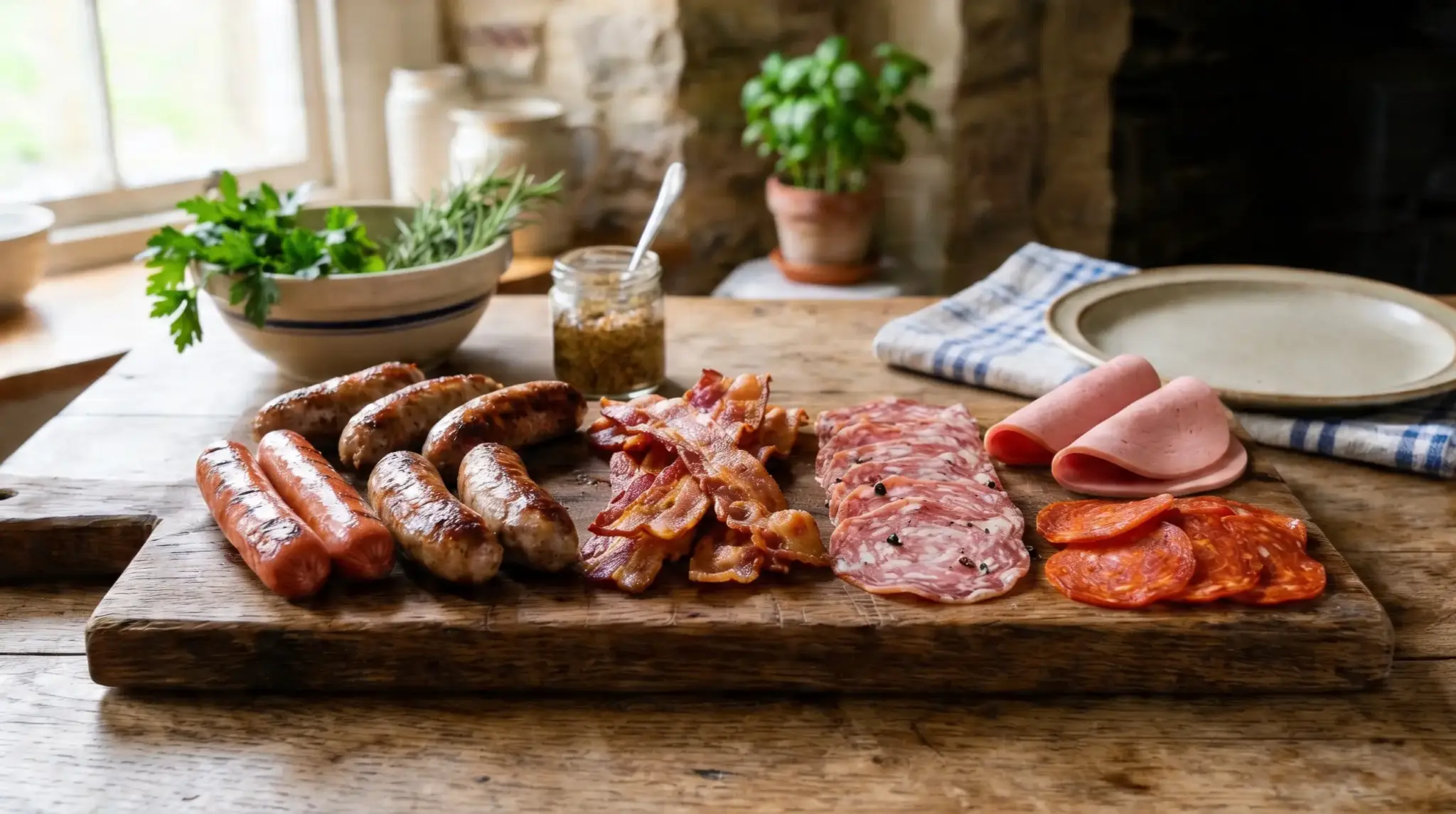
Think these are just a breakfast or lunchtime choice? Here is what they actually do to your cholesterol:
- Bacon: extremely high in saturated fat, raises LDL with every strip
- Sausage: packed with animal fat and sodium
- Hot dogs: processed with fillers and saturated oils
- Salami: cured meat loaded with cholesterol-raising fats
- Bologna: high sodium and saturated fat combination
- Pepperoni: one of the worst offenders in the processed meat category
WHO classifies processed meats as Group 1 carcinogens, indicating their danger surpasses just cholesterol.
3. Full-Fat Dairy Products
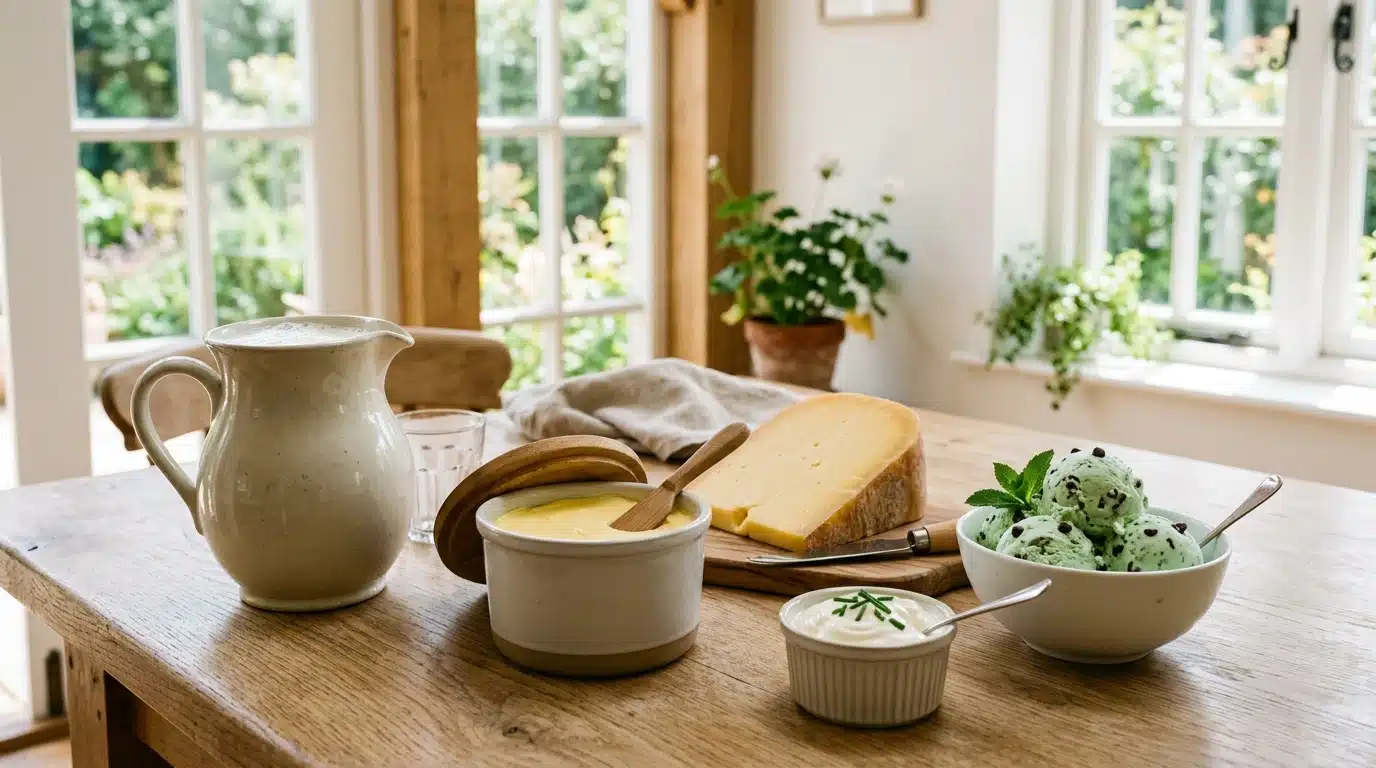
What it includes: Whole milk, butter, heavy cream, full-fat cheese, ice cream, and sour cream.
The problem: Every one of these converts saturated fat directly into LDL cholesterol inside your liver.
People consume two or three of these daily without realizing it.
Simple swap: Low-fat milk, reduced-fat cheese, and Greek yogurt bring noticeable improvement in cholesterol readings over weeks.
4. Baked Goods and Pastries
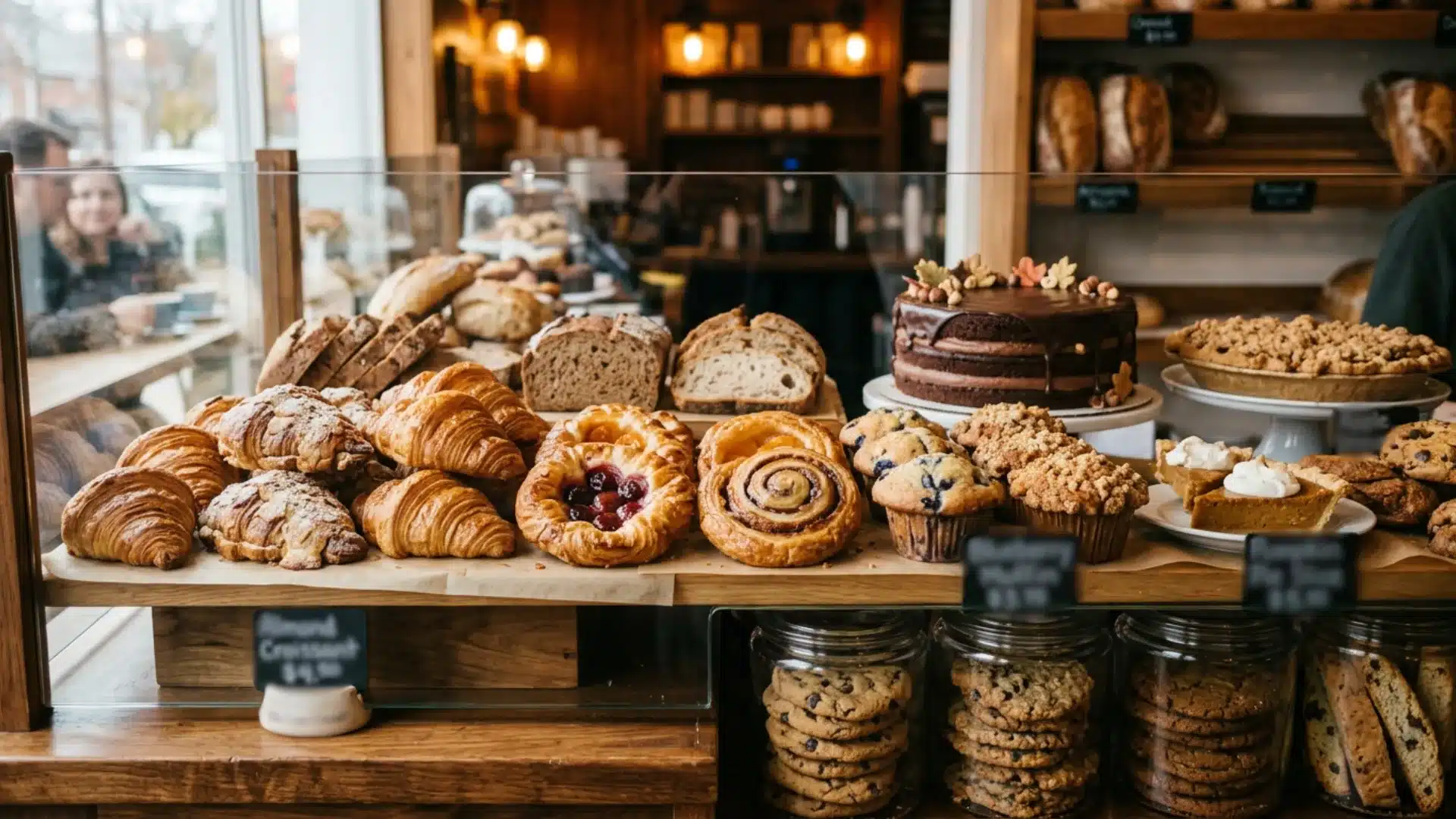
Store-bought versions of these go through this process before reaching your plate:
- Croissants: made with large amounts of butter and hydrogenated oils
- Cakes: loaded with trans fats, sugar, and saturated fat
- Cookies packed with hydrogenated vegetable oils
- Muffins: often contain more fat than a fast-food burger
- Pies: buttery crusts raise saturated fat levels
- Danish pastries: combine cream cheese and hydrogenated oils in one serving
Each one raises LDL and lowers HDL with every bite.
5. Fast Food
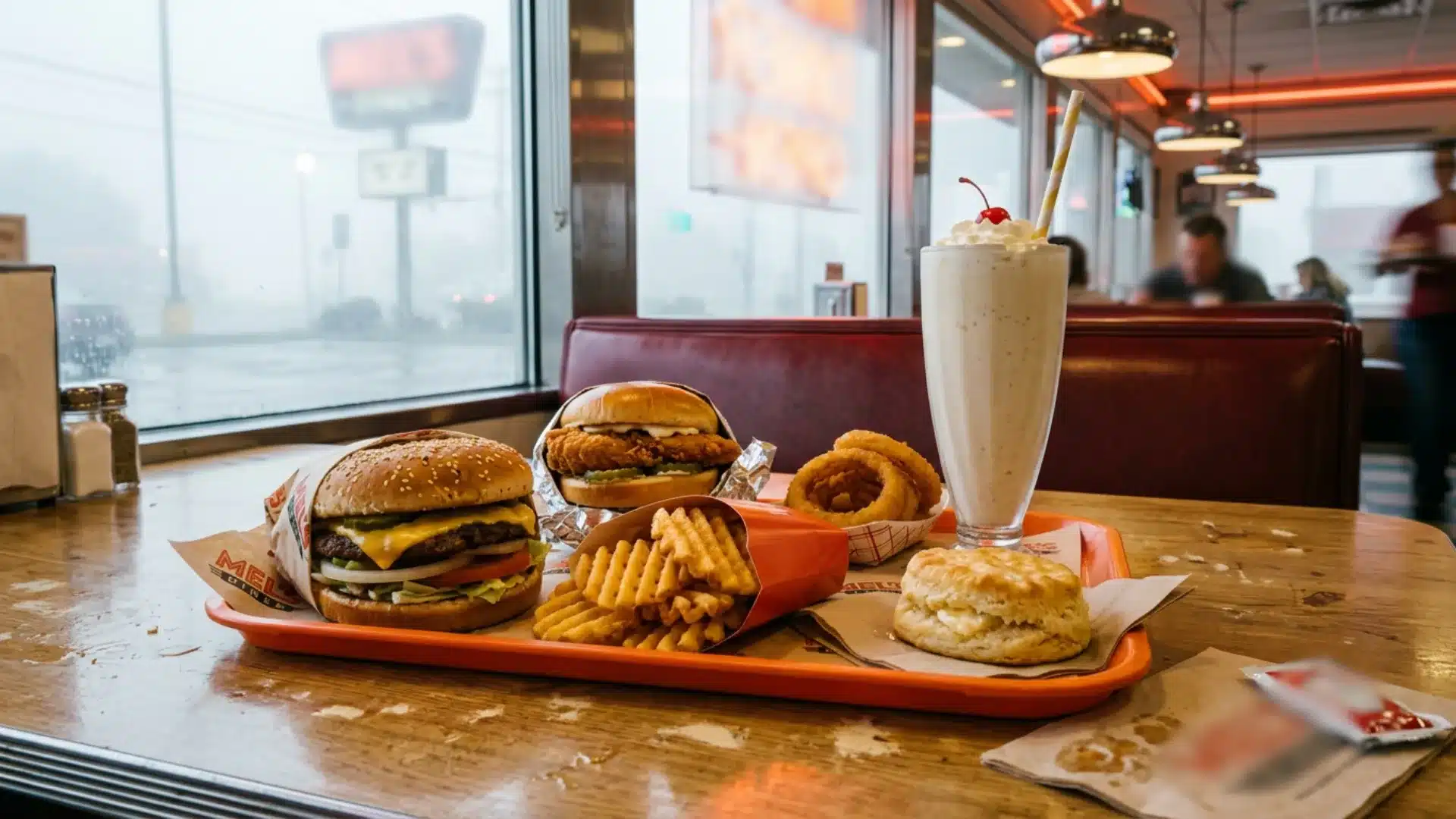
One meal. One sitting. Look at what actually comes with it:
A double cheeseburger has up to 14g of saturated fat per serving.
Large fries cooked in trans fat-heavy commercial oils. The fried chicken sandwich contains saturated fat that exceeds the daily recommended limits. Onion rings are battered and fried in reused cooking oil.
Milkshakes have full-fat dairy and sugar combined in one cup.
Breakfast biscuits processed meat, cheese, and fried dough together.
Frequent visits give your arteries no time to recover.
6. Red Meat
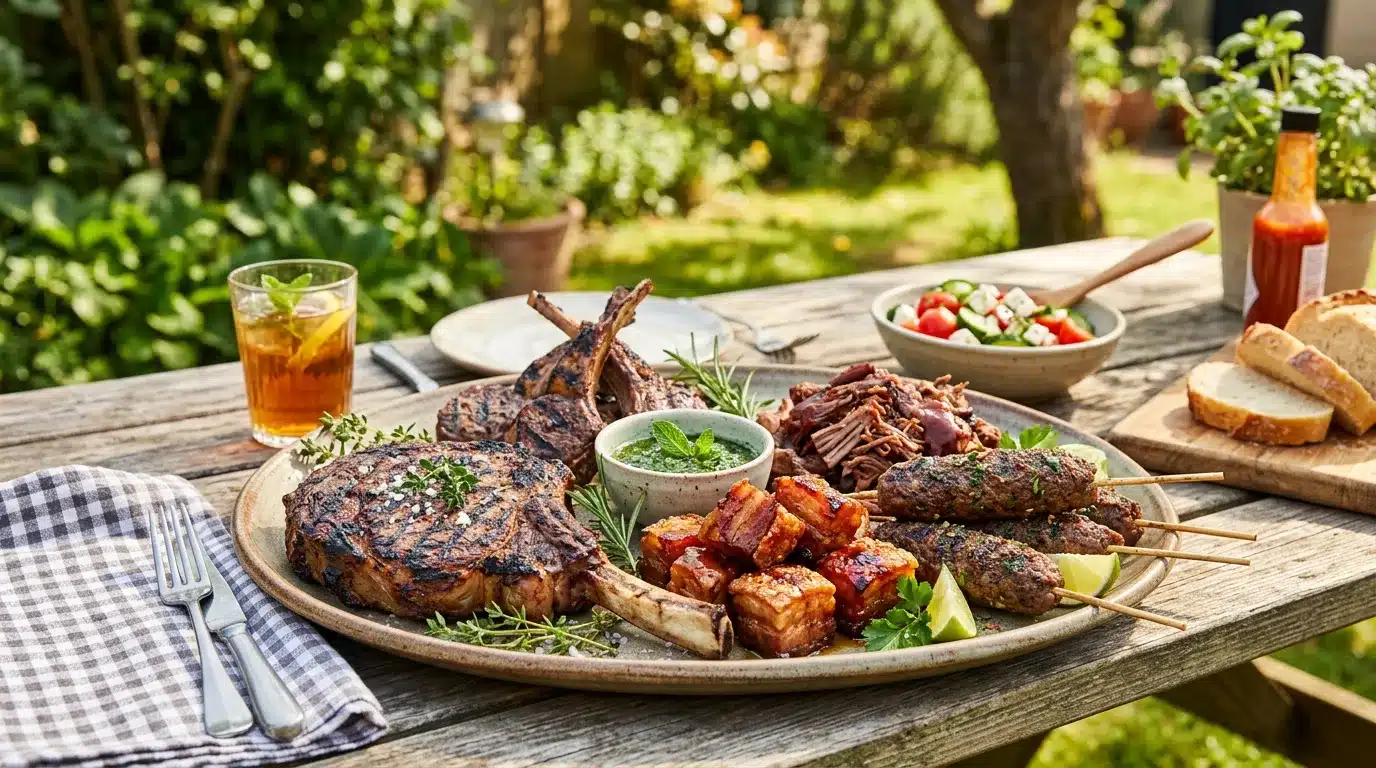
You sit down for dinner. It smells great. But inside your body, something different is happening.
The saturated fat from these cuts signals your liver to produce far more LDL than it needs:
- Ribeye steak
- Lamb chops
- Pork belly
- Beef brisket
- T-bone steak
- Ground beef with high fat content
Eat these several times a week, and your cholesterol numbers reflect it, climbing steadily with each meal.
7. Shellfish
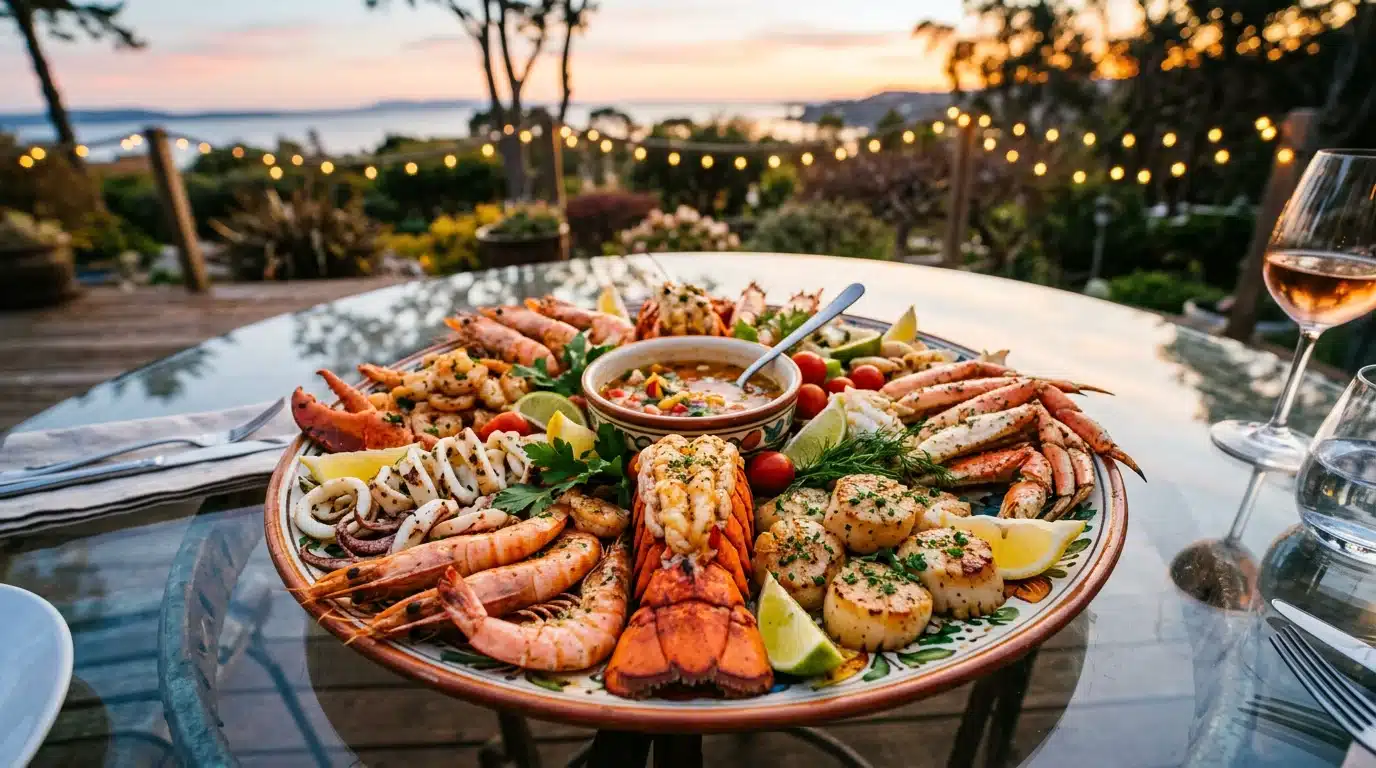
Low in saturated fat? Yes. Still a cholesterol concern? Also yes.
| Shellfish | Cholesterol per 100g | Risk Level for High LDL |
|---|---|---|
| Shrimp | ~195mg | High |
| Lobster | ~145mg | Moderate to High |
| Crab | ~100mg | Moderate |
| Squid | ~233mg | Very High |
| Scallops | ~53mg | Lower but notable |
| Prawns | ~150mg | High |
8. Packaged Snack Foods
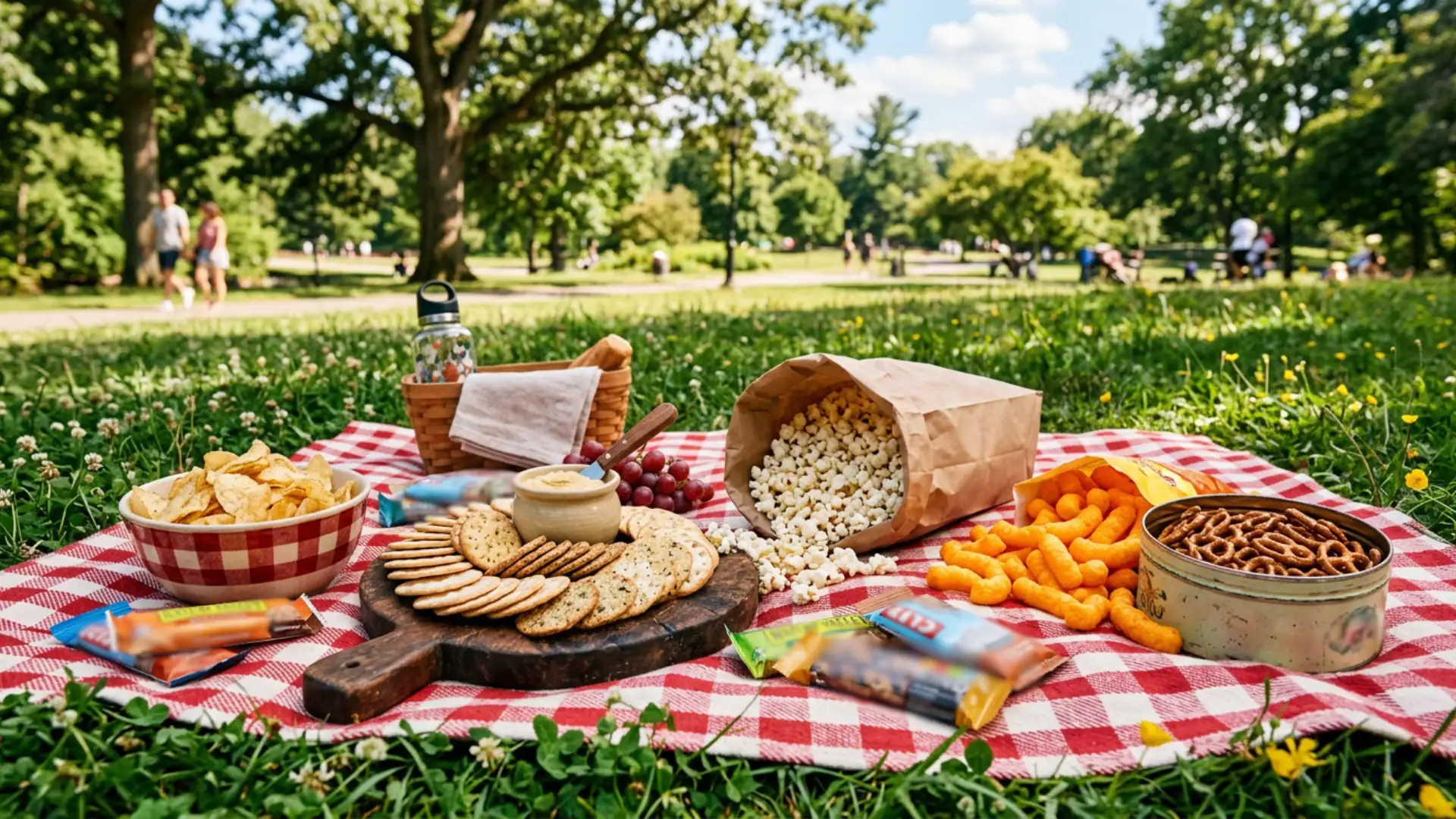
Next time you reach for a snack, run through this quick label check on these common offenders:
- Potato chips: partially hydrogenated oils hiding in plain sight
- Crackers: hydrogenated vegetable oil in nearly every brand
- Microwave popcorn: butter-flavored varieties loaded with trans fats
- Cheese puffs: artificial cheese coating made with palm oil
- Pretzels: often made with shortening high in saturated fat
- Granola bars: coconut oil and palm oil disguised as healthy ingredients
Any one of these raises LDL while knocking HDL down at the same time.
9. Egg Yolks
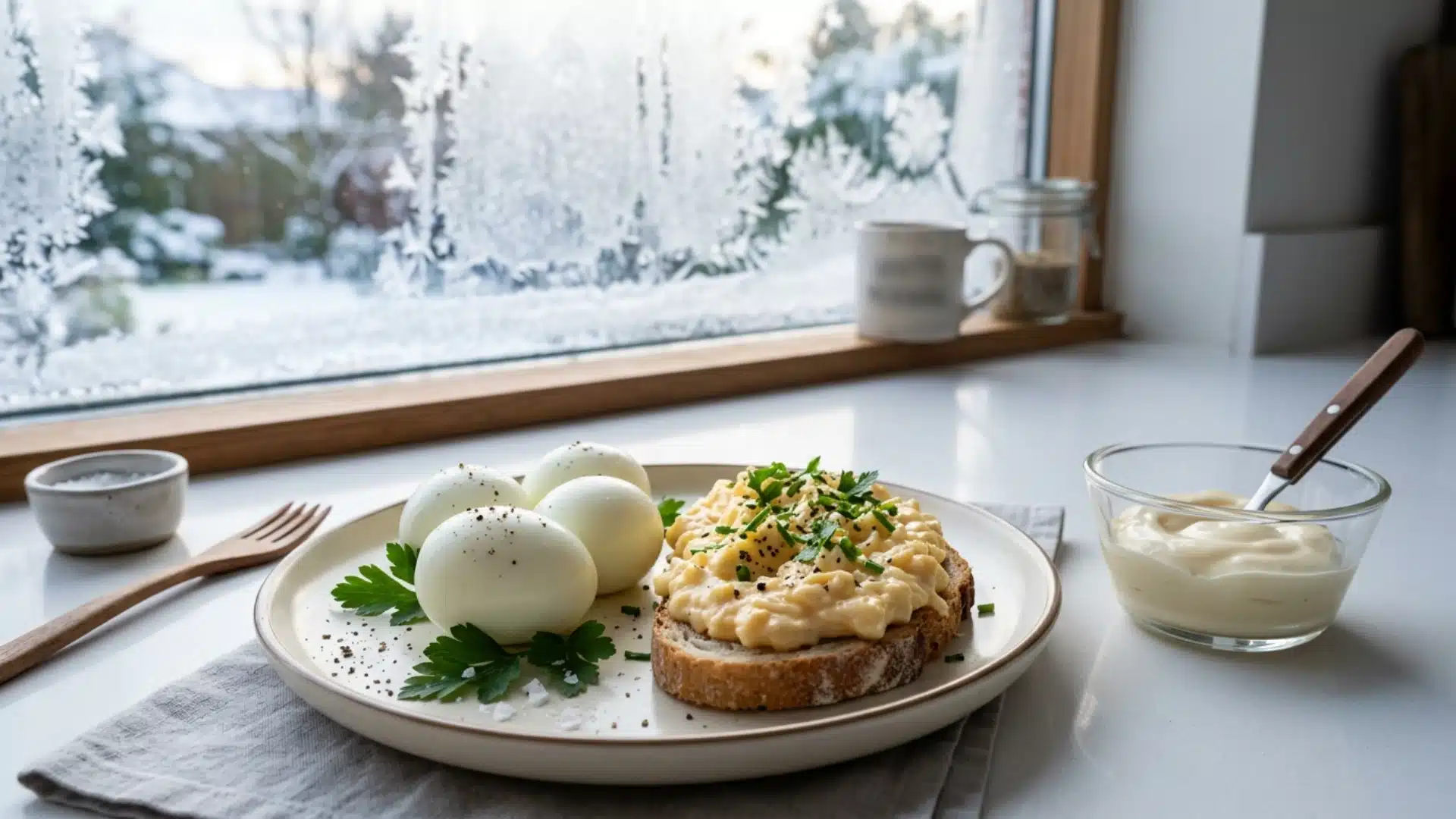
Healthy individuals can eat up to one yolk daily without concern.
Those with high LDL should limit their intake to fewer than 2 yolks daily, as 2 to 3 daily can disrupt cholesterol levels. Heart disease patients need medical advice for moderate consumption.
Watch out for eggs, mayonnaise, hollandaise, egg dressings, custards, quiche, and scrambled eggs, as they all contain significant yolk that can raise cholesterol unnoticed.
One large egg yolk has about 185mg of cholesterol, close to the 200mg daily limit for high-risk individuals.
10. Coconut Oil and Palm Oil
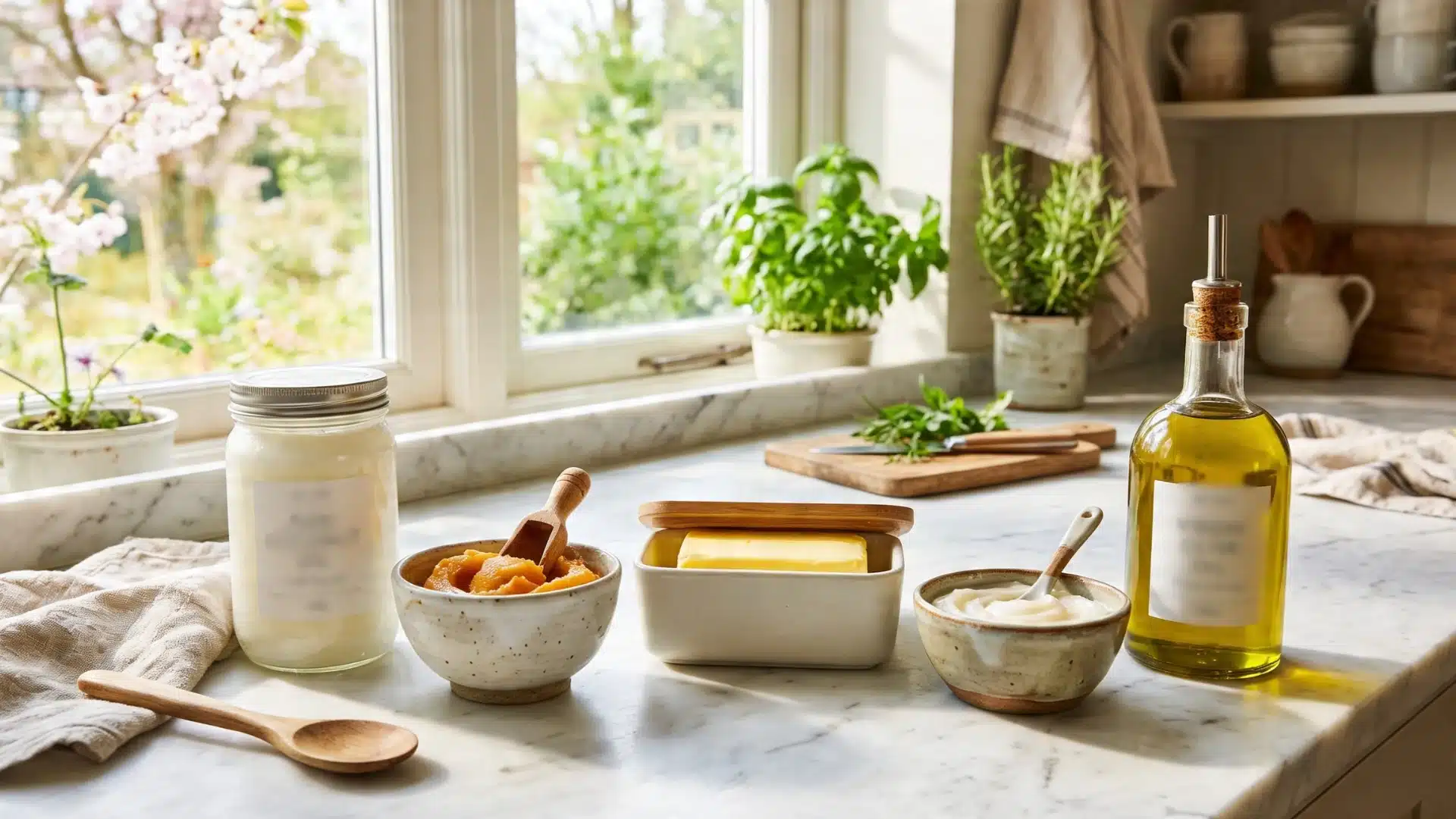
Plant-based. Sounds safe. But here is what the numbers actually say:
| Oil Type | Saturated Fat Content | Common Foods It Appears In |
|---|---|---|
| Coconut oil | ~90% | Granola, energy bars, popcorn |
| Palm oil | ~50% | Margarine, biscuits, instant noodles |
| Butter | ~63% | Baked goods, spreads, and sauces |
| Lard | ~39% | Pie crusts, refried beans, tamales |
| Olive oil | ~14% | Dressings, sautéed dishes |
Switching your everyday cooking oil is one of the simplest changes you can make for your cholesterol levels.
Is Chicken Also High in Cholesterol?
Chicken is often labeled the safe meat for cholesterol.
That’s only partly true. Skinless chicken breast is relatively low in saturated fat.
But chicken skin changes everything. It carries a high fat load, which quickly raises LDL. Fried chicken and processed chicken products are just as concerning.
Dark meat cuts like thighs and drumsticks also contain more saturated fat than most people expect.
Preparation method matters just as much as the cut itself.
The Hidden Patterns Behind These Foods
Individuals focus on what they eat. Few stop to think about how these foods are actually made.
Processed meats go through heavy curing and preservation.
Each step adds saturated fat well beyond the levels found in natural meat. Baked goods are made with hydrogenated oils to extend shelf life. That process creates trans fats, which directly raise LDL levels.
Fast food relies on reused commercial cooking oils.
Repeated heating breaks these oils down and multiplies their trans fat content over time.
The pattern is consistent across all these foods:
Every production step pushes these foods further from what your cholesterol can safely handle.
What to Eat Instead (without feeling restricted)
Cutting back on harmful foods doesn’t mean eating bland or boring meals. Here are some smart swaps that actually work:
| Instead of | Eat This | Why it Helps |
|---|---|---|
| Fried chicken | Grilled or baked chicken breast | Lower saturated fat, same protein |
| Butter | Olive oil | Healthier fat profile for LDL |
| Full-fat milk | Skimmed or semi-skimmed milk | Less saturated fat per serving |
| Red meat | Fish like salmon or mackerel | Contains omega-3 that supports HDL |
| Store-bought cookies | Oats and fruit-based snacks | No trans fats or hydrogenated oils |
| Processed cheese | Low-fat cottage cheese | Significantly lower saturated fat |
| Potato chips | Unsalted nuts and seeds | Good fats that support HDL levels |
When Diet Alone Isn’t Enough
Sometimes eating right isn’t enough to bring cholesterol down.
Genetics plays a bigger role than most people realize. Some people produce excess LDL naturally, regardless of how clean their diet is. Stress, lack of sleep, and low physical activity all push numbers higher, too.
In these cases, a doctor may recommend medication in addition to dietary changes.
Regular blood tests help track progress and catch problems early.
Never adjust or stop prescribed medication without speaking to your doctor first.
Familial hypercholesterolemia affects 1 in 250 people, a genetic condition with persistently high LDL, unaffected by diet.
Final Thoughts
High cholesterol doesn’t build overnight. It builds meal by meal, choice by choice.
A small, consistent change to what you eat can shift your numbers in the right direction over time. Cut back on the worst offenders. Make smarter swaps where you can.
Get your blood tested regularly.
If diet alone isn’t moving the needle, talk to your doctor.
Start with one change this week. Your arteries will notice the difference sooner than you think.
Frequently Asked Questions (FAQ’s)
1. What is the Number One Food that Kills Bad Cholesterol?
Oats top the list; their beta-glucan fiber actively pulls LDL out of your bloodstream.
2. How Did I Get My Cholesterol Down in 4 Weeks?
Cutting processed foods, adding fiber, and walking daily brought measurable results within weeks.
3. What to Drink First Thing in The Morning to Reduce Cholesterol?
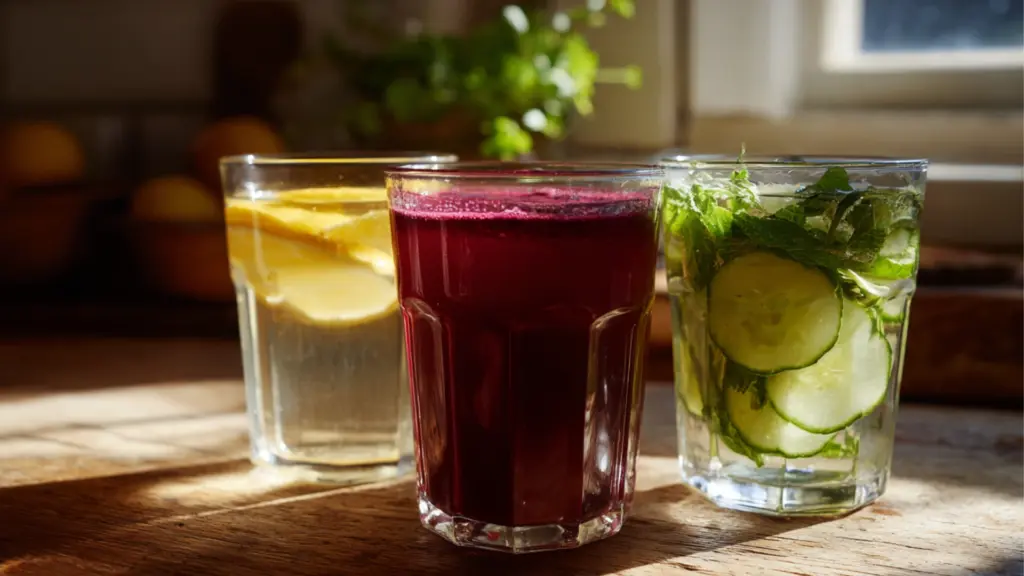
Warm water with lemon or green tea can help your body naturally manage cholesterol levels.
4. Will 2 Eggs a Day Raise My Cholesterol?
For most healthy people, 2 eggs per day fall within a manageable cholesterol range.
5. What to Eat at Night to Reduce Cholesterol?
Light meals with vegetables, legumes, or fish keep your cholesterol load low overnight.