

You finally decided to get a medical alert device for your loved one. You have done your homework, looked at your choices, and ordered. Then came the first bill — and it wasn’t what it had been advertised as.
This is the plight of thousands of seniors and their families each year. Unfortunately, the medical alert industry is filled with providers who charge for services in misleading ways, have hidden fees, and employ predatory contracts. Fortunately, there are those who are truly transparent — and it’s up to you to spot the fake ones.
Not all providers are reputable. There are some who benefit from confusion.
Here are seven common medical alert scams you will want to avoid.
1. Hidden Fees Buried in the Fine Print
The most common medical alert scam is a fee that isn’t included in the advertised price. A provider charges a low fee per month. You sign up. Then fees for equipment, monitoring upgrades, and service add-on fees make an appearance on your bills.
No hidden fee medical alert devices avoid this entirely, offering straightforward pricing without surprise charges. This monthly fee includes the service, with no hidden or extra fees in the fine print. The transparent pricing is straightforward and simple billing from day one. what you see is what you get. This monthly fee includes the service, with no hidden or extra fees in the fine print. The transparent pricing is straightforward and simple billing from day one.
Always request a detailed written explanation of all of the costs before making any decision on a provider. If they stall, it’s a yes.
2. Activation Fees That Catch You Off Guard
Most providers require a setup/activation fee simply to get your device up and running. This fee can cost a small sum to hundreds of dollars, paid before the device even begins to protect anybody.
The medical alert company you choose is reliable and doesn’t charge any activation fees. It should be ready to use when it is delivered to you. A safety device shouldn’t require payment to be turned on.
This scam is especially annoying because it is disguised as a cost up front with no benefit to the senior. This means that it makes it harder for families to leave a provider with a low-quality service, as they may feel that they are ‘stuck’ with a provider.
3. Long-Term Contracts With No Exit
Some providers insist on a 12-month, 24-month, or even 36-month contract for seniors. Early cancellation is extremely costly. This places families in the position of being forced to pay for a service they may not need or desire.
A truly transparent provider will have no contract for the long term. With month-to-month services, it is your choice to stay or go. Should circumstances change (and they do with seniors), you should be able to cancel without financial consequences.
Moreover, in order to express confidence, they have to use the no-contract model. A loyal customer should not be bound by a provider with legal contracts.
4. Unverified Monitoring Standards and Certifications
Medical alert companies can claim monitoring services that are available 24/7, but have a wait time that seems too long because of undertrained staff or outside call centers with slow response times. When disaster strikes, a late reply can be the difference between a manageable and a life-changing event.
Clear providers back up monitoring with verifiable industry accreditation. Check for certifications from organizations like the Central Station Alarm Association, Underwriters Laboratories of Canada, the Canadian Security Association, and the Better Business Bureau. These certifications aren’t just for show; they are independently proven performance standards that will keep you safe.
A provider who is not able to cite a known certification is a provider with unknown monitoring quality.
5. Fake or Exaggerated Range Claims
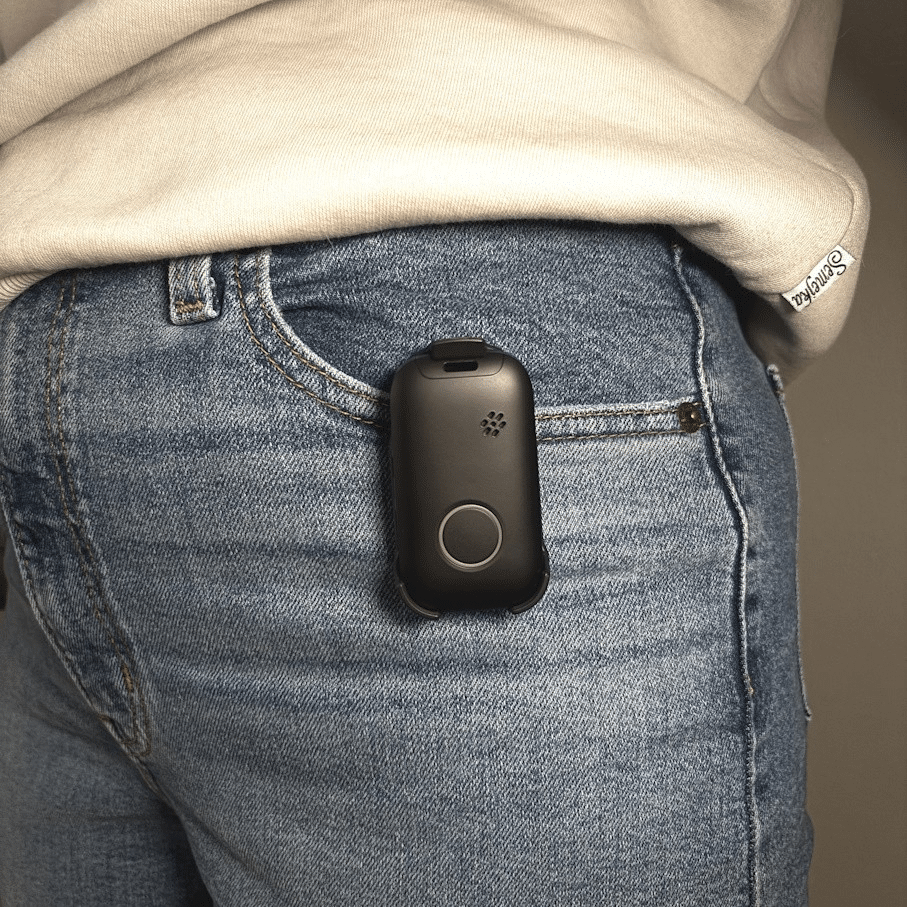
Medical alert companies boast a great range for their alert devices, with some even claiming hundreds of feet of range indoors and out. However, in practical situations, walls, interference, and signal limitations can drastically reduce these ranges. If a senior does wander into the backyard or a distant room of a bedroom, he or she could end up outside the range of the device’s true coverage — with no alert and no help.
Providers that are transparent provide actual testing data for their range claims rather than ideal-condition data. They make it clear that there are devices that utilize GPS technology (which requires cell coverage) and home base unit systems (which operate in a fixed radius). Any provider that doesn’t clearly articulate their range’s functionality — or hides limitations in footnotes — should be avoided.
6. Fall Detection Offered as a Costly Upsell
One of the most important things that a medical alert device can provide is fall detection. It automatically recognizes a fall and alerts the monitoring center — even if the senior is not conscious enough to press a button. Others, however, consider it an extra fee that comes with a high premium.
In the case of transparent providers, fall detection is accessible and affordable. One of the most common causes of serious injury among older people is falling. When it comes to falls, it is possible for a person to be unable to attempt to get up and call for assistance, making it more likely that complications will arise the longer help is delayed. Some providers include fall detection in standard plans, while others charge extra for it, making it important to compare total costs before committing. .
Whenever analyzing providers, be sure to get a clear understanding of fall detection charges and get rid of any provider that considers it to be an optional luxury.
7. Vague Cancellation Policies Designed to Confuse
Some providers make it deliberately difficult to cancel. It takes several steps, a lot of waiting time, or retention measures that are intended to make the customer give up. Some even continue to bill for services after you’ve cancelled, with some technicalities listed in their terms.
A clear provider will allow for easy and instant cancellation. You should cancel the service if it is no longer necessary and return the device without any hassles, such as complicated procedures or guilt tactics, and without any hidden bills.
One of the surest signs of a provider’s attitude toward its clients through the entire process is clarity at the point of cancellation.
Conclusion
Medical alerts industry is a very promising industry that can save the lives of seniors and give families a real sense of security. But, as long as providers are more concerned with making a profit than with transparency, such potential is jeopardized.
If you become aware of these 7 scams, you will know the questions to ask before making a commitment. Find providers that have a transparent fee structure, no activation fees, no long-term arrangements, proven monitoring protocols, no hidden charges, free delivery of equipment, easy cancellation procedures, and easy fall detection.
A provider that checks off all those items is a provider who has earned your trust — and your loved one’s safety is worth no less.