

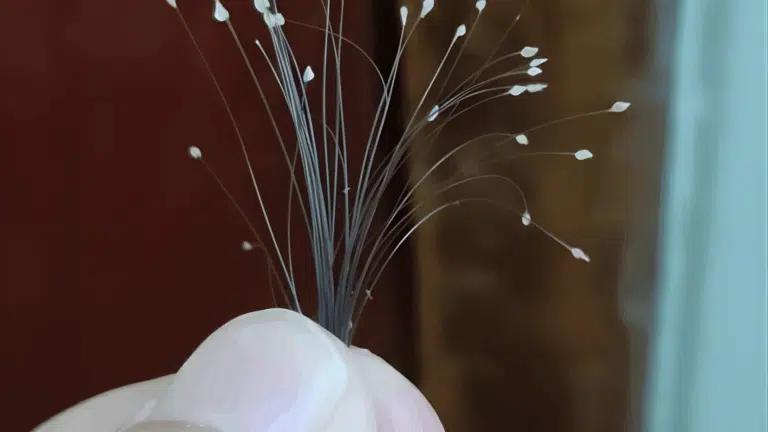
Finding strands of hair on your pillow can feel alarming, especially when you notice that strange white bulb at the tip.
But here’s the thing: it’s not always a red flag. That little white bulb is actually part of your hair’s natural structure.
Sometimes hair falling out with white bulb is just normal shedding, and other times it might signal something worth checking out.
Let’s break down what’s really happening when you see this.
White Bulb at End of Hair – What it Means
That white bulb you’re seeing isn’t your hair root. It’s actually the hair bulb, which is the part that was sitting in your follicle while the strand grew.
Your hair grows from tiny pockets in your scalp called follicles.
At the base of each strand, there’s a bulb-shaped structure that gets nourishment from blood vessels. When your hair completes its growth cycle and falls out, it takes that bulb with it.
The white color comes from keratin protein.
Some people panic, thinking they’ve pulled out the root. But your actual root stays safe in the scalp. The follicle remains intact and ready to grow new hair.
Seeing these bulbs is normal since we lose 50 to 100 hairs daily. Now, let’s look at why hair goes through this cycle.
Understanding the Hair Growth Cycle
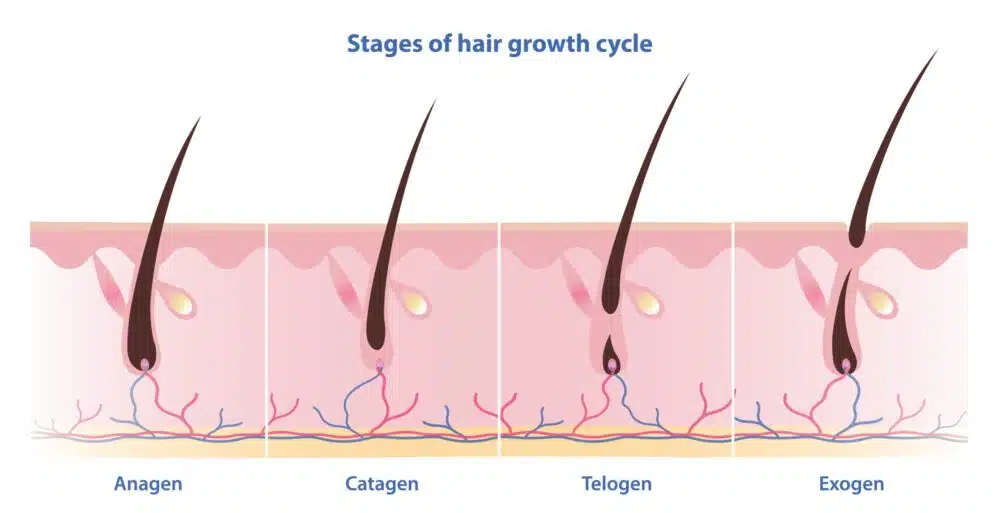
Your hair doesn’t grow forever. It follows a cycle that determines when strands grow, rest, and fall out.
Here’s how the cycle works:
1. Anagen Phase (Growth Stage)
This is when your hair actively grows. It lasts 2 to 7 years, and about 85 to 90% of your hair is in this phase right now.
2. Catagen Phase (Transition Stage)
A short 2 to 3 week break where hair stops growing and detaches from the blood supply. Only 1 to 2% of your hair is here at any time.
3. Telogen Phase (Resting Stage)
The strand rests in the follicle for 2 to 4 months while new hair forms underneath. Around 10 to 15% of your hair is in this phase.
4. Exogen Phase (Shedding Stage)
The old hair falls out with that white bulb attached, as new hair pushes it out. You’ll lose 50 to 100 hairs daily during this natural process.
The white bulb appears during the exogen phase because the hair has completed its journey.
But sometimes, things can push more hairs into the shedding phase than usual.
Common Causes of White Bulb Hair Loss
Seeing that white bulb doesn’t automatically mean something’s wrong.
But when you’re losing more hair than usual, it helps to know what might be triggering it.
Natural Telogen Shedding
This is the most common reason you’ll see hair falling out with a white bulb attached, and it’s nothing to worry about.
Every day, you lose between 50 and 100 hairs as part of the natural process.
The white bulb is just proof that everything worked as it should. You might notice more shedding after washing or brushing, which is completely normal.
Stress-Related Hair Loss (Telogen Effluvium)
Stress doesn’t cause your hair to fall out right away.
When you go through something physically or emotionally stressful, your body pushes more hairs into the resting phase.
Here’s the catch: you won’t see the effects for about 2 to 3 months. The good news? This type of shedding is usually temporary once the stress passes.
Nutrient Deficiencies
Your hair needs fuel to grow. When your body doesn’t get enough iron, protein, vitamin D, or B vitamins, it starts rationing resources.
Hair isn’t essential for survival, so it’s one of the first things to suffer.
A simple blood test can tell you if you’re low in any of these. Don’t just start taking supplements without checking first.
Hormonal Factors
Hormones run the show when it comes to your hair growth cycle. Pregnancy, thyroid problems, menopause, and birth control changes can all trigger shedding.
If you suspect hormones might be the issue, it’s worth getting your levels checked.
Scalp Conditions
A healthy scalp grows healthy hair. Dandruff, seborrheic dermatitis, and psoriasis can all disrupt the growth process. Watch for persistent itching, red patches, or excessive flaking.
Treating the underlying scalp condition usually helps the hair situation improve.
Hairstyles & Mechanical Damage
Tight hairstyles put constant tension on follicles.
High ponytails, tight buns, braids, and extensions can force hair into the shedding phase early.
This is called traction alopecia, and it’s preventable. Giving your hair a break from tight styles helps the follicles recover.
Medication-Related Shedding
Blood thinners, some antidepressants, blood pressure medications, and birth control pills can trigger shedding.
If you started a new medication and noticed increased hair loss a few months later, mention it to your doctor.
Don’t stop taking prescribed medication without talking to them first, though.
Is Hair Loss from a White Bulb Attached Permanent?
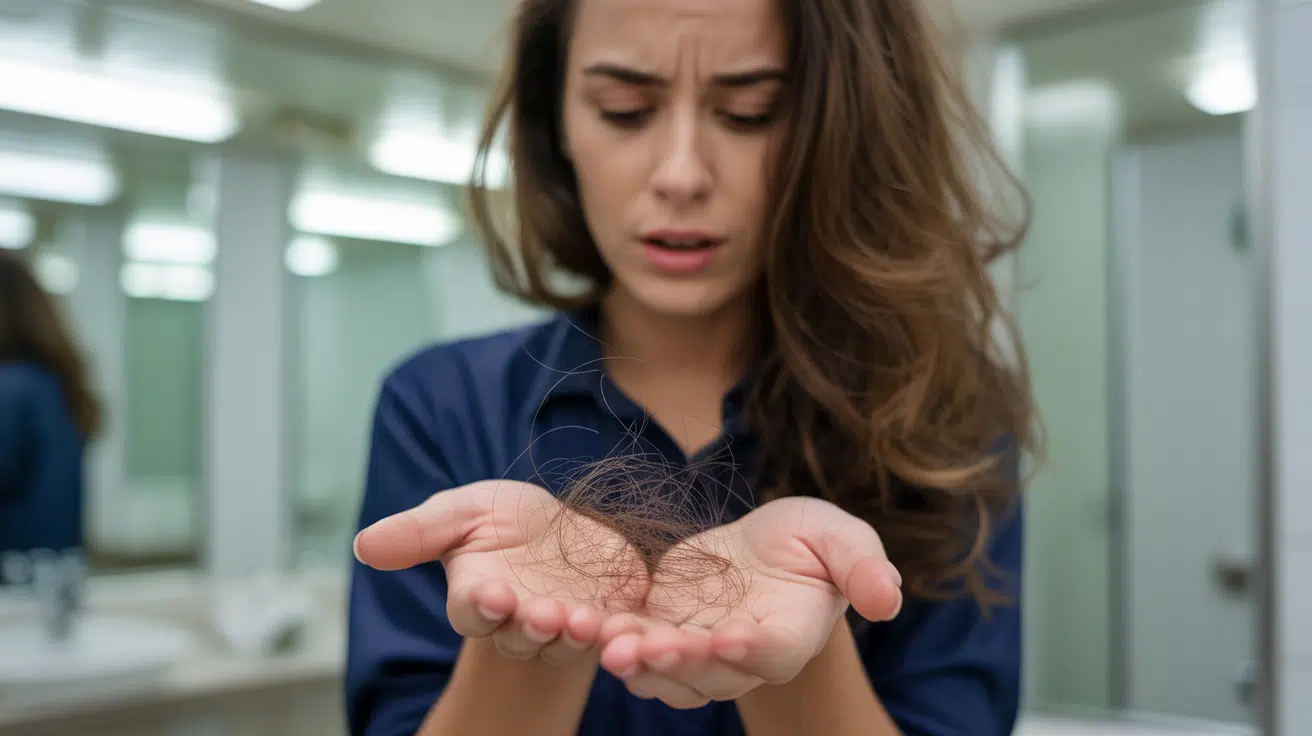
Here’s the relief you’re looking for: seeing hair falling out with white bulb doesn’t mean you’re losing that hair forever.
The white bulb is just the end of the hair strand, not the actual root.
Your follicle stays in your scalp, ready to grow new hair. In most cases, this type of hair loss is temporary.
Once you address the cause, whether it’s stress, poor nutrition, or hormones, your follicles bounce back. New hairs typically start growing within 3 to 6 months.
There are exceptions. Repeated traction from tight hairstyles over many years can damage follicles permanently.
But these situations are less common than temporary shedding.
The key is catching the problem early. So when should you actually be concerned?
When the White Bulb Signals a Problem?
Not every white bulb is cause for alarm, but certain signs mean it’s time to pay closer attention.
- Excessive daily shedding: Losing way more than 100 hairs a day, noticing clumps in the shower or handfuls when brushing.
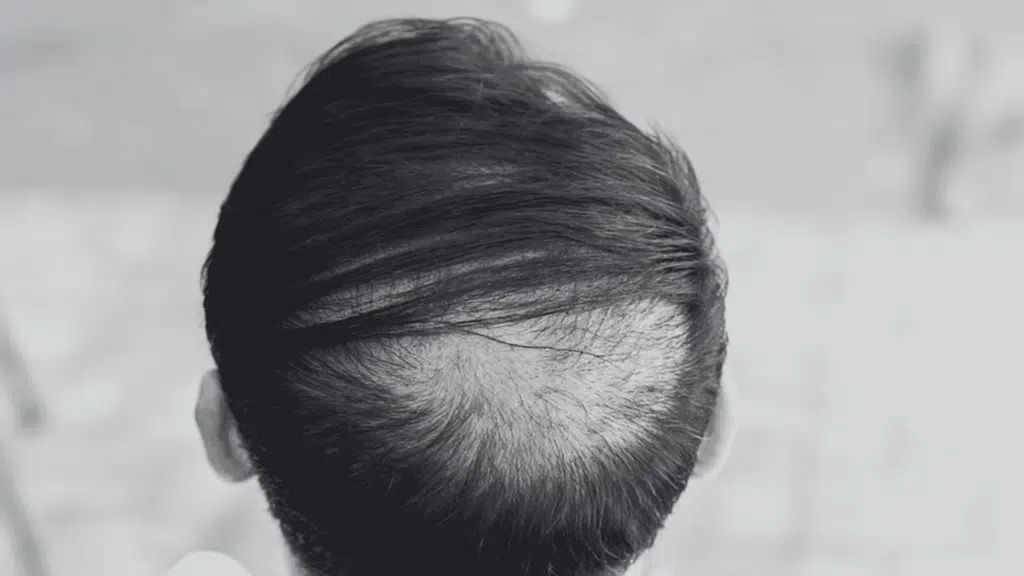
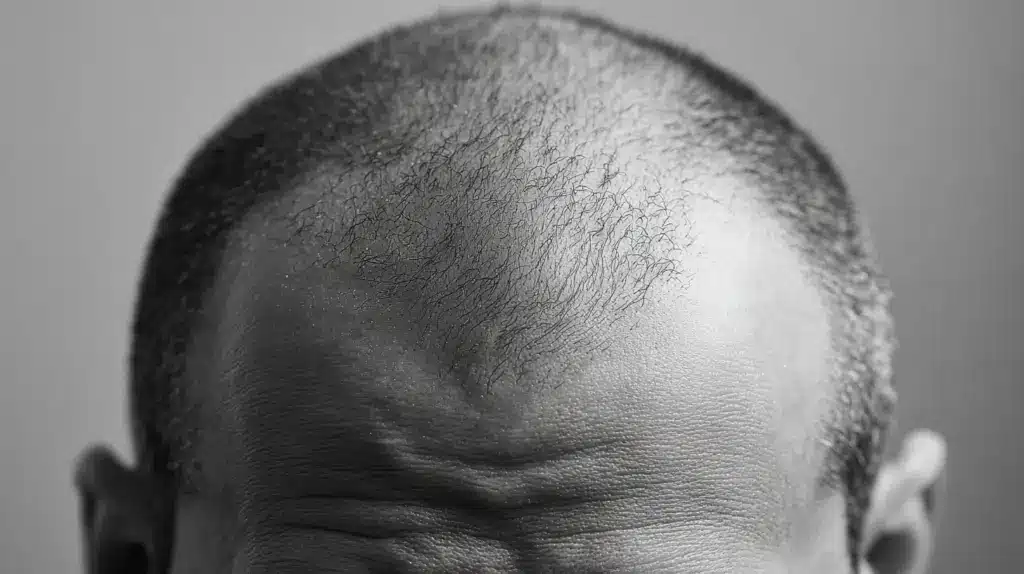
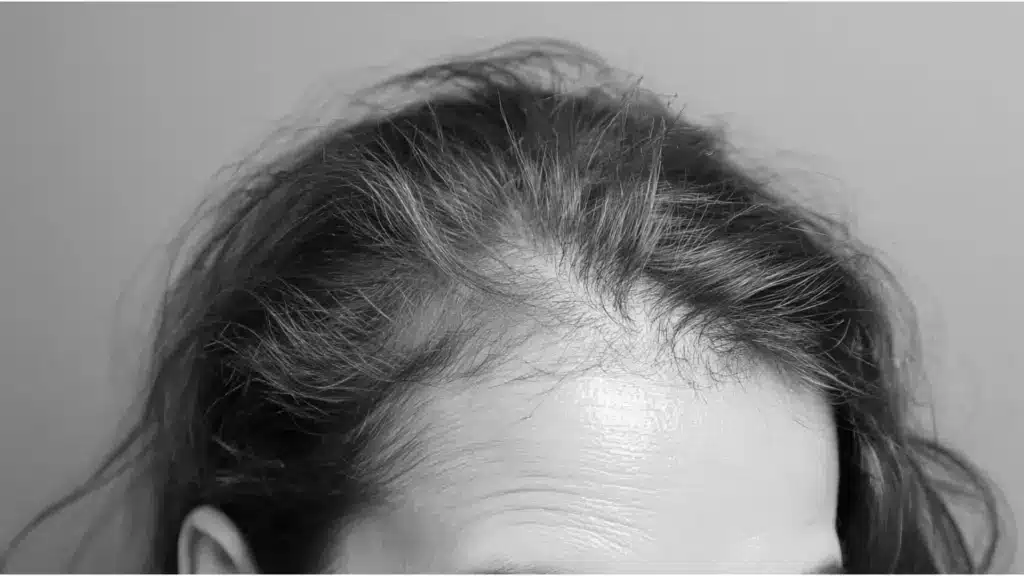
- Visible bald patches: Noticeable thinning areas or gaps in your hairline or crown.
- Prolonged shedding: Hair loss that continues for longer than 6 months without improvement.
- Clumping pattern: Hair coming out in clumps instead of single strands.
- Scalp symptoms: Shedding accompanied by pain, redness, itching, scaling, burning, or oozing.
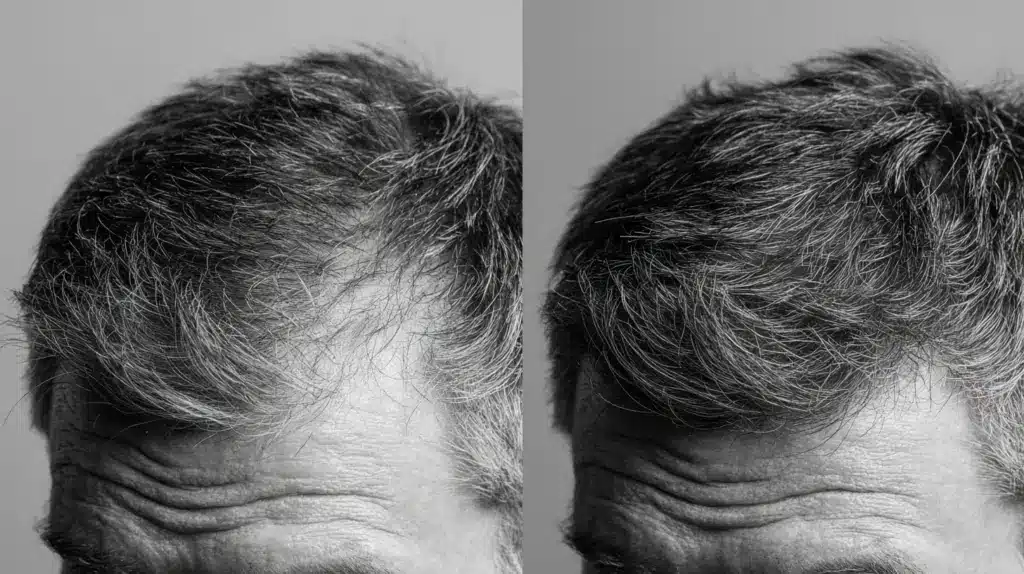
- Widening part: Your part is getting wider, or you can see more scalp than before.
- Post-event timing: Shedding that began after starting a new medication, major illness, or significant life change.
What to do Further?
Finding more hair than usual can be unsettling, but taking a systematic approach helps you figure out what’s going on and what to do next.
Step 1: Review Recent Stressors or Lifestyle Changes
Think back 2 to 3 months. Did you experience surgery, severe illness, crash diets, childbirth, or significant stress?
Identifying the trigger helps you understand if this is temporary shedding.
Step 2: Check for Scalp Symptoms
Look at your scalp in good lighting. Are there red patches, flaking, itching, or soreness? These signs point to scalp conditions that need treatment.
Step 3: Evaluate Hair Care Practices
Are you wearing tight ponytails daily? Using heat styling tools frequently? Applying harsh chemicals?
Simple changes in how you handle your hair can reduce unnecessary shedding.
Step 4: Consider Nutrient Support
Think about your diet. Have you been eating enough protein, iron-rich foods, and vegetables?
If you suspect nutritional gaps, get a blood test before starting supplements.
Step 5: Track Your Hair Loss for 2–4 Weeks
Count how many hairs you find on your pillow, in the shower, and when brushing. Note any patterns. This shows if the problem is improving and provides valuable information for your doctor if needed.
Taking these steps gives you a clearer picture of what’s happening.
Treatments That May Help Reduce Hair Loss
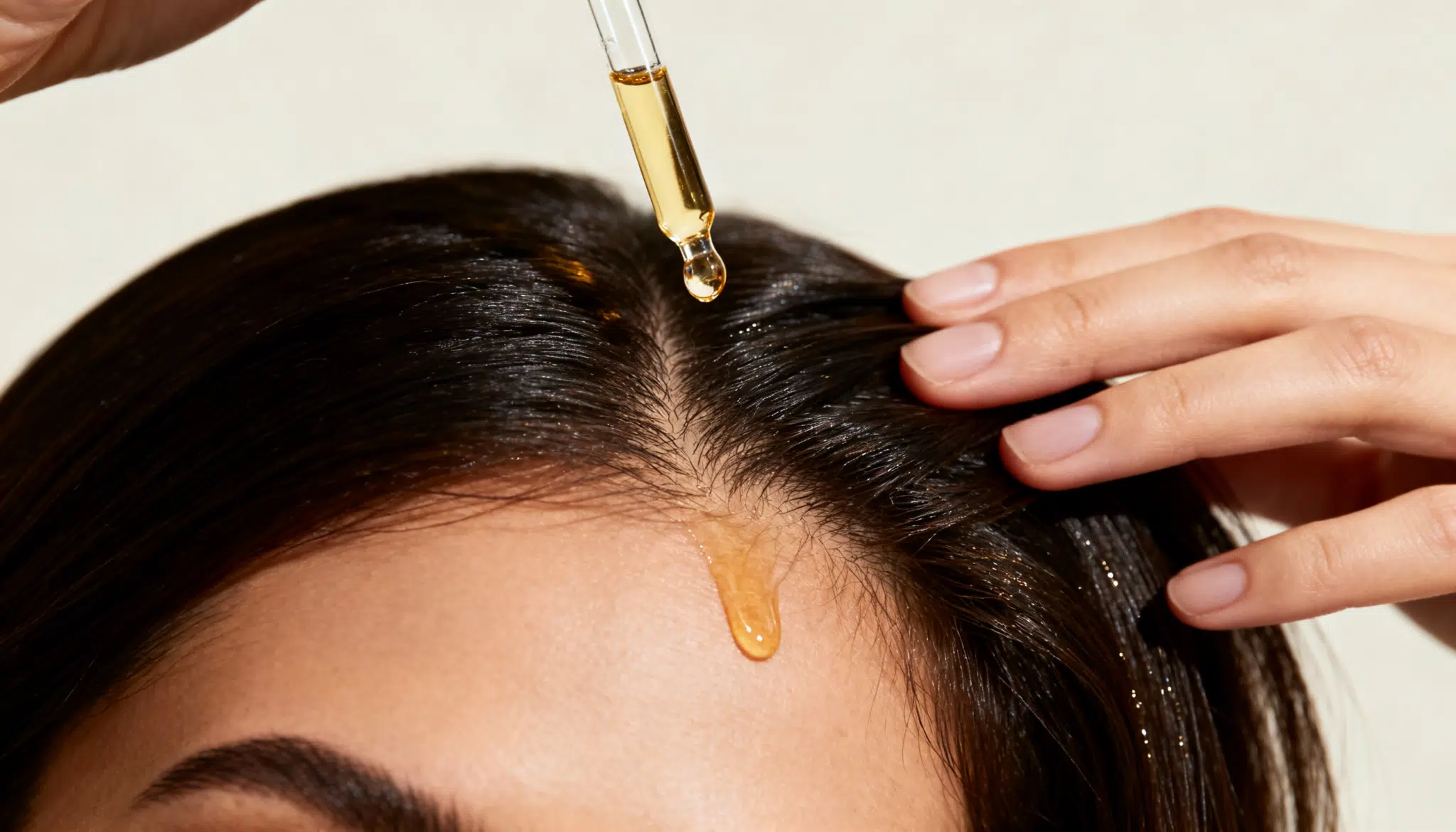
Once you’ve identified what’s causing your hair to fall out with a white bulb attached, you can start addressing it.
At-Home and Lifestyle Interventions
Be gentler with your hair. Use a wide-tooth comb, let it air dry when possible, and give tight hairstyles a break.
Daily habits that help:
- Wash hair 2 to 3 times a week
- Use lukewarm water
- Pat your hair dry gently
- Sleep on a silk or satin pillowcase
Manage stress through meditation or exercise. If you’ve identified a stressor from 2 to 3 months ago, give your body time to recover.
Nutritional Support
Focus on eating protein, iron-rich foods, and leafy greens. If blood tests confirm deficiencies, targeted supplements like iron, biotin, or vitamin D can help.
Don’t megadose without guidance. Too much of certain vitamins can worsen hair loss.
Dermatologist-Approved Options
Minoxidil is an over-the-counter option that stimulates follicles and slows shedding. For hormonal issues, doctors might prescribe medications.
Professional treatments include:
- Prescription-strength minoxidil
- PRP injections
- Low-level laser therapy
- Medicated shampoos for scalp conditions
When to Seek Professional Evaluation
Get help if shedding hasn’t improved after a month of tracking, or if you notice sudden severe shedding, bald patches, or scalp pain.
A dermatologist can examine your scalp and run tests to pinpoint the cause.
The sooner you get evaluated, the more treatment options you have. Now let’s talk about preventing excessive shedding in the first place.
Keeping Your Hair and Scalp Healthy
Seeing hair falling out with a white bulb at the end of the hair attached is usually part of your body’s natural cycle, not a sign of permanent loss.
Most causes are temporary and fixable once you identify the trigger.
Whether it’s stress, nutrition, hormones, or how you style your hair, small changes can make a real difference.
Pay attention to what your body’s telling you, and don’t hesitate to seek professional help when needed. Your hair has an amazing ability to bounce back.