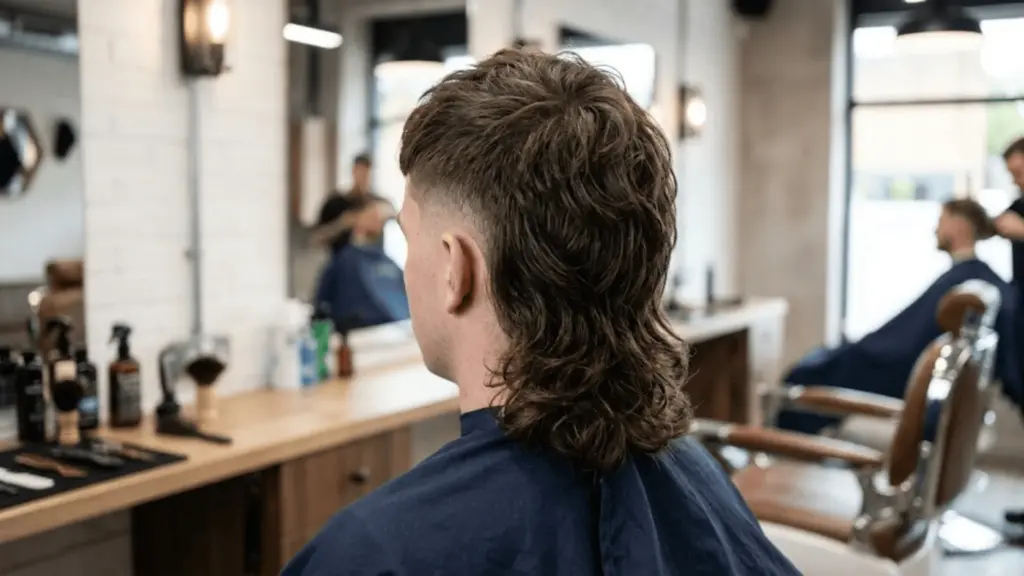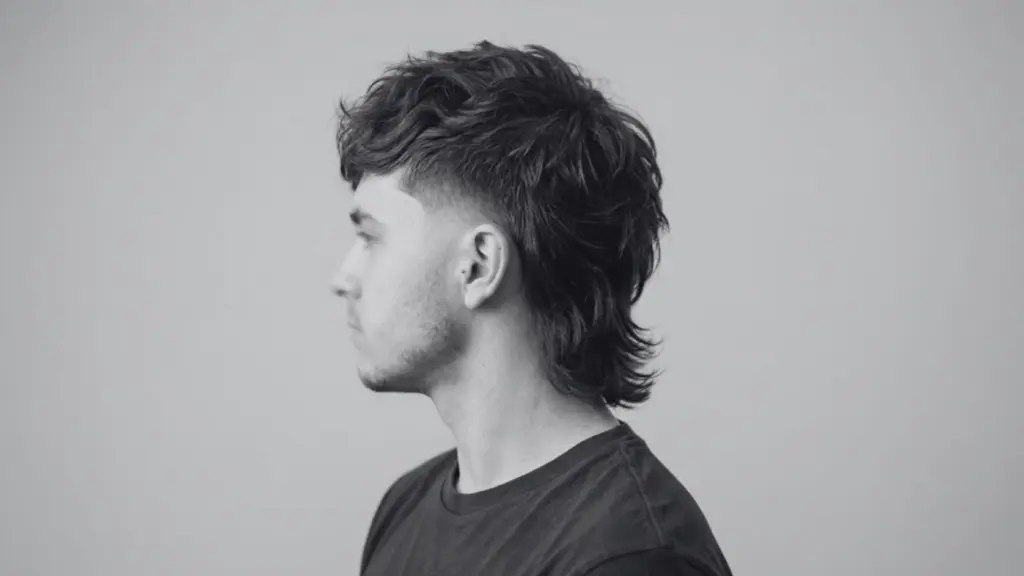


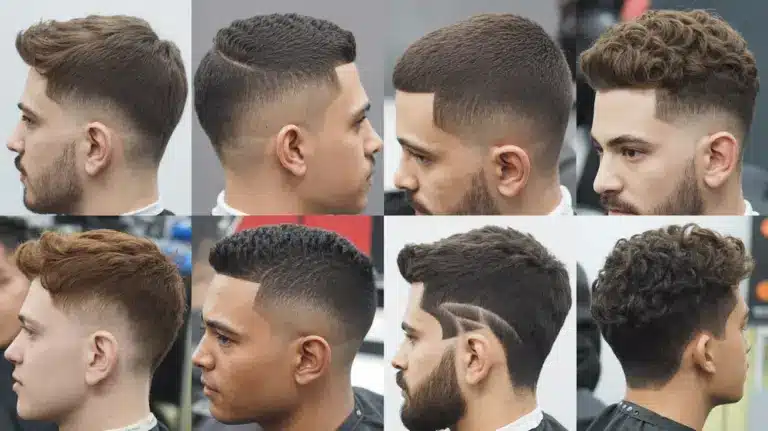
What most people do is that they visit the barber and tell them the type of haircut that doesn’t even match their face, or something totally different.
No reference photo, no real direction, just completely putting the trust in their barber.
A taper fade changes that. It looks sharp without trying too hard, and once you get into it, there are way more variations than you’d expect.
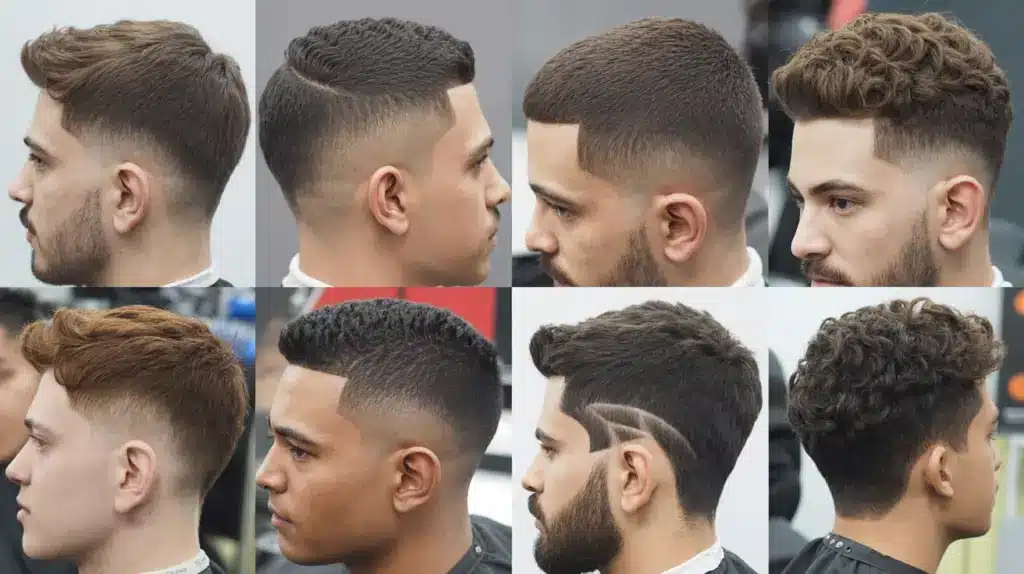
Different lengths, different finishes, some low-key, others more textured, like the taper fade textured fringe. Each one works differently depending on your hair type and face shape.
What is a Taper – Fade Haircut?
A taper is when hair gradually gets shorter toward the neck and ears.
A fade is when that length blends so smoothly into the skin that there’s barely a visible line. Put them together, and you get a taper.
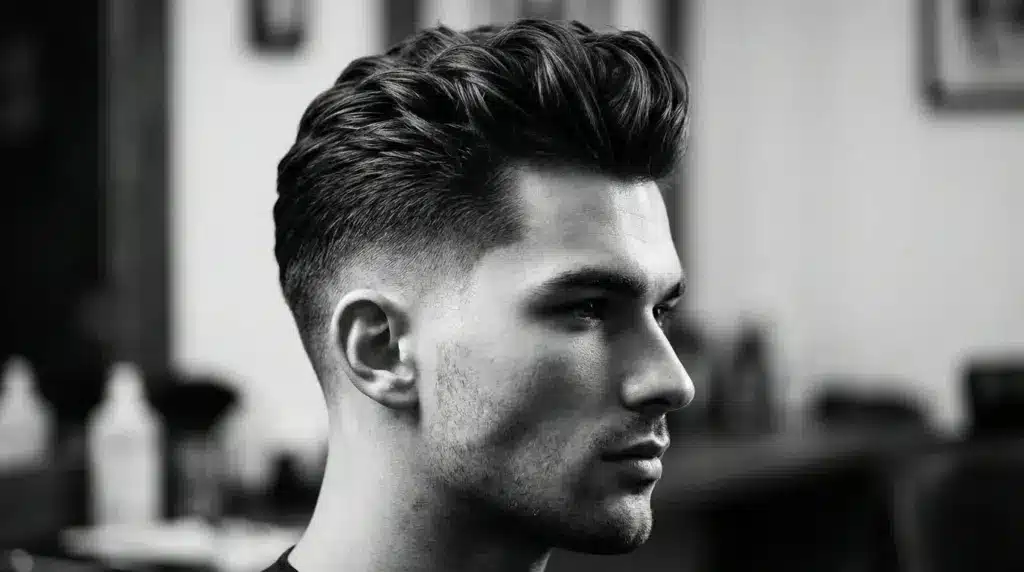
It starts longer on top and gets progressively shorter as it works down. The blend is what makes it work. No harsh lines, no choppy sections, just a clean, gradual transition.
That’s also what makes it so versatile. It works on most hair types, pairs well with almost any top style, and looks good whether you keep it neat or let it grow out.
Types of Tapers You Should Know
Not all tapers look the same, and that’s the point. Here are the main variations worth knowing before your next barbershop visit.
1. Low Taper
The low taper starts just above the ears and stays close to the natural hairline.
It’s one of the more subtle options, making it a solid pick for professional settings or for anyone who prefers a cleaner, understated look.
2. Mid Taper
The mid taper kicks in around the temple area, giving it more visibility than a low taper without going too dramatic.
It works across most face shapes and sits right in the middle ground between polished and relaxed.
3. High Taper
The high taper starts closer to the top of the head, which creates a stronger contrast between the sides and the hair on top.
It adds a bolder edge to the overall look and works especially well with fuller or thicker hair.
4. Skin Taper
The skin taper fades all the way down to bare skin, giving it the sharpest contrast of the bunch.
It looks clean and fresh right after a cut, but it needs more frequent touch-ups to keep the fade looking sharp.
5. Temple Taper
The temple taper focuses only around the temple area, leaving the rest of the hair at a more natural length.
It’s a subtle way to sharpen the profile without committing to a full fade across the sides.
Most barbers recommend a touch-up every 10–14 days for a skin fade, because hair grows about half an inch per month.
Fade vs Taper: What’s the Real Difference?
Both terms get thrown around a lot at the barbershop, but they are not the same thing.
| Feature | Taper | Fade |
|---|---|---|
| Where it starts | Near the ears and neckline | Can start anywhere on the head |
| How short it goes | Stays at a short length | Goes all the way to the skin |
| Visibility | Subtle and natural looking | More defined and high contrast |
| Maintenance | Grows out more gracefully | Needs more frequent touch-ups |
| Best for | Clean everyday looks | Bold statement styles |
| Works with | Most hair types | Most hair types |
| Formality level | Office and professional friendly | Casual to smart casual |
13 Taper Fade Hairstyles You Can Try
Not every taper cut works the same way. These 13 variations cover everything from subtle and clean to bold and textured.
1. Low Taper with Side Part
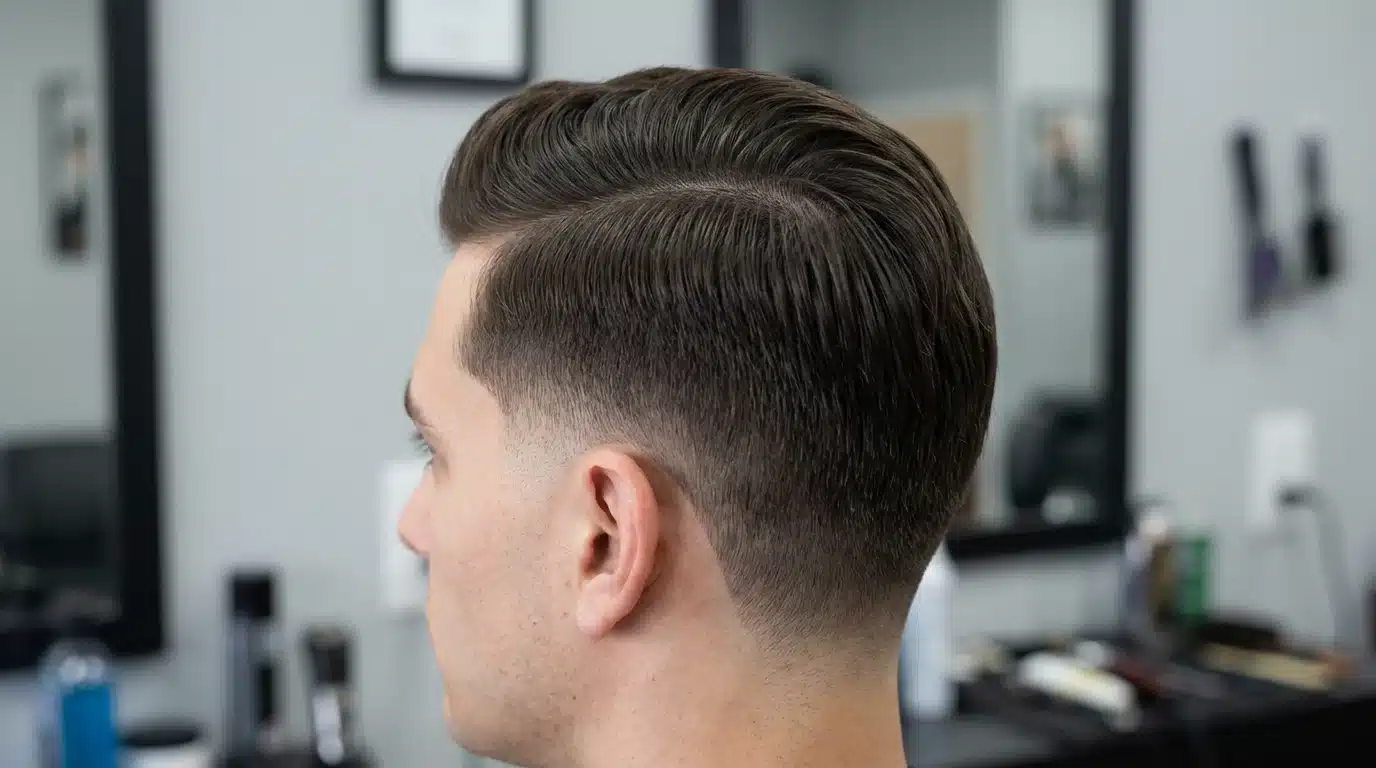
The fade sits low just above the ear with a clean side part on top. It suits straight to wavy hair and works equally well in professional or casual settings.
Best for: Professional and everyday wear
Ideal face shape: Oval and rectangular
2. Mid Fade with Textured Crop
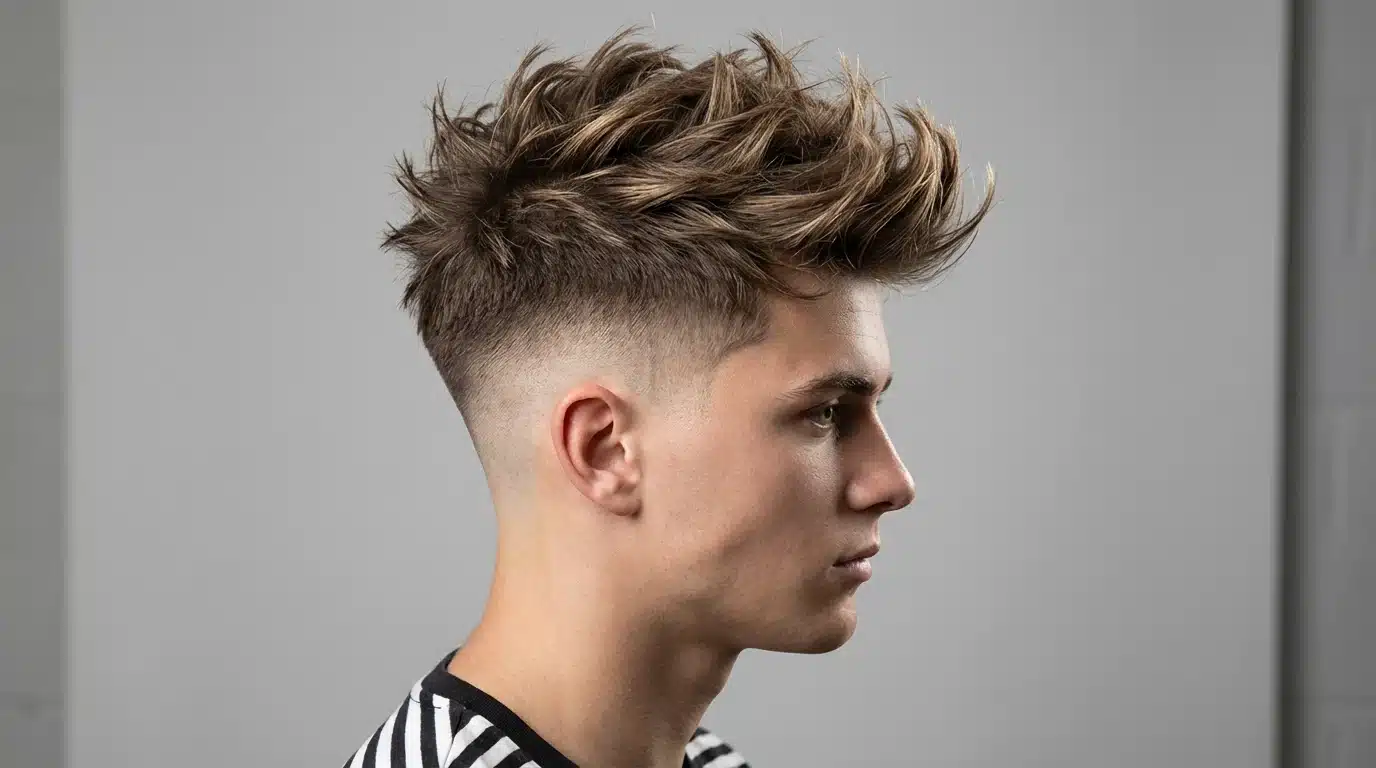
Short, textured crop on top with a mid-taper, adding contrast on the sides. Low-effort but still looks put together, with minimal product needed.
Best for: Thick or dense hair types.
Ideal face shape: Oval and square
3. High Fade with Quiff
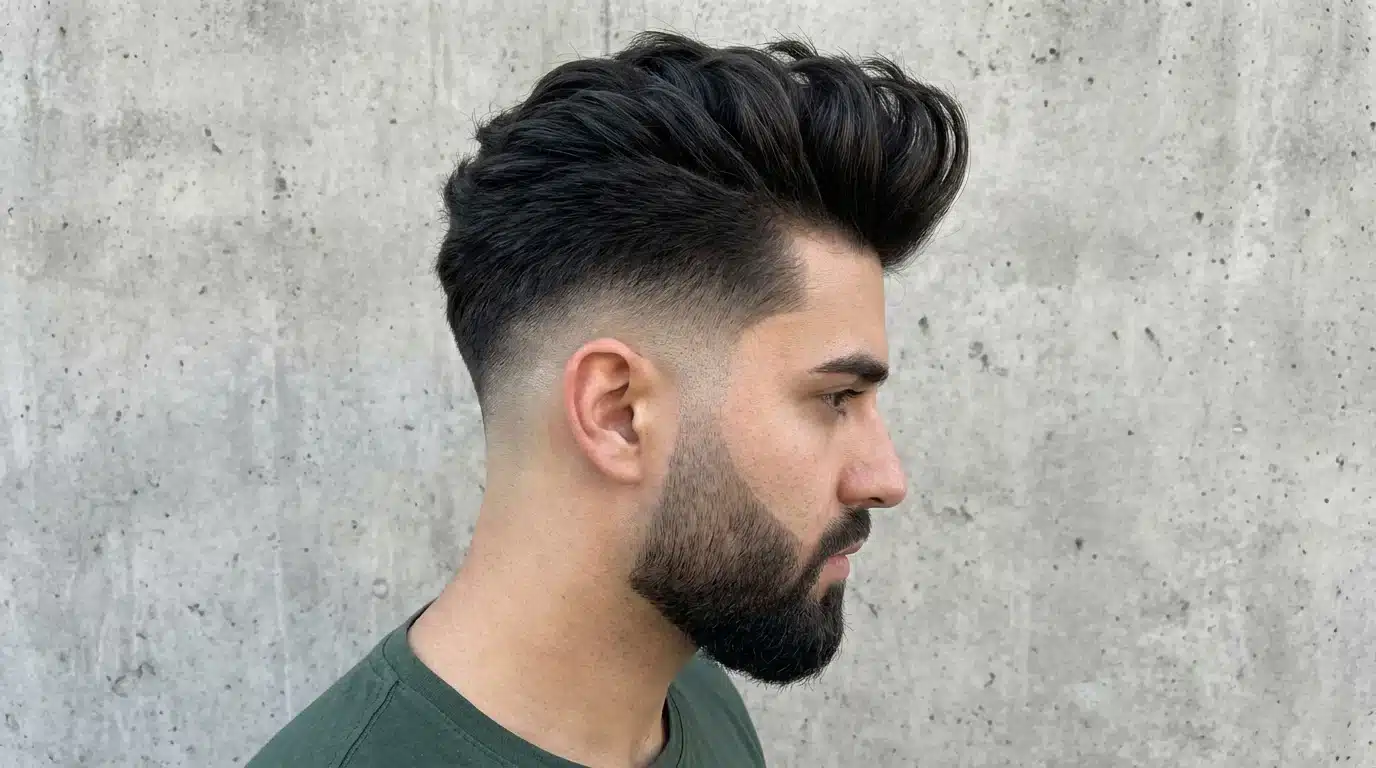
The quiff adds height on top while the high taper creates a strong contrast on the sides. Works well for longer face shapes where extra volume balances things out.
Best for: Bold everyday styling.
Ideal face shape: Long and oval
4. Taper with Pompadour
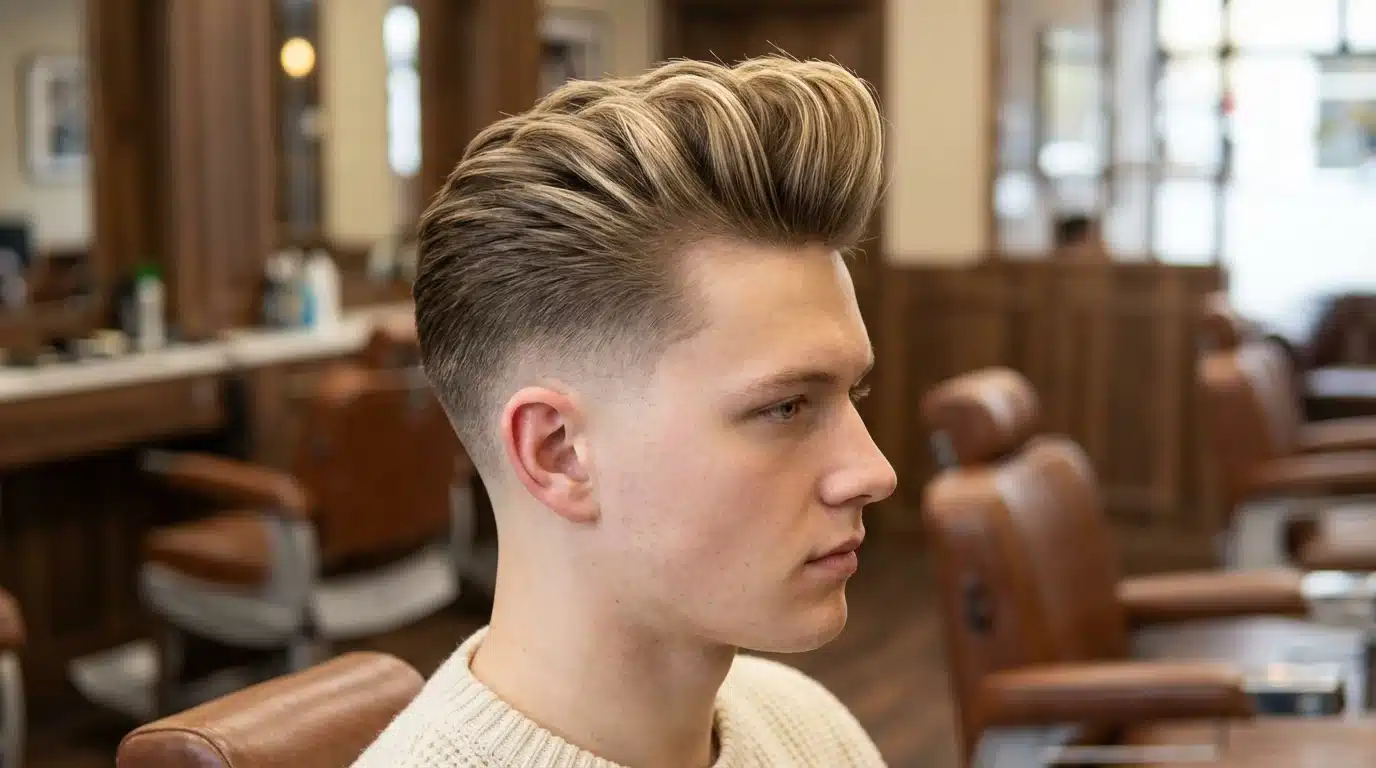
Hair sweeps back and up with the taper, keeping the sides clean. Works best on straight or slightly wavy hair and reads polished without feeling overdressed.
Best for: Strong jawlines and straight hair
Ideal face shape: Square and oval
5. Curly Top with Low Taper
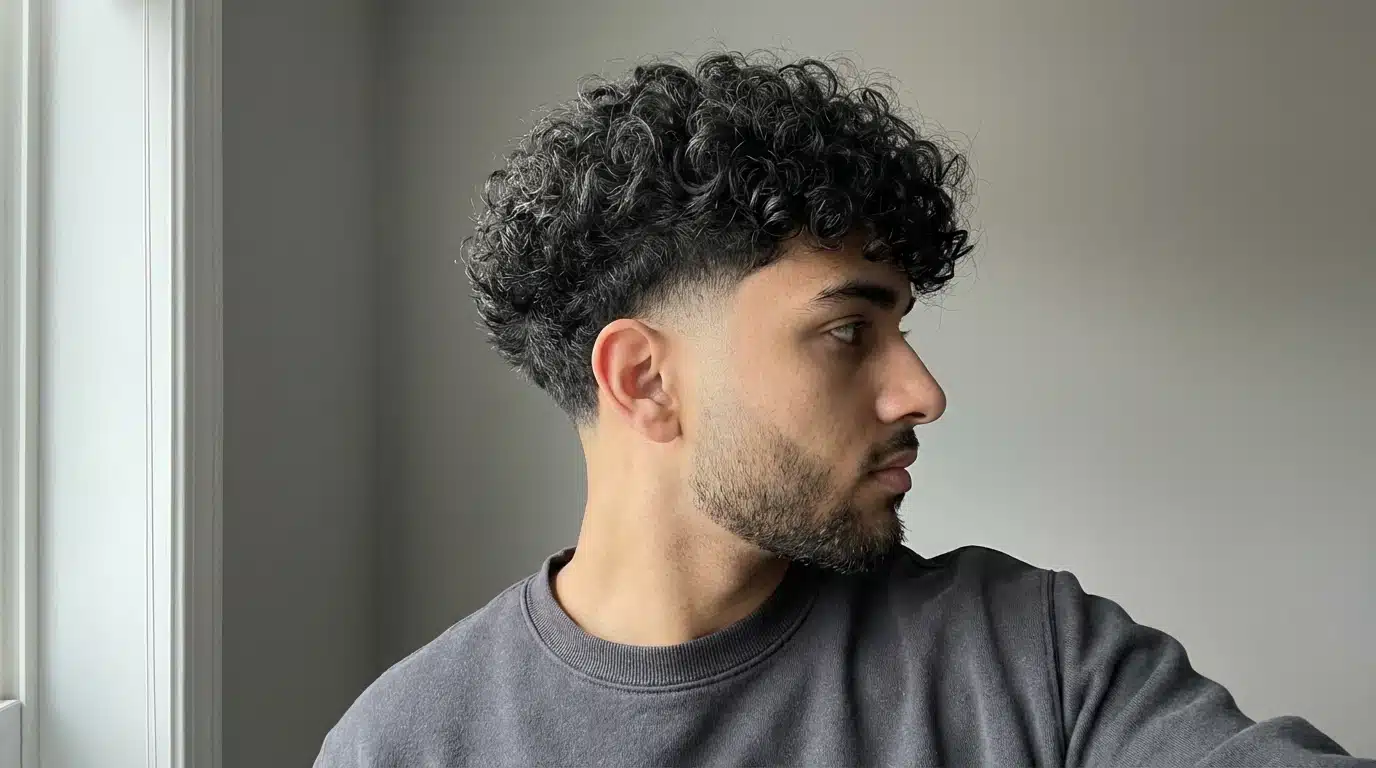
Full curl pattern on top with a gradual low taper on the sides. The contrast between curls and fade works especially well on type 3 and type 4 hair.
Best for: Type 3 and type 4 curl patterns
Ideal face shape: Oval and round
6. Taper with Slick Back
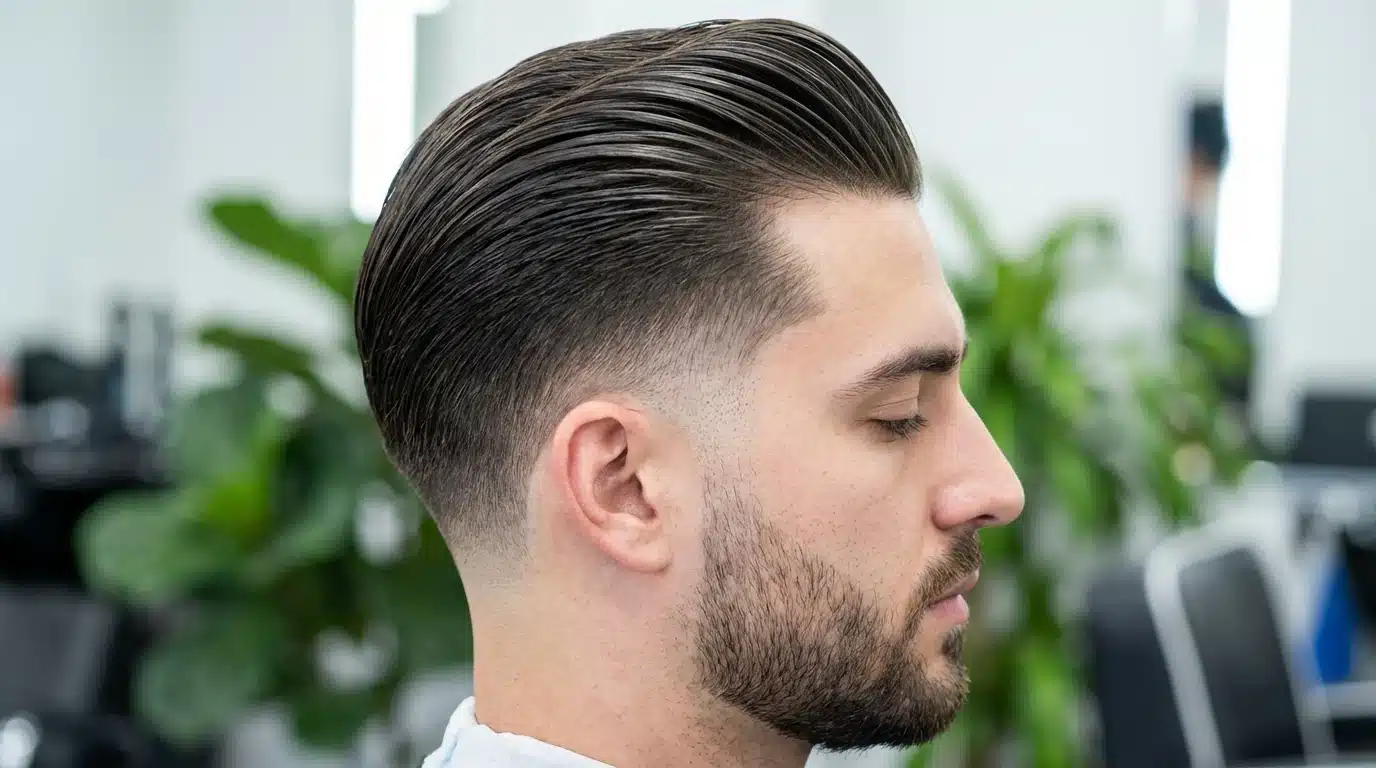
Hair gets pushed straight back with a tight fade on the sides. Works well for guys with medium- to thick-hair who want something polished and intentional.
Best for: Medium to thick straight hair
Ideal face shape: Round and heart-shaped
7. Taper Fade with Messy Fringe
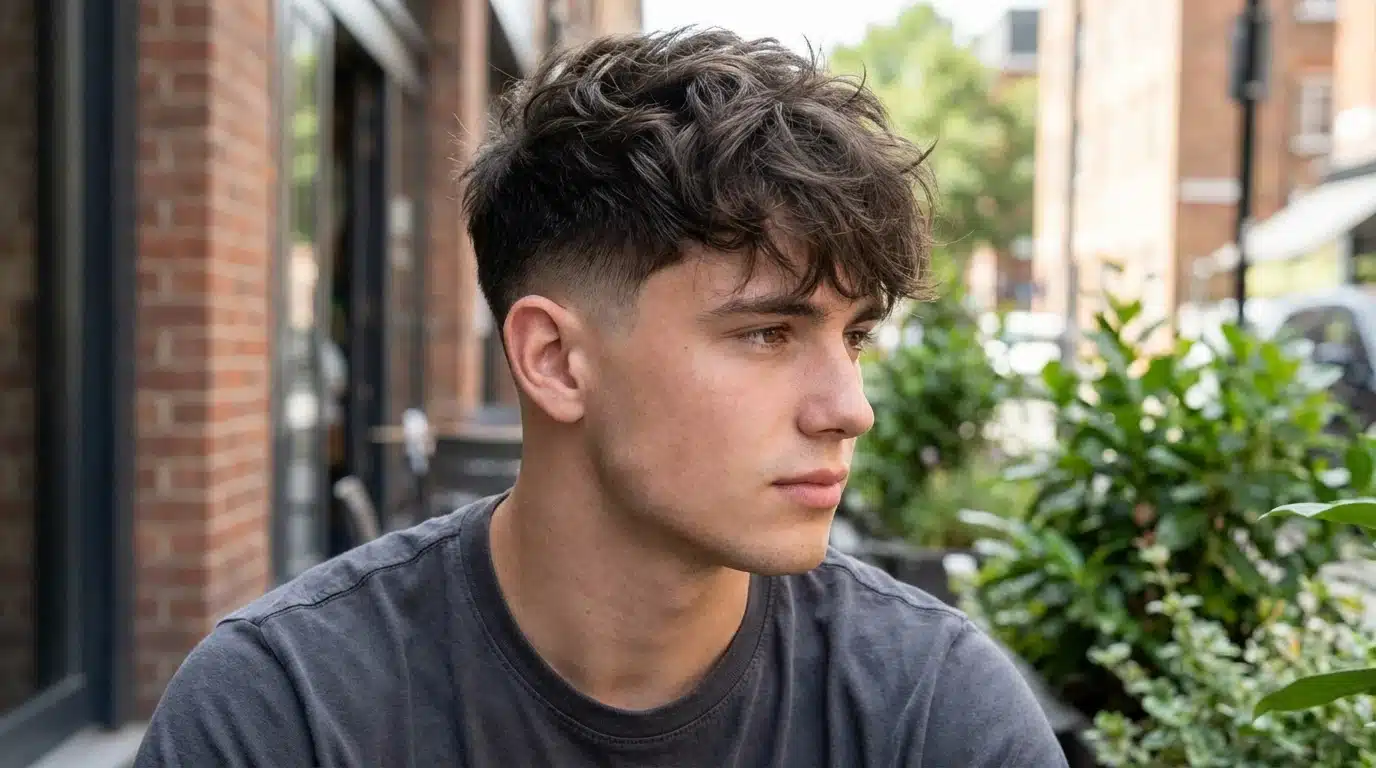
Lived in fringe sitting forward with a fade, keeping the sides clean underneath. Works well on wavy or thick hair and holds up without much styling effort.
Best for: Wavy or thick hair types.
Ideal face shape: Oval and square
8. Temple Taper with Textured Top
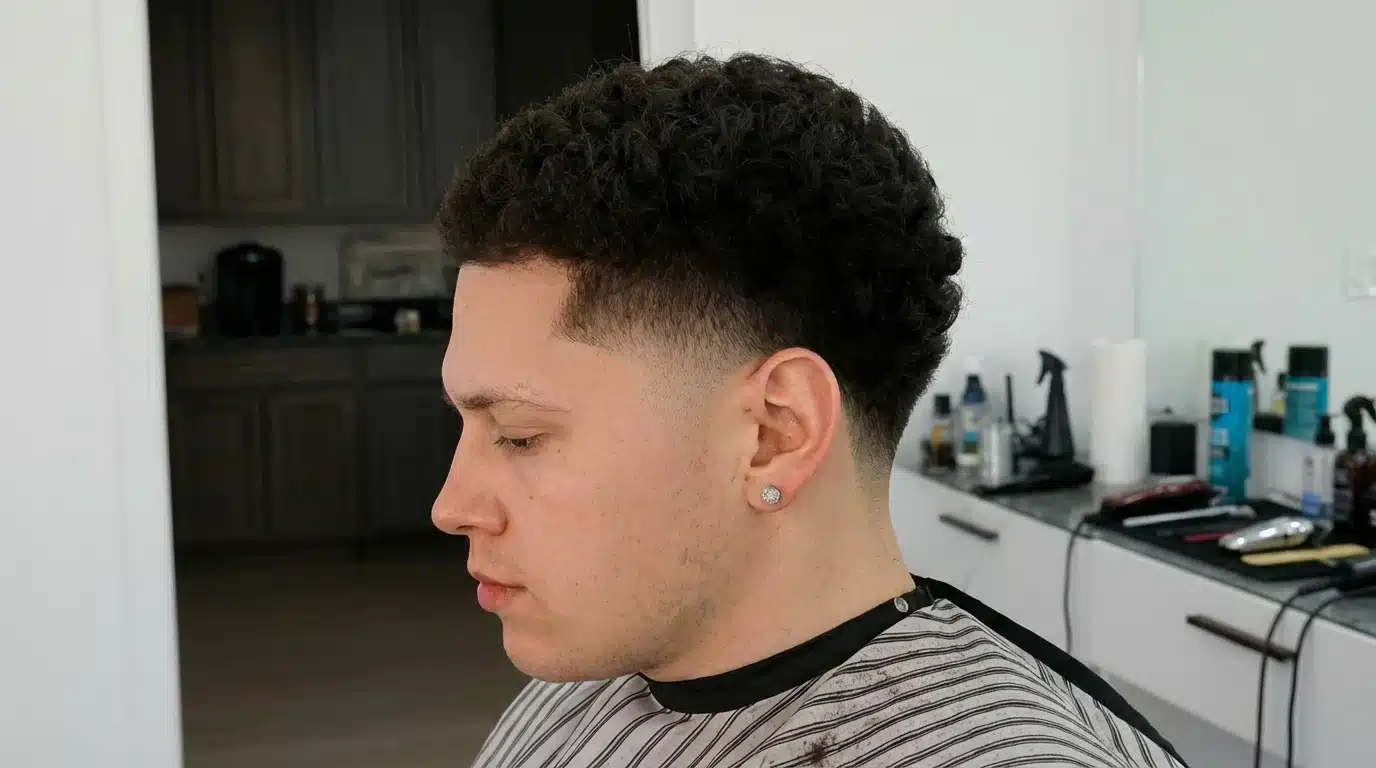
Temple taper sharpens the sides while the top stays natural and textured. A subtle option for guys who want some shape without committing to a full fade.
Best for: Guys wanting subtle refinement
Ideal face shape: Round and square
9. Skin Taper with Short Crop
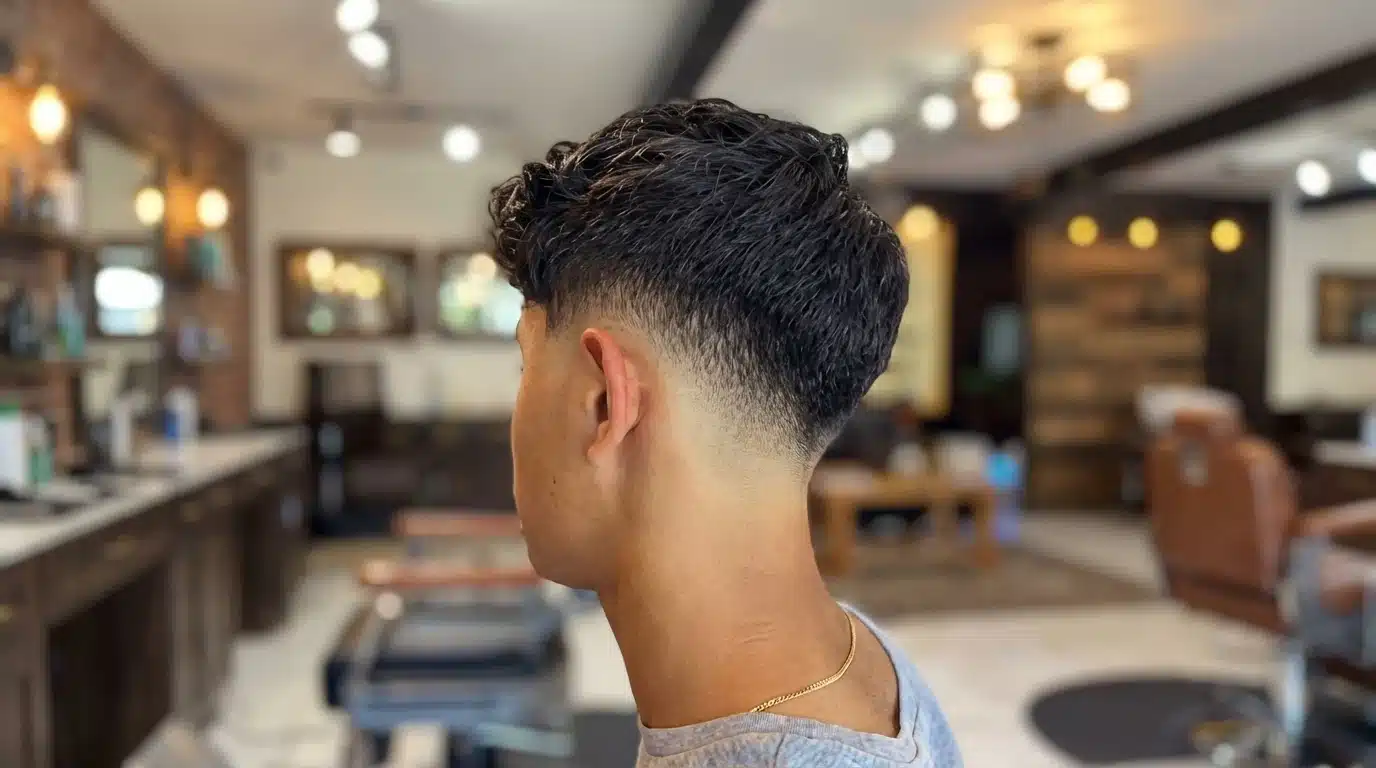
Short crop on top with the sides fading all the way down to bare skin. A high-contrast look that requires regular barber visits to stay fresh.
Best for: Frequent barber visitors
Ideal face shape: Oval and diamond
10. Taper with Beard Blend
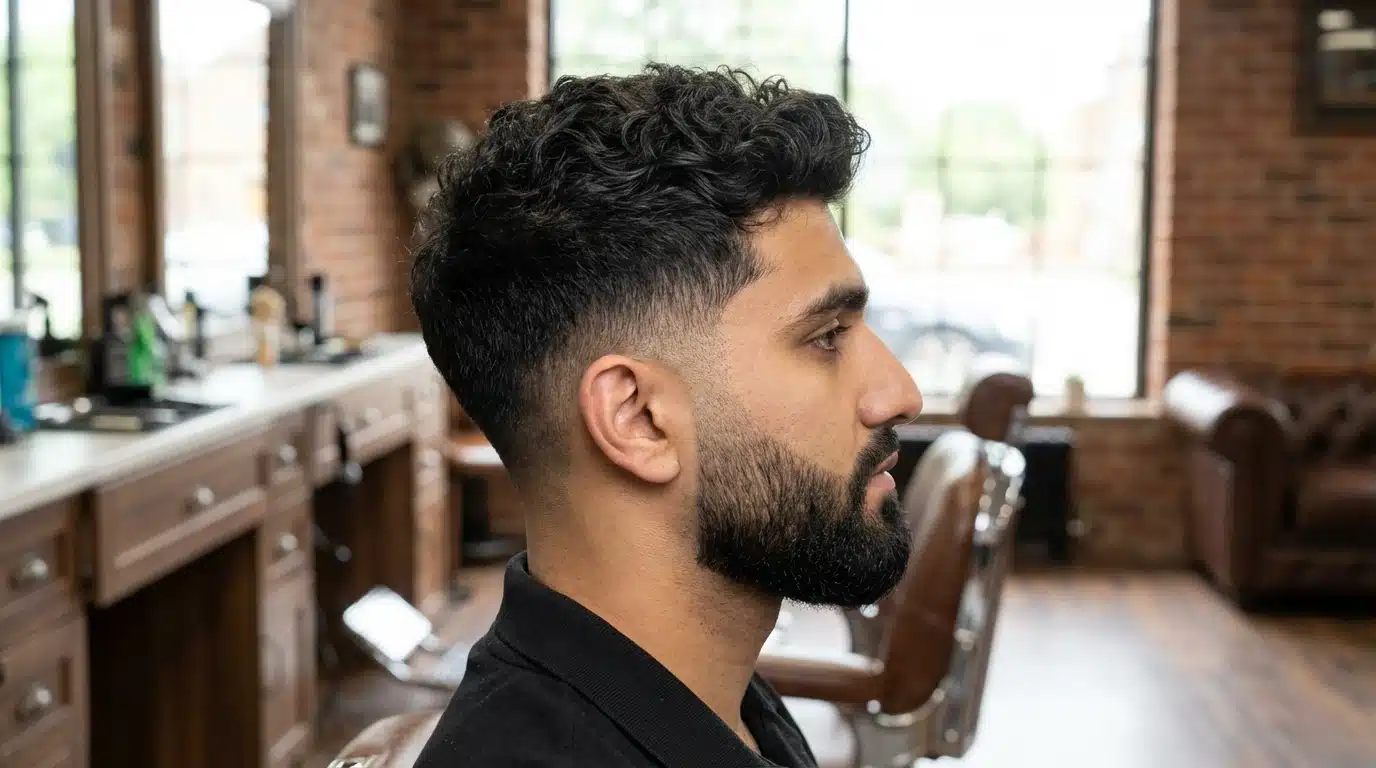
The fade transitions naturally into the beard line, making the whole look feel connected. Works best when the beard is already well-groomed and maintained.
Best for: Guys with maintained beards.
Ideal face shape: Round and square
11. Mid Taper with Spiky Texture
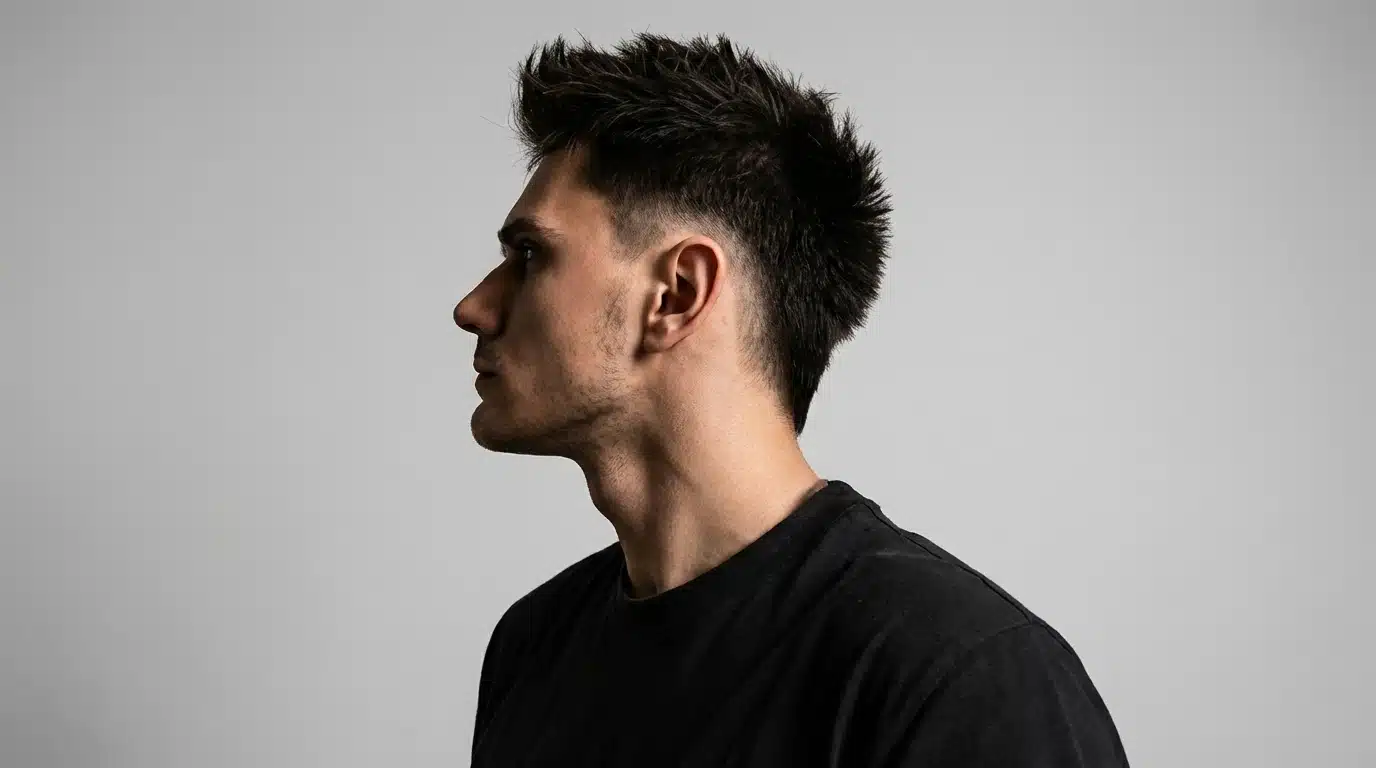
Short spikes on top with a mid taper adding contrast on the sides. Thick or coarse hair holds the texture better and keeps the spikes defined throughout the day.
Best for: Thick or coarse hair types.
Ideal face shape: Oval and long
12. Low Taper with Long Wavy Top
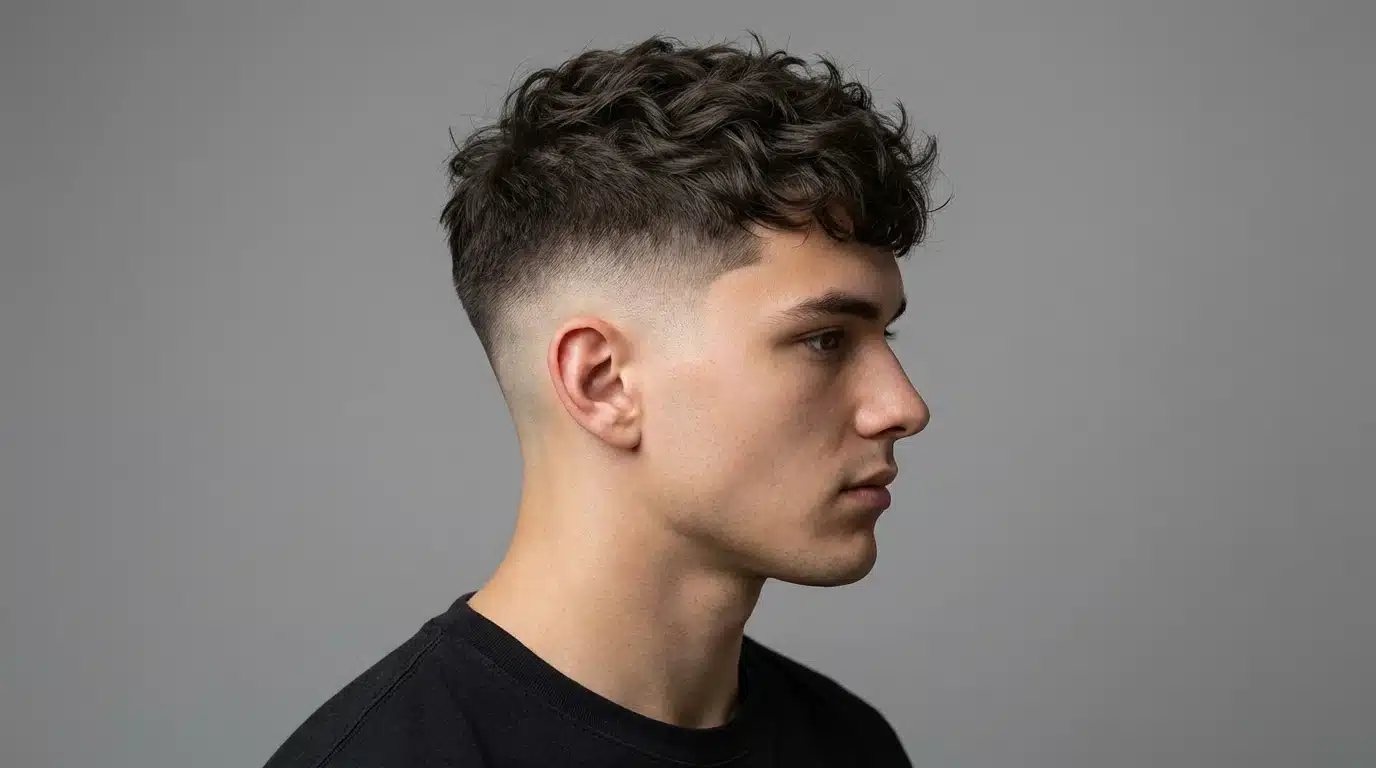
Longer wavy hair on top moves naturally while the low taper keeps the sides subtle. A relaxed option for guys growing their hair out who still want some structure.
Best for: Guys growing out their hair.
Ideal face shape: Oval and heart-shaped
13. Taper Fade Textured Fringe
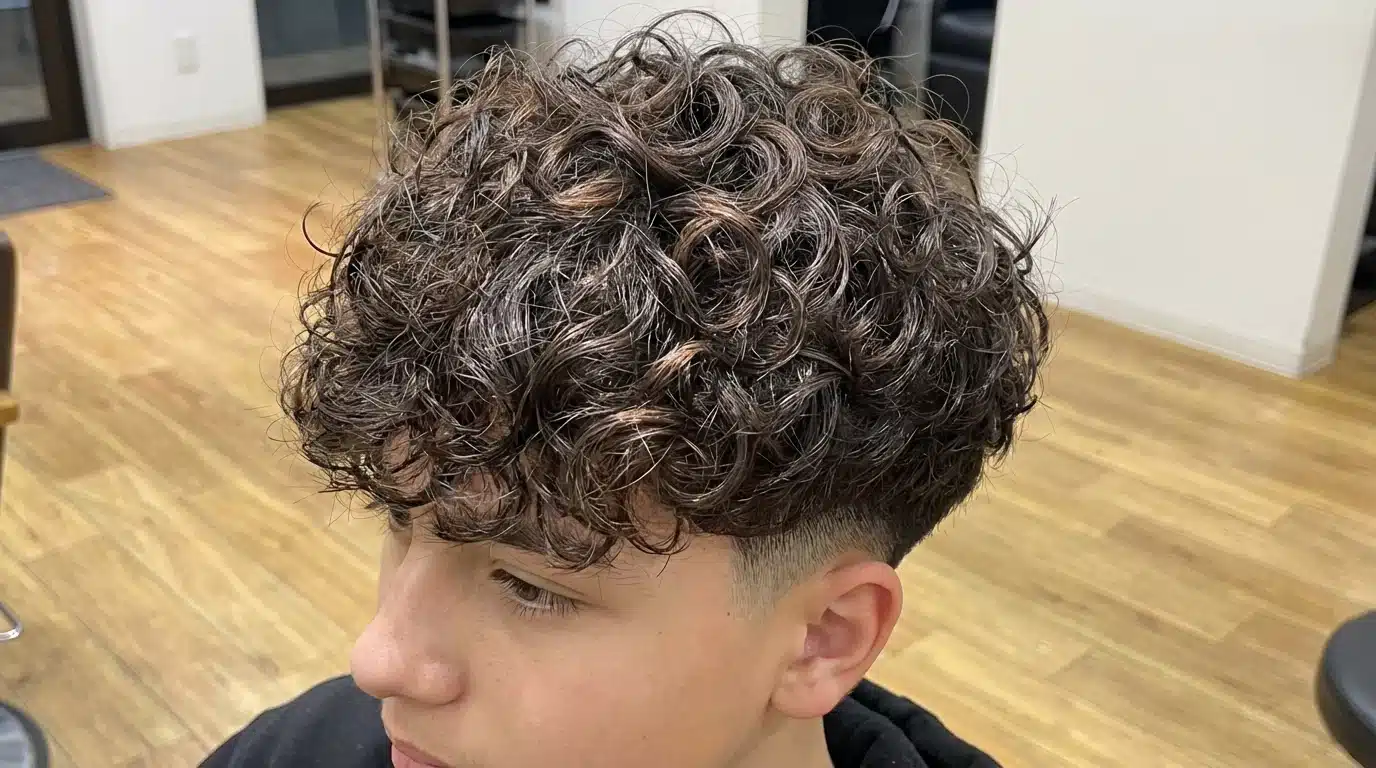
Length stays at the front with added texture pushed slightly forward, and a clean fade on the sides. Works really well on wavy or thick hair and frames the face naturally.
Best for: Wavy and thick hair types
Ideal face shape: Oval and rectangular
How to Choose the Right Fade for You
Picking the right taper comes down to three things. Face shape, hair type, and how much time you’re willing to spend on it.
Based on Face Shape
- Round: High taper adds length and balances out the width
- Oval: Most tapers work without throwing off the proportions
- Square: Low or mid taper keeps the jawline from looking too wide
- Heart: Low taper with some volume on the sides balances a narrower chin
Based on Hair Type
- Straight: Most tapers work well, mid or high gives the most definition
- Wavy: Textured top with a mid taper lets the natural movement do the work
- Curly: Low or mid taper keeps curls full on top with clean sides
- Thick vs Fine: Thick hair suits any variation, fine hair sits better with a low or mid taper
Fine hair also tends to show clipper lines more easily, so ask your barber to use a longer guard on the blend, a 1.5 instead of a 1.
Based on Lifestyle
- Low maintenance: Low taper grows out cleanly without frequent touch-ups
- Active: Short textured mid taper stays neat without daily styling
- Professional: Low taper with a clean style on top keeps things work appropriate
- Style conscious: High taper or skin fade gives the most visual impact
Things I Wish I Knew Before Getting a Fade
Nobody really tells you this stuff before your first taper. Learned most of it the hard way.
- The length on top matters as much as the fade itself. Get that wrong and the whole cut looks off
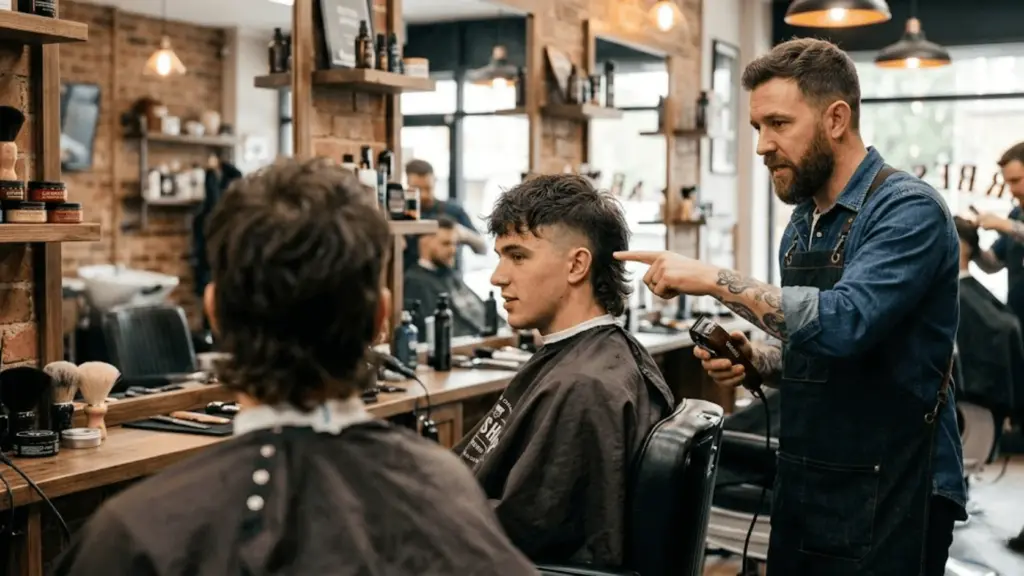
- Photos help more than words. Describing a fade to a barber without a reference rarely ends well
- Not all barbers cut fades the same way. Finding one who does it well makes a bigger difference than expected
- Hair type affects how the fade looks. A skin fade on fine hair looks different from the same cut on thick hair. To better understand your hair type, see MedlinePlus, which covers common hair and scalp conditions.
- Fades grow out faster than you think. Budget for more frequent cuts if you want it looking fresh consistently
- The first cut is rarely perfect. It usually takes a visit or two before the barber really nails what you’re after
Conclusion
A good taper fade isn’t just about looking sharp. It’s about finding what actually works for your hair type, face shape, and daily routine.
Once the right cut was clicked, everything just looked better without trying as hard.
That’s what knowing your options does for you.
Pick the variation that fits your life, show your barber a reference photo, and let the cut do the rest.
A barber who cuts your hair regularly will also notice changes in your hair density or scalp health over time, which is worth more than any one-off visit.
Frequently Asked Questions (FAQs)
1. How Often Should I Get a Taper Fade Touched Up?
Low tapers last 3 to 4 weeks. Skin fades need a touch-up every 1 to 2 weeks.
2. Is the Taper Fade Suitable for All Hair Types?
Yes. Straight, wavy, curly, and coarse hair all work well with a taper fade variation.
3. Can a Taper Fade Work with A Beard?
Yes. The fade blends naturally into the beard line, making the overall look feel more intentional.