

Your scalp is itching like crazy. You scratch, and that’s the beginning of a rough downhill.
It’s red, and suddenly you’re stuck in this frustrating cycle of irritation and itching. Maybe you’ve tried different shampoos or home remedies, but nothing seems to work. Sound familiar?
Scalp inflammation isn’t just about an itchy head. It can affect your confidence, your sleep, and your daily comfort.
Understanding what’s causing it can help you find real relief.
What is Scalp Inflammation?
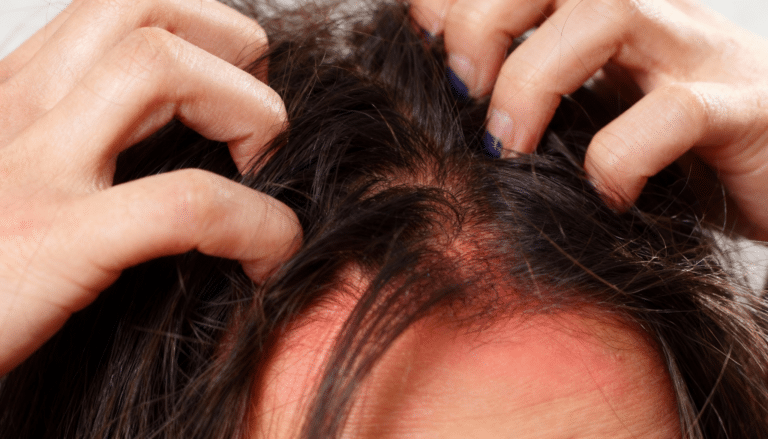
Inflammation of the scalp arises when your scalp is irritated, red, and often uncomfortable.
Think of it as your skin’s way of saying something’s wrong. Your scalp feels tender to the touch, looks pink or red in patches, and itches more.
Sometimes you’ll even notice flaking or small bumps forming. This sounds serious, right?
There are even a few types of scalp inflammation:
- Seborrheic dermatitis: Yellowish scales on your scalp
- Contact dermatitis: A reaction to something you used on your scalp
- Folliculitis: When your hair follicles get infected or inflamed
- Psoriasis: Thick, silvery scales on your scalp
- Eczema: Makes your scalp dry, itchy, and sensitive
And do you know what? Scalp inflammation and hair loss often go hand in hand.
When your scalp stays inflamed for too long, it can weaken hair follicles, making your hair more likely to fall out.
Noticing inflammation early creates a huge difference. Once you understand, you can take steps to calm things down and protect your hair.
What Causes Scalp Inflammation?
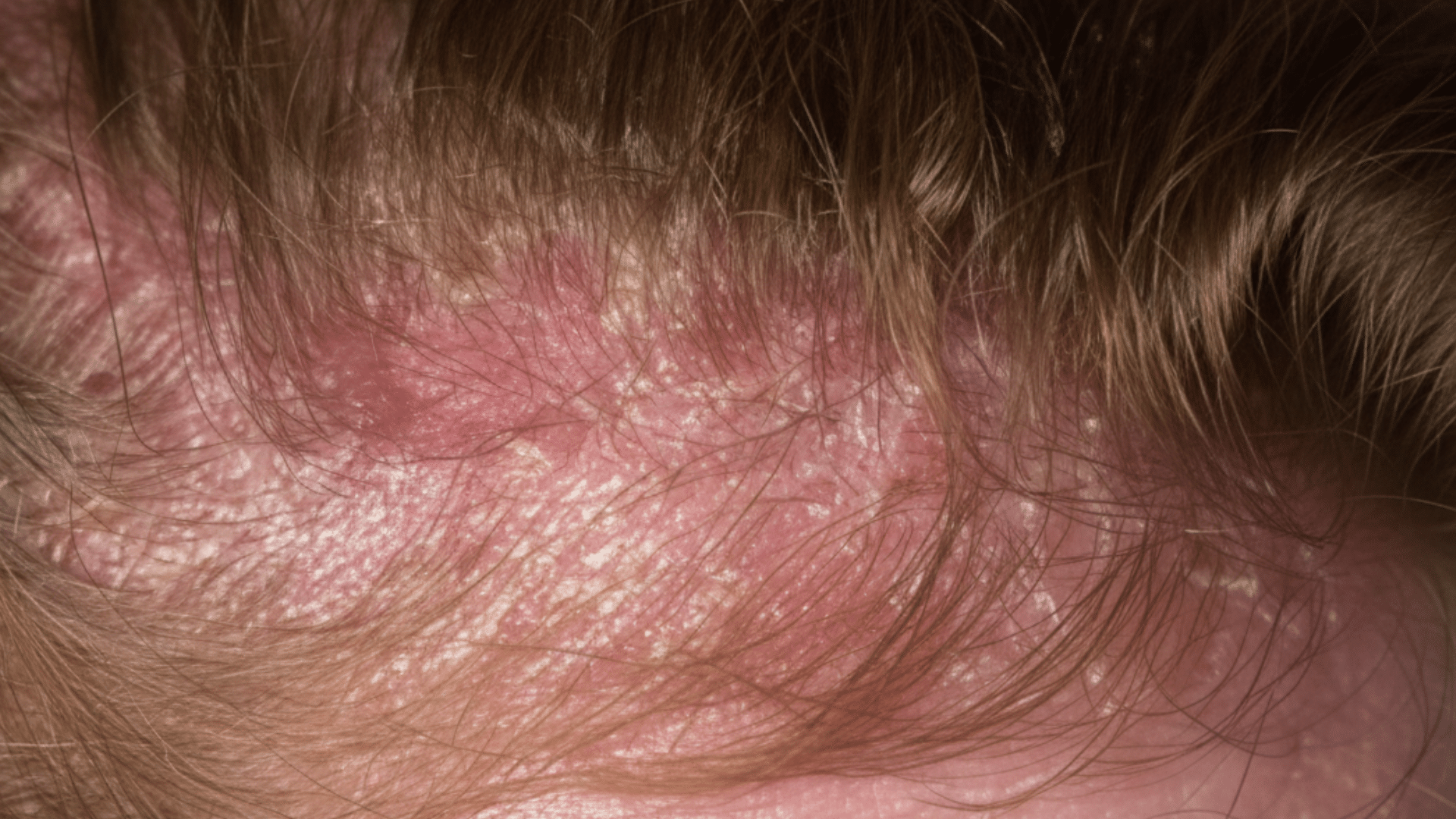
Wondering what’s triggering your scalp issues? Here are the main culprits behind the inflammation of your scalp.
1. Fungal Infections
Malassezia, a yeast that naturally lives on your scalp, feeds on the oils your scalp produces, leading to an overgrowth.
When it gets out of control, it tends to cause irritation, flaking, and persistent itching.
Potential Treatment: Use antifungal shampoos with ketoconazole or selenium sulfide 2-3 times weekly.
2. Allergic Reactions
Your scalp doesn’t like something you’ve used and probably reacted to it. Hair dyes, shampoos, conditioners, or even a new gel you tried can trigger inflammation.
Your immune system sees these products as threats and fights back, causing redness and discomfort that can last for days.
Potential Treatment: Stop using the irritating product and switch to hypoallergenic, fragrance-free alternatives.
3. Bacterial Infections
Bacteria can sneak in through tiny cuts or damaged hair follicles easily.
Staphylococcus aureus and other bacteria can cause painful bumps and inflammation that won’t clear up on its own. You might notice pus-filled spots or tender areas on your scalp.
Potential Treatment: Use prescribed topical or oral antibiotics and keep the scalp clean.
4. Autoimmune Conditions
Your body attacks itself by mistake. With psoriasis, your immune system speeds up skin cell production, creating those thick, scaly patches.
Eczema involves an overactive immune response leading to skin barrier damage, leaving your scalp dry and vulnerable.
Potential Treatment: Use medicated shampoos with coal tar or salicylic acid and prescription corticosteroid lotions.
5. Poor Hygiene
Not washing your hair regularly lets oil, dead skin, and product buildup accumulate, which then becomes the breeding ground for bacteria and fungi.
The trapped gunk clogs your pores and irritates your scalp, making inflammation worse over time.
Potential Treatment: Wash hair 2-3 times weekly with a gentle clarifying shampoo.
6. Excessive Oil Production
Some people naturally produce more sebum. This can clog pores and hair follicles.
When oil traps dirt and dead skin cells, it leads to inflammation and sometimes acne on the scalp. This sounds terrifying, doesn’t it?
Potential Treatment: Use oil-control shampoos with salicylic acid or tea tree oil.
7. Harsh Hair Products
Sulfates, alcohol, and strong chemicals strip away your scalp’s natural oils.
This damages your skin barrier, leaving your scalp vulnerable and irritated. What’s supposed to clean your hair ends up hurting your scalp instead.
Potential Treatment: Switch to sulfate-free, gentle shampoos and moisturizing conditioners.
8. Heat Styling Damage
Frequent use of blow dryers, straighteners, and curling irons can burn and irritate your scalp.
The high temperatures don’t just damage your hair; they can actually injure the sensitive skin underneath, especially if you’re not careful with temperature settings.
Potential Treatment: Reduce heat styling, use heat protectants, and lower temperature settings.
9. Stress
Stress can trigger inflammation, worsen existing conditions, and even cause your scalp to produce more oil.
Just know, your body’s stress response affects everything, leading to scalp inflammation and hair loss, nonetheless.
Potential Treatment: Practice stress management like meditation or exercise and get 7-9 hours of sleep.
10. Hormonal Changes
Pregnancy, menopause, or thyroid issues affect how your skin behaves. You might notice your scalp getting oilier or drier when experiencing hormonal changes.
Fluctuating hormones can also make existing scalp conditions flare up unexpectedly, and if left untreated, they can worsen over time.
Potential Treatment: Consult your doctor about hormone regulation and adjust hair care routine accordingly.
11. Weather and Environmental Factors
Be it cold, dry winter air or summer humidity, it can affect your scalp harshly.
Winters can make your scalp flaky and irritated. While in the summer, you experience increased oil production and sweating.
Pollution and hard water are also among the biggest contributors to scalp irritation and buildup.
Potential Treatment: Wear a hat in extreme weather and install a shower filter for hard water.
Signs of Scalp Inflammation
Watch for these symptoms that indicate scalp inflammation:
Physical symptoms:
- Persistent itching
- Pain or tenderness when touching scalp
- Burning or tingling sensation
Visible changes:
- Redness or pink patches
- Flaky skin or dandruff
- Small bumps or pimples
- Swelling in affected areas
Hair changes:
- Excessive shedding (over 100 hairs daily)
- Hair breaking near roots
- Thinning patches
See a dermatologist if symptoms persist beyond two weeks. Untreated inflammation can permanently damage hair follicles.
Simple Ways to Feel Better
Switching to gentle, sulfate-free shampoos
Look for products with soothing ingredients like tea tree oil, aloe vera, or chamomile that won’t strip your scalp’s natural oils.
Give your scalp regular breaks from heat styling
Let your hair air dry when possible, and keep styling tools on lower temperature settings. Your scalp needs time to recover from all that heat damage.
Manage your stress levels
Include simple activities like walking, yoga, or even just taking deep breaths throughout the day. Less stress means less inflammation.
Keep your hair care tools clean
Wash your brushes and combs regularly to prevent bacteria buildup, or even easily when you wash your hair. Dirty tools can reintroduce irritants to your freshly washed scalp.
Also, remember to wash your hair 2-3 times a week if you have normal to dry scalp, or every other day if your scalp tends to be oily.
Don’t scratch
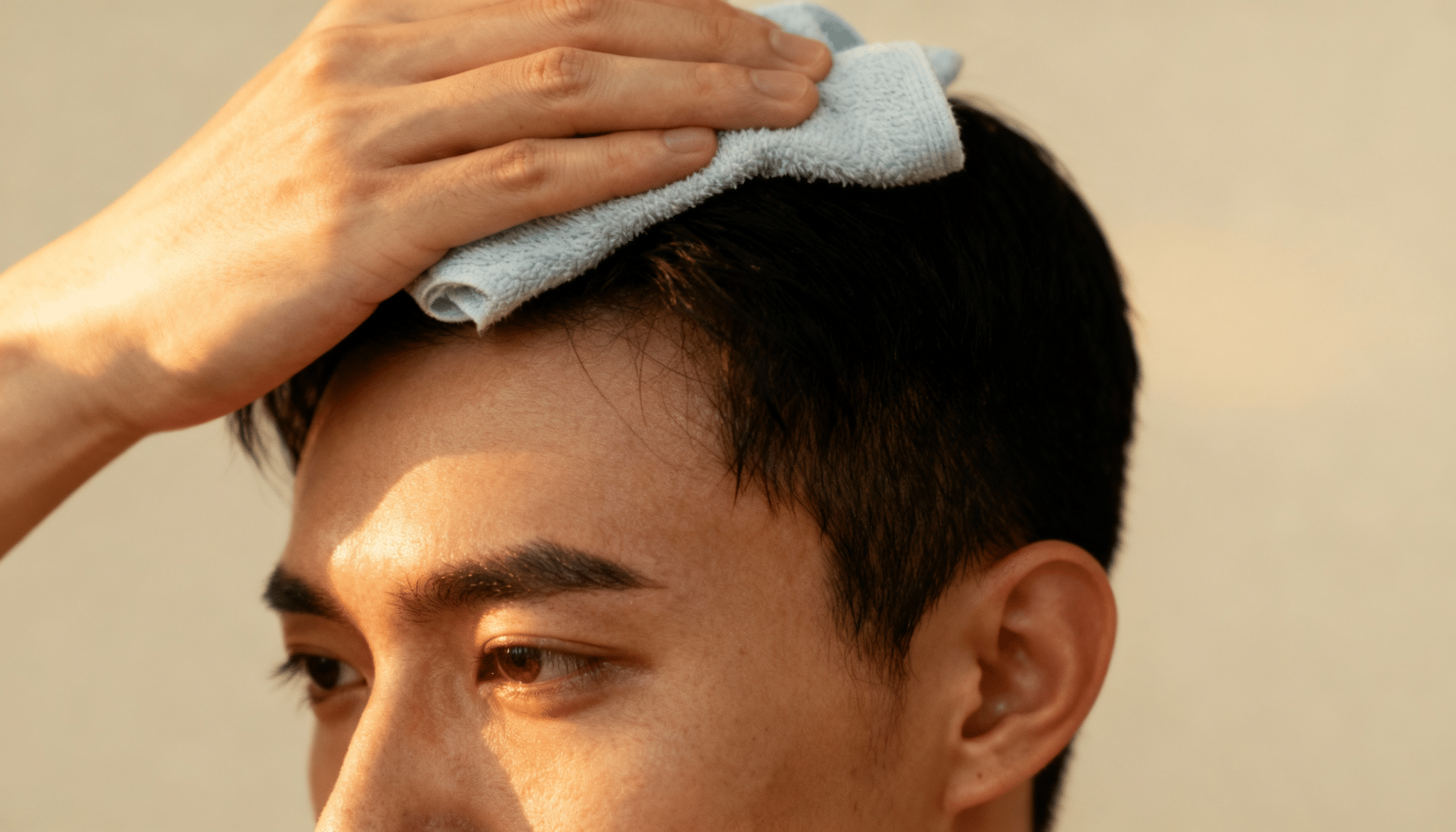
No matter what, never scratch. Scratching will eventually lead to infection. Instead, apply a cool compress or gently massage your scalp with your fingertips for relief.
Can Inflammation of the Scalp Have Long-Term Effects?
Yes, ignoring inflammation can lead to serious problems. If left untreated, it leads to damaged hair follicles over time, which can result in
- Permanent hair loss or thinning
- Constant irritation
- Weakened scalp barrier
- Scarring
- Increased sensitivity to hair products
- Slower hair growth due to restricted follicles
- Higher risk of secondary infections
Watch out: catching it early and treating it properly prevents most of these long-term complications.
When to See a Doctor
Some scalp issues need professional help. Don’t wait too long if you notice these signs.
- Severe pain or swelling: If your scalp is hard to touch, then it might be serious. This could signal an infection that needs potential medical treatment.
- Hair loss in patches or large amounts: If you’re losing more hair than usual or notice bald spots developing, a dermatologist can identify the underlying cause and prevent further damage. Do not delay.
- Symptoms lasting more than two weeks: If your home remedies aren’t working, you need a stronger solution or a proper diagnosis. Go visit your dermatologist as soon as possible.
- Oozing, crusting, or bleeding: This can indicate an infection or severe inflammation. These symptoms require prescription medications to heal properly and prevent complications.
- Fever along with scalp symptoms: Simply means there’s an infection, and your body is fighting it. This combination needs immediate medical care to prevent the infection from spreading.
- Sudden changes in your scalp condition: Trust your instincts. If something feels seriously wrong with your scalp, get it checked out.
Wrapping it up
Now that you know what causes scalp inflammation, how to spot the warning signs, and, most importantly, what you can do about it.
Making small changes like switching to gentler products, managing stress, and keeping your scalp clean can make a real difference.
Remember, your scalp health directly affects your hair’s condition and your overall comfort.
Start with one or two changes, and see what’s working for you.
Do not self-treat; always consult a dermatologist if the condition gets out of hand.