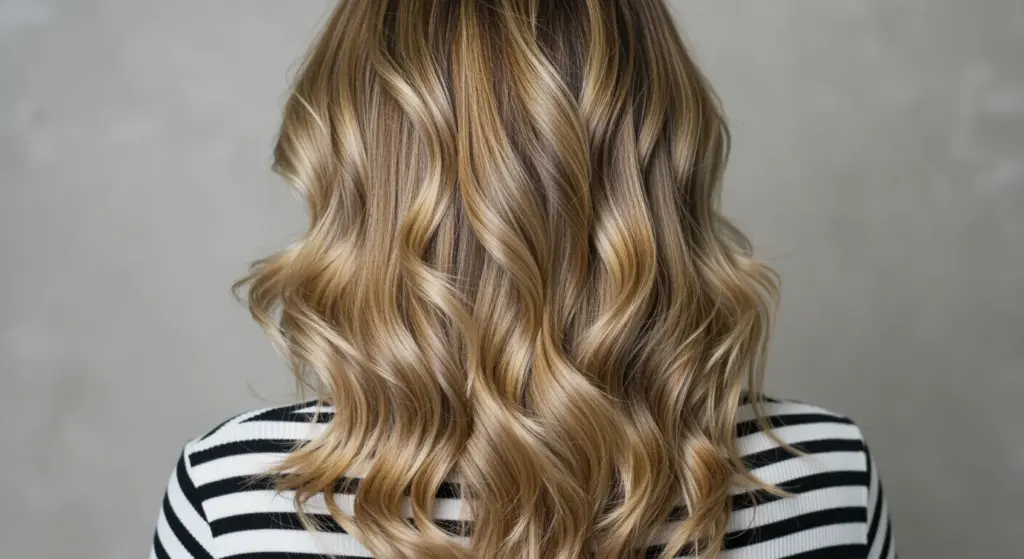

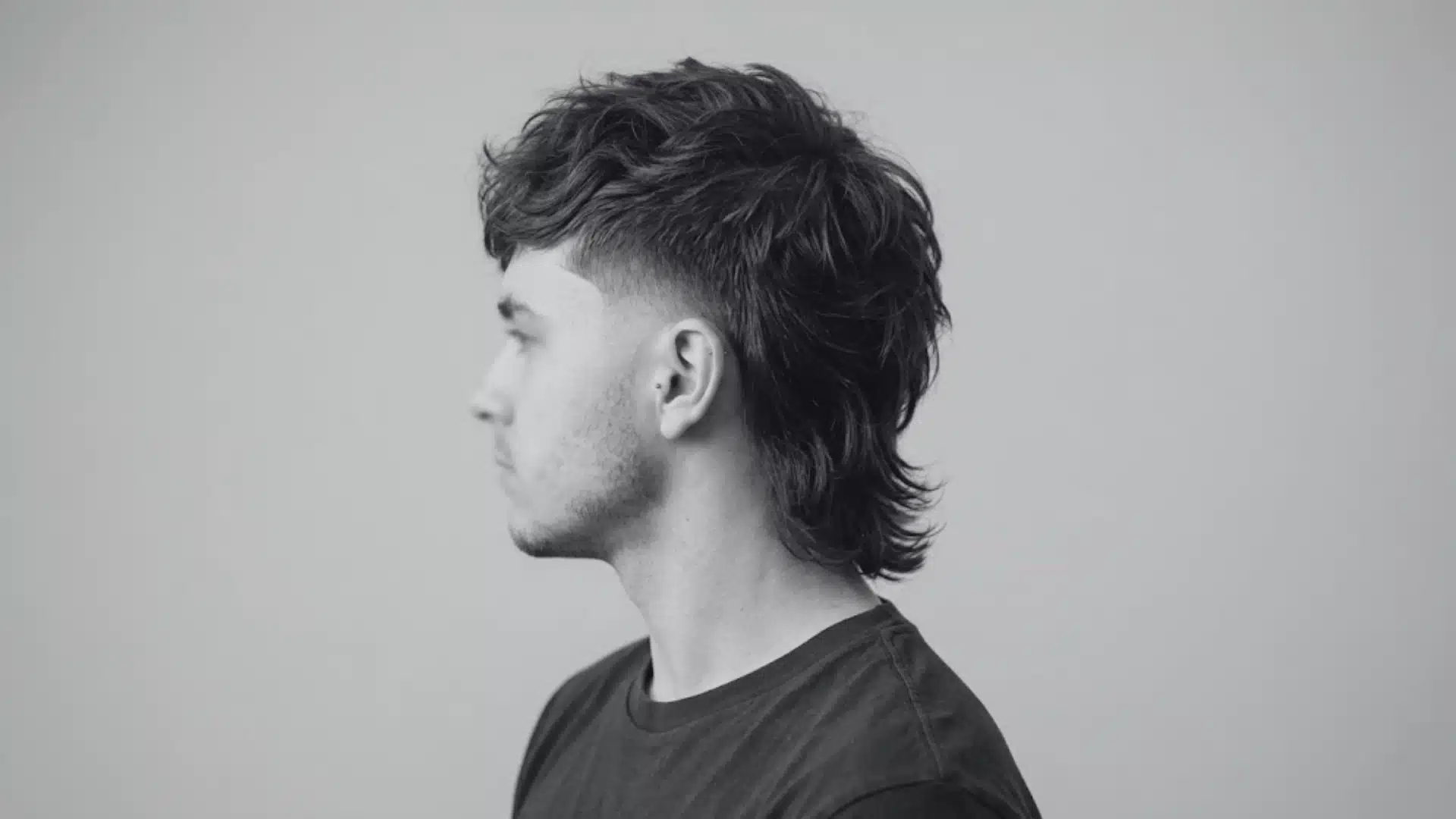
A few years ago, people laughed at the mullet. It felt like a leftover from the 80s. Something outdated.
But fast forward to 2026, and you’re seeing it again. There are so many creative types of mullets in the trend today.
On red carpets. On athletes. On musicians. All over social media.
So the real question is simple. Are mullets still popular in 2026? Or are we just seeing the last wave of a fading comeback?
Let’s look at actual proof instead of assumptions.
Are Mullets Still Popular in 2026? Trends and Proof
The short answer is yes. But they look different now.
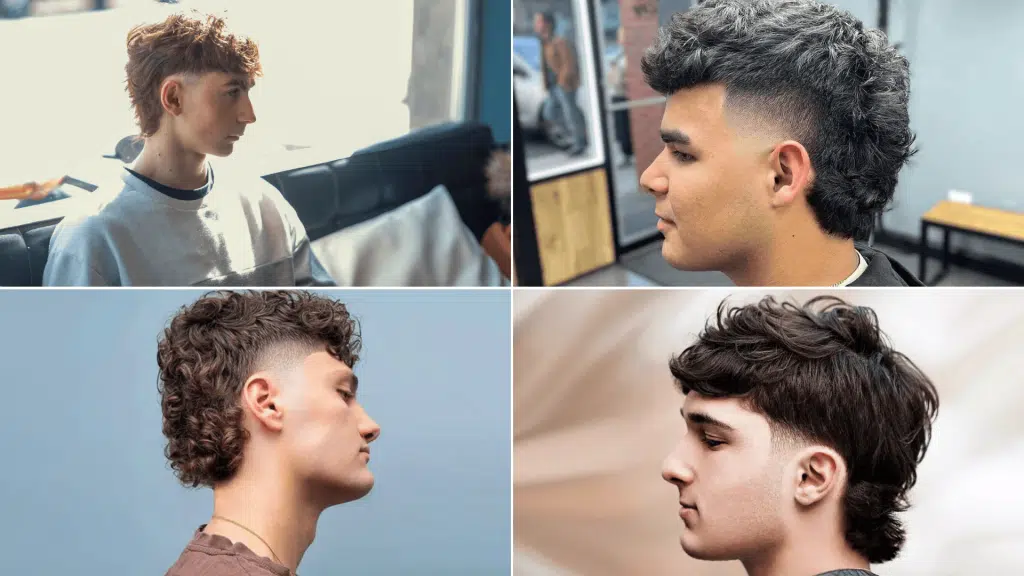
The 2026 mullet is not the extreme, exaggerated version people remember. It’s cleaner. More structured. Often blended with fades or textured layers.
And that’s the key difference.
Trends that survive are the ones that adapt.
Search Trends That Shows Steady Demand
If you check Google Trends data, something becomes clear.
Search interest for “mullet haircut” spiked around 2020. But instead of dropping off, it stayed steady through 2024 and 2025.
Now in 2026, that demand hasn’t disappeared.
That means:
People are still searching for it.
People are still asking for it.
Barbers are still cutting it.
Stylists are still evolving it.
Haircuts don’t stay in demand for six years unless they connect with culture. The mullet clearly does.
The Modern Mullet Has Evolved
One big reason mullets are still popular in 2026 is because they no longer look extreme.
Today’s versions are shaped with more control and balance. Instead of harsh contrast and overly long backs, modern mullets emphasize balanced shaping and subtle texture.
You’ll now see:
Soft low fades instead of harsh sides
Layered texture on top for movement
Controlled back length, not overly long
Better blending between sections
That refinement is what helped it stay relevant. It’s not louder. It’s smarter.
Celebrity Proof: Who Is Wearing Mullets in 2026?
Trends survive when public figures adopt them seriously.
And in 2026, the mullet isn’t being worn as a joke. It’s being worn confidently.
Glen Powell
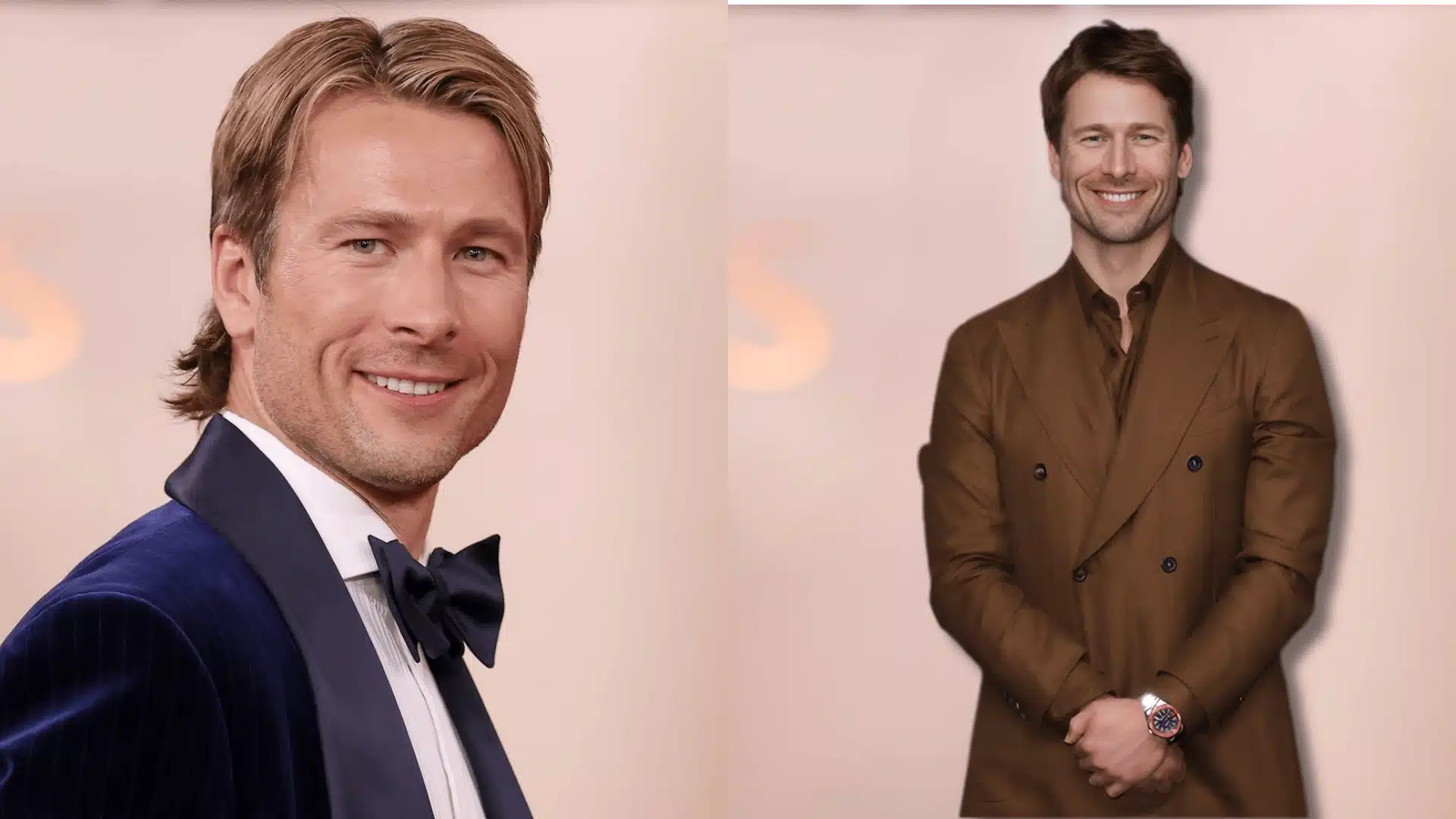
Featured on People Magazine in 2026, Glen Powell debuted a modern “baby mullet” at the Golden Globe Awards.
It wasn’t extreme; it wasn’t ironic. It was subtle and shaped carefully, blending retro inspiration with modern grooming.
Fashion media covered it seriously. Social media discussed it positively.
When red carpet appearances treat a mullet as polished rather than comedic, it shows cultural acceptance.
Doja Cat
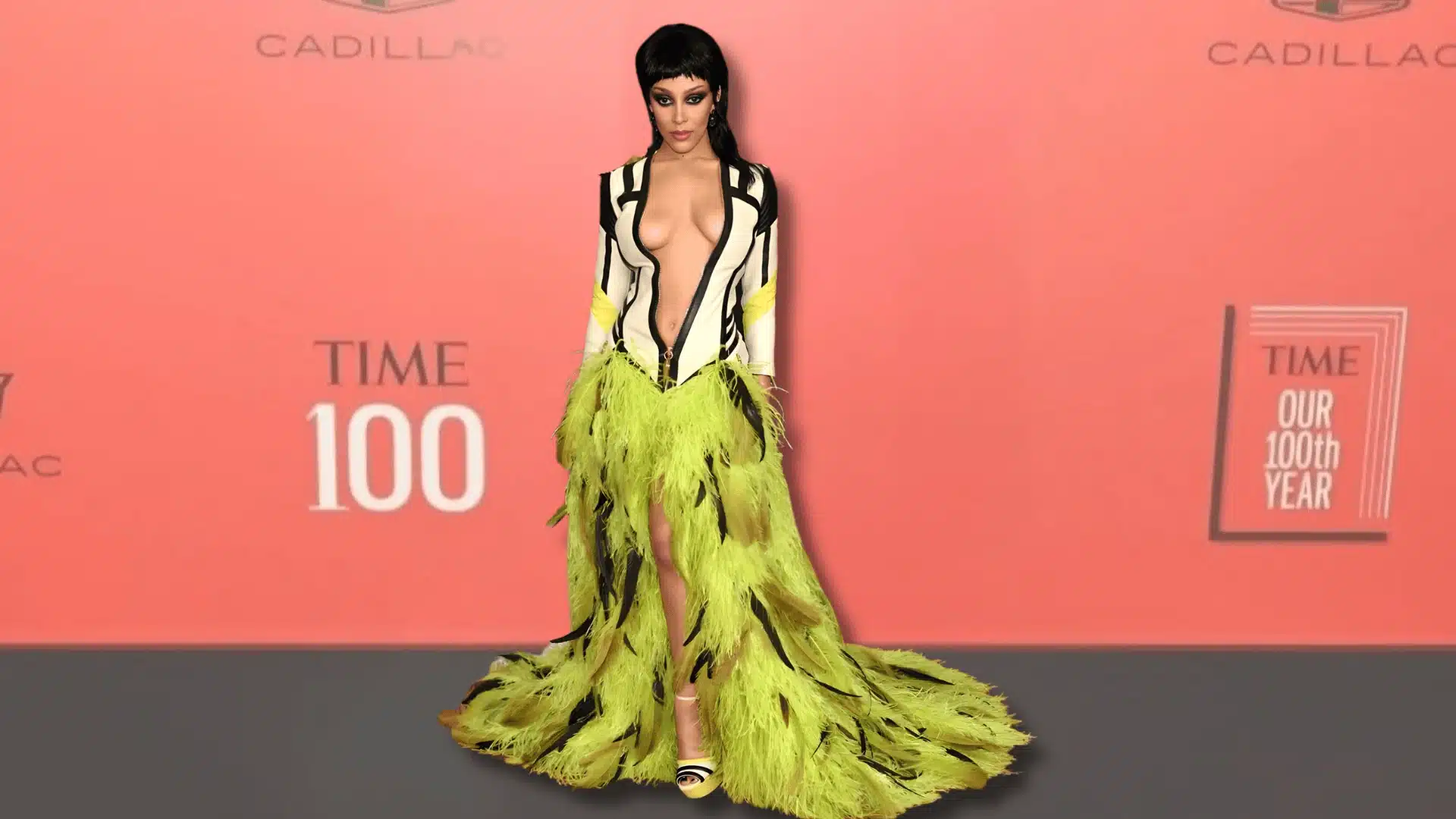
Doja Cat has continued experimenting with bold hairstyles, including mullet-inspired looks during performances and appearances in 2025 and 2026.
Her versions often feature:
- Strong texture
- Sharp contrast
- High-fashion styling
When a major artist integrates a mullet into a fashion-forward image, it keeps the cut relevant.
Felix (Stray Kids)
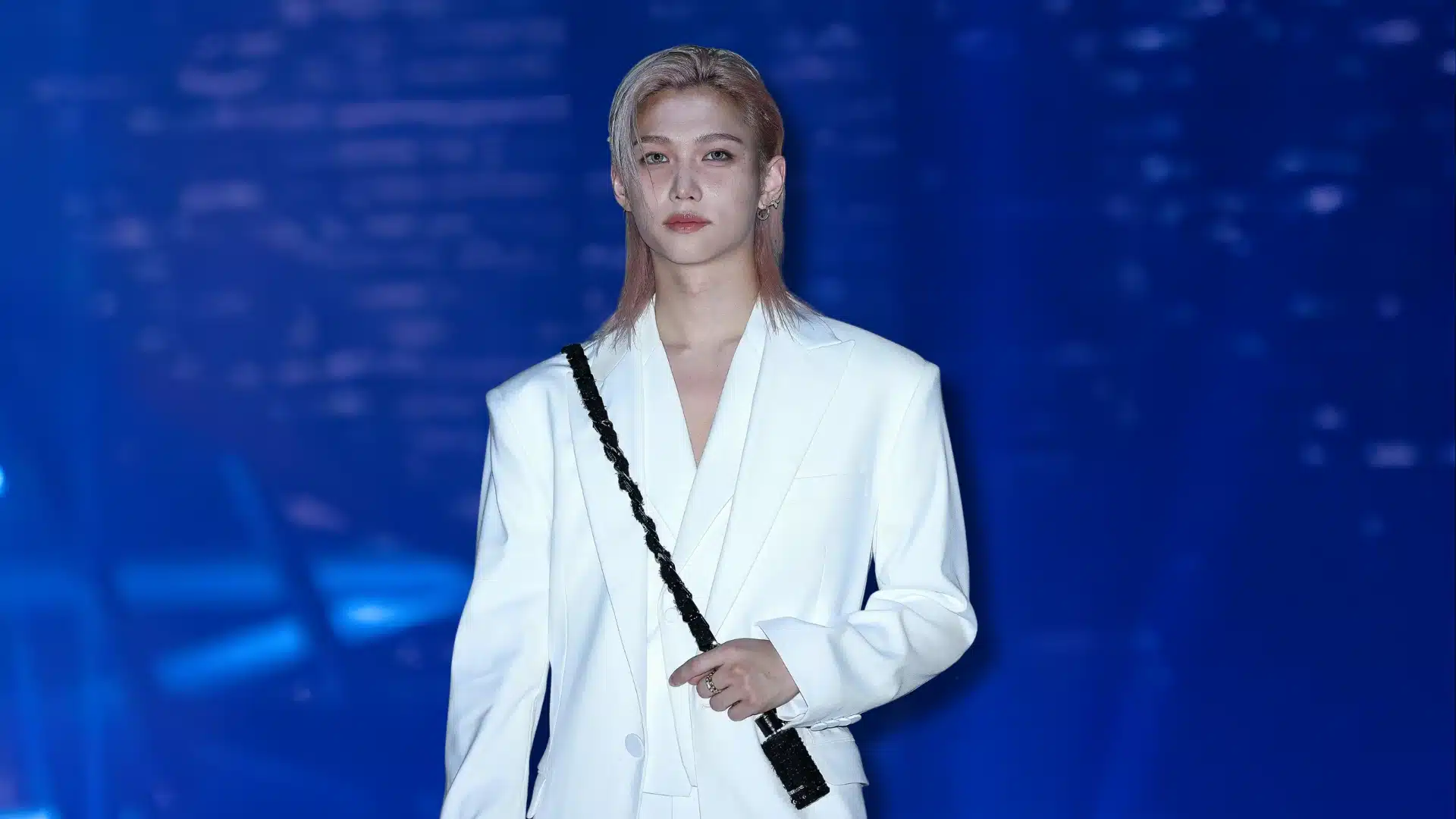
Felix from Stray Kids has consistently worn platinum mullet variations at global fashion events.
K-pop heavily influences international style trends.
His mullet is structured, polished, and fashion-approved.
Because K-pop shapes youth culture worldwide, his continued use of the style shows that the mullet isn’t just a Western revival. It’s globally present.
Oscar Isaac
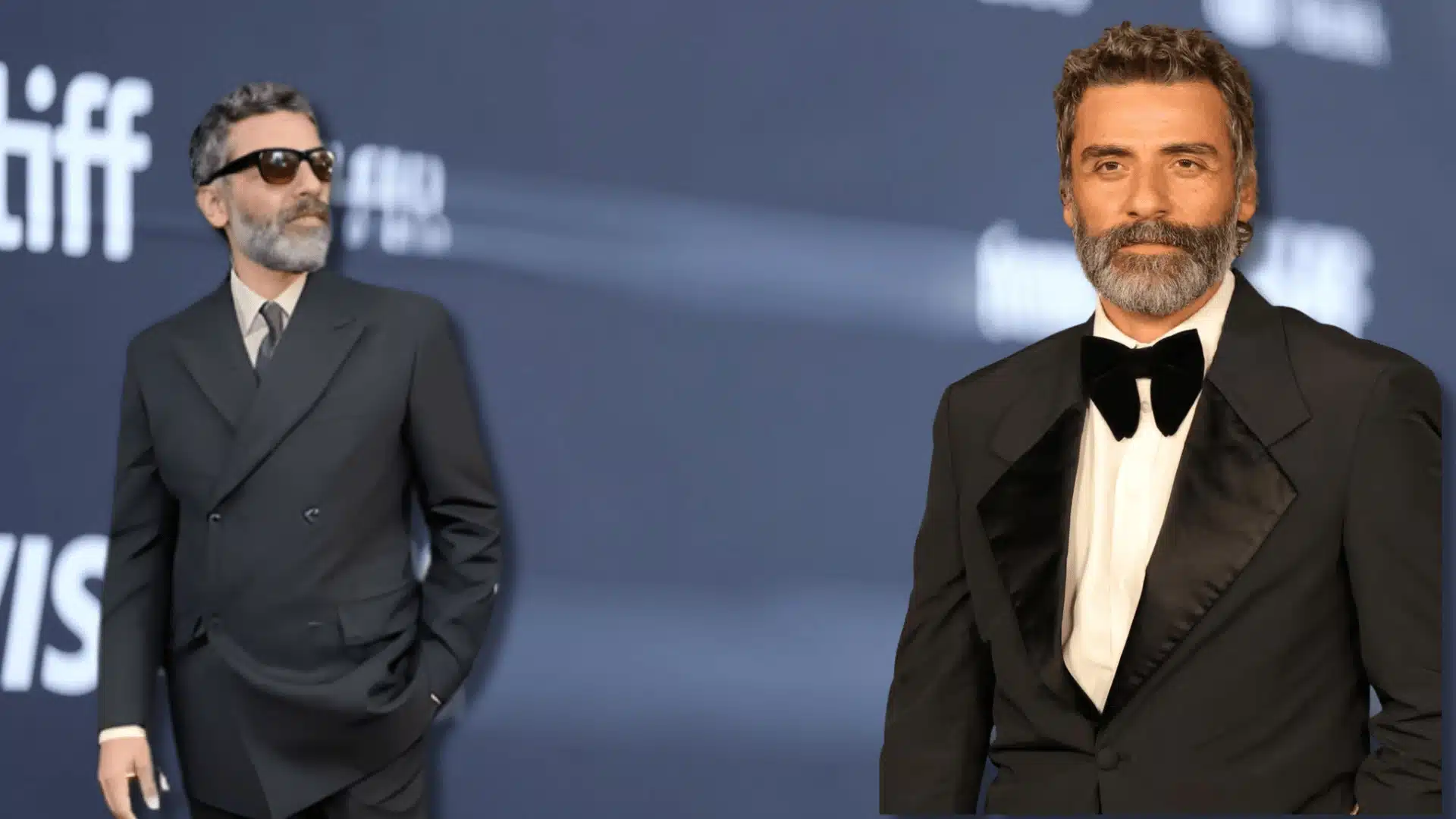
Oscar Isaac experimented with a subtle mullet-inspired shape during press tours in 2025.
His version was refined and understated.
That’s important. The mullet no longer has to be loud to be recognized.
It can exist quietly in modern grooming without looking outdated. That subtle acceptance shows the demand of this hairstyle is still in the trend.
Social Media is Driving Longevity of Mullets
I’ve noticed something else. On TikTok and Instagram, mullet transformations continue to gain engagement.
The comments are rarely mocking anymore.
Instead, people ask:
“What guard number is that?” or “How do I ask my barber for this?”
That curiosity signals real demand. If the mullet were fading, those posts would stop performing. They haven’t.
Barbers Confirm it’s Still Requested
Talk to working barbers and you’ll hear the same thing. The mullet hasn’t disappeared; instead, the requests are more detailed now.
Clients ask for:
Modern fade mullet
Controlled back length
Blended top
Subtle taper instead of harsh contrast
That level of detail shows the style has matured.
And if someone doesn’t know how to explain what and which mullet style they want, they might end up getting what they don’t.
Why the Mullet Works in 2026?
I think mullets are still popular in 2026 for three main reasons.
First, fashion cycles repeat.
Second, nostalgia feels safe but fresh when updated.
Third, individuality matters more than ever.
In a world shaped by social media, personal style becomes part of identity.
The mullet offers:
Personality
Structure
Edge
Flexibility
Does it Work for Everyone?
Not necessarily, but no haircut works for everyone. The key is choosing the right version. A high-contrast faded mullet sends a stronger message than a soft short one.
Even clipper guards change the feel.
A No. 1 fade feels sharp.
A No. 4 fade feels balanced.
If you need clarity on how lengths change appearance, the haircut guard guide: no. 3, 4, 5, and 7 lengths explained makes it simple.
The mullet isn’t one fixed style.
It adapts.
And adaptability keeps it relevant.
So, are Mullets Still Popular in 2026?
When we ask, are mullets still popular in 2026? Trends and proof clearly show that they are.
Not as a joke. Not as a temporary revival.
But as a refined, adaptable haircut that continues to evolve.
The mullet survived mockery. It survived criticism. And now it stands comfortably in modern style culture.
That’s not hype. That’s staying power.
Frequently Asked Questions
Are Mullets Becoming Popular Again?
Yes, mullets have made a strong comeback over the past few years.
When Did Mullets Stop Being Popular?
Mullets began losing mainstream popularity in the late 1990s and early 2000s, when cleaner, shorter hairstyles replaced the bold, high-contrast looks associated with the 1980s and early 90s.
What is the Most Popular Hair Right Now?
In 2026, popular hairstyles include textured crops, low fades, modern mullets, curtain styles, and natural curly cuts. Clean blends and low-maintenance styles dominate current grooming trends.