

Many people with low porosity hair wonder if Coconut Oil is Good for Low Porosity Hair, especially when it does not seem to sink in.
Their hair feels coated and greasy, but still dry underneath.
It’s frustrating when everyone raves about coconut oil, yet it makes their hair worse, not better.
This blog will help you find out if coconut oil is good for low porosity hair and what the available alternatives are.
What is Hair Porosity and Low Porosity Hair
Hair porosity is how well hair absorbs and holds moisture. It depends on the cuticle layer, the outermost part of each strand. Some hair cuticles are open, allowing moisture to enter easily.
Others stay closed and block moisture out. Porosity can be low, medium, or high. Each type acts differently with water and products.
Low porosity hair has tightly closed cuticles. These cuticles are like tiny scales on each strand, and they lie flat.
This means moisture has a hard time getting in.
Products often sit on the surface instead of soaking through. But once moisture does get in, it stays locked inside for a while. Think of it like a raincoat that keeps water out while also trapping warmth.
Signs of Low Porosity Hair
Low porosity hair shows several telltale signs. Water beads up on the surface rather than absorbing quickly.
Products tend to sit on the hair rather than sink in.
Hair takes a long time to dry completely after washing. These characteristics indicate tightly closed cuticles that resist moisture penetration.
- Hair takes forever to dry after washing, sometimes staying damp for hours or even overnight.
- Products build up on the hair surface quickly, creating a greasy or heavy feeling.
- Water beads up on strands instead of soaking in right away during showers.
- Conditioners and oils just sit on top rather than absorbing into the hair shaft.
- Hair resists color treatments and chemical processes because the cuticles won’t open easily
Is Coconut Oil Good for Low Porosity Hair?
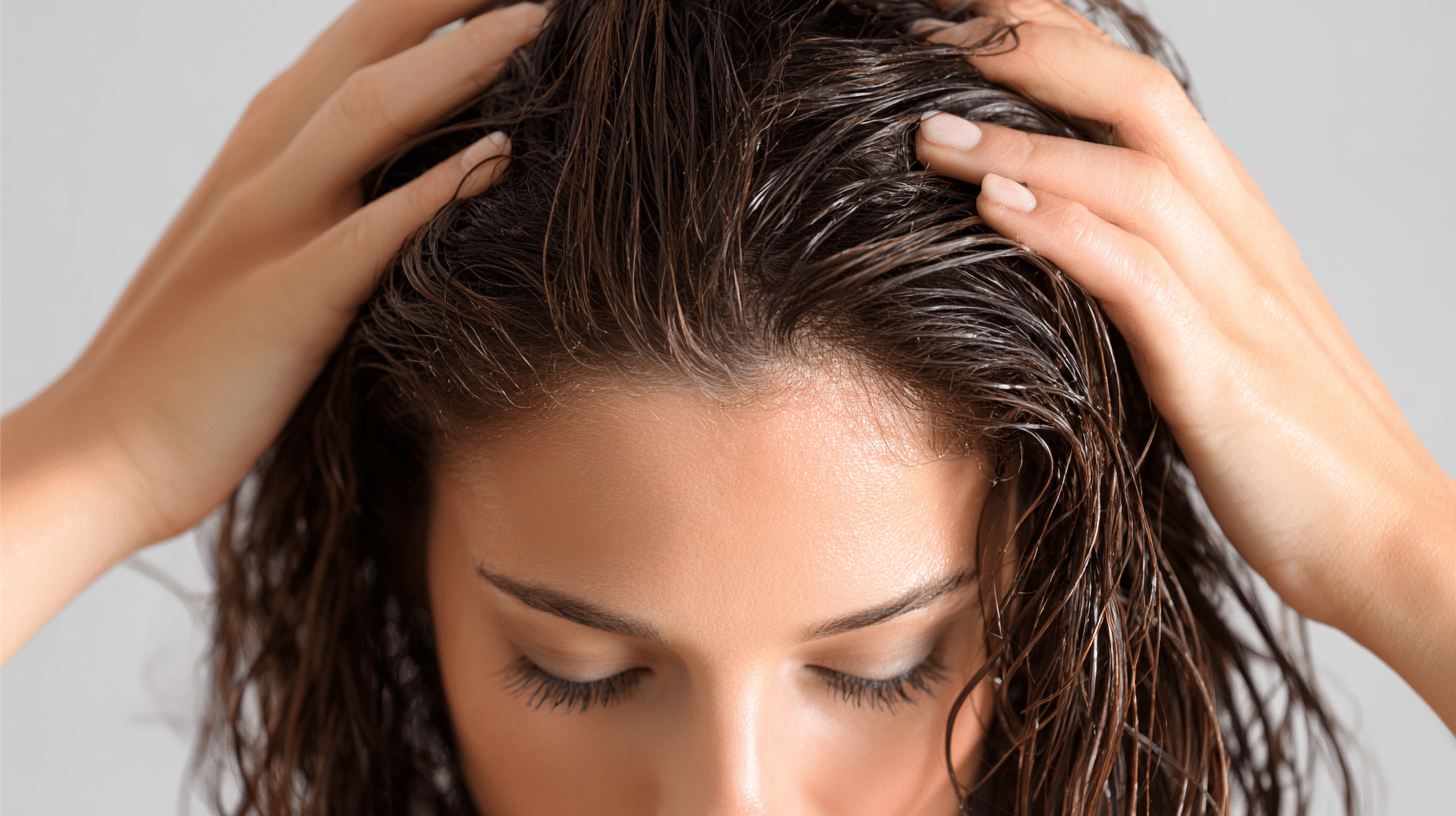
Coconut oil can be tricky for low-porosity hair, and it works differently for everyone.
This oil has a thick, heavy texture that doesn’t pair well with low-porosity strands. The cuticles stay tightly shut, so the oil can’t get inside where it’s needed. Instead, it forms a coating on the outside.
This coating prevents water from entering the hair shaft.
Over time, hair becomes drier because moisture gets blocked out. The strands may look shiny at first, but they feel stiff and lifeless beneath the surface
Benefits:
- It can protect hair from protein loss during washing.
- Works well as a pre-wash treatment when applied before shampooing.
- Helps reduce frizz temporarily by coating the hair surface.
- It can strengthen hair strands when used sparingly and rinsed out properly.
- Provides some protection against heat damage from styling tools.
Drawbacks:
- The molecules are too large to penetrate closed cuticles easily.
- It creates heavy buildup that weighs hair down and blocks moisture.
- Leaves hair feeling greasy and coated after application.
- It can make hair look dull and lifeless if not washed out completely.
- Requires clarifying shampoo to remove, which can strip natural oils.
Why Oil Choice Matters
Low porosity hair shows several telltale signs. Water beads up on the surface rather than absorbing quickly.
Products tend to sit on the hair rather than sink in. Hair takes a long time to dry completely after washing. These characteristics indicate tightly closed cuticles that resist moisture penetration.
Not all oils work the same way on low porosity hair.
Heavy oils can’t get past those tight cuticles, so they just pile up on the surface. This creates buildup, making hair feel waxy or stiff.
Lighter oils have smaller molecules, and they can slip through more easily. The wrong oil turns into a coating problem, but the right one actually helps.
How to Use Coconut Oil for Low Porosity Hair
If someone wants to try coconut oil, they need to use it carefully and strategically. Apply it only as a pre-wash treatment, never as a leave-in product.
Warm the oil slightly between the palms to help it spread more easily and penetrate better. Use just a small amount on damp hair, focusing on the ends rather than the roots.
Then cover with a shower cap for 20 to 30 minutes. The heat helps open those tight cuticles a bit.
Wash it out completely with a clarifying shampoo to avoid any buildup. Some people also mix coconut oil with lighter oils to reduce its heaviness. This makes it less likely to coat the hair strands.
Best Alternatives to Coconut Oil
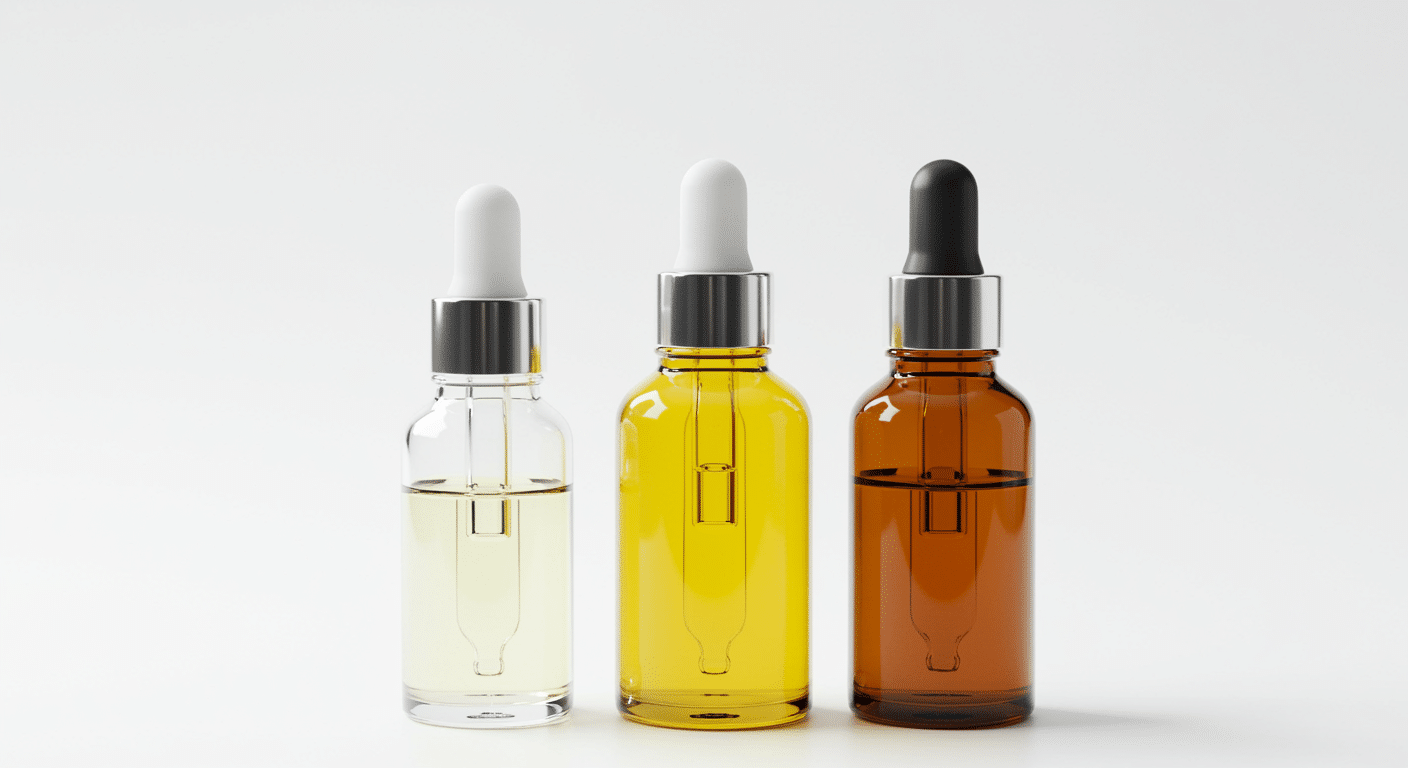
Low porosity hair responds better to lighter oils that can slip through closed cuticles.
1. Argan Oil
Argan oil has small molecules that penetrate closed cuticles more easily than coconut oil. It absorbs quickly and doesn’t leave a greasy film on hair.
This oil provides moisture while keeping strands soft and manageable. It works well for daily use because it won’t cause buildup or weigh hair down over time.
2. Grapeseed Oil
Grapeseed oil is one of the lightest oils available for hair care. Its thin texture allows it to slip through tight cuticles without sitting on the surface.
This oil adds shine and moisture but feels almost weightless on strands. People with low-porosity hair appreciate how it hydrates without leaving a heavy, coated feeling.
3. Jojoba Oil
Jojoba oil closely mimics the natural oils produced by the scalp. This similarity helps it absorb better into low porosity strands than heavier alternatives.
It balances moisture levels and doesn’t clog cuticles or cause buildup. The oil also helps regulate sebum production, making it suitable for both dry and oily scalp types.
4. Sweet Almond Oil
Sweet almond oil has a medium-light texture that works well for low porosity hair. It moisturizes strands without leaving them stiff or greasy.
This oil contains vitamins that nourish hair while staying light enough to penetrate closed cuticles. It’s gentle and rarely causes irritation, making it good for sensitive scalps too.
What People Love (and Hate)
Many people with low-porosity hair have tried coconut oil, reporting mixed results. Some found it made their hair feel heavy and greasy, no matter how little they used.
One user mentioned that her hair looked shiny but felt like straw underneath the coating. Another person said coconut oil worked only when used before shampooing, never as a leave-in treatment.
Several users switched to lighter oils, such as argan or grapeseed, and noticed immediate improvements. T
heir hair felt softer and absorbed moisture better. One woman shared that jojoba oil changed her entire hair routine for the better.
These real experiences show that coconut oil doesn’t work for everyone with low porosity hair. Listening to what others have tried can help someone make better choices for their own hair care.
Final Thoughts
Coconut oil isn’t the best choice for low-porosity hair because it sits on the surface rather than penetrating. The molecules are too large to get through those tightly closed cuticles.
This creates buildup and blocks moisture over time. But lighter oils like argan, grapeseed, and jojoba work much better.
They slip through more easily and actually hydrate the hair. If someone wants to use coconut oil, they should only try it as a pre-wash treatment.