

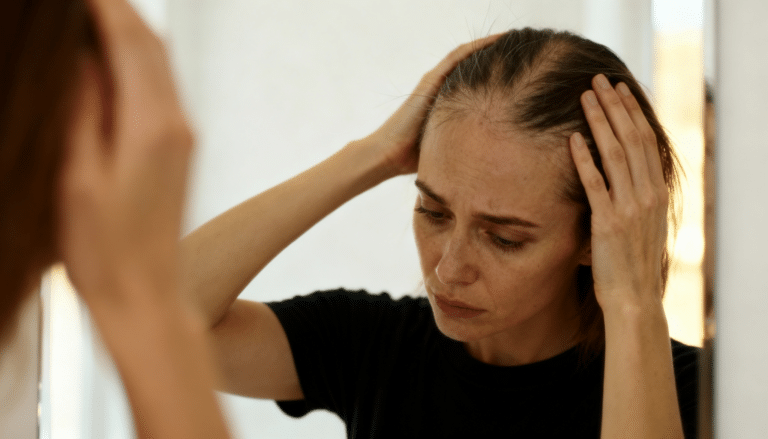
Noticing more hair in your shower drain after surgery?
You’re not alone, and it’s not in your head.
Surgery puts major stress on your body, pushing hair follicles into a resting phase. Within 2-3 months post-op, this triggers sudden shedding that can be alarming.
Let’s find out why this happens and what you can do to get your hair back on track.
Why Does Hair Loss Occur After Surgery?
Post-operative hair loss is also known as telogen effluvium in medical terms.
Your body treats surgery as a major stress event, even when the procedure goes perfectly. This stress triggers a survival response that shifts energy away from non-essential functions, like growing hair, to focus on healing.
The stress hormone called cortisol spikes during and after surgery.
This hormonal shift pushes hair follicles from their active growth phase into a resting phase called telogen.
This kind of hair loss is usually temporary. However, with the right care, one can actually grow their hair back.
How Long Does Hair Loss Last?
Losing hair after surgery can be quite disheartening. Knowing what the timeline is will keep you prepared, at least.
| Phase | Timeline | What to Expect |
|---|---|---|
| Waiting Period | 2-4 months post-surgery | Follicles enter the resting phase, but hair stays attached. Shedding hasn’t started. |
| Active Shedding | 3-6 months duration | Losing 100-300 hairs daily (normal is 50-100). Intensity depends on the type of surgery and your health. |
| Regrowth Starts | 3-6 months after shedding begins | Short, fine new hairs appear. Shedding slows down as follicles reactivate and enter the growth phase again. |
| Full Recovery | 6-12 months total | Hair density returns to normal. Complete regrowth is achieved for most people by one year post-surgery. |
Major surgeries cause longer-lasting hair loss than minor ones. Your age, genetics, and pre-existing health conditions also influence the speed of recovery.
Causes of Hair Loss After Surgery
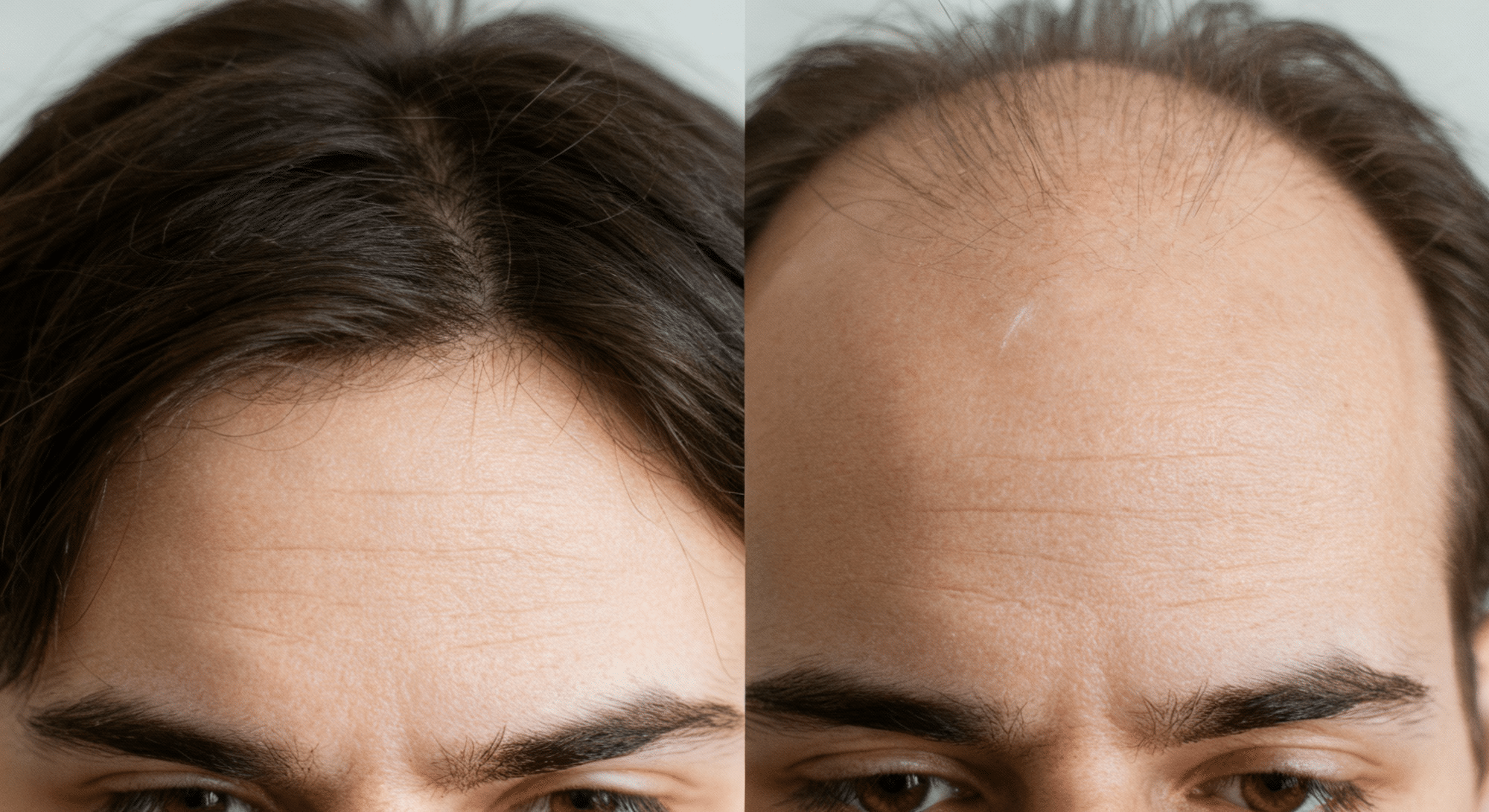
Losing hair after surgery is caused by multiple factors. Understanding these causes helps you know what to expect during recovery.
1. Physical Stress and Trauma
Surgery puts your body through significant physical trauma.
Even minor procedures activate stress responses that affect hair growth cycles. Your system prioritizes healing wounds over maintaining hair follicles, causing them to enter a resting state.
2. Anesthesia Effects
General anesthesia temporarily alters your body’s chemistry, disrupting the delicate balance needed for normal hair growth.
The longer you’re under anesthesia, the greater the potential impact on your hair follicles.
3. Nutritional Deficiencies
Surgery often leads to poor appetite and reduced nutrient absorption.
When nutrients are destroyed during recovery, hair follicles suffer first since they’re not essential for survival.
Your body needs:
- protein
- iron
- zinc
- vitamins
4. Hormonal Changes
Surgical stress causes hormonal fluctuations, particularly spikes in cortisol.
When the cortisol spikes, this leads to an imbalance that can push large numbers of hair follicles into the telogen phase simultaneously, leading to noticeable shedding months later.
5. Blood Loss
Blood loss during surgery reduces iron levels. Iron deficiency directly affects hair follicles. Impacted hair follicles weaken hair shafts and trigger increased shedding.
This effect becomes more pronounced with major surgical procedures.
6. Medications
Pain relievers, antibiotics, and blood thinners prescribed after surgery can trigger hair loss.
Some medications mess with how your hair follicles work as a side effect. This adds more stress to what your body is already dealing with during recovery.
7. Fever and Infection
Post-surgical complications like fever or infection add extra stress to your system.
High body temperature and fighting infections demand enormous energy, further pushing hair follicles into their resting phase.
Who is at Higher Risk?
Certain factors increase your risk of post-surgical hair loss.
- Women: Women experience post-surgical hair loss more often than men. During hormonal fluctuations, such as menstruation, pregnancy, or menopause, hair follicles are more sensitive to stress.
- Older Adults: Age slows down hair regrowth and weakens follicle strength. Older patients often take multiple medications and have slower healing, both contributing to increased shedding.
- People with Nutritional Deficiencies: Low iron, protein, zinc, or vitamin levels before surgery set you up for hair loss.
- Those Undergoing Major Surgeries: Longer procedures, extensive blood loss, and complicated recoveries create more physical stress. Heart surgery, gastric bypass, and organ transplants carry higher hair loss risks than minor procedures.
- Patients with Pre-existing Conditions: People with thyroid disorders, autoimmune diseases, and chronic illnesses are more vulnerable.
How to Stop Hair Loss After Surgery?
You can’t always prevent post-surgical hair loss, but these ways minimize shedding and support regrowth.
Nutrition and Hydration
- Eat protein-rich foods: Eggs, fish, chicken, beans, and nuts strengthen hair. Add protein to every meal or try smoothies if your appetite is low.
- Take your vitamins: Iron, zinc, biotin, and vitamins A, C, and D support follicle health. Ask your doctor about supplements or blood tests.
- Stay hydrated: Water delivers nutrients to follicles. Sip throughout the day, especially when taking medications.
Lifestyle Habits
- Manage stress: Try deep breathing, meditation, or light walks. Sleep 7-8 hours nightly to support healing.
- Be gentle with hair: Avoid tight styles, heat styling, and harsh chemicals. Use a wide-tooth comb and pat hair dry gently.
- Follow post-op instructions: Take prescribed medications and attend follow-ups to reduce complications.
Medical Treatments
- Topical treatments: Minoxidil (Rogaine) stimulates regrowth. Gentle, sulfate-free shampoos reduce stress on fragile hair.
- Medical interventions: For severe cases, dermatologists may prescribe corticosteroids or recommend PRP therapy.
Best approach? Time and patience, your hair recovers naturally as your body heals.
When to See a Doctor
Most post-surgical hair loss fixes itself, but watch for these signs.
Contact your doctor if you notice:
- Hair loss continuing past six months with no improvement
- Sudden bald patches or clumps falling out daily
- Fatigue, weight changes, or mood swings alongside hair loss
- No new hair growth after six months of shedding
- Scalp redness, itching, pain, or unusual scaling
Conclusion
Hair loss after surgery can feel alarming, but remember, it’s your body’s temporary response to stress.
Your hair has been on this path with you. Give it time, patience, and care. It’ll bounce back stronger than you think.
Recovery isn’t just about healing from surgery but about rebuilding your confidence, too.
Have questions about your post-surgical hair loss? Talk to your doctor; they can assess your situation and recommend personalized solutions.