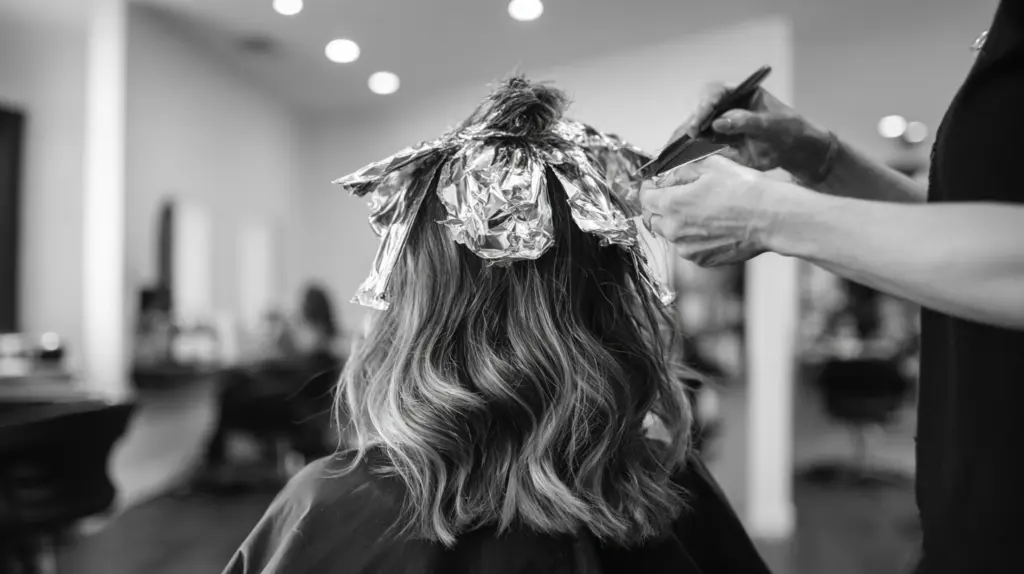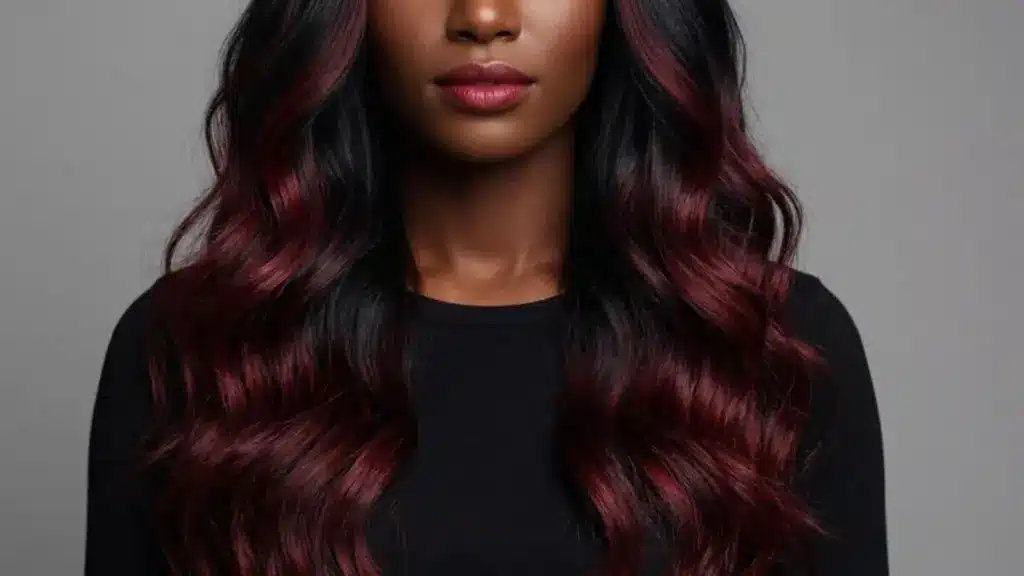

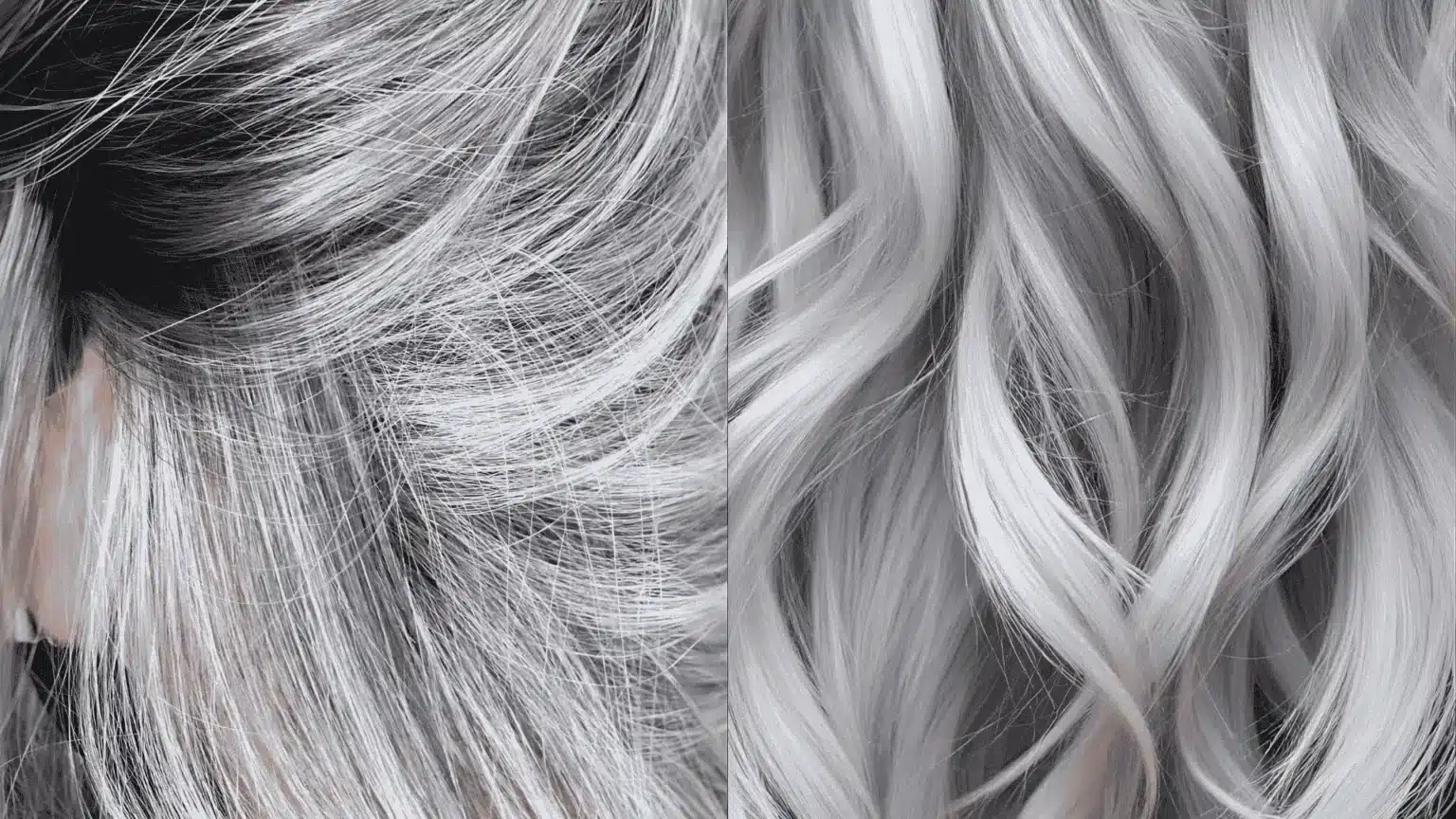
My aunt spent $100 at a salon asking for silver hair. She walked out with gray.
The stylist swore it was the same thing. It wasn’t. Silver hair catches light like chrome. If you’ve seenbrown hair turn silver, you know what that shine looks like up close.
Gray hair? It sits flatter and cooler, revealing a completely different look at your hair’s pigment levels.
I’ve seen people use the wrong toner, shampoo, or dye because they couldn’t tell them apart.
In this blog, I will define the differences between gray and silver hair, define how to turn gray hair to silver, discuss how color relates to skin color, and define which to choose.
Gray Hair vs Silver Hair: Main Differences
Gray hair holds onto some pigment. Silver hair color is almost gone.
That small difference changes everything: the shine, the tone, the way it responds to products.
Gray sits flat under the light, while silver reflects it back. Gray feels coarser, silver smoother and lighter. Care routines differ: gray needs moisture, silver requires toning to stay bright.
Very different personalities. Knowing which one you have saves you time, money, and a lot of bad hair days.
| Category | Gray Hair | Silver Hair |
|---|---|---|
| Pigment Level | Partially present | Nearly absent |
| Light Reflection | Dull, flat finish | Bright, metallic shine |
| Texture | Coarse and dry | Smoother and lighter |
| Undertone | Cool, neutral | Icy, bright white |
| Product Needs | Moisturizing products | Toning and color-safe products |
| Maintenance Level | Low | High |
| Best Treatment | Deep conditioning | Purple shampoo, toner |
What is Gray Hair?
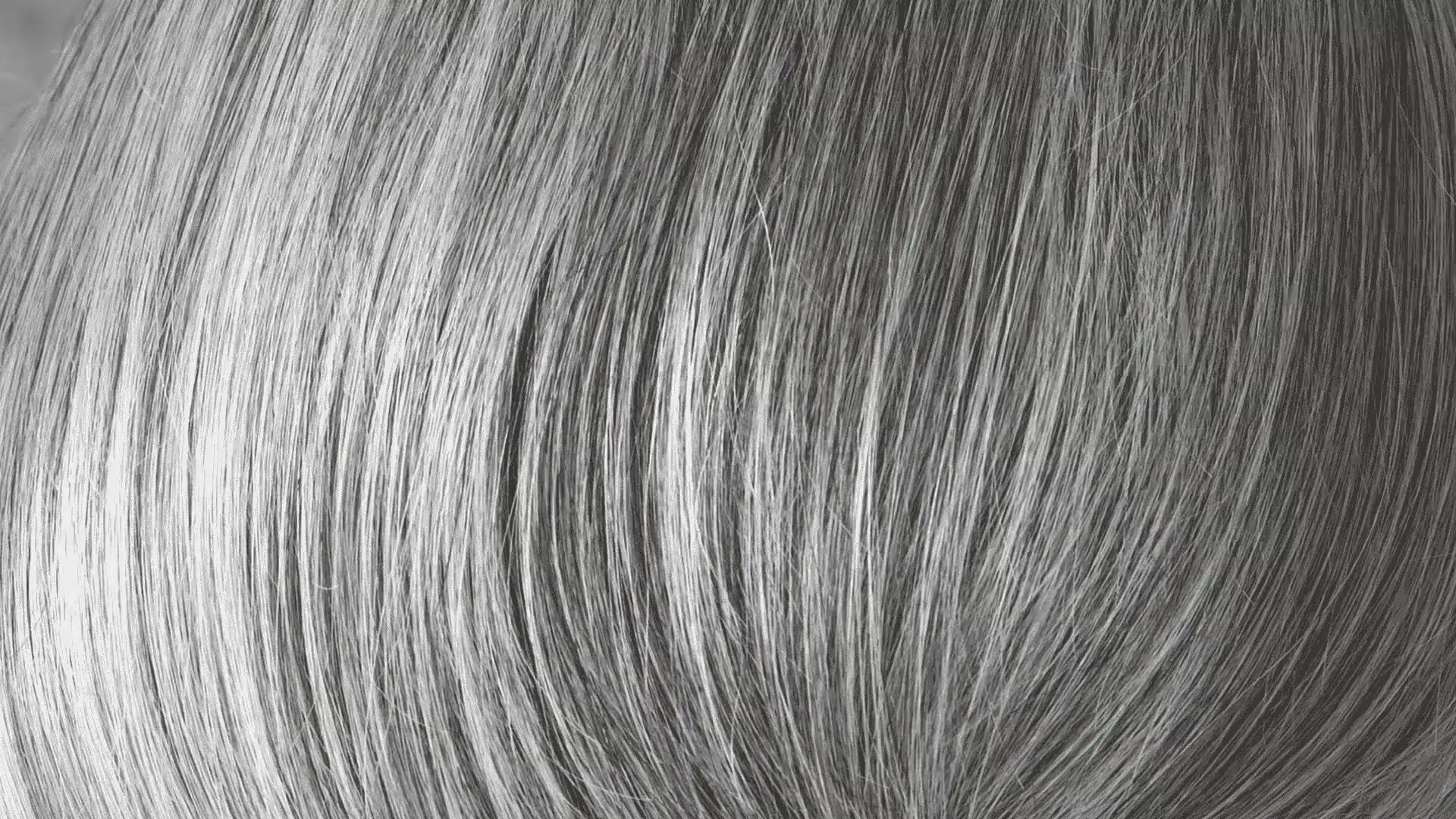
Gray hair is not just old people’s hair. It is your body sending you a clear signal that the cells that give your hair color are slowing down.
Here is what that actually means.
How Gray Hair Develops
Your hair gets its color from melanin, a pigment made by cells called melanocytes.
As you age, these cells produce less and less melanin. Eventually, they stop altogether. What grows out is gray.
Genetics plays a big role, too. If your parents went gray early, chances are you will too. Stress and lifestyle habits like smoking can also speed things up.
Appearance and Tone of Gray Hair
Gray hair does not have one single look. It often shows up as a mix of dark and white strands growing together.
Up close, it looks more white than fully gray.
The tone tends to sit on the cooler, neutral side. It rarely reflects much light either. The texture also shifts; gray hair often feels coarser and drier than your original hair color.
Who Typically Has Gray Hair?
Gray hair is most common in people over 40. But early graying can start as young as your 20s.
It depends largely on genetics. Some people gray naturally over time.
Others speed up the process through high stress or poor nutrition. Some people choose gray, intentionally dyeing their hair for the look.
What is Silver Hair?
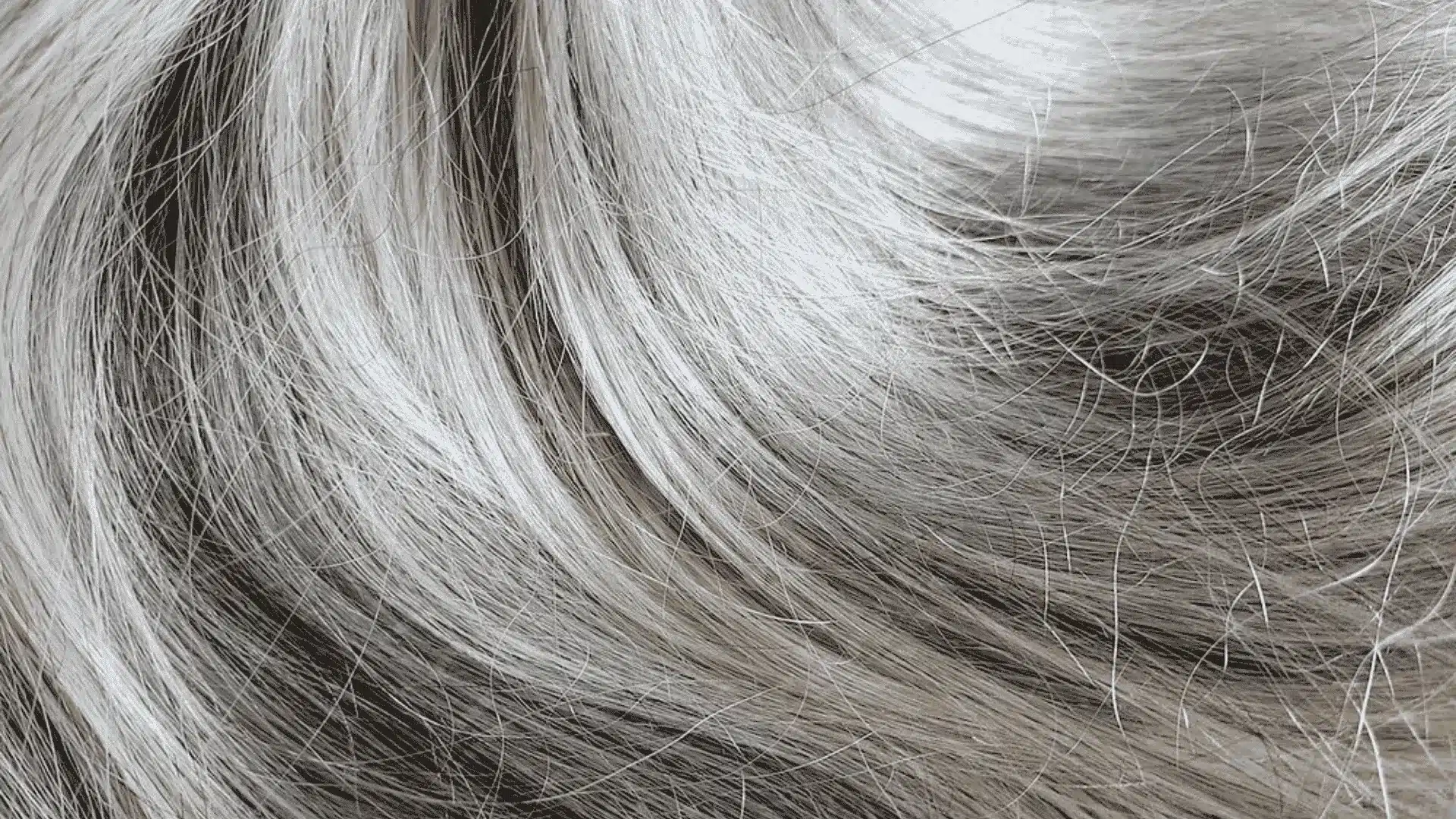
Silver hair turns heads with a unique shine unlike gray hair. But what exactly makes hair silver?
What Makes Hair Silver?
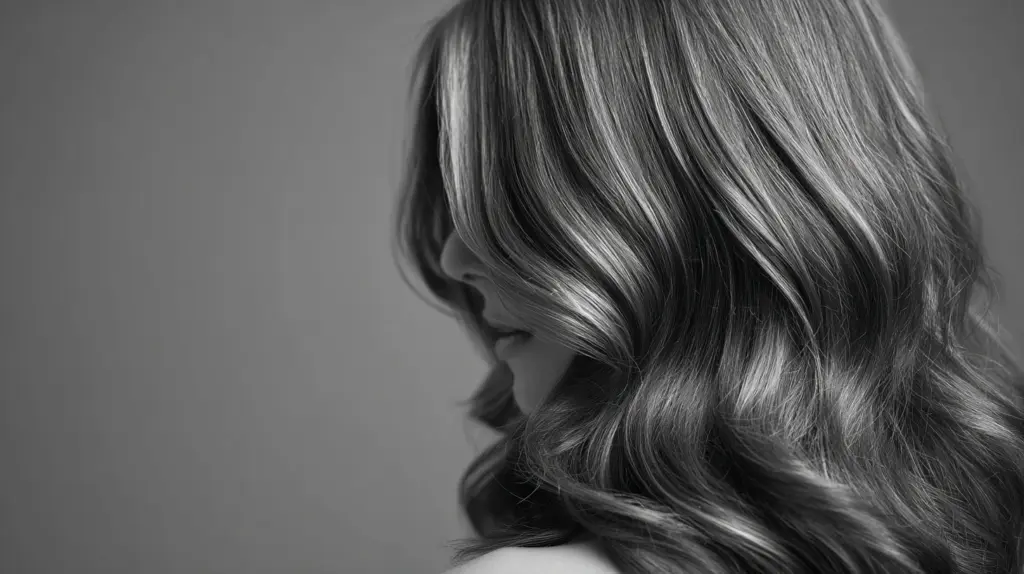
Silver hair acts as a mirror: it reflects light rather than absorbing it.
The strands are almost fully white with very little pigment left. That even distribution of white across the hair is what gives it that bright, metallic finish.
Many use toners to achieve a cool, silvery look; without them, hair may turn more yellow or gray.
Natural vs Dyed Silver Hair
Not all silver hair comes from aging. Some people are born with it. Others pay for it. Here’s how the two compare:
| Natural Silver | Dyed Silver | |
|---|---|---|
| Origin | Genetics or early aging | Salon bleach and toner |
| Maintenance | Tiniest | Regular touch-ups needed |
| Color Staying Power | Permanent | Fades over time |
| Tools Used | None | Purple shampoo, toner |
| Cost | Free | Ongoing salon expenses |
Silver Hair as a Trend
Silver hair went from grandma’s look to a full-blown fashion statement. Here’s why it blew up:
- Social media put silver hair in front of millions of people overnight.
- Celebrities like Kelly Osbourne and Lady Gaga wore it on red carpets.
- Younger people began intentionally choosing silver rather than waiting for age to bring it.
- It became a style choice, not just a natural change.
- It sits firmly in mainstream fashion, and it’s not slowing down.
How to Transition from Gray to Silver Hairs
Silver hair does not happen by accident. If you’re starting with gray, here’s the right way about what it takes.
First, see a colorist. They’ll look at your hair and tell you how much work it needs.
Most gray hair still retains some pigment. That needs to be lifted out first.
After the lightning, a silver toner goes on. This is what gives your hair that bright, icy finish.
Use purple shampoo. It stops yellow tones from creeping in. Condition your hair every week. Lightening dries it out fast. Take it slow. Rushing the process breaks your hair. One step at a time works best.
How is Hair Color Related to Skin
Your hair color and skin tone work together. The wrong shade can wash you out entirely. What to keep in mind:
Cool skin tones
Pair best with silver hair; the icy finish complements pink and blue undertones naturally.
Warm skin tones
Suit gray hair better; its neutral tone balances golden and olive undertones well.
Neutral skin tones
These skin tones can pull off both gray and silver with the right toner applied.
Fair skin
Looks striking with bright silver; the contrast adds definition to your features.
Darker skin tones
Shine with both shades. Silver adds brightness, while gray adds depth.
Hair Colors That go Best with Gray and Silver Hair
Picking the right color makes all the difference. Here’s what works:
For Gray Hair:
- Ash Blonde softens gray without clashing with its neutral tone.
- Cool Brown adds depth while keeping the overall look natural.
- Dark Charcoal gives gray hair a sharp, bold contrast.
For Silver Hair:
- Ash Blonde brightens silver and keeps the tone cool and fresh.
- Icy White improves silver’s natural metallic finish beautifully.
- Soft Lavender adds a subtle tint that makes silver pop.
- Platinum Blonde sits closest to silver and complements it perfectly.
Prevention and Reversing Premature Hair
Finding gray strands in your 20s or 30s can be shocking. But it’s more common than you think.
Some causes are within your control.
Start with your diet. Low levels of vitamin B12, iron, and copper are directly linked to early graying. Adding these back through food or supplements can slow things down. Stress is another big one.
High stress speeds up pigment loss. Regular exercise, better sleep, and cutting back on smoking all help.
Fully reversing gray hair is not always possible.
Catching it early and fixing nutritional gaps gives your melanocytes a real fighting chance.
How to Know Which One Suits You Best?
- Stand near a window and see how your hair reflects the light.
- Silver hair needs more upkeep. Be honest about your routine.
- If your hair is coarse and dry, gray is easier to maintain.
- Look at your natural hair growth; it tells you where you’re headed.
- Consider your lifestyle, silver demands more time, effort, and money.
- Try a temporary toner first before committing to a permanent change.
Final Thoughts
Gray hair and silver hair each have their own story. One comes quietly with age. The other makes a bold statement.
Now you know the difference in the tone, the texture, and the care each one needs. That knowledge alone saves you from bad product choices and expensive salon mistakes.
So what to do next? Look at your hair in natural light. Check your skin tone.
Think about how much maintenance you’re willing to put in. Then make your call.
Frequently Asked Questions (FAQ’s)
1. What Hair Color Makes a 60-Year-Old Look Younger?
Soft ash blonde and warm highlights tend to take years off.
2. Why Does Hair Turn Silver Instead of Gray?
Full pigment loss creates that bright, reflective silver tone instead.
3. Is There a Difference Between Grey and White Hair?
Yes, white hair has zero pigment left, while gray retains some.
4. What is the Rarest Color?
Natural red hair is the rarest, found in fewer than 2% of the world’s population.