
Thinking of switching up your hair color, and I’m thinking you might have prepared a long list of full vs partial highlights?
The thing is, picking the wrong option could leave you spending more than you need to, or, worse, walking out disappointed with results that don’t match your expectations.
Let’s understand partial highlights vs full highlights so you can make the best choice for your hair.
What are Highlights?
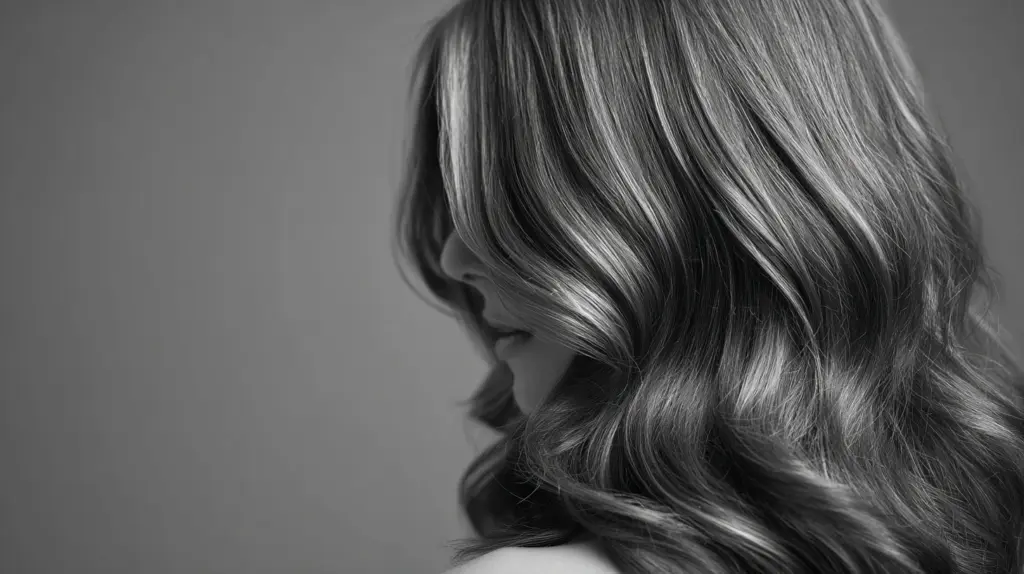
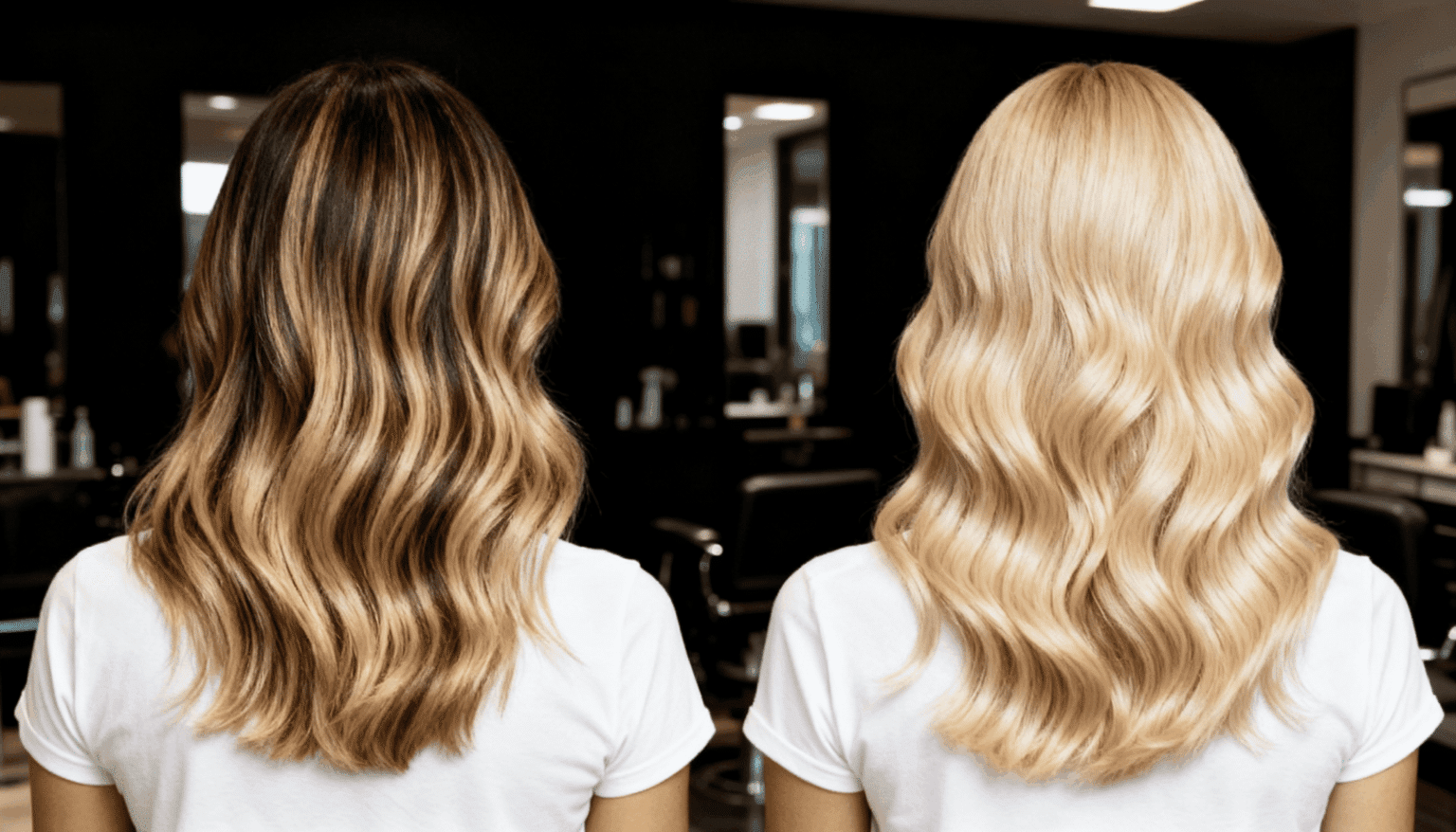
Highlights are strands of hair that are lightened to a shade brighter than your natural color.
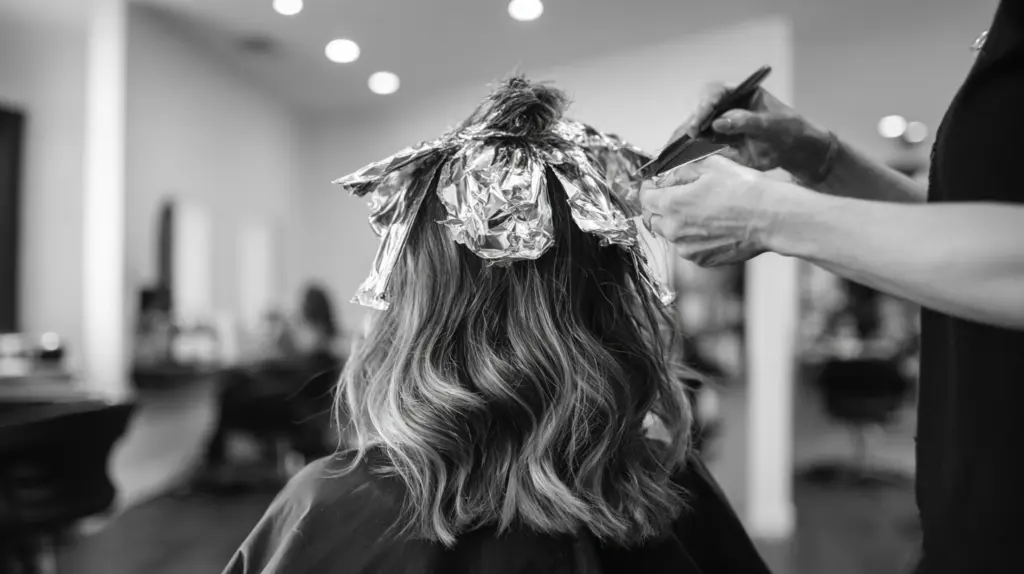
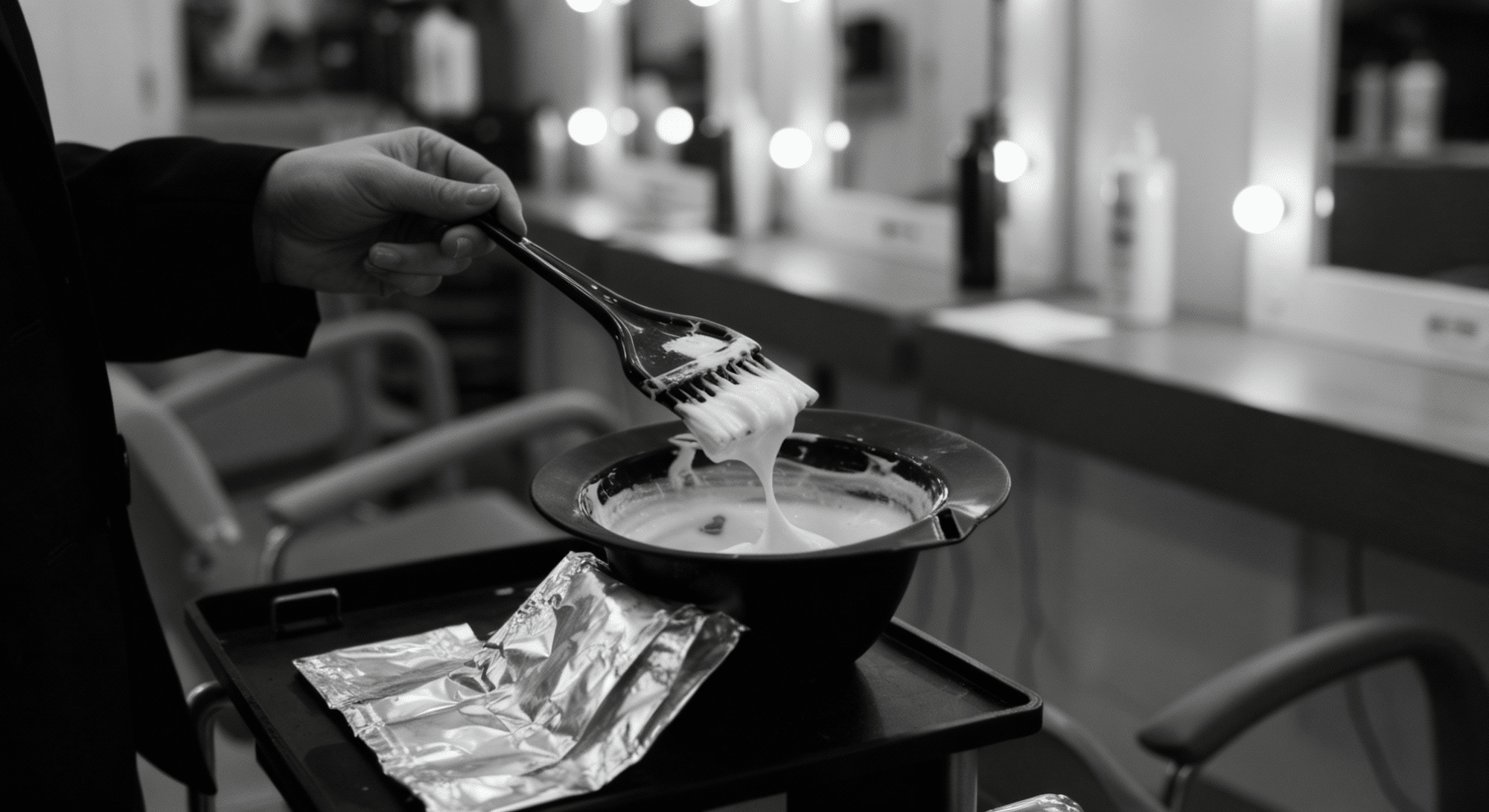
The process involves applying bleach or lightener to specific sections of your hair. Your stylist will typically use foils or a cap to separate the hair they’re treating.
This keeps the color exactly where it should be and prevents it from bleeding into the rest of your hair.
The difference lies in where and how many highlights your stylist chooses to place.
Types of Hair Highlighting Techniques
There’s more than one way to add lightness to your hair.
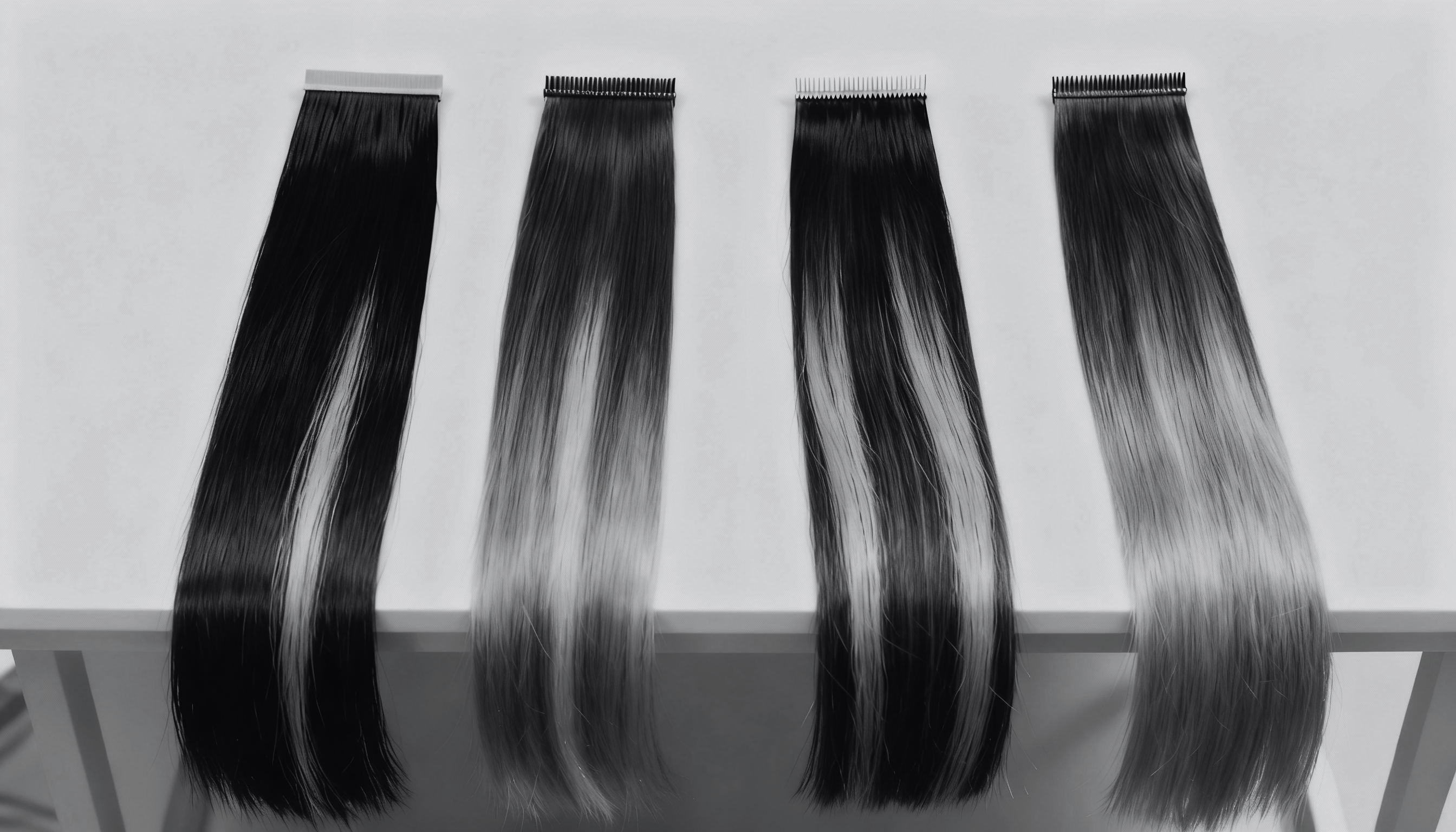
1. Foil highlights: Most common technique where the stylist wraps sections of hair in foil after applying the lightener, giving precise control. It works well for both partial and full highlights.
2. Balayage: It is a freehand painting technique in which the stylist literally paints lighter tones onto your hair, creating a more natural, blended look.
3. Babylights: They are super-fine, delicate highlights that mimic the subtle dimension you had as a kid. They’re placed close together and are thinner than traditional highlights.
4. Chunky highlights: Thicker, more noticeable sections of color.
5. Ombre and sombre: It creates a gradual fade from dark roots to lighter ends. Sombre is just a softer, more subtle version.
Partial Highlights vs Full Highlights – An Overview
| Specification | Partial Highlights | Full Highlights |
|---|---|---|
| Coverage Area | Top layers, crown, and face-framing sections only | Entire head – front, back, sides, and underneath |
| Time Required | 45 minutes to 1.5 hours | 2 to 4 hours |
| Cost Range | $50 to $150 (varies by salon) | $100 to $300+ (varies by salon) |
| Maintenance | Touch-ups every 8-12 weeks | Touch-ups every 6-10 weeks |
| Best For | Subtle changes, shorter hair, budget-conscious clients | Dramatic changes, all-over brightness, and longer hair |
| Dimension | Moderate; mainly visible from the front and top | Maximum – visible from every angle |
| Commitment | Low to moderate | High |
| Natural Look | Very natural, sun-kissed effect | Bolder, more noticeable color change |
Do Partial Highlights Work for all Hair Colors?
Short answer? Yes, but the results look different depending on your starting shade.
Partial highlights can work on any hair color, though some bases show them off better than others.
- Blonde hair: It takes partial highlights beautifully. If you’re already light, adding brighter pieces adds subtle dimension, creating soft, natural-looking contrast.
- Light to medium brown hair: This is where you get that classic sun-kissed look everyone wants. Caramel, honey, and golden tones blend seamlessly with brown. The highlights show up clearly but still look natural.
- Dark brown and black hair: It can absolutely rock partial highlights, but be careful about what you end up with. Going from very dark to very light in one session will damage your hair. You might need multiple sessions to go lighter.
- Red hair: It is tricky, but still doable. Lightening over artificial red can turn weird colors. You might need a color correction before highlighting.
- Gray or silver hair: It works great with partial highlights. Adding lighter, brighter silver or platinum pieces creates dimension and makes your gray look intentional. It’s a great way to embrace your natural silver.
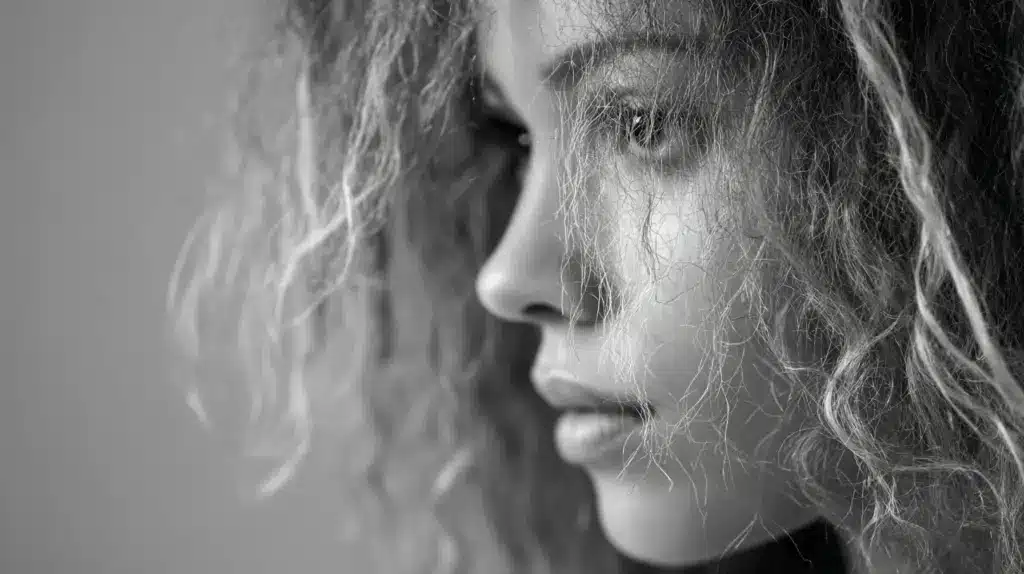
- The texture of your hair matters: Curly and textured hair shows highlights differently from straight hair. The color catches light in the curves and bends, creating tons of movement.
Talk to your colorist about what shades will complement your natural color. Not every blonde tone works for everyone, and your natural base plays a big role in what’s achievable.
Full vs Partial Highlights – What to Choose?
Choosing between partial highlights vs full highlights isn’t just about flipping a coin. Several factors should guide your decision, and honestly, what works for your friend might not work for you.
Full Highlights
Your hair length matters: If you have longer hair? Full highlights might be worth it since you have more surface area, and you’ll see the color from multiple angles when you style it differently.
Your natural base color: If you have a darker base, full highlights will get you there faster and create a more even transition.
Your styling habits: If you wear your hair up in ponytails or buns a lot, then full highlights are for you.
Budget: I’ll be honest, full highlights cost more. So if you’ve got the budget, go for it.
Maintenance: Full highlights need more frequent touch-ups, as more colored hair is showing regrowth.
Your lifestyle: If you don’t mind spending hours at the salon and have the time to maintain your color, full highlights can work for you.
Partial Highlights
Your hair length matters: With short hair, partial highlights often give you all the dimension you need; strategically placed highlights make a big impact.
Your natural base color: If you’re already relatively light and want some brightness, partial highlights it is.
Your styling habits: If you mostly wear it down, partial highlights will frame your face perfectly.
Budget: Partial highlights give you that pop without breaking the bank. You can always add more later.
Maintenance: You can stretch out appointments with partial highlights, saving both time and money.
Your lifestyle: Busy schedule? Partial highlights mean shorter salon visits and less frequent appointments.
Care Tips and Tricks
- Switch to color-safe shampoo and conditioner
- Don’t wash your hair every day
- Use purple shampoo if you went blonde
- Wash with lukewarm water and rinse with cool water
- Deep condition regularly
- Use a heat protectant before styling
- Limit sun exposure
- Get regular trims
Conclusion
So there you have it, the complete breakdown of full vs partial highlights. It all comes down to what works for your hair, your lifestyle, and your wallet.
They’ll look at your hair texture, color, and face shape to recommend what best suits you.
Ready to take the plunge? Grab that phone and schedule your appointment. Your hair treatment is waiting, and trust me, the confidence boost from fresh highlights is worth every penny.