
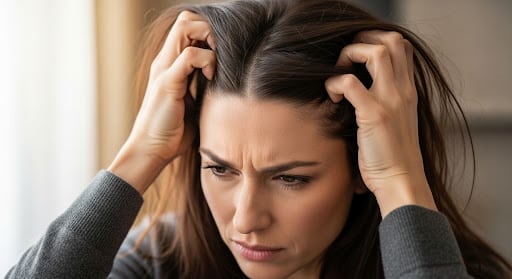
That constant itch on your scalp is driving you nuts, isn’t it?
And finding more hair on your pillow each morning makes it worse. I’ve been there too. You don’t always need expensive treatments or harsh chemicals to fix these problems.
Simple home remedies can work wonders for scalp itching and hair loss. In this guide, I’ll share natural solutions that actually work from kitchen ingredients to easy daily habits.
These remedies helped me, and they might just be what your scalp needs to feel healthy again.
Reasons for Scalp Itching
Before we fix the problem, we need to understand what’s causing it.
Let me break down the specific scalp conditions that cause both itching and hair loss. Knowing exactly what you’re dealing with helps you choose the right home remedy.
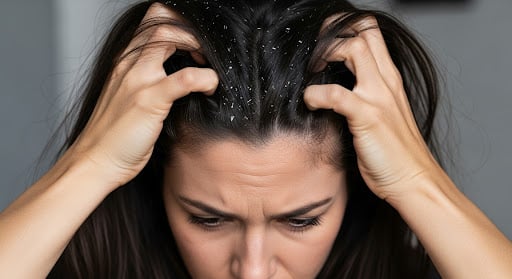
An itchy scalp isn’t just annoying, it’s your skin crying out for help. When that itch becomes constant and hair starts falling, there’s usually a specific condition behind it.
Common Causes of Itchy Scalp
These everyday factors affect most people and can usually be managed with simple lifestyle changes and proper hair care routines at home.
1. Dry Scalp occurs when cold weather, harsh shampoos, or dehydration strip moisture from your scalp. This leads to uncomfortable flaking, tightness, and persistent itching that can affect your daily comfort.
2. Dandruff develops from yeast overgrowth on your scalp, creating those familiar white flakes. The condition also causes itching and oily skin that can damage your hair follicles over time.
3. Product Buildup happens when hair product residues accumulate and clog your pores. This creates greasy buildup, itching sensations, and blocked follicles that interfere with healthy hair growth.
4. Stress can trigger various scalp conditions, including autoimmune responses that create thick scales. The resulting severe itching and inflammation often lead to noticeable hair loss.
5. Poor Diet lacking essential nutrients like iron, zinc, omega-3s, and B vitamins affects your scalp health. This nutritional deficiency can result in a dry, itchy scalp and dull, lifeless hair.
Medical Causes of Itchy Scalp
These conditions require professional diagnosis and treatment from a dermatologist or healthcare provider, as they involve underlying health issues that need medical attention.
1. Tinea Capitis (Ringworm) is a highly contagious fungal infection that creates round, itchy patches on your scalp. The condition often causes bald spots where hair breaks off completely.
2. Seborrheic Dermatitis results from yeast overgrowth specifically on oily scalps. This condition produces greasy yellow scales, visible redness, and intense itching that can be quite uncomfortable.
3. Scalp Psoriasis is an autoimmune disorder that creates thick, silvery scales on your scalp. The condition causes severe itching and can lead to hair loss due to ongoing inflammation.
4. Fungal and Yeast Infections cause various scalp problems, including itchy, flaky patches and redness. These infections damage follicles and significantly slow down your hair growth process.
5. Contact Dermatitis (Severe Allergic Reaction) occurs when harsh chemicals or allergens in hair products trigger extreme reactions. This condition causes burning sensations, visible redness, painful blistering, and intense itching.
Hair Loss
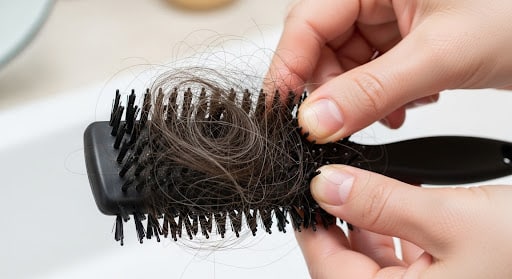
Hair loss can be scary, especially when you see strands everywhere, on your pillow, in the shower, and on your brush.
But once you know what’s triggering it, you can fight back with the right remedies.
| Common Causes of Hair Loss | Medical Causes of Hair Loss |
|---|---|
| Stress: Emotional or physical stress shocks hair follicles into the resting (telogen) phase, causing noticeable shedding. | Androgenetic Alopecia: Genetic hair thinning or pattern baldness, common in both men and women. |
| Nutritional Deficiencies: Lack of protein, iron, vitamin D, biotin, and zinc weakens hair and slows growth. | Alopecia Areata: An Autoimmune condition where the immune system attacks hair follicles, causing round bald patches. |
| Overstyling / Heat Damage: Excessive use of styling tools or chemical treatments leads to brittle, breakable hair. | Thyroid Disorders: Imbalances in thyroid hormone levels can lead to widespread hair thinning. |
| Tight Hairstyles: Styles like tight ponytails or braids cause traction alopecia by constantly pulling at hair roots. | Telogen Effluvium: Triggered by illness, surgery, medications, or trauma, causing a temporary increase in shedding. |
| Hormonal Changes: Pregnancy, menopause, or stopping birth control disrupts the normal hair cycle. | Tinea Capitis (Scalp Ringworm): A Fungal infection causing itchy, scaly patches and broken hairs, mostly affecting children and adults. |
Scalp Itching and Hair Loss Home Remedies to Help You Heal
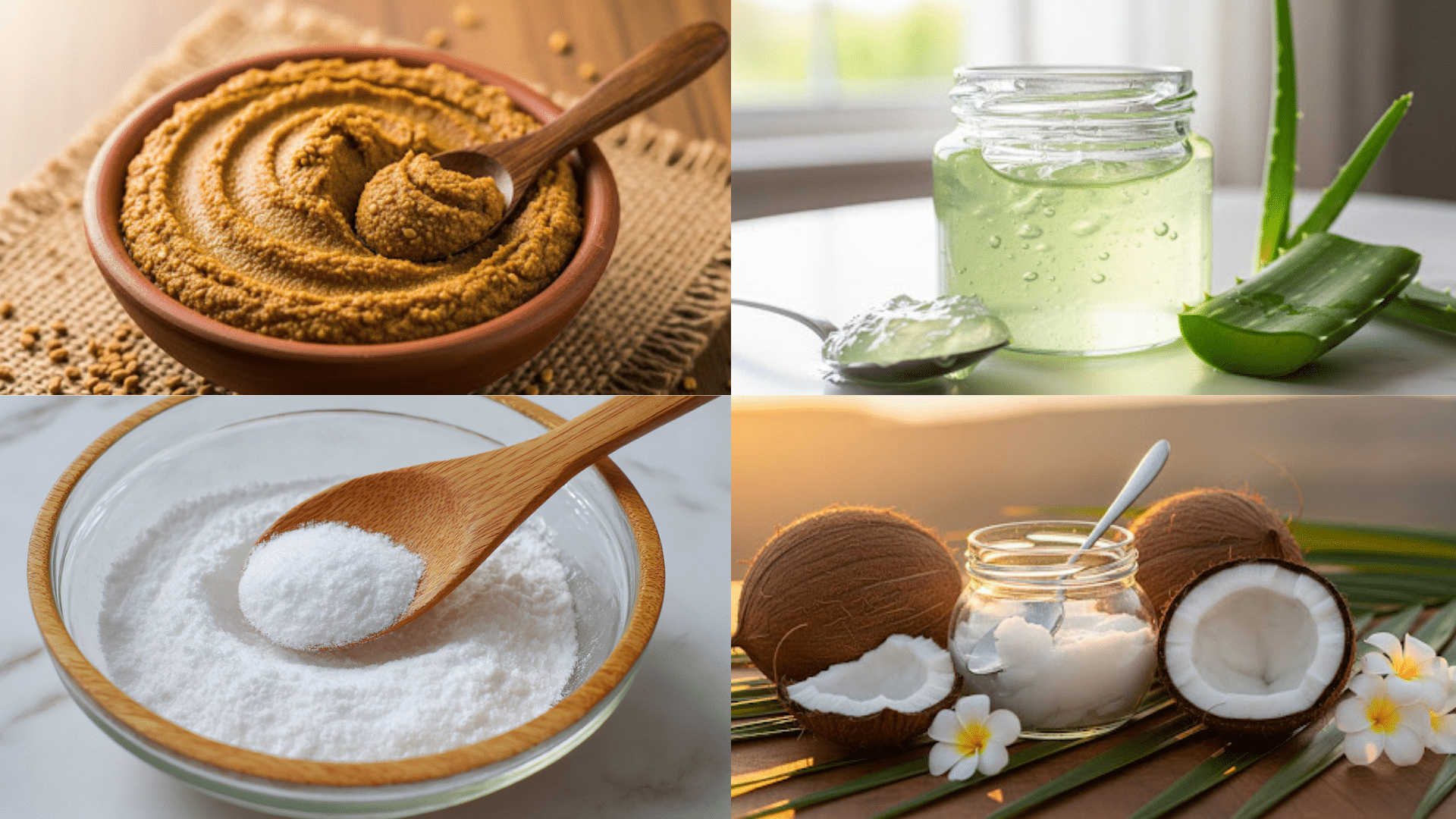
After years of trying expensive products, I found that my kitchen had the best solutions all along.
These scalp itching and hair loss home remedies cost almost nothing, and they actually work better than most store-bought treatments I’ve tried.
1. Coconut oil massage: Warm up two tablespoons of coconut oil and massage it into your scalp. The lauric acid fights fungus and bacteria while moisturizing dry skin. Leave it on for 30 minutes before washing. I do this twice a week, and it keeps my scalp calm.
2. Apple cider vinegar rinse: Mix equal parts water and apple cider vinegar in a spray bottle. After shampooing, spray it on your scalp and wait five minutes before rinsing. It balances pH levels and removes buildup that causes itching.
3. Aloe vera gel: Fresh aloe vera straight from the plant works best. Apply the gel directly to irritated areas and leave for 20 minutes. It cools the itch instantly and helps heal damaged skin.
4. Tea tree oil treatment: Add 5 drops of tea tree oil to your regular shampoo. Its antifungal properties fight dandruff and infections. But never use it pure – it’s too strong and will burn your scalp.
5. Onion juice application: Blend one onion and strain the juice. Apply to your scalp for 15 minutes before washing. Yes, it smells terrible, but the sulfur boosts hair growth and fights infections.
6. Fenugreek seed paste: Soak two tablespoons of seeds overnight, then grind into a paste. Apply for 30 minutes before rinsing. This remedy strengthens hair roots and soothes inflammation.
7. Baking soda scrub: Mix one tablespoon with water to make a paste. Gently scrub your scalp to remove dead skin and product buildup. Use only once a week – more will dry out your scalp.
8. Green tea rinse: Brew strong green tea, let it cool, and use as a final rinse. The antioxidants reduce inflammation and stimulate hair follicles. Plus, it doesn’t smell bad like onion juice!
9. Neem oil treatment: Mix five drops of neem oil with coconut oil. Massage into scalp and leave overnight. It kills bacteria and fungus while promoting hair growth. The smell isn’t great, but it works.
10. Egg yolk mask: Beat two egg yolks with a tablespoon of olive oil. Apply to the scalp for 20 minutes. The protein and biotin strengthen hair while the oil moisturizes. Just rinse with cool water, or you’ll cook the egg!
Disclaimer: These home remedies are for informational purposes only and should not replace professional medical advice. Always consult a dermatologist for persistent scalp issues, and test any new treatment on a small skin area first to check for allergic reactions.
Lifestyle & Dietary Support
These scalp itching and hair loss home remedies work great, but what you do every day matters just as much.
I noticed my scalp itching and hair loss problems improved when I changed my daily habits and adjusted my diet.
Daily Habits That Support Scalp Health
- Manage your stress levels: High stress triggers scalp inflammation and pushes hair into the shedding phase. Relaxation methods like meditation or deep breathing help reduce sensitivity.
- Get enough sleep: The scalp repairs itself during sleep, so aim for 7–8 hours nightly for healthier hair growth and less shedding.
- Exercise regularly: Boosts blood flow to the scalp, delivering oxygen and nutrients to hair follicles; even short walks help.
- Stay hydrated: Drinking at least 8 glasses of water daily prevents dryness and flakiness in the scalp.
- Protect from sun damage: Wearing a hat or avoiding peak sun protects scalp follicles from UV-related damage, burns, and itching.
Foods That Fight Scalp Issues
- Iron-rich foods (Spinach, lentils, red meat): Prevent hair loss due to iron deficiency; iron supports oxygen delivery to follicles.
- Omega-3 fatty acids (Salmon, walnuts, flaxseeds): Reduce scalp inflammation and improve internal moisture balance for scalp health.
- Zinc sources (Pumpkin seeds, chickpeas, oysters): Support scalp healing, help prevent dandruff, and slow hair growth.
- Biotin-packed options (Eggs, almonds, sweet potatoes): Strengthen hair strands and prevent brittleness from biotin deficiency.
- Vitamin C foods (Oranges, strawberries, bell peppers): Aid iron absorption and boost collagen for stronger follicles.
Conclusion
Living with an itchy scalp and hair loss can feel overwhelming, but now you have the tools to fight back.
Start with just one remedy tonight, and maybe coconut oil or an apple cider vinegar rinse.
These scalp itching and hair loss home remedies saved my hair when nothing else worked. Remember, consistency beats perfection.
Pick the solutions that fit your lifestyle and stick with them for at least three weeks. Your scalp didn’t get irritated overnight, so give it time to heal.