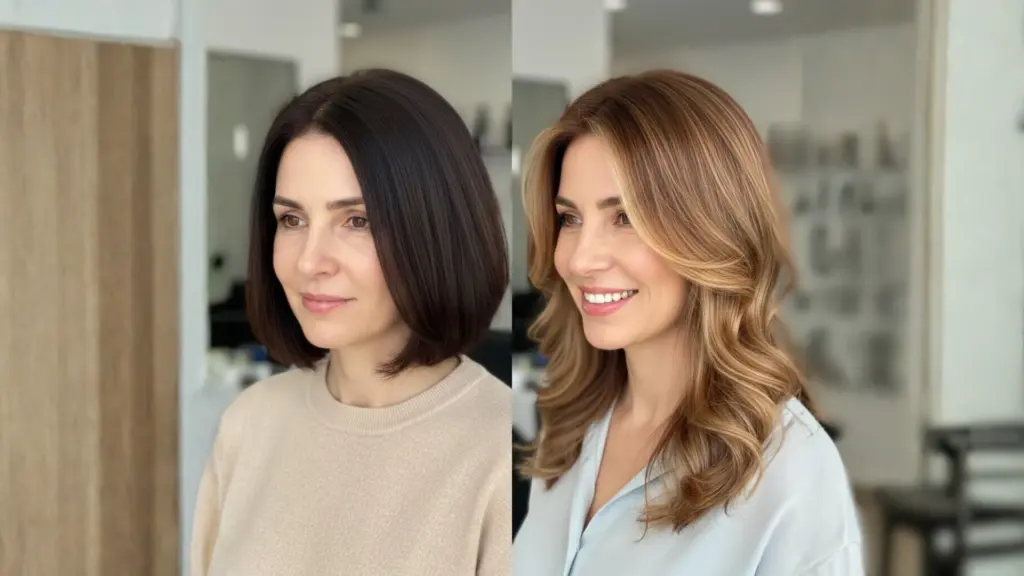


Does your hair look straight at the top but curl strangely at the bottom?
This frustrating problem affects people with all hair types. The ends flip, frizz, or bend in ways that seem impossible to control.
This blog explains why hair curls up at the ends and what to do about it. From understanding the causes to fixing or accepting the curls, everything needed is here.
Why Does This Happen?
Hair doesn’t curl at the ends by accident. There’s science behind it.
The tips of hair strands are the oldest part. They’ve been through months or even years of wear and tear.
Think of hair like a rope. The ends fray first because they’re furthest from the source. Hair works the same way. The scalp produces natural oils that protect hair. But these oils don’t always reach the ends.
Hair structure matters too. Each strand has three layers.
- The outer layer is called the cuticle.
- When this layer gets damaged, hair loses its shape.
- The ends become weak and start to curl in random directions.
Length also affects how hair behaves. Longer hair means older ends. More time means more exposure to things that cause damage.
Shorter hair often has healthier ends because they’re newer.
Common Causes of Hair Curling at the Ends
Several factors make hair curl up at the ends. Here are the main culprits:
1. Heat styling damage: Flat irons, curling wands, and blow dryers weaken hair proteins. The ends get the most heat exposure and become dry and prone to curling.
2. Lack of moisture: Dry hair can’t stay smooth. The ends are furthest from the scalp’s natural oils and don’t get enough hydration. Dehydrated tips start to curl or frizz.
3. Split ends and breakage: When hair splits, the strands separate and bend in different directions. Each broken piece curls on its own, creating an uneven look.
4. Chemical treatments: Hair color, bleach, and relaxers strip away protective layers. The ends absorb more chemicals and become porous, causing them to curl unpredictably.
5. Natural hair texture: Some people have wavy or curly hair that only shows at the ends. As hair grows longer, its true texture comes through at the tips.
Is it a Sign of Healthy Hair?
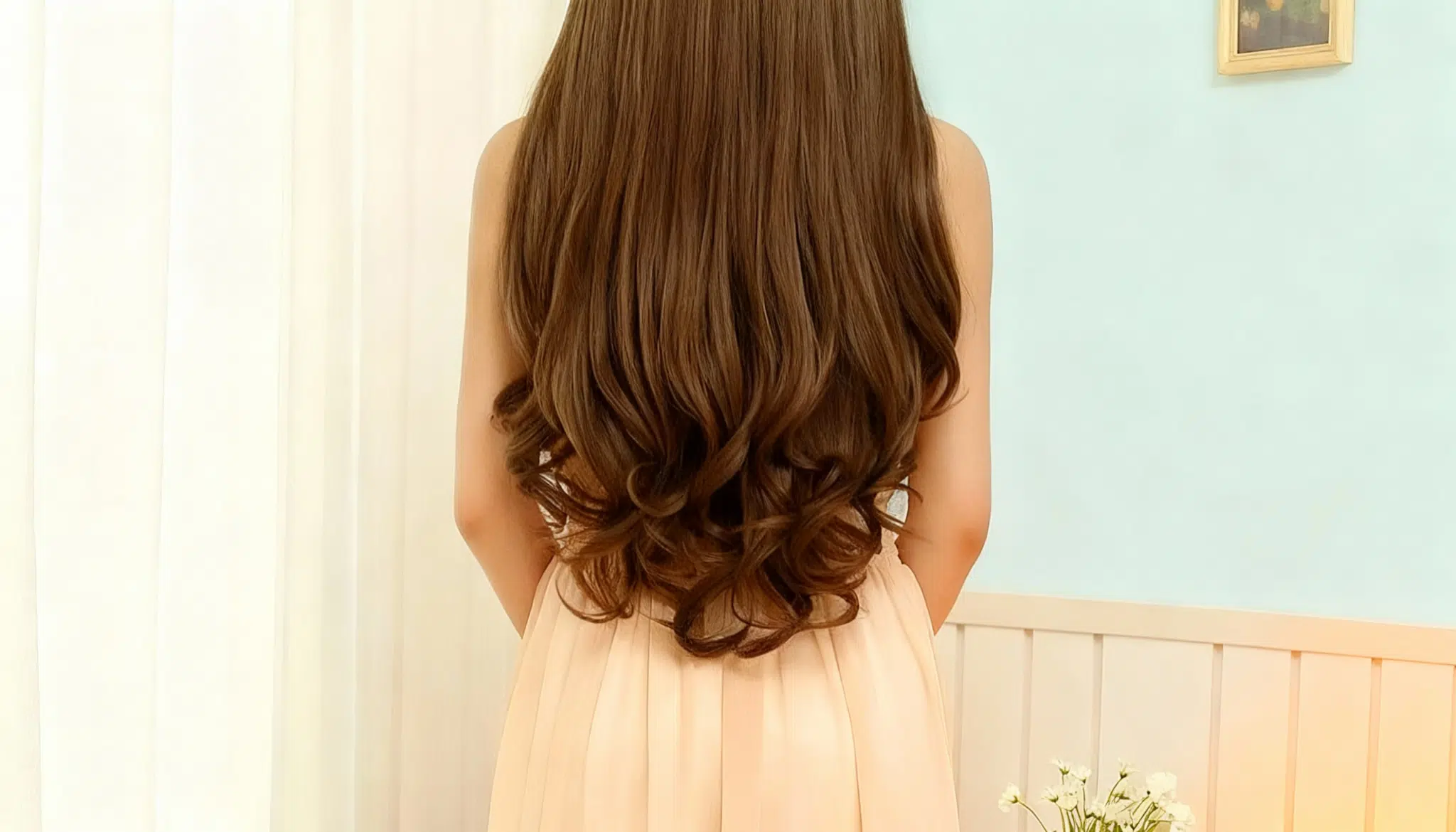
Curly hair at the ends is usually not a sign of healthy hair. It often points to damage or dryness.
Healthy hair has smooth, intact cuticles that lie flat. When the ends curl unexpectedly, it means the hair structure has changed.
Signs of Damage:
- The curls feel rough or straw-like
- Ends are frizzy and won’t stay in place
- Hair has split ends or breaks easily
- Curling only started after heat styling or coloring
When It Might Be Normal:
- Hair has a natural wave or curl pattern
- The texture is soft and bouncy, not rough
- Curls appear evenly along the hair shaft
Most of the time, sudden curling at the ends means the hair needs moisture and repair. Healthy hair maintains a consistent texture from root to tip.
How to Prevent Hair from Curling at the Ends
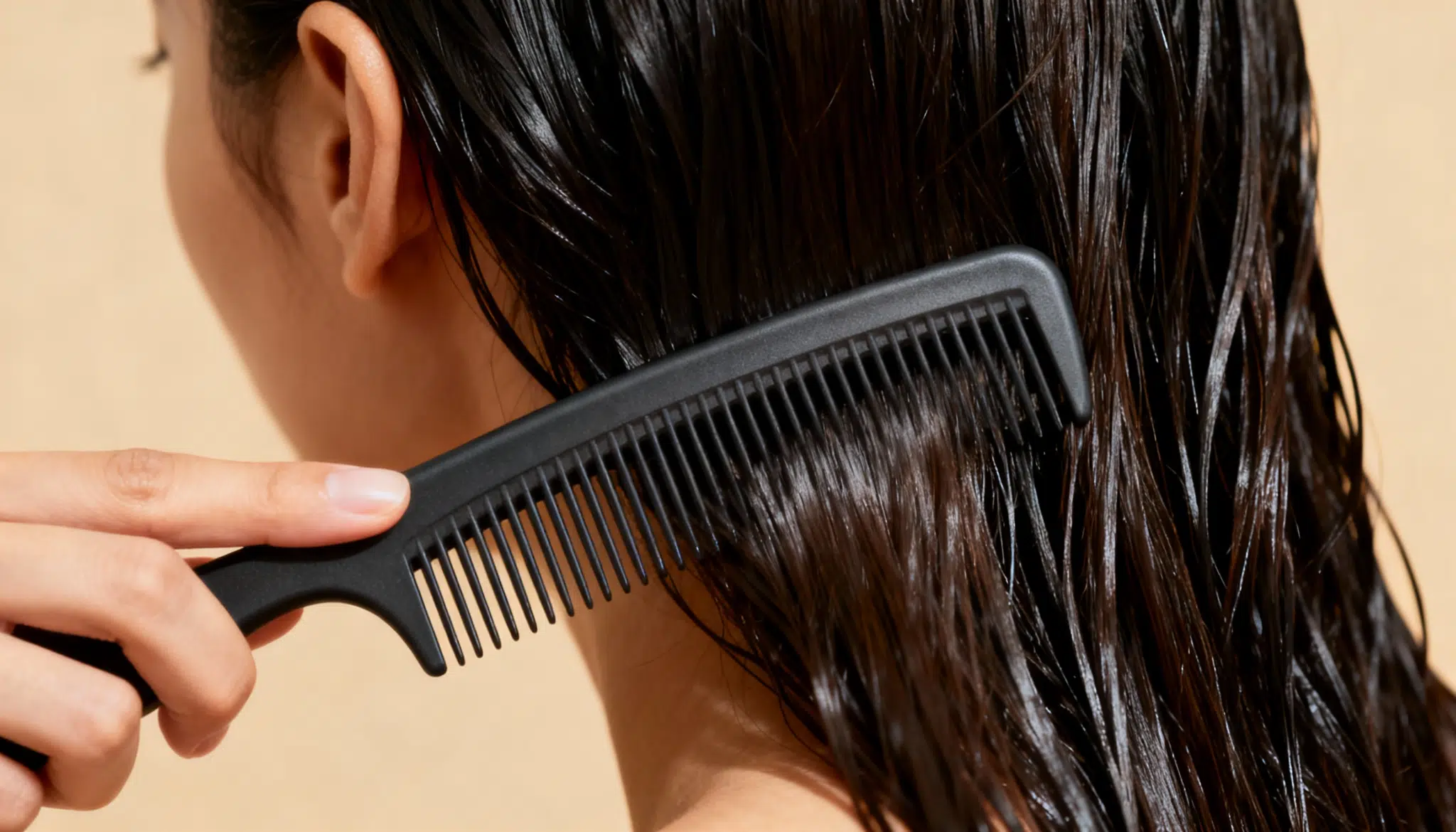
Preventing hair from curling at the ends requires proper care and protection. These steps help keep hair smooth and healthy.
Trim Regularly
Get haircuts every 6-8 weeks. This removes damaged ends before they split further. Fresh cuts keep hair looking neat and prevent curling from worsening.
Reduce Heat Styling
Limit the use of flat irons and curling wands. Always apply a heat protectant spray before styling. Keep tools on lower temperature settings. Air-dry hair when possible to avoid heat damage.
Deep Condition Weekly
Use a moisturizing hair mask once a week. Focus the product on the ends where hair is driest. Leave it on for 10-15 minutes before rinsing. This restores moisture and smooths the cuticle.
Protect Hair While Sleeping
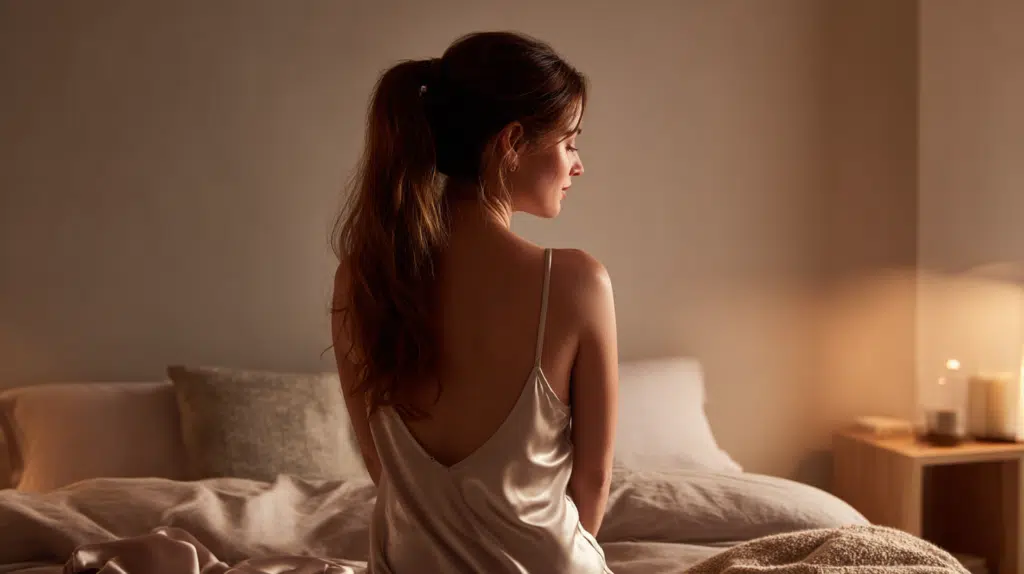
Sleep on a silk or satin pillowcase. These materials create less friction than cotton. Tie hair in a loose braid or bun to prevent tangling and breakage overnight.
Use the Right Products
Choose shampoos and conditioners made for dry or damaged hair. Apply leave-in conditioner to damp ends daily. Avoid products with harsh sulfates that strip natural oils.
Be Gentle When Brushing
Use a wide-tooth comb on wet hair. Start at the ends and work up slowly. Never yank or pull through tangles. Rough brushing damages the cuticle and causes ends to curl.
Styling Tips
Hair that curls at the ends can be styled in different ways. Some people want to smooth it out.
Others prefer to work with the natural curl. Both approaches are possible with the right techniques.
To Smooth Out the Curls
-
Blow dry with a round brush – Wrap small sections around a round brush while drying. Pull the brush downward through the ends. This creates tension that straightens curls.
-
Use a flat iron on low heat – Run the iron slowly through the ends only. Don’t clamp too hard. A light pass smooths curls without causing more damage.
-
Apply smoothing serums – Put a small amount of anti-frizz serum on damp ends. This weighs down the hair and keeps it from curling up as it dries.
-
Try the cold shot button – After blow drying, blast hair with cold air. This seals the cuticle and locks in smoothness.
To Embrace the Curls
-
Scrunch with mousse – Apply curl-enhancing mousse to damp hair. Scrunch the ends upward with your hands. Let it air dry for natural-looking waves.
-
Twist sections while drying – Wrap small pieces of hair around your finger. This defines the curls and makes them look intentional instead of messy.
-
Use curl cream – Work a dime-sized amount through the bottom half of hair. This adds definition and reduces frizz while keeping curls soft.
How Different Hair Types Behave at the Ends
Hair behaves differently at the ends depending on its natural texture. This table shows what to expect from each type.
| Hair Type | End Behavior | Main Challenge | Quick Fix |
|---|---|---|---|
| Straight Hair | Flips outward or lies flat and blunt | Lacks movement and body | Add layers for bounce |
| Wavy Hair | Forms loose bends that vary in size | Uneven wave pattern | Scrunch with styling cream |
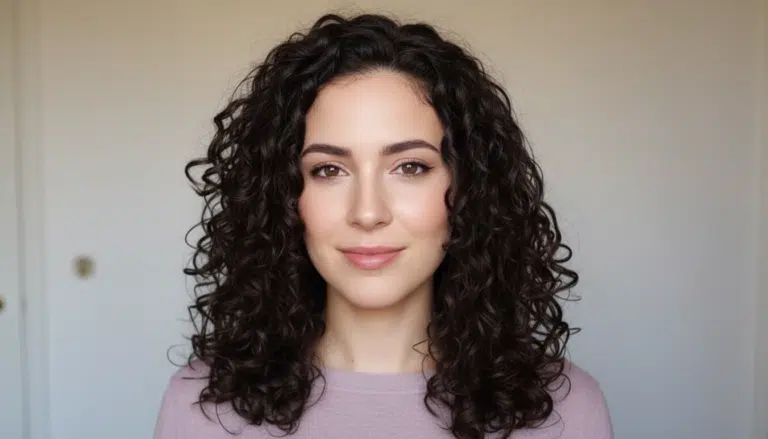
| Curly Hair | Coils tightly or loses curl shape | Tangles and dryness | Finger detangle when wet |
Wrapping Up
Hair that curls at the ends usually signals damage or dryness. But it can also be a natural texture showing through.
The good news is that proper care makes a difference.
Some people prefer to smooth out the curls completely. Others choose to work with them and create intentional styles. Both options are valid.
Start with one change and see what works best.