

Viking women spent hours on their hair, and it wasn’t just about looking good.
Their hairstyles revealed if they were married, wealthy, or held a special role. A single braid meant something different than elaborate knots wrapped with silk ribbons.
In this blog, you will learn the secrets behind these ancient styles.
You’ll see how Viking women’s different hair choices, how to recreate them, and some inspirations.
The History of Traditional Female Viking Hairstyles
Viking women lived between 793 and 1066 AD in Scandinavia.
They took their hair seriously. Archaeological finds show they owned combs made from bone and antlers.
These women kept their hair long, often past their shoulders. Braiding was common for practical reasons. Long hair stayed out of the way during work.
Married women typically wore their hair up or covered. Young girls could wear their hair loose. The styles changed based on where they lived.
Norwegian women had different preferences from Danish women.
Historians learned about these styles from burial sites and old written records.
The Symbolism
Viking hairstyles carried deep meaning. A woman’s hair revealed her marital status at first glance.
Loose hair often meant she was unmarried. Braided and covered hair showed she had a husband. Complex styles indicated wealth and high social standing, and simple braids were common among working women.
Hair is also connected to spiritual beliefs.
Long, healthy hair symbolized fertility and strength. Cutting a woman’s hair was considered shameful.
It could be a punishment for serious offenses. Hair represented a woman’s honor in Viking society
Key Features of Viking Hairstyles
Viking women across Scandinavia developed distinct hair traditions over three centuries.
These styles served practical purposes while reflecting their daily lives.
1. Long Hair Length
Most Viking women grew their hair long, often reaching their waist or beyond. Long hair was the standard across all social classes.
Women rarely cut their hair short unless they faced illness or punishment. They maintained this length throughout their lives.
2. Braiding Techniques
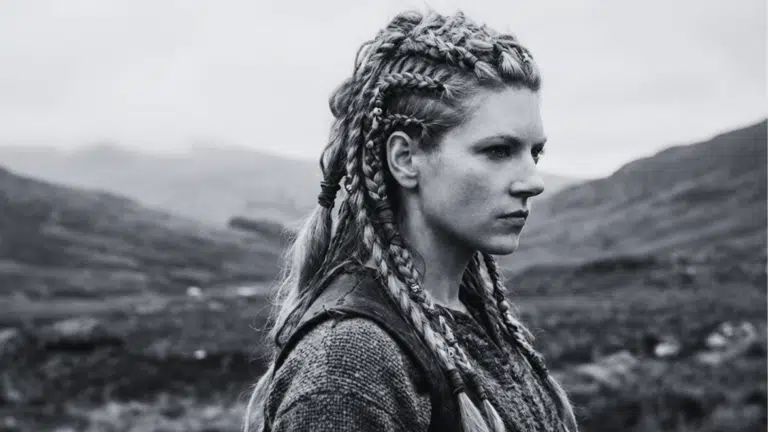
Braiding was the most common styling method for Viking women. They created single braids, double braids, or multiple smaller braids depending on the occasion.
Braids kept hair manageable during physical work like farming, cooking, and textile production.
3. Hair Coverings
Married women often covered their hair with linen cloths or wool wraps. This practice distinguished them from unmarried girls who wore their hair openly.
Some women wrapped their braids before covering them, while others tucked loose hair completely under the fabric for cleanliness.
4. Natural Hair Colors
Viking women had hair colors ranging from blonde to dark brown and red. They sometimes lightened their hair using lye soap made from wood ash.
This soap cleans hair while gradually creating lighter tones over time.
5. Hair Accessories
Women used bone pins, wooden combs, and metal clasps to secure their hairstyles. Wealthy women owned decorated pins made from bronze or silver with intricate designs.
These accessories held braids in place and kept head coverings secured throughout the day.
Combs were essential tools that every woman carried, often hanging from their belt for easy access.
How to Recreate Traditional Viking Hairstyles at Home?
Modern enthusiasts can recreate authentic Viking hairstyles with basic tools and techniques.
These historical styles work well for reenactments, festivals, or anyone interested in Norse culture.
1. Prepare Your Hair
Start with clean, dry hair that reaches at least shoulder length for authentic Viking styles. Brush through all tangles using a wide-toothed comb, working from the ends upward.
If your hair is very straight, add some texture by braiding damp hair overnight. Viking women had naturally textured hair from their environment and daily activities.
2. Create a Simple Three-Strand Braid
Divide your hair into three equal sections at the back of your head. Cross the right section over the middle, then the left over the new middle section.
Continue this pattern down the length of your hair, keeping tension even throughout. Secure the end with a fabric strip or leather cord instead of modern elastic bands.
3. Make a Wrapped Braid
Braid your hair using the three-strand method, then coil it into a bun at your neck’s base.
Wrap the coiled braid with a long strip of linen or wool fabric in spiral motions. Secure the wrapped braid with bone-style pins or wooden hairpins pushed through the coil.
This style kept hair protected and looked neat for married women.
4. Try Double Braids
Part your hair down the middle from forehead to neck, creating two equal sections on each side.
Braid each section separately using the three-strand technique, keeping both braids at similar tightness levels. Let the braids hang down or pin them up across the top of your head.
Young Viking women commonly wore this style during work.
5. Add a Head Covering
Place a square piece of linen fabric over your styled hair, centering it on your head.
Bring the corners under your chin and tie them at the back of your neck securely. Tuck any loose ends under the fabric for a clean appearance that stays in place.
Married women wore these coverings daily over their braided hair.
6. Use Authentic Accessories
Replace plastic clips with bone pins, wooden sticks, or metal clasps for a more authentic appearance.
Look for reproduction Viking hair accessories at craft fairs or historical reenactment shops online.
You can also make simple wooden pins by whittling smooth sticks to a point at one end. These tools hold hair just as effectively as modern products.
Ideas and Inspirations – Viking Hairstyles for females
Viking hairstyles styles blend authentic techniques with creative variations that work for different occasions.
Each option captures the spirit of Norse hair traditions while remaining practical for today’s lifestyle.
Long Loose Viking Hair
Let your hair flow naturally down your back with minimal styling for a simple, authentic look. Add a center part and tuck small sections behind your ears to frame your face.
This style works best for casual days at home or relaxed outdoor activities.
Young unmarried Viking women often wore their hair loose, especially during their teenage years before marriage.
Fishtail Viking Braid
Create a fishtail braid by dividing hair into two sections instead of the traditional three strands used in basic braids.
Take small pieces from the outer edge of each section and cross them over to the opposite side. Continue this pattern down the length of your hair for a textured, intricate appearance.
Viking Crown Braid
Braid two sections of hair from each side of your head, then wrap them across the top like a crown.
Secure the ends behind your head with pins, leaving the remaining hair flowing down your back freely.
This style combines the beauty of updos with the freedom of loose hair flowing behind. It keeps hair away from your face during activities.
Valkyrie Knot
Pull all your hair into a high ponytail at the crown of your head, then twist it tightly into a bun.
Secure the bun with wooden pins or bone-style accessories pushed through the center for stability and decoration.
This style keeps hair completely off your neck and shoulders, making it ideal for physical work or warm weather. It gives a strong, warrior-inspired appearance.
Shield Maiden Braids
Create multiple thin braids throughout your hair, mixing them with loose sections for a warrior-inspired look with texture.
Start three to five small braids at different points around your head, leaving most hair unbraided between them.
This style suggests readiness for action while maintaining a feminine appearance that Viking women would recognize. It’s perfect for festivals or themed events.
Viking Double Braids
Part your hair down the middle and create two equal braids on each side of your head, hanging down.
Keep the braids loose and chunky for a casual appearance, or make them tight and neat for special events.
This classic Viking style was extremely common among women of all ages across Scandinavia during the Viking Age.
Viking Hair with Beads and Rings
Add metal rings, wooden beads, or leather wraps to your braids for decoration and personal expression throughout the style.
Thread these accessories onto small sections before braiding them in, or slide them onto completed braids for easy placement.
Wealthy Viking women owned metal hair rings made from silver or bronze to display their family’s status. Modern versions create an authentic look for reenactments.
Maintaining and Care Tips
Viking hairstyles require regular upkeep to look their best and stay true to historical methods.
- Comb hair daily with a wide-toothed wooden or bone comb to remove tangles gently.
- Apply natural oils like coconut, olive, or argan oil to keep hair moisturized and shiny.
- Rebraid hairstyles every two to three days to maintain neatness and prevent excessive tangling.
- Wash hair weekly using mild, natural shampoos or traditional lye soap made from wood ash.
- Dry hair completely before braiding to prevent mildew and unpleasant odors from developing in braids.
- Trim split ends monthly to maintain healthy hair growth and prevent breakage along the length.
- Sleep with hair in a loose braid to protect the style and reduce morning tangles.
To Wrap Up
Female Viking hairstyles tell us more than just how these women looked. They show us their daily routines, their values, and their practical thinking.
From simple braids to wrapped buns, each style served a purpose in their busy lives.
Today, anyone can try these historical styles at home with basic tools and patience. The techniques remain surprisingly easy to learn and adapt.
Start with a simple three-strand braid and work up to more complex styles as skills improve.
Try one of these styles yourself. Feel that connection to history through something as simple as braided hair.