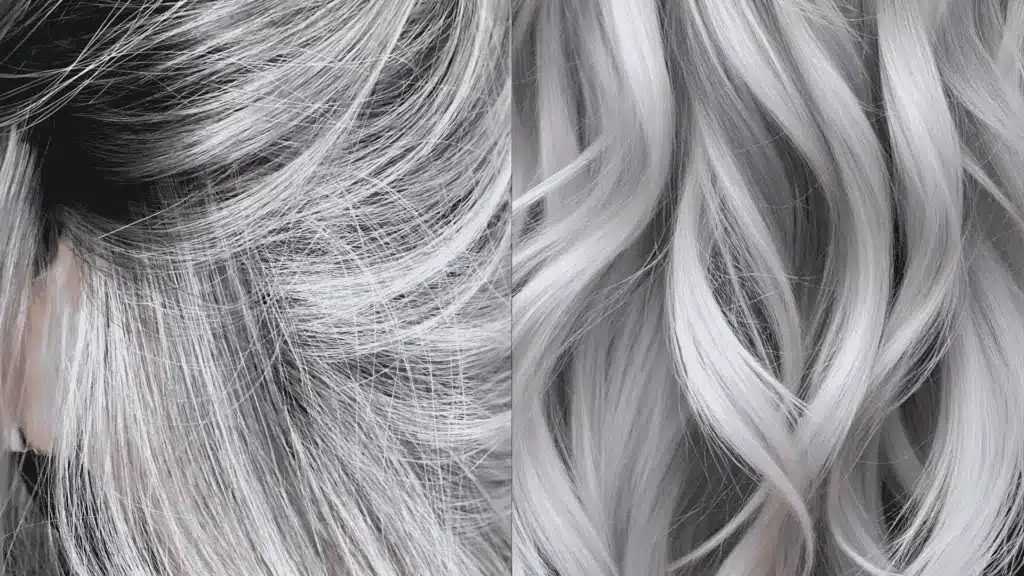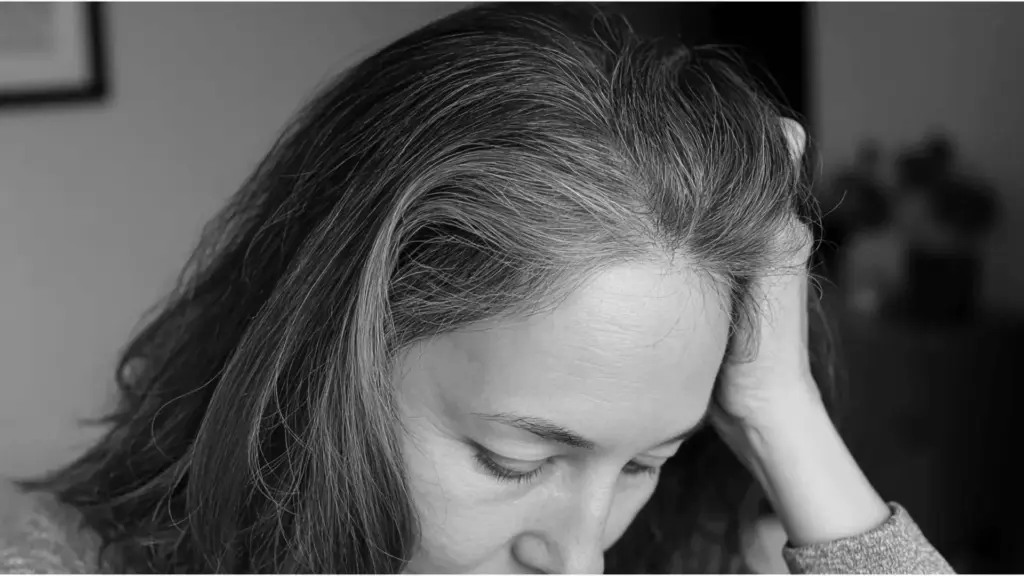


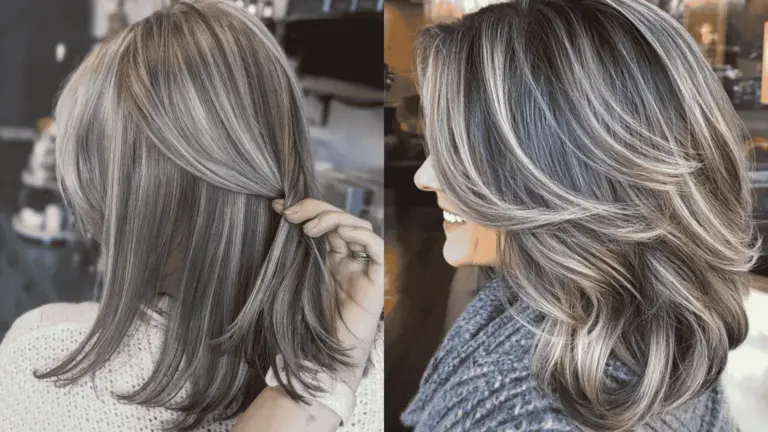
Grey hair can look great. But only if you treat it right. The problem?
Most people don’t know where to start. Highlights or lowlights, which one actually works for grey hair?
If you have ever seen silver highlights on darker hair, you already know how much they can change a look.
I got confused by this, too. They sound similar. But they work very differently on grey hair.
And choosing the wrong one can leave your hair looking flat and lifeless. Once you know the difference, the choice becomes easy.
In this blog, I’ll walk you through both options. Simple and clear.
So you can walk into your next salon appointment knowing exactly what to ask for.
Understanding Grey Hair
Grey hair is not just about colour. It is about how your hair changes completely.
Hair turns grey when it stops making melanin. Melanin is what gives hair its colour.
As you age, the cells that produce it slow down and eventually stop producing it. It is mostly in your DNA.
Your age and your family history decide when it happens, and there is not much you can do to stop it
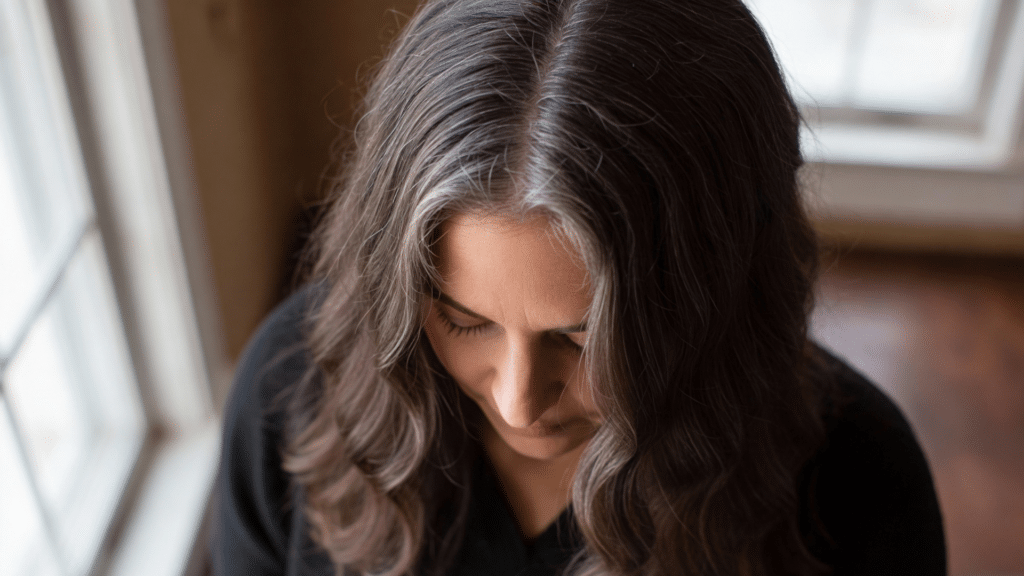
Grey hair also feels different. It gets coarser, drier, and harder to manage. It can look dull, turn yellow over time, or show uneven patches where some strands are grey, and others are not.
These changes make colour treatment a bit trickier than it sounds.
Lowlights vs Highlights for Grey Hair: Key Differences
Here is a clear breakdown to help you see the difference at a glance.
| Factor | Highlights | Lowlights |
|---|---|---|
| Appearance | Bright, blended, soft glow | Deep, rich, natural depth |
| Tone | Lighter, luminous | Darker, warmer |
| Maintenance | Every 8–10 weeks | Every 10–12 weeks |
| At-home Care | Toning shampoo needed | Colour-safe shampoo |
| Toning Products | Yes, to reduce brassiness | Rarely needed |
| Early Greying | Ideal choice | Works moderately |
| Mostly Grey | Great for blending | Adds depth and body |
| Fully White Hair | Enhances brightness | Breaks up stark white |
| Application | Foils on selected strands | Foils with darker shades |
| Process Time | 1.5 to 2 hours | 1.5 to 2 hours |
Highlights for Grey Hair
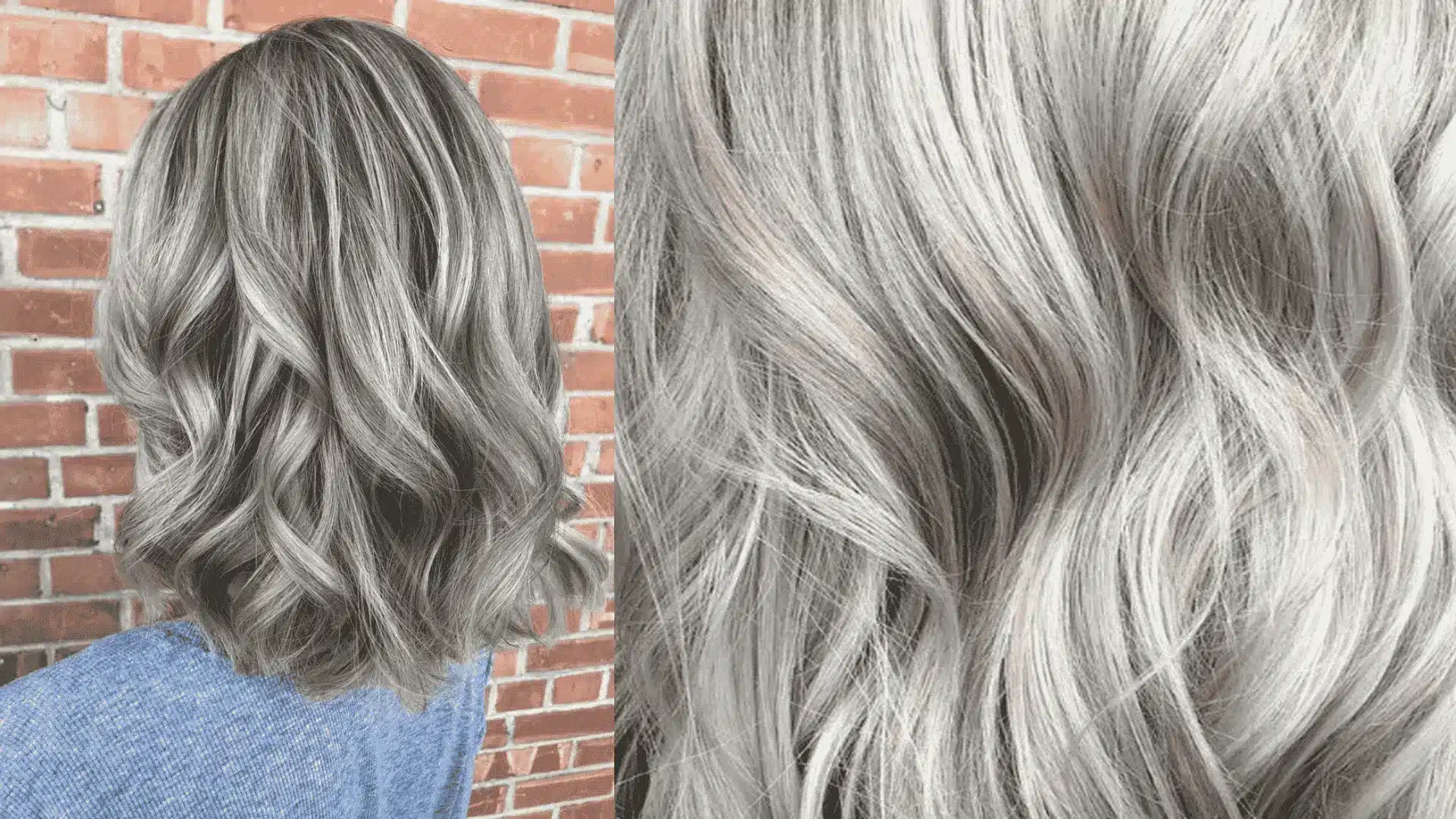
Highlights are among the most popular ways to work with grey hair, not against it. Here is what they actually do.
Silver-toned highlights, in particular, depend heavily on your complexion, much as when choosing the best skin tones for silver highlights.
How do Highlights Work?
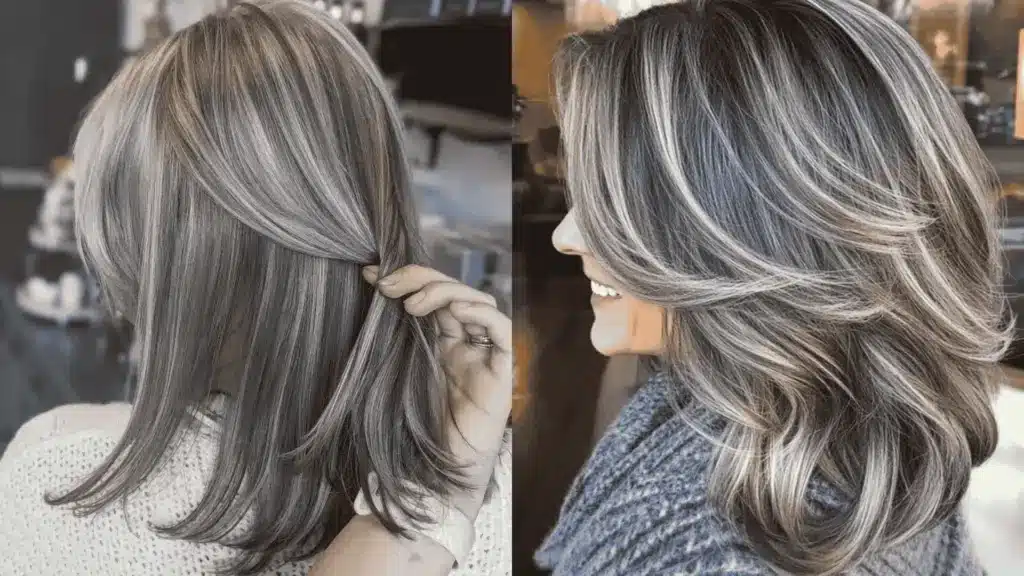
Highlights add lighter strands through your hair. This breaks up the grey and creates brightness.
The result? Your hair looks more alive and multi-tonal. It blends your natural grey in rather than fighting it.
Benefits of Highlights on Grey Hair
- They soften the regrowth line, so roots look less obvious.
- Highlights add shine and make hair look more alive.
- They work well if your grey is still coming in unevenly.
- Your hair gets more movement and dimension with highlights.
Downsides of Highlights
Grey hair is already dry. Highlights can push that dryness further.
You may also need a toner to cancel out any brassiness. Expect touch-ups every 8 to 10 weeks to keep things looking fresh.
Lowlights for Grey Hair
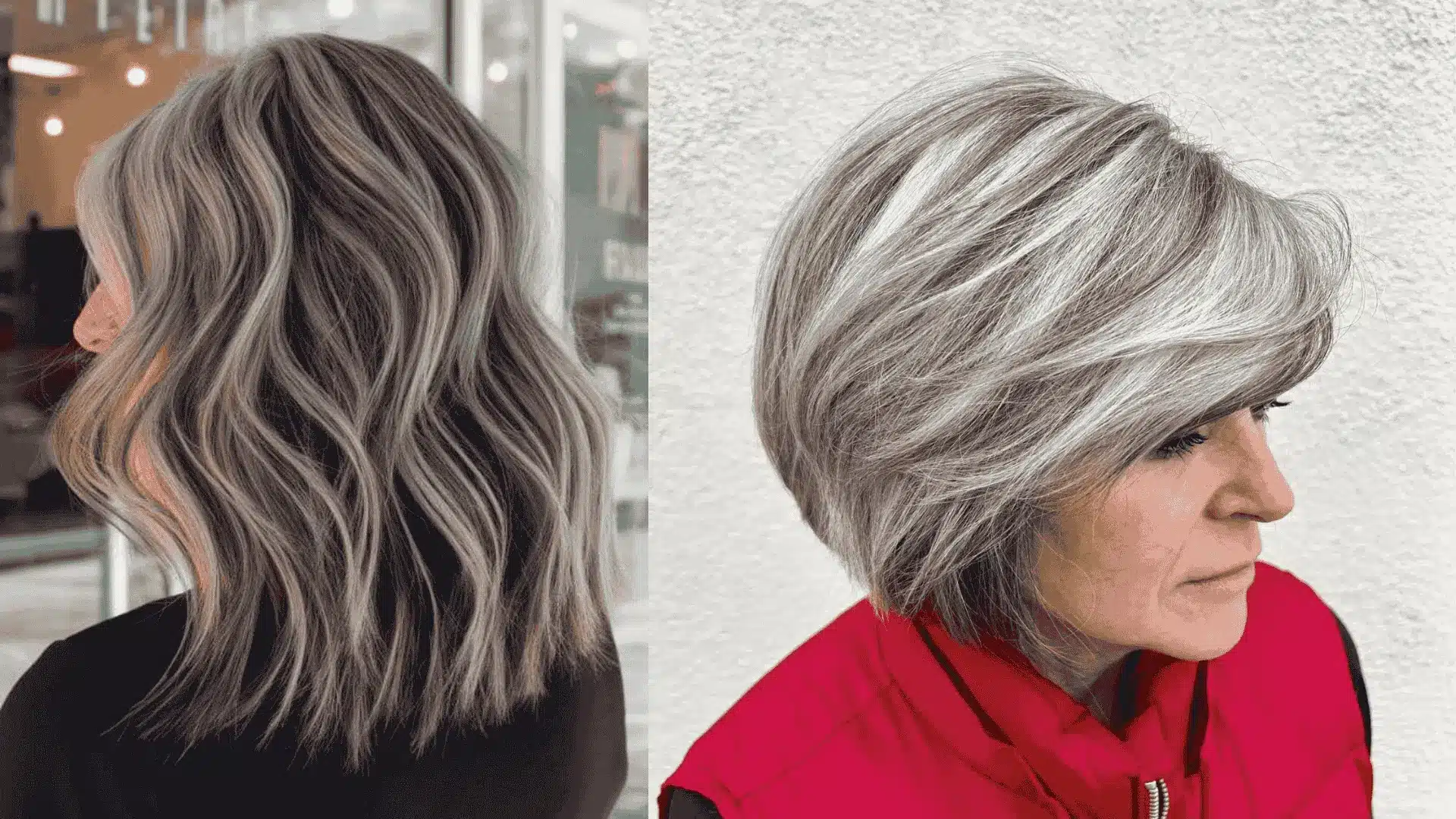
They take a different approach. Instead of going lighter, they add darker tones back into your hair. Here is how they work.
How do Lowlights Work?
Lowlights place darker strands through your hair. This creates contrast and depth that flat grey hair often lacks. They work especially well on sections that have gone fully white, breaking up that stark, one-dimensional look.
Benefits of Lowlights on Grey Hair
Lowlights make thin hair look fuller instantly.
They add dimension and soften that harsh white appearance. If your grey feels flat or lifeless, lowlights add visual weight and structure without dramatically changing your overall colour.
Downsides of Lowlights
Go too dark, and it looks unnatural fast. Matching the right shade to your grey takes skill; this is not a DIY job.
Lowlights also fade unevenly over time, so regular upkeep is needed to avoid a patchy finish.
Can You Combine Lowlights and Highlights?
Yes, and honestly, it is one of the smartest things you can do for grey hair.
Using both together adds brightness and depth at the same time.
Your hair gets that multi-tonal look that feels natural, not overdone. A good colourist will mix lighter and darker shades strategically around your face and through the lengths.
The result is hair that looks full, balanced, and intentional. It suits almost every stage of grey, too.
How to Disguise Hair with Highlights & Other Techniques
Not ready to fully own the grey yet? These techniques can help you manage it smartly.
- Use face-framing highlights to draw attention away from grey roots near the hairline.
- Try a toner to neutralise yellow or brassy tones that grey hair often develops.
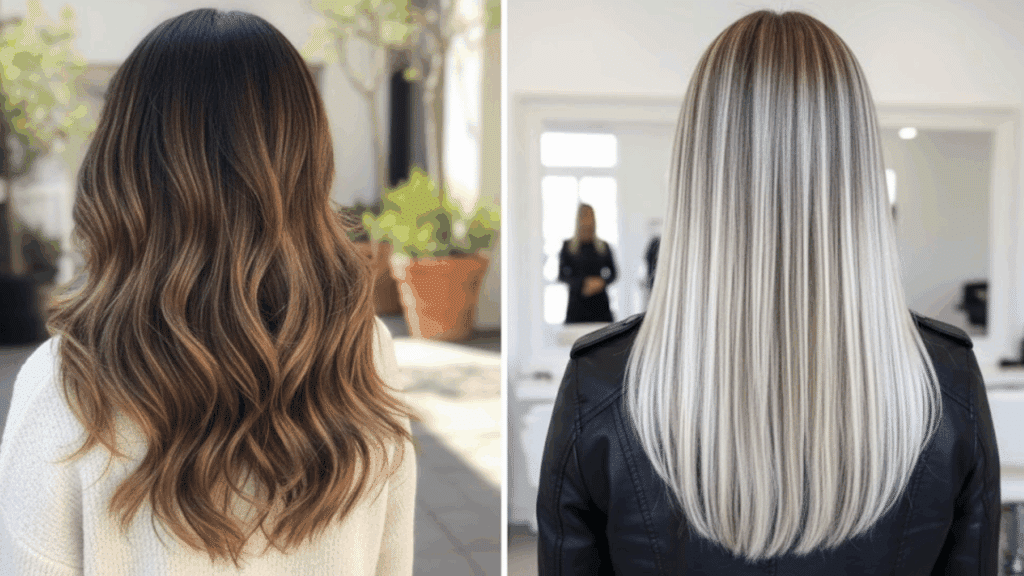
- Ask for a balayage effect to blend grey strands softly without harsh lines or blocks.
- Add lowlights strategically to break up dense white sections and make hair look fuller.
- Use colour-depositing shampoo at home to maintain vibrancy and tone between salon visits.
- Get regular trims to remove dry, coarse ends that make grey hair look unkempt.
Lowlights vs Highlights vs Other Techniques
There are more options than just highlights and lowlights. Balayage gives a softer, natural blend. Full colour covers everything. Toners fix brassiness fast.
Each method works differently depending on how much grey you have and what finish you want.
| Factor | Highlights | Lowlights | Balayage | Full Colour | Toner |
|---|---|---|---|---|---|
| Effect | Brightens | Adds depth | Soft, sun-kissed | Full coverage | Neutralises tone |
| Best For | Partial grey | Dense grey | Natural blend | Full grey coverage | Yellow/brassy hair |
| Maintenance | Every 8–10 weeks | Every 10–12 weeks | Every 12–16 weeks | Every 4–6 weeks | Every 4–6 weeks |
| Damage Level | Moderate | Low to moderate | Low | High | Very low |
| Cost | Moderate | Moderate | Moderate to high | Low to moderate | Low |
| DIY Friendly | No | No | No | Possible | Yes |
| Natural Look | Yes | Yes | Very natural | Less natural | Subtle |
| Process Time | 1.5–2 hours | 1.5–2 hours | 2–3 hours | 1–2 hours | 20–30 mins |
Which is the Right Option for you?
Choosing the right option really comes down to where you are with your grey right now.
- If your grey is still coming in, highlights can brighten things up without a full commitment.
- If your hair has gone mostly grey, lowlights add the depth it may be missing.
- Balayage is a great pick if you want something low-maintenance that grows out naturally.
- Full colour works best when you want complete coverage in one go.
Got yellowing or brassiness but nothing else? A toner might be all you need. And if you want the most natural, multi-tonal result, combining highlights and lowlights together usually does the trick.
Whatever you decide, it is always worth sitting down with a professional colourist first.
A quick chat can save you a lot of time, money, and regret.
Key Takeaway
There is no single right answer. Grey hair is not a problem to fix. It just needs the right approach. Once you know what highlights and lowlights actually do, the choice gets a lot easier.
It all comes down to your hair, your lifestyle, and how much upkeep you are willing to do.
Highlights brighten. Lowlights add depth.
And sometimes, using both together gives you the best result.
Talk to your colourist, bring your references, and go in with a clear idea of what you want.
Frequently Asked Questions (FAQ’s)
1. Which Hair Color is Best for Grey Hair with Highlights?
Ash blonde, silver, and champagne tones work best with grey hair.
2. Do Lowlights in Grey Hair Make You Look Younger?
Yes, they add depth and make hair look fuller and younger.
3. What Colors to Avoid with Grey Hair?
Avoid warm reds, brassy oranges, and overly dark shades with grey.
4. Is it Better to go Darker or Lighter with Grey Hair?
Lighter shades blend more naturally and need fewer frequent touch-ups overall.
5. Is it Cheaper to Get All-Over Color or Highlights?
All-over colour is generally cheaper but needs more frequent salon visits.