


Thin hair getting you down?
Many people struggle with low-density hair. They try different products and treatments. Nothing seems to work. The scalp shows through. Styling becomes a daily challenge. It feels like there’s no way out.
Once someone understands what low density really means, they can find better solutions. Real ones that actually help.
This blog breaks down what low-density hair is and how to manage it.
What is Low Density Hair?
Hair with lower density means fewer hair strands per square inch of scalp. It’s not the same as thin hair.
Thin hair refers to the width of each strand. Density is about quantity, not quality.
Most people have between 80,000 to 120,000 hair follicles on their head. Someone with low density falls on the lower end.
Their scalp might be more visible, especially under bright light, and the parting lines look wider, too.
This condition can be genetic. Some folks are simply born with fewer follicles. Others might lose density over time due to various factors.
Either way, understanding the difference helps in finding the right care approach.
Signs of Low-Density Hair
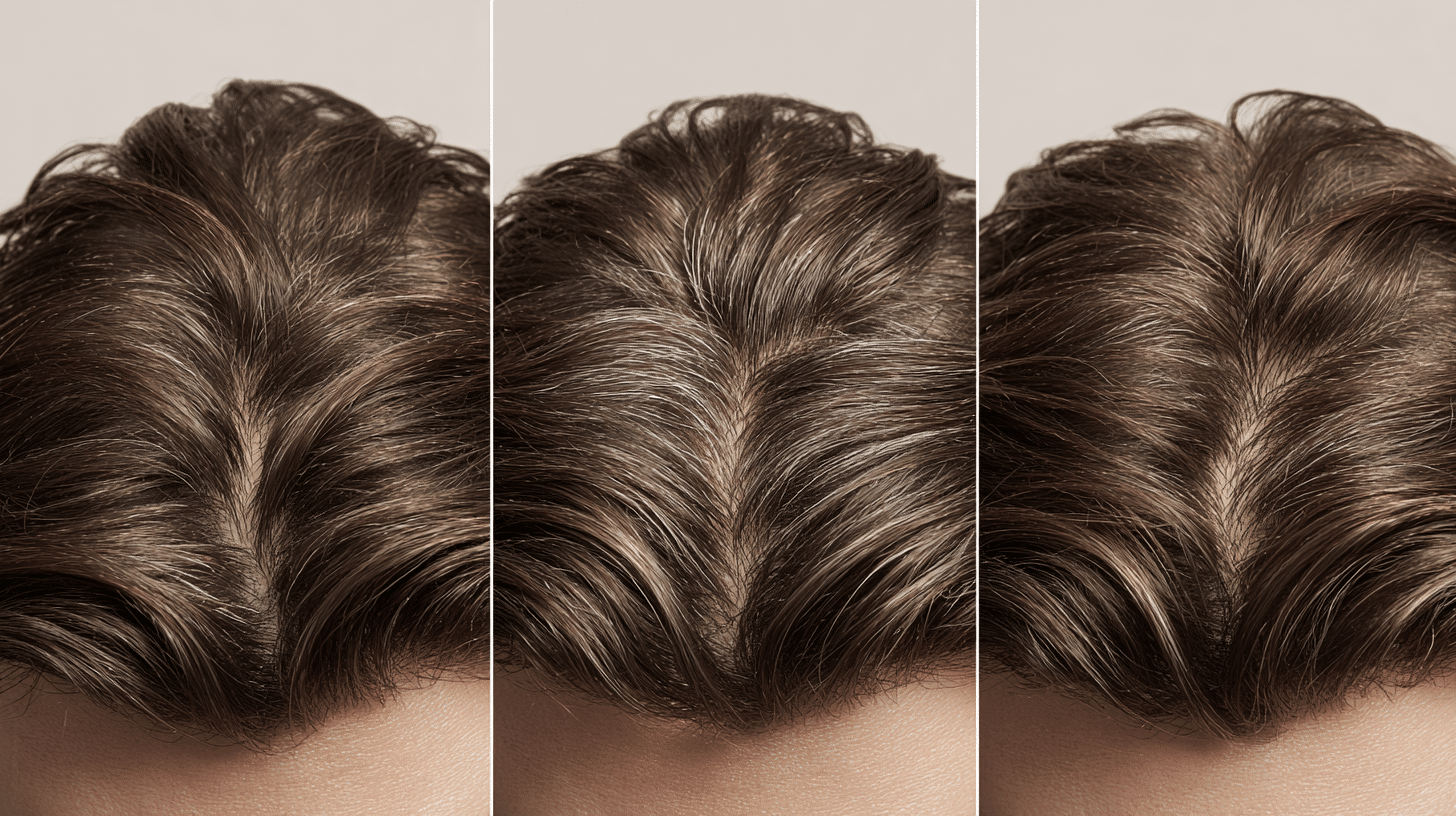
- Visible scalp – The scalp shows through easily, especially when hair is wet or under direct lighting. Parting lines appear wider than usual.
- Thin ponytails – When pulled back, ponytails look slim and lack volume. The hair tie wraps around multiple times because there isn’t much hair to hold.
- Flat appearance – Hair lies close to the head and struggles to hold volume. Even after styling, it falls flat within hours.
- Quick styling – Blow drying takes less time because there’s simply less hair to work with. This can be a plus, but it also confirms lower density.
- See-through ends – The bottom sections of hair look wispy and sparse. Light passes through easily, making ends appear almost transparent.
Low Density vs Fine Hair vs Thin Hair
Here’s a comparison table to help understand the differences:
| Aspect | Low Density Hair | Fine Hair | Thin Hair |
|---|---|---|---|
| What it means | Fewer hair strands on the scalp | Narrow diameter of each strand | Can refer to either low density or fine texture |
| Key indicator | Visible scalp and wide partings | Individual strands feel soft and delicate | General lack of volume |
| Measurement | Number of follicles per square inch | Width of each hair strand | Overall appearance |
| Feel | Can feel thick or thin depending on strand width | Feels silky and smooth | Varies based on cause |
| Common issue | Scalp shows through easily | Strands break easily and lack strength | Looks limp and flat |
| Genetic factor | Yes, born with fewer follicles | Yes, inherited strand thickness | Can be genetic or acquired |
| Can you have both? | Yes, can have low density AND fine hair | Yes, can have fine hair with high density | Often overlaps with the other two |
Care Essentials for Hair With Low Density
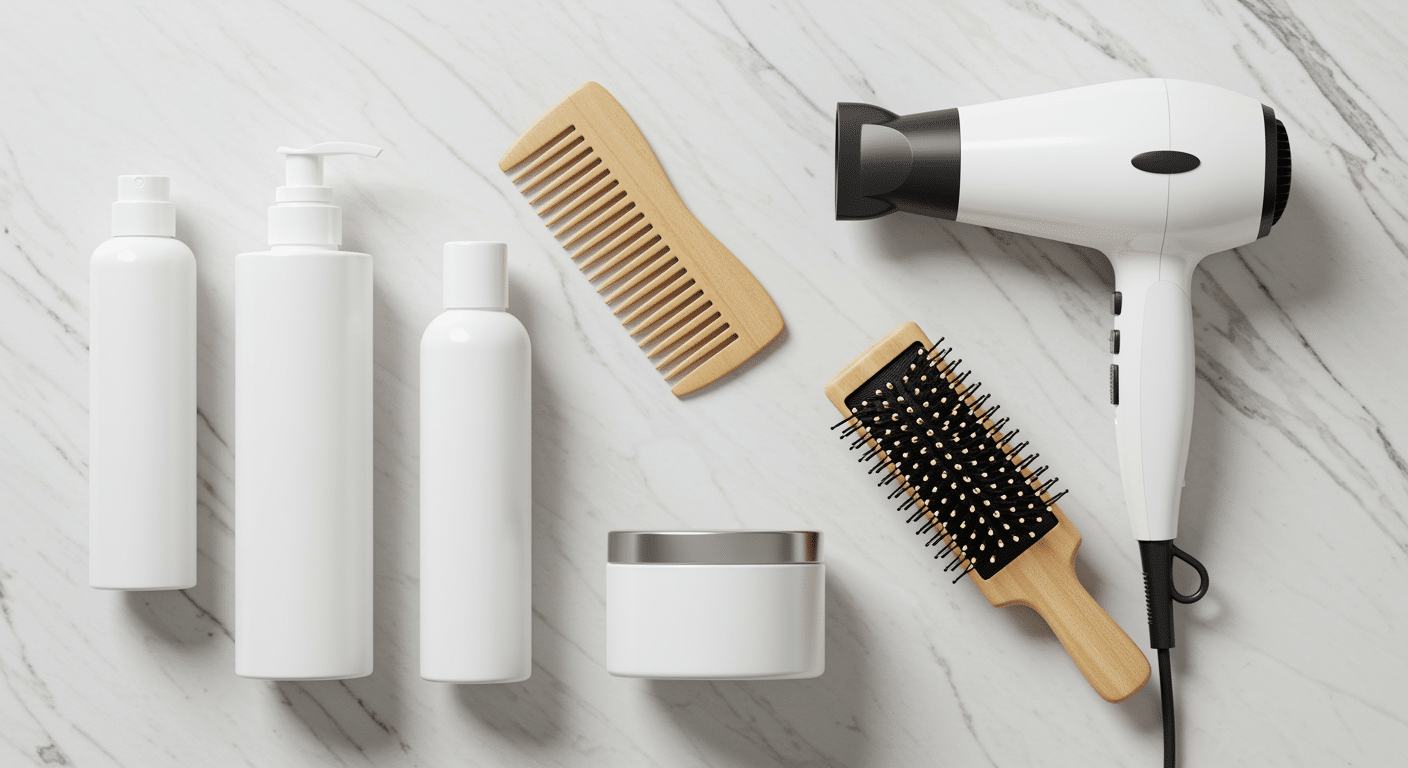
Taking care of hair with low density requires a thoughtful approach.
Here’s a step-by-step guide to help manage it effectively.
Step 1: Choose the right shampoo – Look for volumizing or lightweight formulas. Heavy, moisturizing shampoos can weigh hair down. Wash every other day or as needed to keep the scalp clean without stripping natural oils.
Step 2: Condition wisely – Apply conditioner only to the mid-lengths and ends. Avoid the scalp area as it can make hair look greasy and flat. Rinse thoroughly to prevent buildup.
Step 3: Use a wide-tooth comb – Detangle hair gently when wet. Start from the ends and work up to the roots. This prevents breakage and protects the limited strands you have.
Step 4: Apply heat protectant – Before using any hot tools, spray on a heat protectant. This shields hair from damage and keeps existing strands healthy and strong.
Step 5: Style with volume in mind – Blow dry hair upside down or use a round brush at the roots. This creates lift and makes hair appear fuller than it actually is.
How to Add Volume?
Adding volume to low density hair makes a noticeable difference in appearance. Here are some effective methods:
Use Volumizing Shampoo and Conditioner
Volumizing products lift hair from the roots and create the appearance of fullness. Choose lightweight formulas that don’t weigh hair down.
Apply conditioner only to the ends to avoid flattening roots.
Blow Dry Hair Upside Down
Flip your head upside down while blow drying to create lift at the roots. Use your fingers to lift sections as you dry.
This technique adds instant volume that lasts throughout the day.
Try Root-Lifting Products
Root-lifting sprays and mousses boost volume where it matters most. Apply these products directly to the roots on damp hair.
They provide hold and lift without making hair stiff or crunchy.
Get Regular Layered Haircuts
Layers create movement and the illusion of thickness. Ask your stylist for cuts that remove weight from the ends.
Shorter layers on top add height and dimension to flat hair.
Tease Hair at the Crown
Gently backcomb small sections at the crown for quick volume.
Use a fine-tooth comb and work in small amounts. Smooth the top layer over the teased sections for a natural finish.
Common Challenges and Personal Experiences
People with low hair density face daily struggles that go beyond just styling, from feeling self-conscious in social settings to spending years searching for products that actually work.
People with low hair density face specific struggles daily:
- Styling limitations – Many hairstyles require a certain amount of hair to work. Braids look thin and buns appear small. This limits styling options significantly.
- Constant flatness: hair loses volume quickly throughout the day. What starts as a full look in the morning becomes limp by afternoon.
- Product overload: finding the right products is tricky. Too much weighs hair down while too little provides no help at all.
Personal Experiences
Many individuals share similar stories about living with hair with a lower density.
People often feel self-conscious in social settings and embarrassed when their scalp shows through.
They avoid certain lighting or camera angles that highlight the issue. Some skip swimming or windy outdoor activities altogether.
Seeing friends with thick, full hair can be difficult. It creates feelings of envy and frustration about something that can’t be easily changed.
Finding what works takes time and money through trial and error. Countless products get tried and discarded before discovering effective solutions. Salon visits sometimes end in disappointment.
However, some learn to embrace their hair type over time. They focus on health rather than trying to change what’s natural.
Building confidence with low density hair is possible with the right approach and mindset.
Final Thoughts
Low density hair comes with its own set of challenges.
The right approach helps maximize what’s there. Gentle care, smart styling, and the right products all play a part. Many people find ways to feel confident with their hair type over time.
Ready to give your hair the care it deserves?
Start with one small change today and see what works best for you.