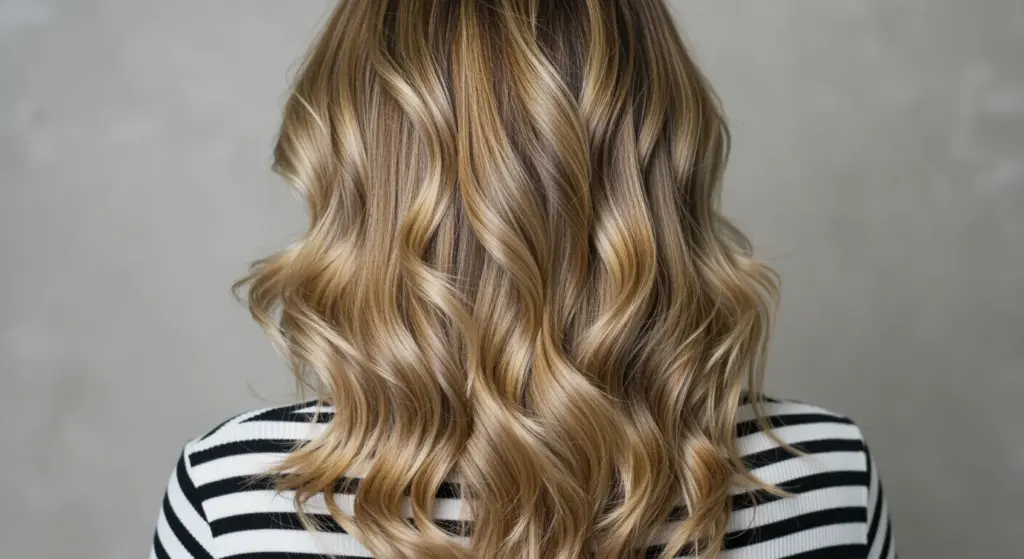



Is satin or silk better for hair?
Waking up with frizzy, tangled hair can ruin anyone’s morning.
Many people spend money on expensive treatments and products. Yet they ignore what their head rests on for eight hours each night. The pillowcase matters more than most realize.
Both satin and silk pillowcases promise healthier hair. But which one actually delivers better results? The answer might surprise some readers.
How Pillowcases Affect Hair Overnight
Hair goes through a lot while people sleep.
The average person tosses and turns multiple times each night.
All that movement creates friction between hair and the pillowcase. Cotton pillowcases, which most people use, have a rough texture. This texture pulls at hair strands and causes damage.
Friction leads to several problems. Hair cuticles get rougher and start to break. Moisture gets absorbed into the cotton fabric. This leaves hair dry by morning. Split ends become more common over time.
The type of pillowcase material makes a real difference. Smoother fabrics reduce friction significantly.
Less friction means less breakage and fewer tangles. Hair retains more of its natural oils and moisture.
This is where satin and silk come into the picture. Both materials offer smoother surfaces than regular cotton.
But they work in different ways to protect hair during sleep.
What is Silk and How Does it Help Hair?
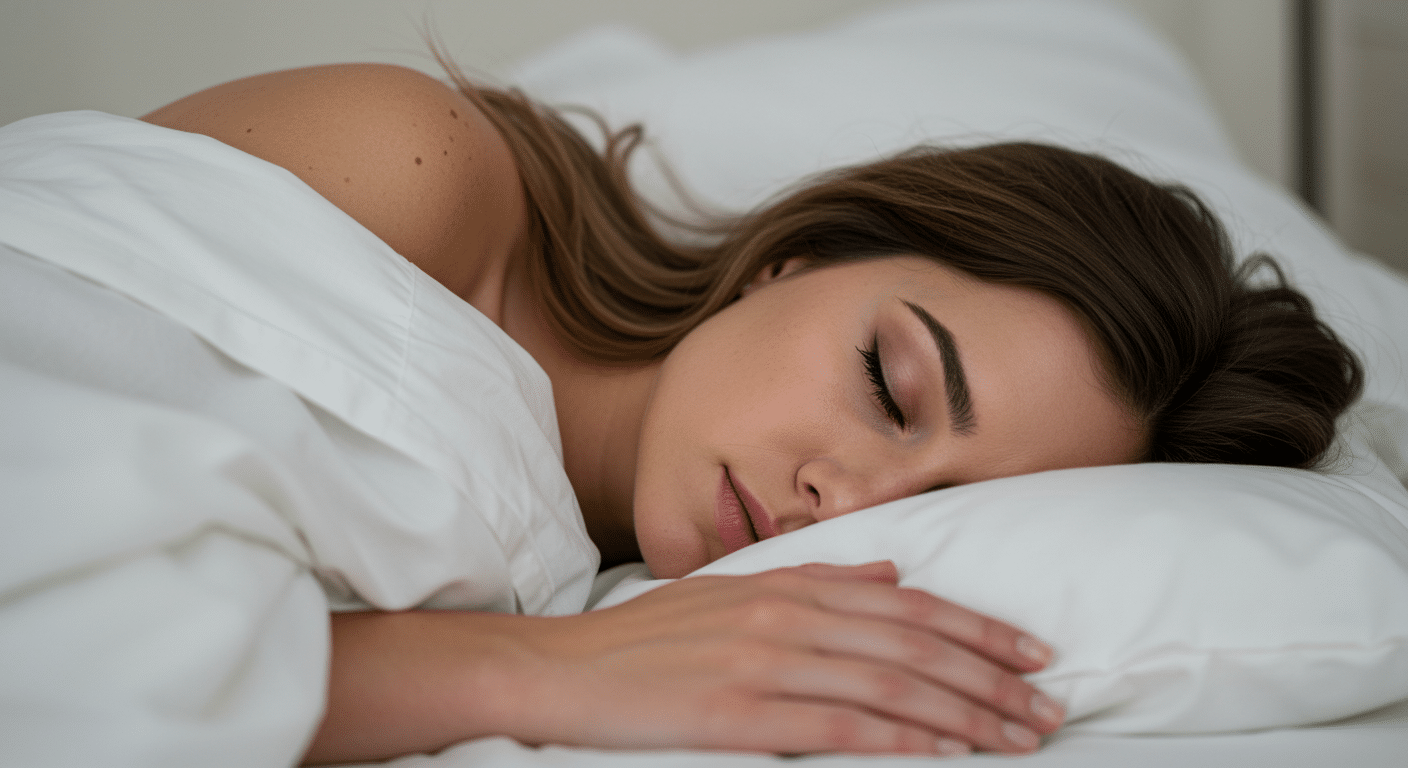
Silk comes from silkworms. These tiny creatures produce fine threads to build their cocoons.
Manufacturers collect these threads and weave them into fabric. Real silk contains natural proteins and amino acids.
The fabric has an ultra-smooth surface. This smoothness comes from the way silk fibers bond together during production.
Benefits of a silk pillowcase:
- Reduces breakage: The smooth texture means less pulling on strands while sleeping
- Keeps moisture in: Unlike cotton, silk doesn’t soak up the hair’s natural oils
- Stays cool: The fabric regulates temperature, so hair doesn’t get sweaty or damp
- Prevents frizz: Minimal friction keeps the outer layer of hair smooth and flat
- Hypoallergenic properties: Natural resistance to dust mites and allergens keeps the scalp healthier
- Gentle on chemically treated hair: Color and treatments last longer without rough surfaces causing wear
- Works for all textures: Curly, straight, thick, or fine hair all benefit from reduced friction
The protein structure of silk actually resembles that of human hair.
This similarity helps the two materials work together rather than against each other.
Satin and Its Benefits for Hair Care
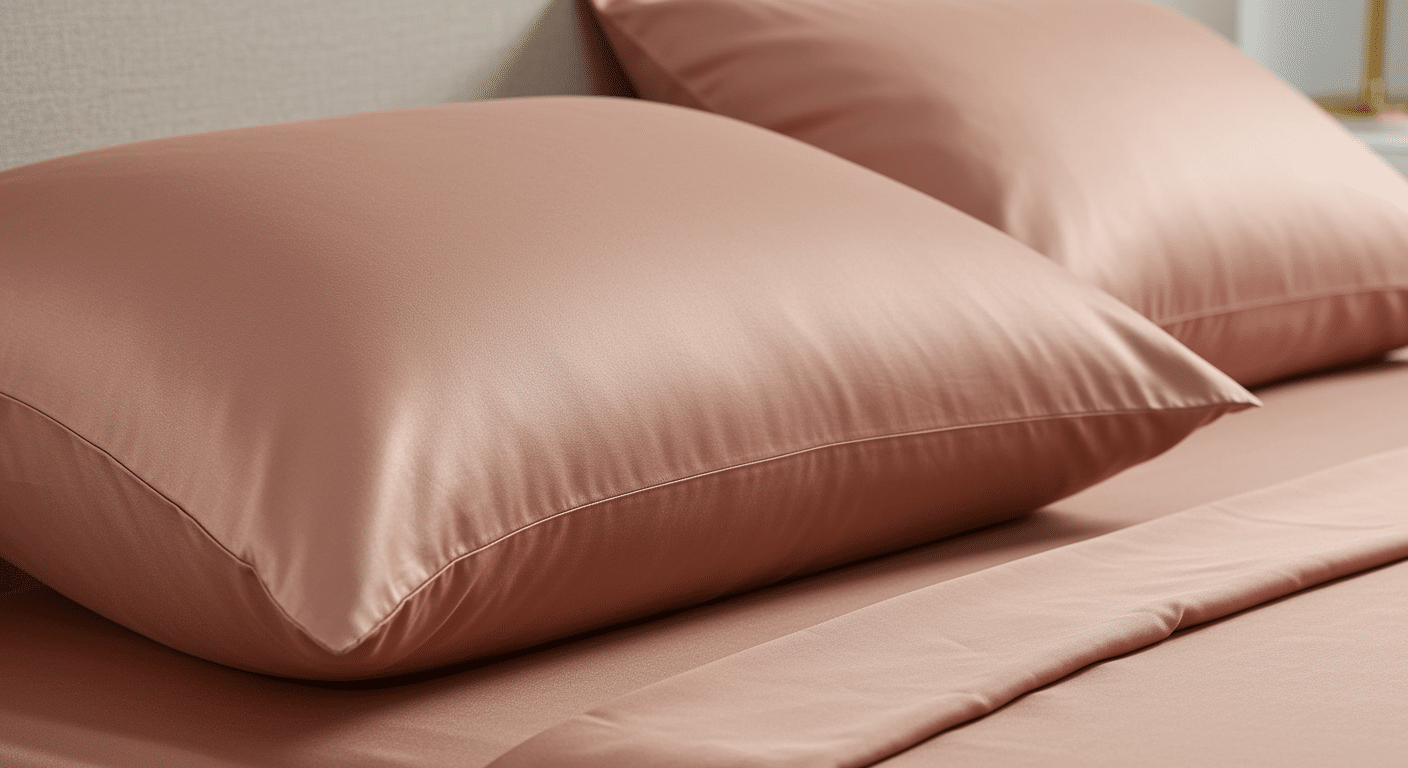
Satin isn’t a natural fiber like silk. It refers to a weaving technique instead.
Manufacturers use synthetic materials like polyester or nylon to create satin fabric. The special weaving method produces one glossy side and one dull side.
This weaving style makes the surface feel slippery and soft. The cost stays much lower than silk because of synthetic materials.
Benefits of a satin pillowcase:
- Smooth surface reduces tangles: Hair glides across the fabric instead of catching on rough spots
- Budget-friendly option: Costs a fraction of silk while still offering protection
- Easier to maintain: Machine washable and dries quickly without special care
- Retains some moisture: Absorbs less than cotton, though not as effective as silk
- Durable material: Holds up well after many washes and years of use
- Variety of colors available: More options to match bedroom decor
- Lightweight feel: Stays comfortable throughout different seasons
The main difference? Satin copies silk’s smoothness through manufacturing. It doesn’t have natural proteins, but the slick surface still minimizes damage during sleep.
Silk vs Satin
Both options beat regular cotton pillowcases. The choice depends on budget and how much maintenance someone wants to handle.
| Feature | Silk | Satin |
|---|---|---|
| Material Source | Natural (silkworm cocoons) | Synthetic (polyester, nylon) |
| Hair Friction | Extremely low | Low to moderate |
| Moisture Retention | Keeps hair hydrated | Better than cotton, less than silk |
| Durability | Delicate, needs gentle care | Strong, lasts longer |
| Washing | Hand wash or delicate cycle | Machine washable |
| Drying Time | Slow, air dry only | Quick, tumble dry safe |
| Temperature Control | Naturally cooling | Can trap some heat |
| Frizz Prevention | Excellent | Good |
| Allergy Resistance | Natural hypoallergenic | Depends on a synthetic blend |
| Best For | All hair types, especially damaged ones | Budget-conscious buyers |
What is Sateen, and is it Any Different?
Sateen often gets confused with satin. But they’re not the same thing.
Sateen uses cotton fibers woven in a specific pattern.
The weaving technique creates a soft, slightly glossy finish on one side. It feels smoother than regular cotton but not as slippery as satin or silk.
The material sits somewhere between cotton and satin.
People who find satin too slippery sometimes prefer sateen. However, those serious about reducing hair damage should stick with satin or silk options instead.
Sateen offers a mild improvement, but nothing compared to the real deal.
What Users Say
People who switched to silk or satin pillowcases notice changes quickly.
Many users report less breakage within the first week. Curly-haired individuals mention their curls stay defined longer. Straight hair users wake up with fewer tangles and knots.
The results speak for themselves.
Common Feedback on Silk
Those who invest in silk often call it worth the money. They notice a softer hair texture after consistent use. Some mention their blowouts last an extra day or two.
However, a few users complain about the maintenance routine. Hand washing takes time. Not everyone has that time.
Common Feedback on Satin
Satin users appreciate the affordable price point. They find washing easier since most can toss it in the machine. Results take slightly longer to show compared to silk. But the difference still beats cotton by far.
A few mention the fabric can feel warm on hot summer nights.
Split Opinions
Some people can’t tell much difference between the two. Others swear by silk and refuse to go back.
Hair type seems to play a role. Thicker, coarser hair shows more improvement with silk. Finer hair does well with either option.
Finding the Right Match for Your Needs
The best choice depends on specific situations and preferences.
For Tight Budgets
Satin makes more sense when money matters. It costs much less but still protects hair from damage. The results won’t disappoint for the price paid.
For Low Maintenance Lifestyles
Busy schedules work better with satin. Throw it in the washing machine without worry, as it dries fast and requires no special handling.
For Maximum Hair Protection
Silk wins when hair health comes first. The natural proteins provide extra nourishment for damaged or chemically treated hair, helping it respond better to silk’s gentle touch.
For Hot Sleepers
Silk regulates temperature naturally. It stays cooler throughout the night. Satin can trap body heat and feel uncomfortable in warm weather.
For Long-Term Investment
Satin lasts longer with regular use. It handles wear and tear better than silk. The durability offsets the initial savings over time.
For Sensitive Skin or Allergies
Silk naturally resists dust mites and allergens. People with skin issues or allergies often prefer this option. Satin’s synthetic fibers may irritate some individuals.
Extra Tips: How to Revive Dead Hair
Beyond choosing the right pillowcase, these habits help restore damaged hair:
- Use a wide-tooth comb on wet hair: Brushes can snap fragile strands when they’re soaked.
- Apply hair masks weekly: Deep conditioning treatments restore strength from the inside out.
- Trim split ends regularly: Cutting damaged tips prevents breakage from traveling up the shaft.
- Rinse with cold water: Cool temperatures seal the outer layer and add shine.
- Limit heat styling tools: Air drying whenever possible gives hair time to recover.
- Protect hair from sun exposure: UV rays damage strands just like they harm skin.
- Avoid tight hairstyles: Ponytails and buns that pull can cause permanent damage over time.
Making the Switch for Healthier Hair: Conclusion
So, is satin or silk better for hair?
Both materials offer significant improvements over regular cotton pillowcases. Silk provides premium protection with natural proteins. Satin delivers solid results at a lower cost.
The decision comes down to personal priorities. Budget-conscious shoppers will find satin adequate. Those willing to invest more might prefer silk’s superior benefits.
Healthier hair starts with small changes.