


Ever stepped out of the ocean and noticed your hair felt different? You’re not alone. Many people ask, “Is salt water good for your hair?”
Some swear by it for texture and volume. Others complain about dryness and damage. But is salt good for your hair at all?
The truth isn’t simple. It depends on your hair type, how often you swim, and what you do afterward.
I’ll break down the facts so you can protect your hair while enjoying the beach.
Is Salt Good for Your Hair?
Yes and no.
Salt is good for styling, but bad for your hair health.
Salt can be both helpful and harmful. It all comes down to how you use it and what type of hair you have.
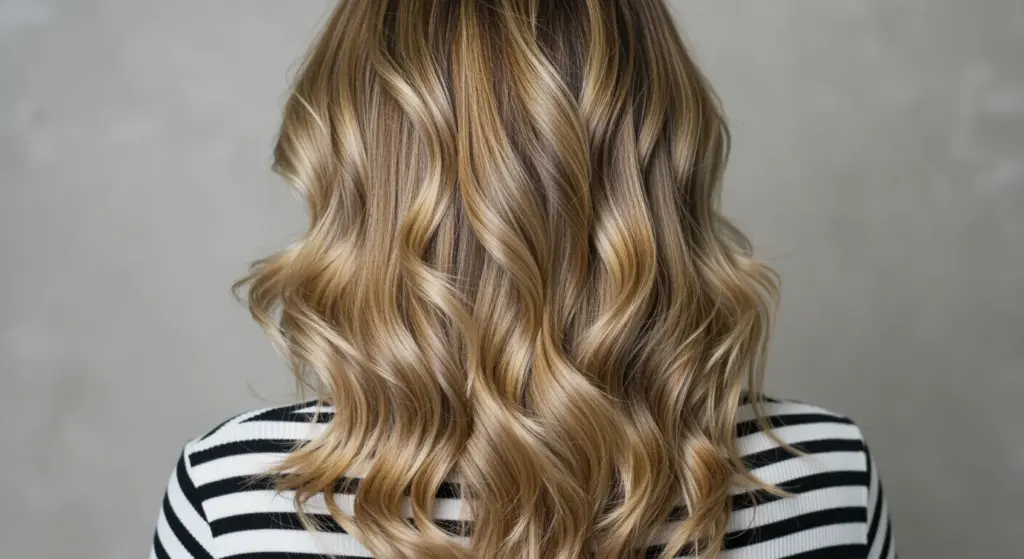
When you swim in the ocean, salt adds texture to your hair. It creates that beachy, wavy look many people love.
The salt absorbs some of the natural oils on your scalp. This can help if you have very oily hair.
But here’s the catch. Salt also pulls moisture out of your hair shaft. This leaves your strands dry and rough.
Over time, too much salt exposure can make your hair brittle and prone to breakage.
Is Salt Water Good for Your Hair?
It depends on your hair type and how you use it.
People with fine, limp hair benefit most from salt water. It adds body and texture that they usually lack. The salt lifts the hair shaft and creates volume at the roots.
But thick, curly, or color-treated hair suffers more damage. These hair types are already prone to dryness.
Your scalp type matters too. Oily scalps handle salt water better than dry, sensitive scalps.
Who should use salt water:
- People with fine, straight hair
- Those with very oily hair and scalp
- Anyone wanting a temporary beachy texture
Who should avoid salt water:
- People with dry, damaged hair
- Anyone with curly, coarse hair
- People dealing with hair loss or thinning
- Those with sensitive or dry scalps
Is Salt Good for Hair Growth?
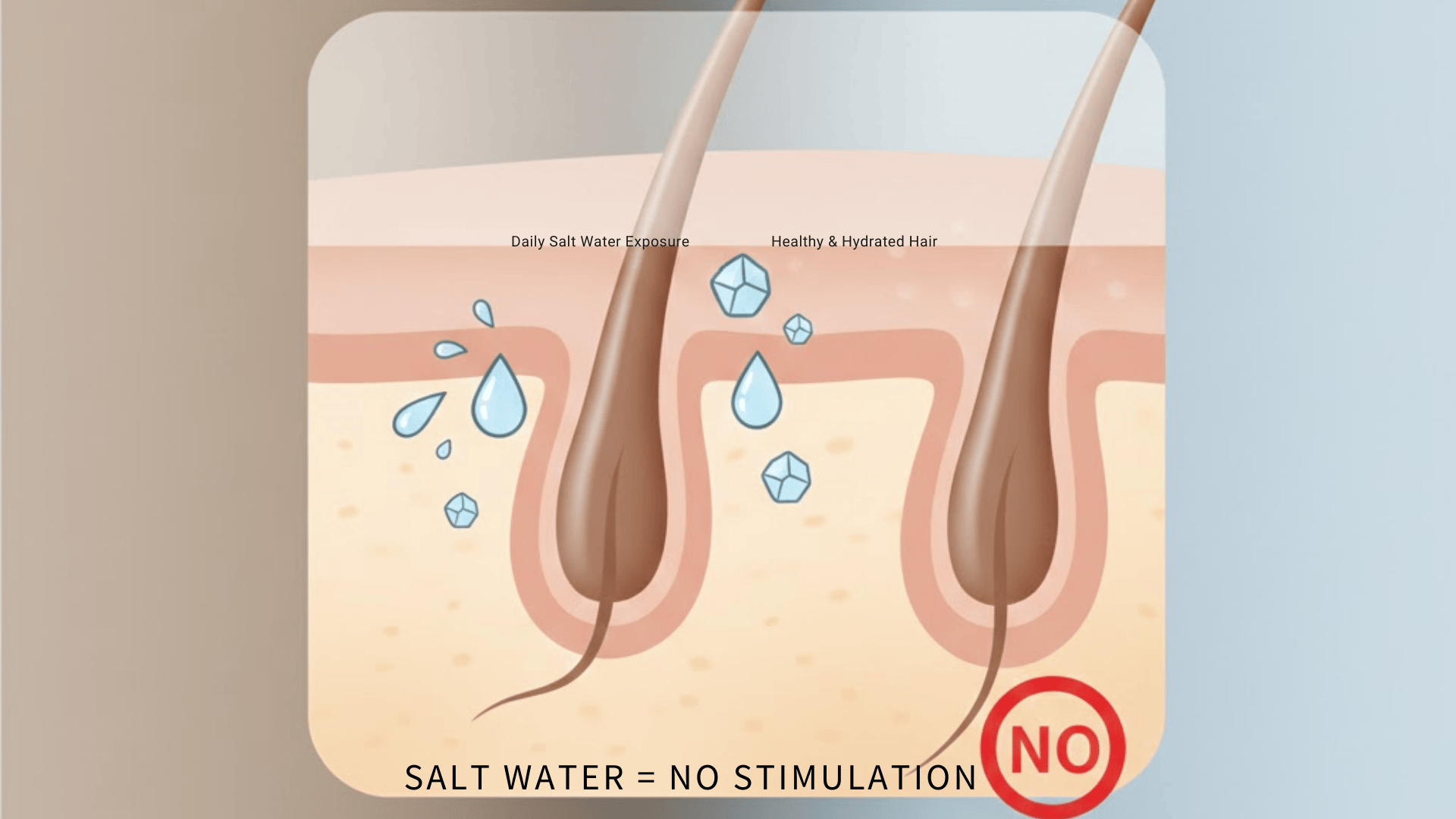
No, salt water does not help your hair grow faster.
Hair growth happens at the follicle level, beneath your scalp. Salt water sits on top of your hair and scalp. It doesn’t penetrate deep enough to affect how fast your hair grows.
Some people claim salt water cleanses the scalp. A clean scalp can support better hair health.
But the drying effects of salt often outweigh any cleansing benefits.
What you should know:
- Salt water won’t speed up hair growth
- It can strip your scalp of natural oils
- A dry, irritated scalp can actually slow down healthy growth
- Better options exist for promoting hair growth, like scalp massages and proper nutrition
If you want longer hair, focus on keeping your scalp healthy and your hair moisturized. Salt water won’t help you reach that goal.
Is Salt Good for Your Hair Dandruff?
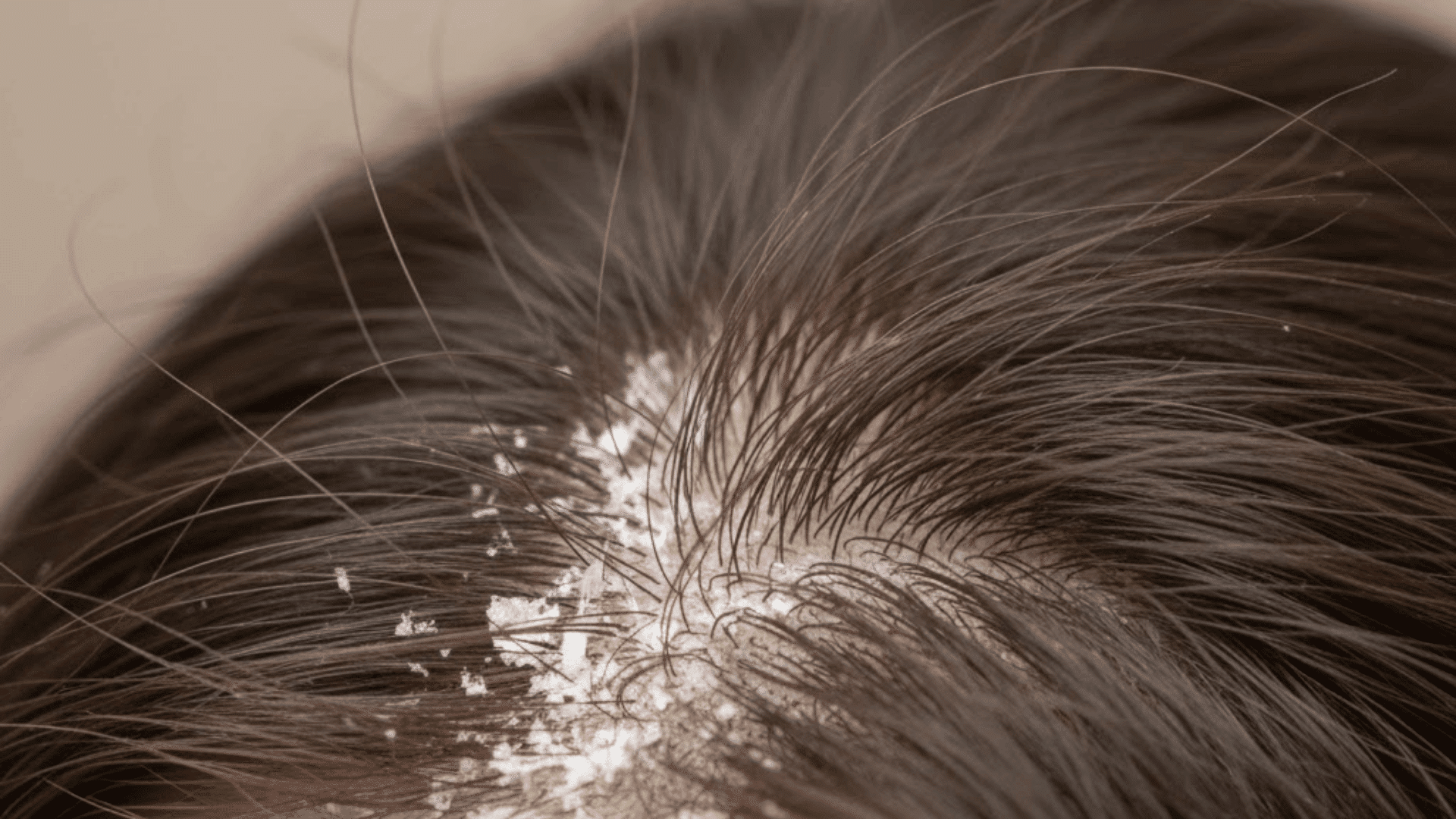
No, salt water is not suitable for dandruff. It usually makes it worse.
Dandruff happens from either a dry scalp or a fungal infection. Salt dries out your scalp even more.
If you already have dry scalp dandruff, the flaking increases. Your scalp feels tight and itchy too. Salt crystals can scratch your scalp and cause inflammation.
They don’t treat the real cause of dandruff. Use a gentle anti-dandruff shampoo instead. Keep your scalp moisturized.
Salt water won’t solve your dandruff problem.
Does Salt Cause Hair Loss?
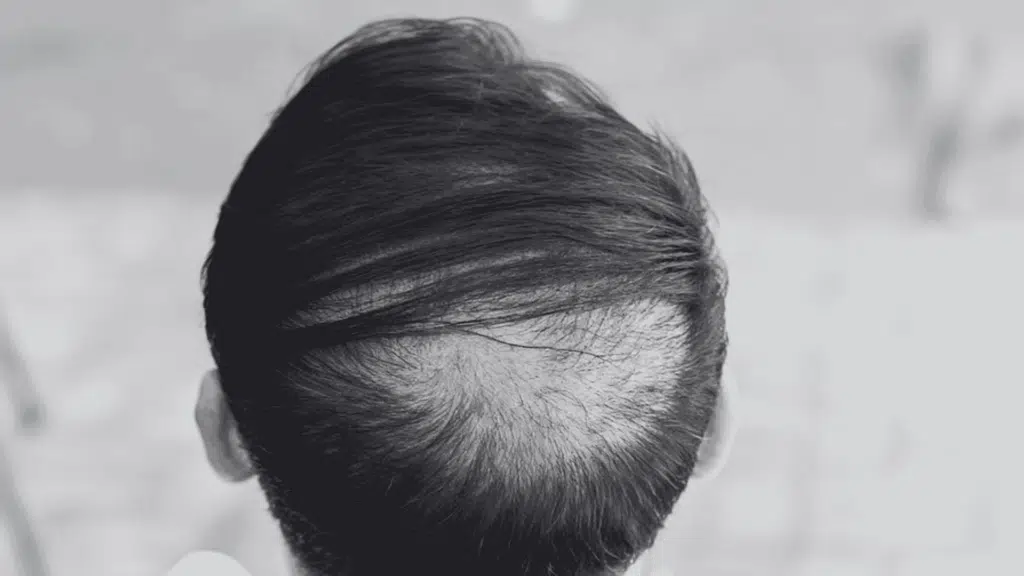
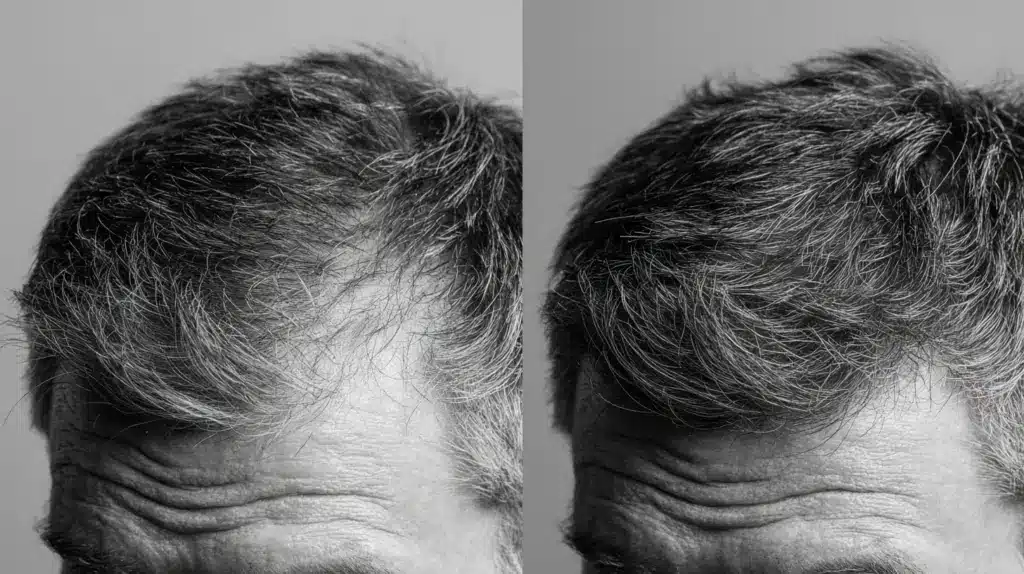
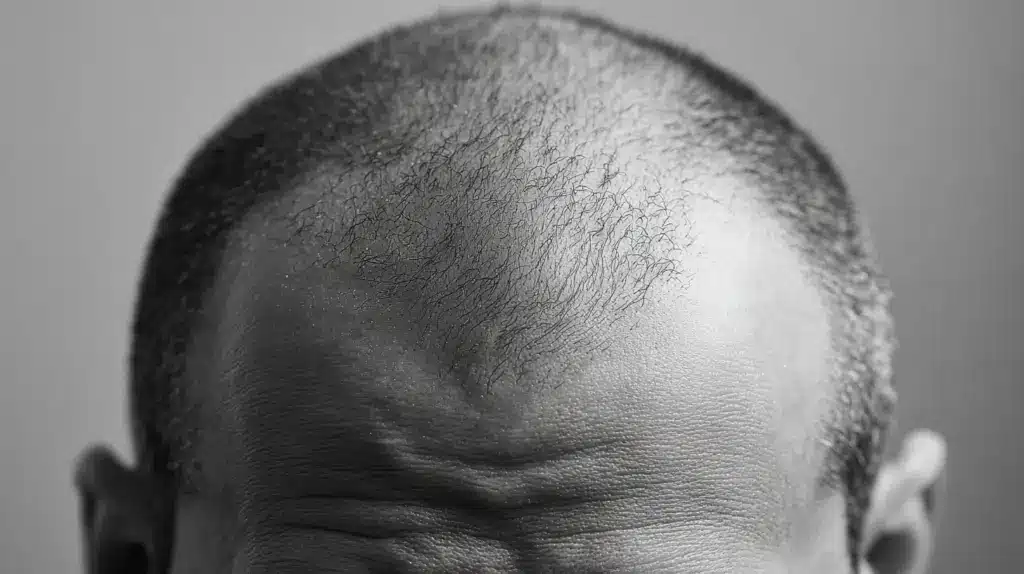
No, salt water is not good for hair loss. In fact, it can make things worse.
When salt dries out your hair, it becomes weak. Weak hair breaks more easily. This can lead to more hair fall, especially if your hair is already thin or damaged.
Salt also irritates your scalp when used too often. An unhealthy scalp cannot support strong hair growth. You might notice more shedding after frequent ocean swims or salt spray use.
Key points about salt and hair loss:
- Salt weakens the hair structure
- Dry, brittle hair breaks off more easily
- Scalp irritation from salt can worsen hair fall
- People with existing hair loss should avoid regular saltwater exposure
If you’re dealing with hair loss, skip the salt water. Focus on gentle, moisturizing hair care instead.
Can I Use Salt Water on my Hair Every Day?
I don’t recommend using salt water on your hair every day. Daily use will damage your hair over time.
Your hair needs moisture to stay healthy. Salt strips that moisture away each time you use it. Doing this daily means your hair never gets a chance to recover.
You might not notice the damage right away. But after a few weeks, your hair will feel dry and look dull. Split ends will increase. Your hair may start breaking off at the ends.
What happens with daily salt water use:
- Extreme dryness and rough texture
- Increased breakage and split ends
- Faded hair color (for dyed hair)
- Scalp irritation and flaking
- Loss of natural shine
Better approach: Use salt water spray once or twice a week at most. Always follow up with a deep conditioning treatment. Give your hair rest days in between.
Pros and Cons of Salt Water on Hair
Salt water affects everyone’s hair differently. Some people get beautiful waves, while others end up with damaged strands. Let me show you both sides.
| Pros | Cons |
| Adds volume and texture instantly | Strips moisture from hair strands |
| Creates beachy waves without heat | Causes dryness and rough texture |
| Helps absorb excess oil from the scalp | Leads to breakage and split ends |
| Works as a natural styling product | Fades hair color quickly |
| Gives hair a matte, textured finish | Irritates sensitive scalps |
| Can reduce scalp oiliness temporarily | Makes hair tangled and hard to brush |
| Free if you swim in the ocean | Weakens hair structure over time |
| No chemicals or artificial ingredients | Increases frizz, especially in humid weather |
Common Side Effects of Salt Water on Hair:
- Severe dryness that feels like straw
- Color fading within days for treated hair
- White, crusty buildup on strands
- Itchy, flaky scalp
- Tangled hair that’s difficult to comb
- Dull appearance with no shine
- Brittle ends that snap easily
The side effects get worse with frequent use. Limit your saltwater exposure to protect your hair health.
How to Use Salt Water for Hair?
Want to try salt water without damaging your hair? Follow these simple steps.
Making Your Own Salt Water Spray:
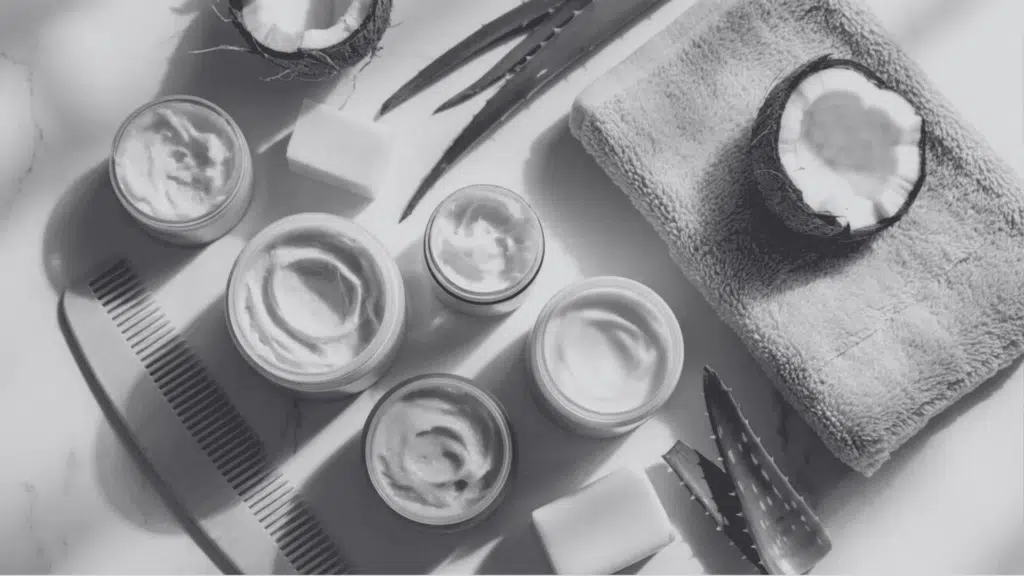
- Mix 1 cup of warm water with 1 tablespoon of sea salt
- Add 1 teaspoon of coconut oil or leave-in conditioner
- Put the mixture in a spray bottle
- Shake well before each use
Application Method:
- Start with damp, towel-dried hair
- Spray the saltwater mixture evenly through your hair
- Focus on the mid-lengths and ends, not your roots
- Scrunch your hair with your hands to create texture
- Let it air dry or use a diffuser on low heat
Important tips:
- Never apply salt water to dry hair
- Avoid getting it directly on your scalp
- Use only 2 to 3 sprays per section
- Don’t brush through it while wet
- Wash it out the same day
Following these steps gives you the beachy look without major damage.
Can You Leave Salt Water in Your Hair Overnight?
Leaving salt water in your hair overnight is a bad idea. I strongly advise against it.
When salt sits in your hair for hours, it keeps pulling out moisture. By morning, your hair will be extremely dry. The damage intensifies the longer salt stays in contact with your strands.
Overnight exposure also affects your scalp. The salt can cause itching, flaking, and irritation.
Risks of leaving salt water overnight:
- Severe dehydration of hair strands
- Increased tangling and knots
- Scalp irritation and itchiness
- More breakage when you brush in the morning
- Harder to wash out the next day
- Potential for scalp infections from bacteria
What should you do instead:
Rinse salt water out within 2 to 3 hours of application.
If you swim in the ocean, shower as soon as you get home. Use lukewarm water to wash away all the salt. Follow up with conditioner to restore moisture.
Never sleep with salt water in your hair. The temporary style isn’t worth the permanent damage.
Conclusion
So, is salt water good for your hair? Is salt good for your hair overall? It can be, but only with care. Salt gives great texture and volume.
But it also dries out your strands fast.
Use it once or twice a week at most. Rinse it out within a few hours.
Always condition afterward. Your hair needs moisture to stay strong and healthy. Enjoy the beachy waves, but protect your hair from damage.