

Hair dye damage is real. Many people worry about harsh chemicals in regular hair colors. These products can dry out hair and damage the scalp.
But there’s a natural option that’s been around for centuries.
Henna comes from a plant. People have used it for thousands of years to color and condition hair.
So, is henna good for your hair? The answer depends on hair type and how someone uses it. This blog looks at the benefits, the drawbacks, and what real users have experienced with henna.
What is Henna?
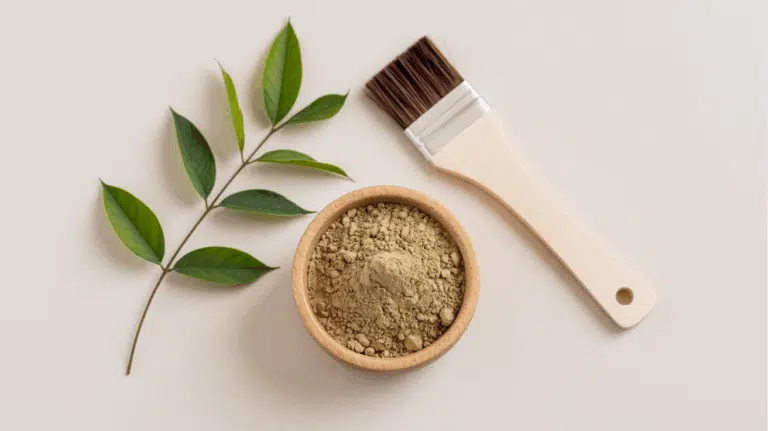
Henna is a plant that grows in hot, dry places. The scientific name is Lawsonia inermis. The plant has small leaves. When these leaves are dried and crushed, they turn into a fine powder.
Henna contains a natural dye called lawsone. This is what gives it coloring power.
Many cultures use henna for celebrations and weddings. In India, Morocco, and the Middle East, it’s a traditional beauty treatment. Women apply it not just for color but also for its conditioning effects.
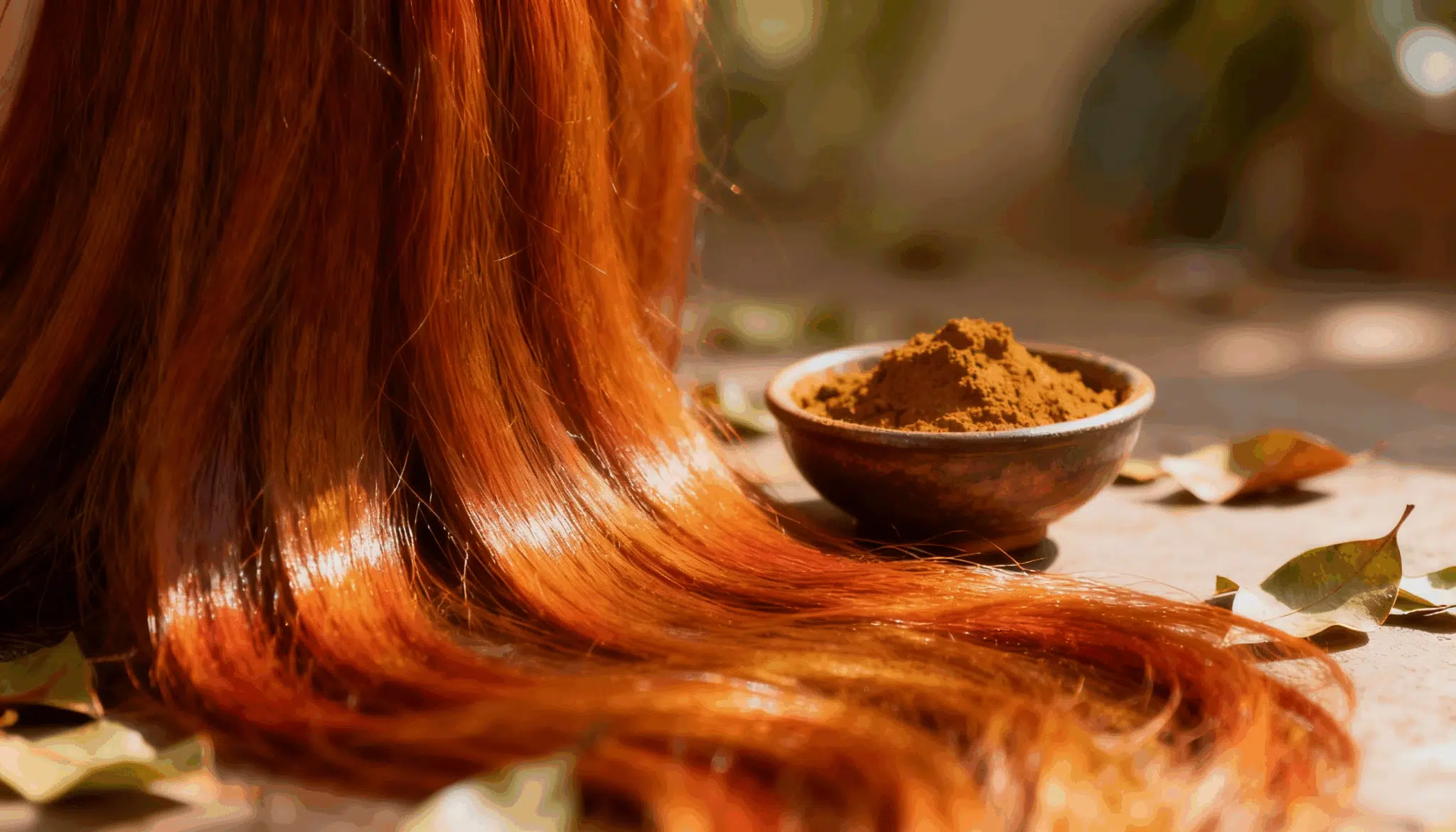
Pure henna only comes in one color range. It gives shades from orange to deep red-brown.
The final color depends on the original hair color and how long the henna stays on.
Benefits of Using Henna on Hair
Henna offers several benefits that chemical dyes can’t match. Here is what it does for hair.
1. Natural Conditioning
Henna acts like a deep conditioner. It coats each hair strand with a protective layer. This makes hair feel thicker and smoother. People with thin or damaged hair often notice more volume after using henna.
The coating also seals the hair cuticle. This locks in moisture and reduces frizz. Hair looks shinier and feels softer to the touch.
2. Strengthens Hair Strands
The lawsone in henna binds to the keratin in hair. This creates a stronger structure. Hair becomes less likely to break or split at the ends.
Regular henna users report less hair fall over time. The strengthening effect builds up with each application.
3. Scalp Health
Henna has cooling properties. It soothes an itchy or irritated scalp. Some people use it to reduce dandruff and excess oil.
The natural compounds in henna also have antimicrobial effects. This helps keep the scalp clean and healthy.
4. No Harsh Chemicals
Pure henna contains no ammonia or peroxide. These chemicals are common in regular hair dyes. They can damage hair and cause allergic reactions.
Henna is gentler on sensitive scalps. It doesn’t burn or sting during application.
5. Long-Lasting Color
Henna color doesn’t wash out quickly. It fades gradually over several weeks. The color becomes part of the hair shaft instead of just sitting on top.
This means fewer touch-ups than with temporary dyes.
Is Henna Good for Your Hair? Possible Drawbacks
Henna isn’t perfect for everyone. There are some downsides to consider before using it.
- Limited Color Options: Pure henna only creates red and orange tones. It can’t lighten hair or produce blonde, black, or brown shades. People who want different colors need to look elsewhere.
- Time-Consuming Process: Henna takes hours to work. The paste needs to stay on the hair for 2 to 4 hours. Some people leave it on even longer for a deeper color.
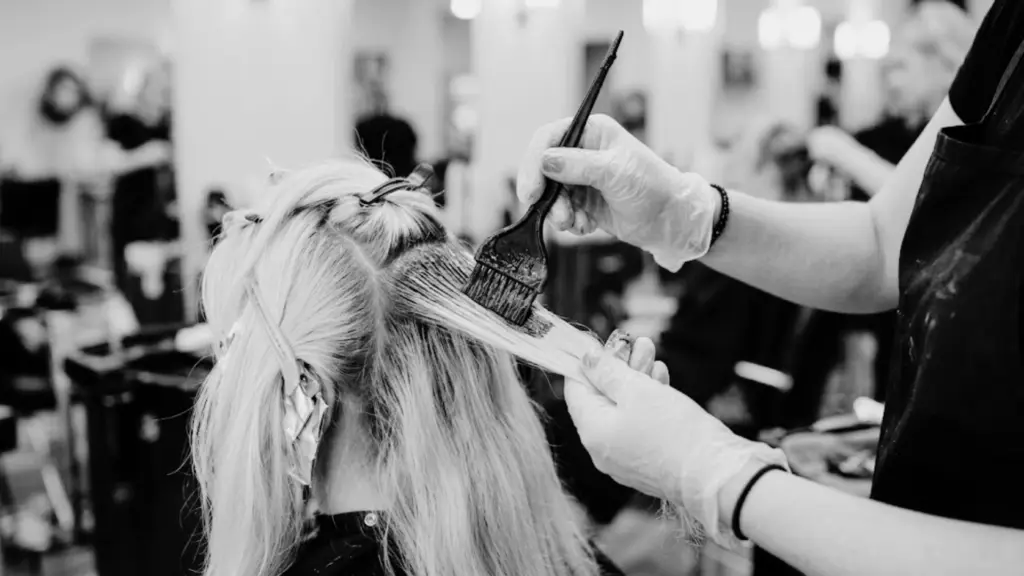
- Messy Application: Henna stains everything it comes into contact with. Skin, clothes, counters, and towels can all get stained. The paste is thick and drippy. It’s harder to apply than regular hair dye.
- Difficult to Remove: Henna is permanent. Once it’s in the hair, it doesn’t come out. Chemical dyes and bleach don’t work well on henna-treated hair. This can cause problems if someone later wants to change their hair color.
- Drying Effect for Some: While henna conditions most hair types, it can dry out some people’s hair. This happens more often with protein-sensitive hair. Too much protein makes the hair stiff and brittle.
- Allergic Reactions: Though rare, some people are allergic to henna. Symptoms include itching, redness, and swelling. A patch test before the complete application is essential.
Henna vs. Traditional Hair Dyes Comparison
| Feature | Henna (Natural Dye + Treatment) | Traditional Hair Dyes (Chemical) |
|---|---|---|
| What it is | Plant-based powder from the henna leaf | Chemical formulation with ammonia, peroxide, PPD, etc. |
| Primary Purpose | Colors hair + strengthens + conditions | Colors or lightens hair; cosmetic results only |
| Hair Damage | Minimal; coats hair without breaking bonds | It can weaken hair due to chemical penetration |
| Scalp Health | Soothes scalp; may reduce dandruff | May irritate the scalp or trigger sensitivity |
| Color Range | Limited: reds, browns, auburn tones | Wide, blondes, blacks, fashion colors |
| Longevity | Long-lasting; fades slowly but stays warm-toned | Fades faster; may require frequent touch-ups |
| Chemical Exposure | None (if pure) | High (depends on brand/type) |
| Grey Coverage | Good, but produces warm tones | Strong; can match natural or cool-toned shades |
Do People Like Using Henna? Does it Work?
Real users share mixed experiences with henna. Their stories help others decide if it’s right for them.
Positive Experiences
Many users love how henna makes their hair feel. They report thicker, shinier hair after regular use. One user shared that her thin hair gained noticeable volume.
Another mentioned her dandruff disappeared after three applications.
Long-time henna users appreciate the lack of scalp irritation. People with sensitive skin find it gentle. They don’t experience the burning sensation that comes with regular dyes.
Negative Experiences
The mess factor frustrates many first-time users. People complain about stained bathrooms and clothes. The application process takes too long for busy schedules.
Some users regret the permanent nature of henna. One person wanted to go blonde but couldn’t because of henna in her hair.
The only option was to grow it out and cut it off.
Final Thoughts
Henna works well for many people who want natural hair color and conditioning. It strengthens hair, adds shine, and doesn’t contain harsh chemicals.
These benefits make it worth trying for those looking for a gentler option.
It takes time, creates a mess, and offers limited color choices. The permanent nature means there’s no easy way to reverse it.
The best approach is to start small. Try a strand test first. See how the color looks and how the hair responds. This helps avoid surprises.
Frequently Asked Questions
1. Can henna damage hair?
Pure henna doesn’t damage hair. It strengthens and conditions it. However, “black henna” products contain harmful chemicals. Always use pure, natural henna powder.
2. How long does henna color last?
Henna is permanent. The color fades slowly over 4 to 6 weeks, but never completely washes out. It grows out with the hair.
3. Can you use regular hair dye after henna?
Chemical dyes don’t work well on henna-treated hair. Results can be unpredictable. Hair might turn green or orange. Wait until the henna grows out first.
4. Does henna cover gray hair?
Yes, henna covers gray hair. Gray strands usually turn bright orange or red. Mixing henna with indigo creates darker shades.
5. How often should henna be applied?
Apply henna every 4 to 6 weeks. This depends on hair growth and color fading. Using it too often can make hair feel dry.