


Many people face drug testing requirements for employment, legal proceedings, or other situations.
Hair follicle drug tests often create anxiety because they can detect substance use much further back than other testing methods. But how far back does a hair follicle drug test go? And what factors affect their detection window?
This blog explains and provides clear answers about detection timeframes.
Readers will learn about the science behind these tests, what substances they can identify, and how long different drugs remain detectable in hair.
Disclaimer: This blog is for informational purposes only and does not constitute medical, legal, or professional advice.
What is Hair Follicle Drug Testing?
A hair follicle drug test is a non-invasive screening method that uses a small sample of hair, usually clipped close to the scalp, to detect drug metabolites.
When a person consumes drugs, these substances are metabolized and enter the bloodstream. Through blood flow, drug metabolites become embedded in the hair shaft as the hair grows.
Since hair grows at about half an inch per month, the test can provide a historical record of drug use for up to approximately 90 days or longer, depending on the length of the hair sample taken.
The test does not require plucking hair follicles; only strands of hair are collected for analysis.
Hair follicle drug tests are commonly used in various contexts, including:
- Employment screening (pre-employment, random, or post-incident testing)
- Legal and forensic investigations (such as in drug-related crimes or child protection cases)
- Rehabilitation and addiction medicine (monitoring abstinence or relapse)
- Long-term monitoring of drug use patterns over time
How Does Hair Drug Testing Work?
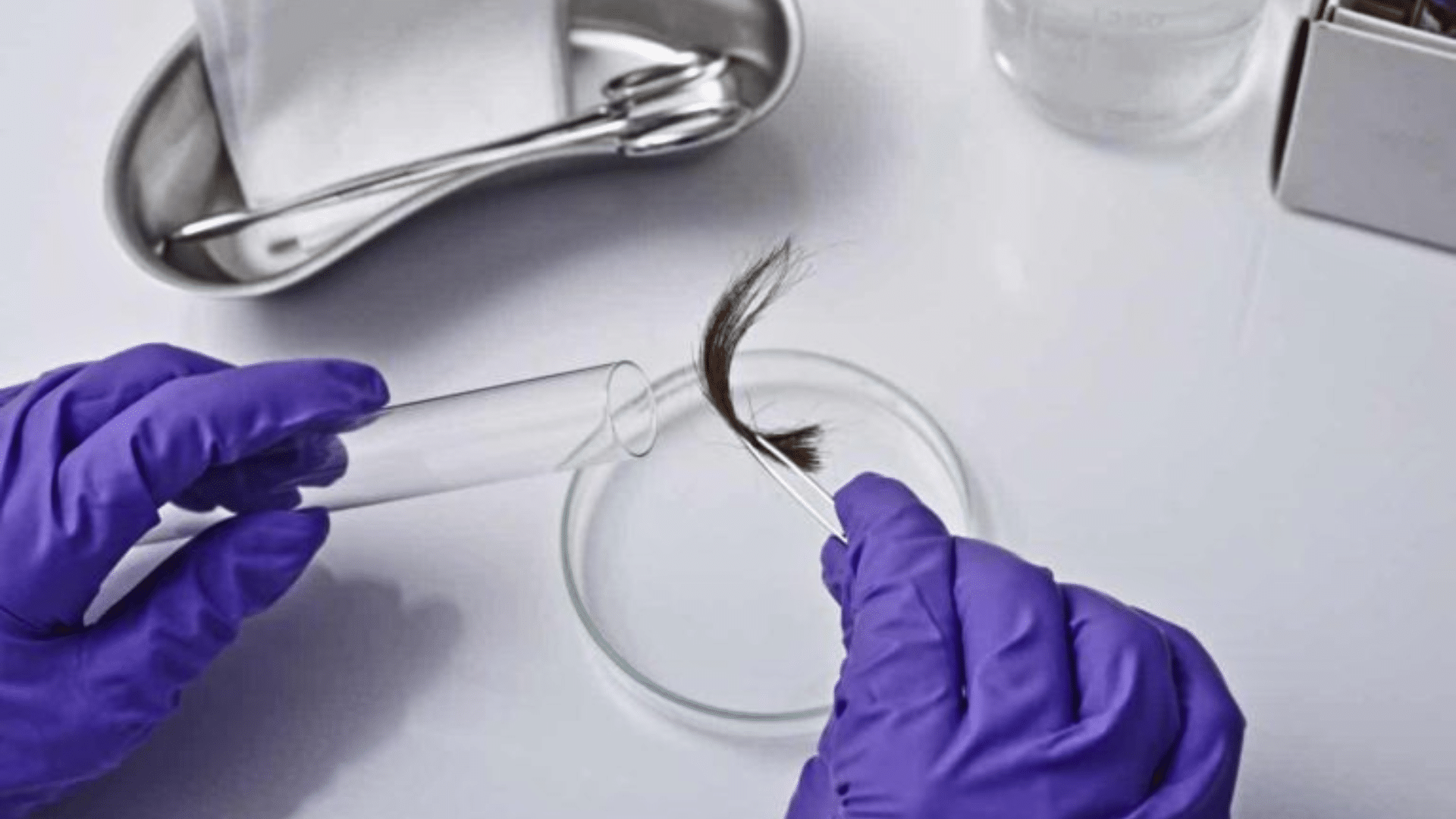
Understanding how hair drug testing works helps explain how far back does a hair follicle drug test go. The process involves several key steps that occur naturally in the body.
Drug Incorporation Process
When someone uses drugs, the substances enter their bloodstream and get broken down into metabolites. These drug metabolites travel through the blood vessels that supply nutrients to hair follicles.
As new hair cells form and grow, they trap these metabolites inside the hair shaft. This means the drug evidence becomes permanently locked into the hair structure.
Hair Growth Forces
Hair grows at a predictable rate of approximately 0.5 inches per month. Since labs typically collect a 1.5-inch sample, this represents about three months of drug use history. However, there’s an important timing factor to consider.
Drugs don’t show up immediately in hair tests. The hair containing drug metabolites must first grow long enough to extend above the scalp surface. This process takes about 7 to 10 days after drug use.
So if someone uses drugs today, those substances won’t be detectable in a hair test for at least a week.
Laboratory Testing Process
Most labs follow a two-step testing process. They start with ELISA screening, which provides initial results quickly and cost-effectively. Any positive results are then sent for GC-MS confirmation testing, which offers highly accurate and legally defensible results.
What Drugs Are Detected In A Hair Test
A hair follicle drug test can detect a broad range of drugs, how long does cocaine stay in your hair and their metabolites, revealing patterns of use over the past approximately 90 days based on a standard 1.5-inch hair sample.
Common substances detected include:
- Cocaine (and its main metabolite, benzoylecgonine)
- Marijuana (THC metabolite THCA)
- Amphetamines (including methamphetamine, MDMA/ecstasy)
- Opioids (such as morphine, codeine, 6-monoacetylmorphine)
- Phencyclidine (PCP)
- Benzodiazepines
- Methadone
- Barbiturates
- Propoxyphene
How Accurate Are Hair Follicle Drug Tests
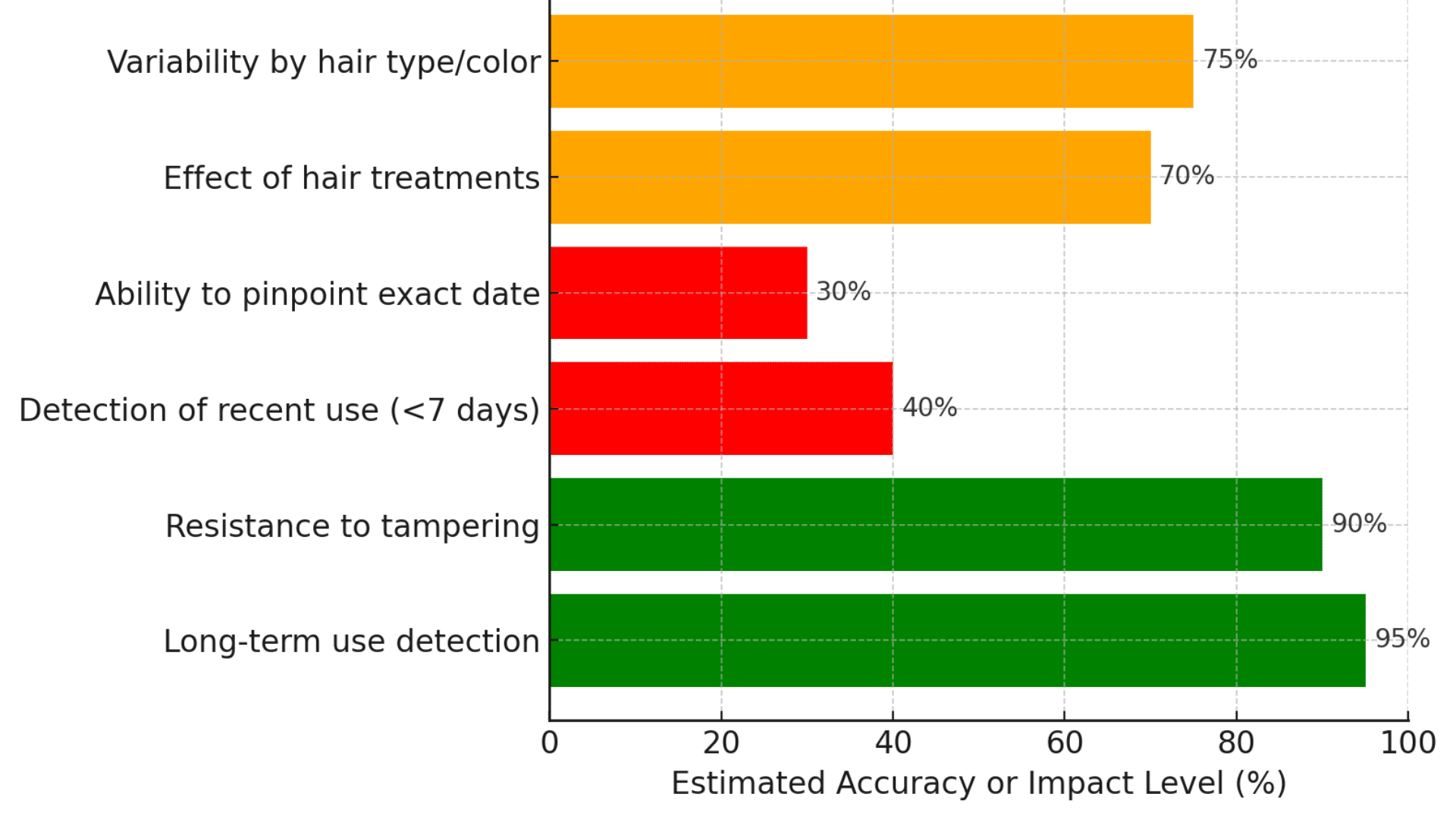
Hair follicle drug tests demonstrate high accuracy rates when performed correctly by certified laboratories. Understanding these accuracy levels helps set proper expectations for test results.
Hair follicle drug testing has a high specificity (above 90%) for detecting drugs at standard laboratory cutoff levels, meaning false positives are rare when proper protocols are followed.
However, sensitivity can be lower, especially for low-level or infrequent drug use.
Some studies have found that only about 50% or fewer of people who reported recent cannabis use tested positive in hair follicle tests, with accuracy rates varying from roughly 2.9% to 65% depending on the drug and individual factors.
Benefits Of Hair Follicle Drug Test
Hair follicle drug testing offers several advantages that make it a preferred choice for many organizations.
These benefits address common concerns about drug testing accuracy and provide more comprehensive results than other methods.
- Extended Detection Window: Hair tests can identify drug use over a 90-day period, providing a much broader view of substance use patterns compared to urine tests that only cover 1-3 days.
- Tamper-Resistant Collection: The collection process is extremely difficult to cheat or manipulate. Unlike urine samples, hair cannot be easily substituted or diluted during collection.
- Alternative Sample Options: Body hair from arms, legs, chest, or other areas can be used when head hair is unavailable or too short. This flexibility ensures testing remains possible in most situations.
- Reliable Results: Hair testing produces consistent, accurate results with lower chances of false negatives compared to other testing methods, especially for detecting regular drug use.
- Professional Collection Environment: The collection process is quick, clean, and can be performed in office settings without requiring private facilities or special equipment.
- Legal Defensibility: Results hold up well in court proceedings and legal situations due to the reliable collection process and advanced laboratory analysis methods.
How Far Back Does a Hair Follicle Drug Test Go?
Hair follicle drug tests are generally considered accurate and reliable for detecting drug use over the past approximately 90 days, but their accuracy is influenced by several important factors.
| Hair Source / Length | Approximate Detection Window | Notes |
|---|---|---|
| Standard head hair (1.5 in / 3 cm) | ~90 days (3 months) | Based on average hair growth of ~0.5 in (1 cm) per month, this is the standard used in most workplace or legal testing. |
| Body hair (armpit, leg, chest, facial, pubic) | Up to 12 months (≈1 year) | Body hair grows more slowly and has different growth cycles, so it can reflect a longer usage history — but with less precise timing of use. |
| Very long scalp hair (e.g., 18 in / 45 cm) | In theory, up to ~3 years | If analyzed as a whole, it reflects the entire growth period; when tested in segments, it can provide a month-by-month historical profile — usually done only in forensic or research settings. |
Can a Hair Follicle Test Detect One Time Use or Occasional Use?
A hair follicle drug test can detect one-time or occasional drug use, but detection depends on several factors:
- Dose and potency: A single use may go undetected if the dose is very low or the drug is not potent enough to leave detectable metabolites in the hair.
- Timing: The drug metabolites must be incorporated into the hair segment collected by the test—the hair containing metabolites only becomes detectable about 7-10 days after use as it grows out from the scalp. If the timing does not match the section of hair sampled (usually the most recent 1.5 inches), use might be missed.
- Test sensitivity and threshold levels: Labs set cutoff levels to avoid false positives. Higher thresholds may miss casual or single uses, especially if drug incorporation was minimal.
- Individual factors: Metabolism, hair color, and cosmetic treatments can affect detection likelihood. Darker hair tends to bind more drug metabolites, increasing chances of detection.
Conclusion
Hair follicle drug testing offers a reliable way to detect how far back the drug test goes and substance use over a 90-day period.
While these tests have limitations, such as missing very recent use, their extended detection window and tamper-resistant collection make them valuable for employment, legal, and monitoring purposes.
Understanding how hair testing works helps set proper expectations about results and timelines. The choice between hair, urine, or other testing methods depends on your specific needs and detection requirements.
For accurate results, always work with accredited laboratories that follow proper collection and analysis procedures.