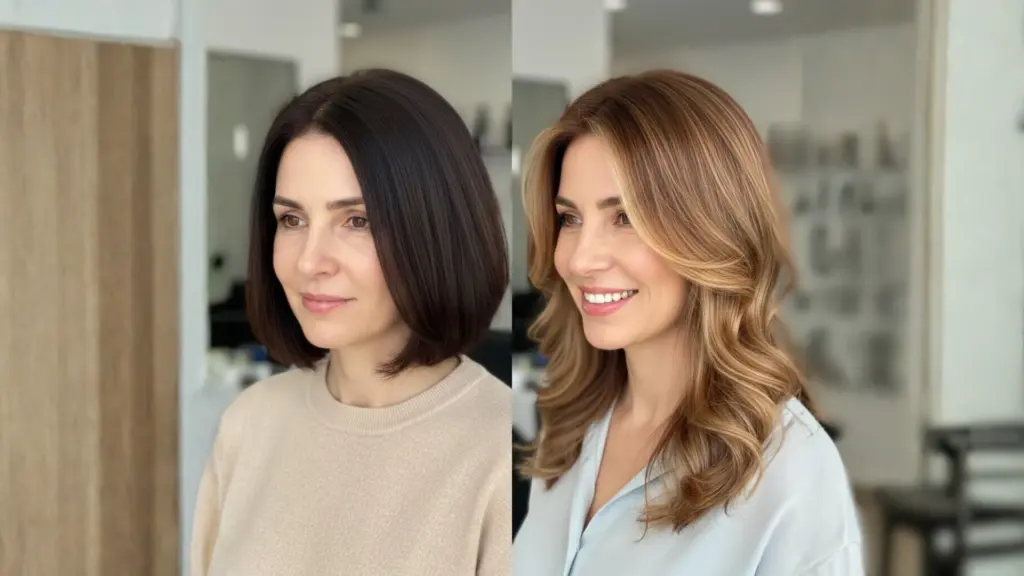


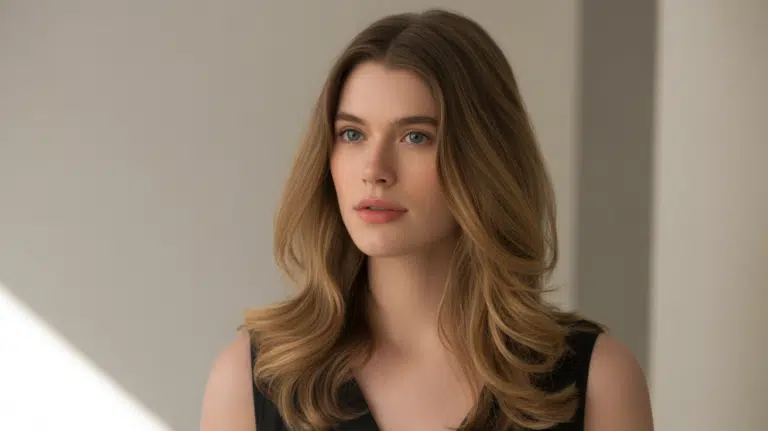
Ever wonder why salon hair always looks so shiny?
Most people think it’s just expensive products. But there’s a secret treatment that makes all the difference.
Hair gloss treatments are changing the game for dull, lifeless hair. They bring back shine and vibrancy without harsh chemicals. The catch? Not everyone knows how to use them properly.
This blog covers everything about hair gloss treatments. Readers will learn what they are, how they work, and which products deliver real results at home.
What is a Hair Gloss Treatment?
A hair gloss treatment is a shine-boosting formula that coats the hair. It comes in clear or tinted versions. The treatment seals the hair cuticle and adds a reflective layer.
Think of it like a top coat for nails. It smooths the outer layer of each strand. Light bounces off better, creating that glossy finish.
How It Works: Hair gloss contains conditioning agents and sometimes demi-permanent color. These ingredients work together in three ways:
- Seals the cuticle: Smooths rough edges on the hair shaft
- Adds shine: Creates a reflective surface for light
- Deposits color: Tinted versions refresh or adjust hair tone
The treatment lasts about 4-6 weeks. It fades gradually with each wash. No harsh chemicals or permanent changes happen to the hair structure.
Glossing Hair Treatment Benefits
Hair gloss treatments offer more than just shine. They solve multiple hair problems at once.
1. Instant Shine Boost
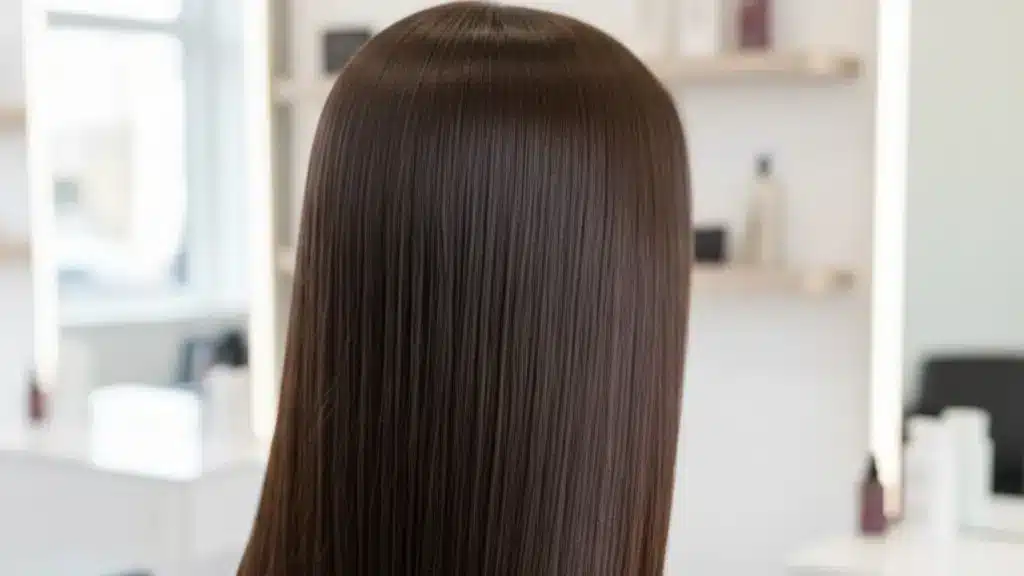
Gloss creates a mirror-like finish on hair. The treatment reflects light better than untreated strands. Dull hair transforms in minutes.
The translucent coating deposited by gloss treatments fills in microscopic gaps along the hair shaft, creating a smooth, uniform surface.
Within one application, hair can reflect up to 60% more light than before treatment.
2. Tames Frizz and Flyaways
Most gloss treatments contain cationic polymers and silicones that bind to the negatively charged damaged areas of the hair shaft.
These ingredients physically seal down lifted cuticle scales, preventing humidity from penetrating and causing the hair to swell and frizz.
The result is a protective barrier that maintains smoothness even in humid conditions for several weeks.
3. Extends Hair Color Life
Gloss refreshes faded color without full dye. It adds depth and richness back to dull shades.
Color-treated hair looks fresh for longer.
Semi-permanent pigments in tinted glosses deposit into the hair’s outer layers without lifting the cuticle like permanent dyes do.
This means less damage while still intensifying existing color or neutralizing unwanted tones.
4. Adds Softness and Smoothness
The conditioning agents in gloss make hair feel silky. Strands become easier to manage and style. Tangles reduce significantly.
Hair becomes noticeably softer to the touch and more manageable. The improved texture makes morning styling routines faster and less frustrating.
5. Low Commitment
Unlike permanent dye, gloss washes out gradually. There’s no grow-out line or root touch-ups needed. It’s perfect for trying new tones.
This makes gloss ideal for experimenting with subtle color changes or seasonal adjustments.
If you don’t love the result, it naturally fades within 4-6 weeks without any harsh demarcation lines.
Who Should Use It and Why
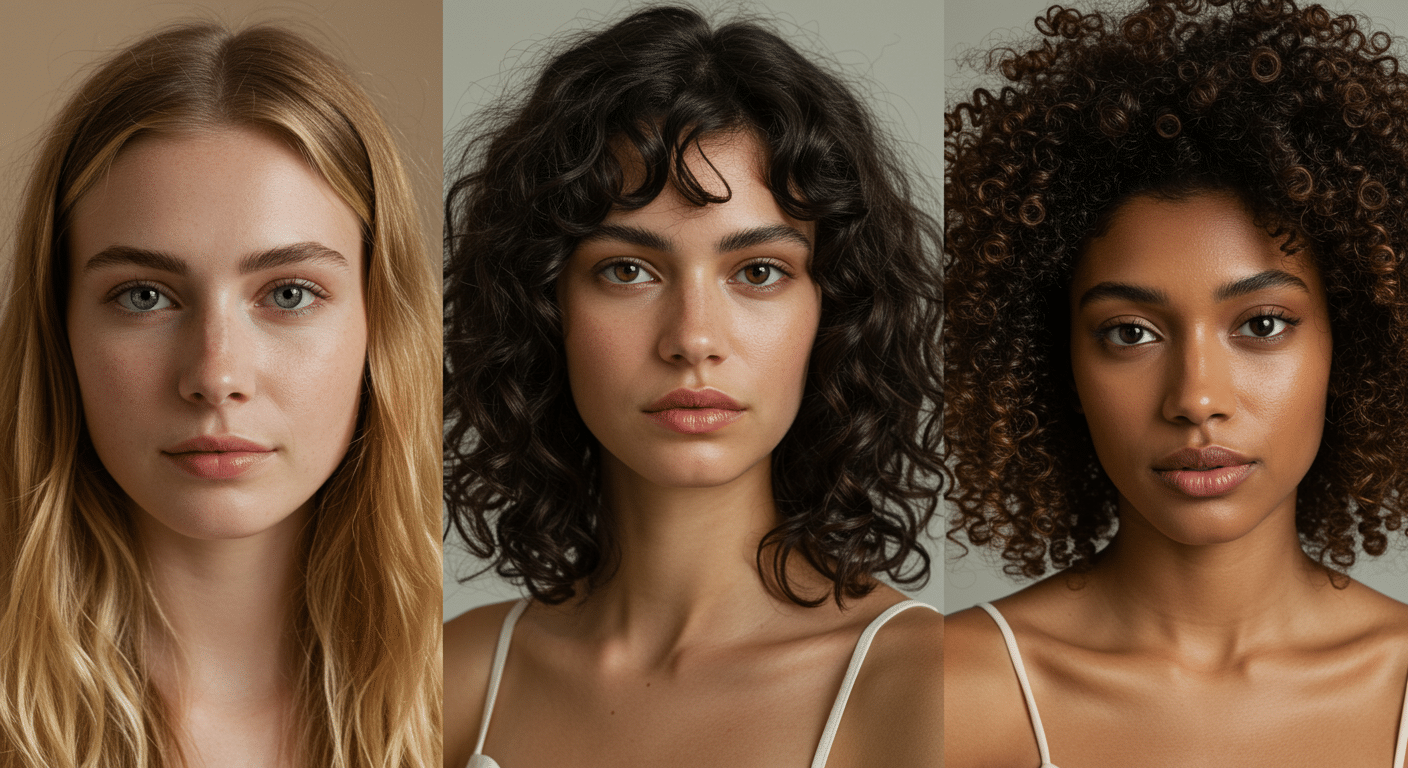
Hair gloss works for almost everyone. But certain hair types benefit most.
People with Color-Treated Hair: Gloss keeps dyed hair looking fresh. It prevents fading and adds vibrancy between salon visits. The treatment extends expensive dye jobs.
Those Fighting Brassiness: Blonde, silver, and gray hair often turns brassy. Tinted glosses neutralize yellow or orange tones in one application.
Anyone with Dull Hair: Natural hair loses shine from heat styling, sun exposure, and hard water. Clear gloss restores that healthy shine on any hair type.
People Wanting Low-Maintenance Color: Gloss offers subtle color changes without commitment. It’s perfect for testing new shades or refreshing highlights. The treatment washes out in 4-6 weeks with no roots.
Those with Frizzy or Textured Hair: Curly and coily hair types benefit greatly. Gloss smooths the cuticle and defines curl patterns. It blocks humidity and reduces frizz.
Different Types of Hair Gloss
Hair gloss comes in different formulas. Each type serves a specific purpose.
1. Clear Gloss
Clear gloss adds pure shine without changing color. It works on any hair shade. This type simply seals the cuticle and creates reflectivity.
Best for people who love their current color but want more shine.
2. Tinted Gloss
Tinted gloss contains semi-permanent color pigments. It adds or adjusts tone while boosting shine. The color washes out gradually over several weeks.
Common tinted options:
- Purple gloss: For blonde and silver hair
- Blue gloss: For lightened brown hair
- Caramel or honey tones: For brunettes
- Red tones: For auburn or copper shades
3. Demi-Permanent Gloss
This formula lasts longer than regular tinted gloss. It penetrates slightly deeper into the hair shaft. The results stick around for 6-8 weeks instead of 4-6.
Salons often use demi-permanent glosses for color correction.
4. At-Home Gloss
These products come ready to use. No mixing required in most cases. They’re gentler than salon versions but still effective.
At-home glosses work well for maintenance between professional treatments.
5. Salon Gloss
Professional formulas are stronger and more customizable. Stylists can mix custom shades to match specific needs.
Results tend to be more vibrant and longer-lasting.
Is Hair Gloss Treatment Damaging?

No, hair gloss treatments are not damaging. They actually improve hair condition in most cases.
Why Gloss Is Gentle
Hair gloss doesn’t contain ammonia or strong chemicals. It doesn’t lift the hair cuticle like permanent dye does. Instead, it coats the outside of each strand.
The treatment adds a protective layer. This shields hair from environmental damage and heat styling.
Gloss vs. Permanent Dye
Here is the key difference:
- Permanent dye: Opens the cuticle and changes hair structure
- Hair gloss: Sits on top and seals the cuticle
Gloss is much gentler because it doesn’t alter the hair’s natural structure.
Possible Concerns
Some tinted glosses contain low levels of peroxide. This helps the color deposit better. The amount is minimal compared to regular hair dye.
People with extremely dry or damaged hair might notice slight dryness. Using a deep conditioner afterward prevents this.
The Conditioning Effect
Most glosses include conditioning ingredients. These add moisture and softness to hair. Many people report that their hair feels healthier after glossing.
The treatment can actually repair surface damage from previous coloring or heat styling.
How to Apply Hair Gloss (Salon vs At Home)
Hair gloss application differs between salon and home treatments. Both methods work, but they require different approaches.
Salon Application
Professionals start with freshly washed hair. They towel-dry it until damp. The stylist then mixes a custom gloss formula based on hair needs.
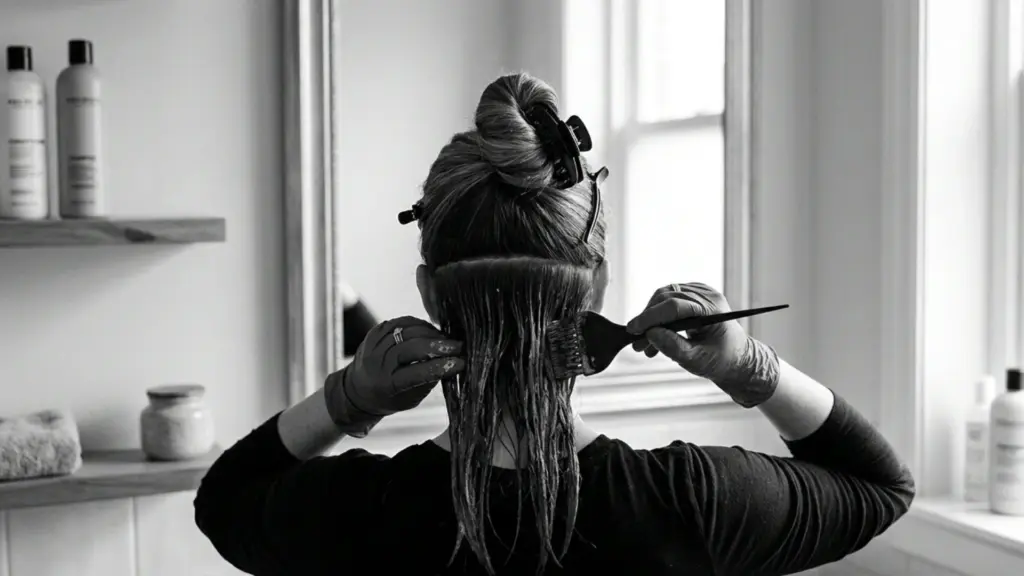
- The gloss is applied section by section with a brush.
- Every strand gets coated from root to tip. Processing time ranges from 20-40 minutes.
- Hair is rinsed with cool water, and a conditioning treatment often follows.
Salon glosses are stronger and more customizable. Stylists can adjust the formula for specific color corrections.
Results tend to last longer and look more vibrant.
At-Home Application
At-home glosses come ready to use. Most don’t require mixing. The application is simpler but needs careful attention.
Step 1: Start with clean, towel-dried hair. Make sure it’s damp, not dripping wet.
Step 2: Apply gloss evenly using gloved hands or an applicator brush. Work through each section thoroughly from root to tip.
Step 3: Leave on for the time specified on the package, usually 5-20 minutes. Don’t exceed the recommended time to avoid over-processing.
Step 4: Rinse completely with cool water until it runs clear. Skip shampoo for the first rinse to let the gloss set properly.
Home treatments are gentler and more affordable. They work well for maintenance between salon visits.
Best Hair Glosses to Boost Shine
These products deliver salon-quality results at home. Each one targets specific hair needs and concerns.
This treatment adds color and shine in one step. It’s perfect for neutralizing brassiness in blonde and silver hair.
Redken Acidic Color Gloss Treatment
The acidic formula seals the cuticle and locks in color. It works well for color-treated hair that needs extra protection.
Kristin Ess Hair Signature Hair Gloss
This affordable option delivers professional results. It comes in multiple shades for both subtle and bold color changes.
L’Oréal Paris One‑Step Toning Hair Gloss
Easy one-step gloss treatment you use in the shower. It corrects brassy or faded tones, deep-conditions, and leaves hair shiny and soft while being gentle on color.
Oribe Mirror Rinse Glass Hair Treatment
A beloved glossing rinse that smooths cuticles, deeply conditions, and delivers a mirror-like glossy finish that can last through washes.
Final Thoughts
Hair gloss treatments bring life back to dull strands. They work for every hair type and color need. The treatment adds shine, tones unwanted colors, and protects hair from damage.
Start with an at-home gloss if you’re new to this. Test how your hair responds before investing in salon treatments.
Remember to use cool water when rinsing and skip shampoo on the first wash.
Frequently Asked Questions (FAQ’s)
How Long Does Hair Gloss Last?
Hair gloss typically lasts 4-6 weeks. The exact duration depends on how often you wash your hair. Using sulfate-free shampoo helps extend the results.
Can I Use Hair Gloss on Virgin Hair?
Yes, hair gloss works on natural, untreated hair. Clear gloss adds shine without changing your color.
Does Hair Gloss Cover Gray Hair?
Hair gloss provides minimal gray coverage. It can blend a few grays but won’t fully cover them. For complete gray coverage, permanent dye works better.
How Often Should I Gloss My Hair?
Most people gloss their hair every 4-6 weeks. Wait until the previous treatment fades completely before reapplying.