

Curly hair isn’t just one thing. It coils, spirals, and bends in dozens of ways, and each pattern has its own name.
Knowing these types of curls makes daily care so much easier because you’ll understand what your hair actually needs. Some curls loop wide and loose. Others wind tight like springs.
The difference between a 3A and a 4C?
It’s bigger than you think, and it changes how you style, moisturize, and protect your strands.
How Curly Hair Types Are Named
Hair experts use a simple system to sort curls into groups. It starts with numbers and letters that describe how your strands bend and coil.
The number tells you the basic curl family.
Type 3 hair forms actual curls that you can see clearly.
Type 4 hair coils tighter and creates dense, springy patterns.
Within each number, letters break things down further.
An “A” curl is looser and larger. “B” sits in the middle. “C” brings the tightest, most compact version.
Most people don’t have just one curl type all over. Your crown might show 3B curls while the back sits closer to 3C. This happens because each section of your scalp is slightly different.
Type 3 Curly Hair
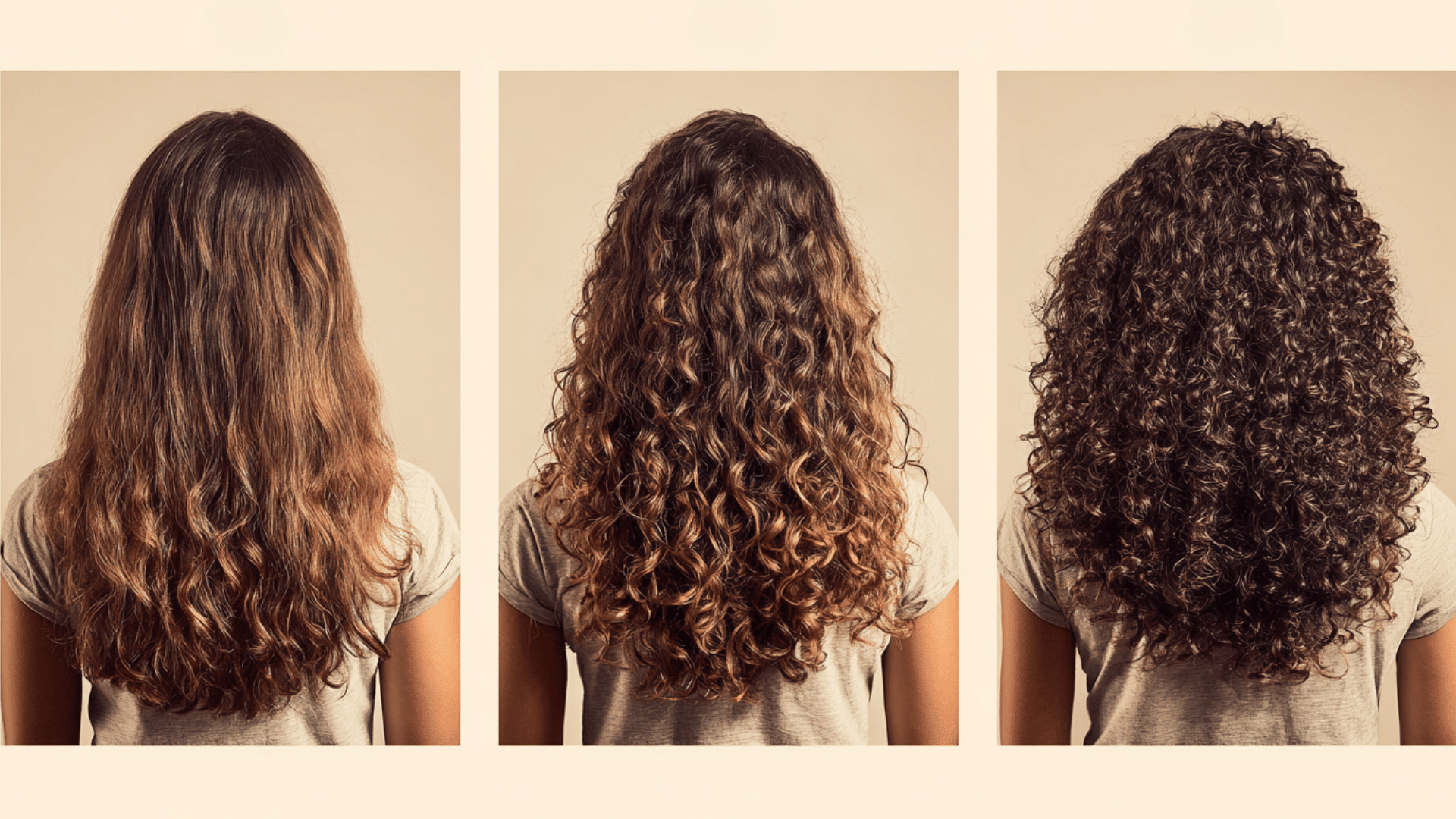
Type 3 hair is where you start seeing real, bouncy curls.
These strands form S-shaped patterns that loop and spiral naturally. The three subcategories show how curl size changes the overall look.
Type 3A Curls
These are the loosest curls in the Type 3 family.
They form wide loops about the width of sidewalk chalk. The texture tends to be shiny because the curl pattern isn’t so tight that it blocks natural oils from sliding down.
3A curls have a relaxed quality that moves easily when you shake your head. They flow softly and catch light well.
Type 3B Curls
Medium-sized curls define this category.
Think marker-width spirals that spring back when you stretch them. The springiness creates natural volume without much effort, and each ringlet stands out on its own
Type 3C Curls
Tight, compact curls pack together here. Each curl is about as wide as a pencil. The density creates a whole appearance.
These curls sit close to each other and shrink up more than looser types.
They form a cohesive pattern that fills out quickly.
Type 4 Curly Hair
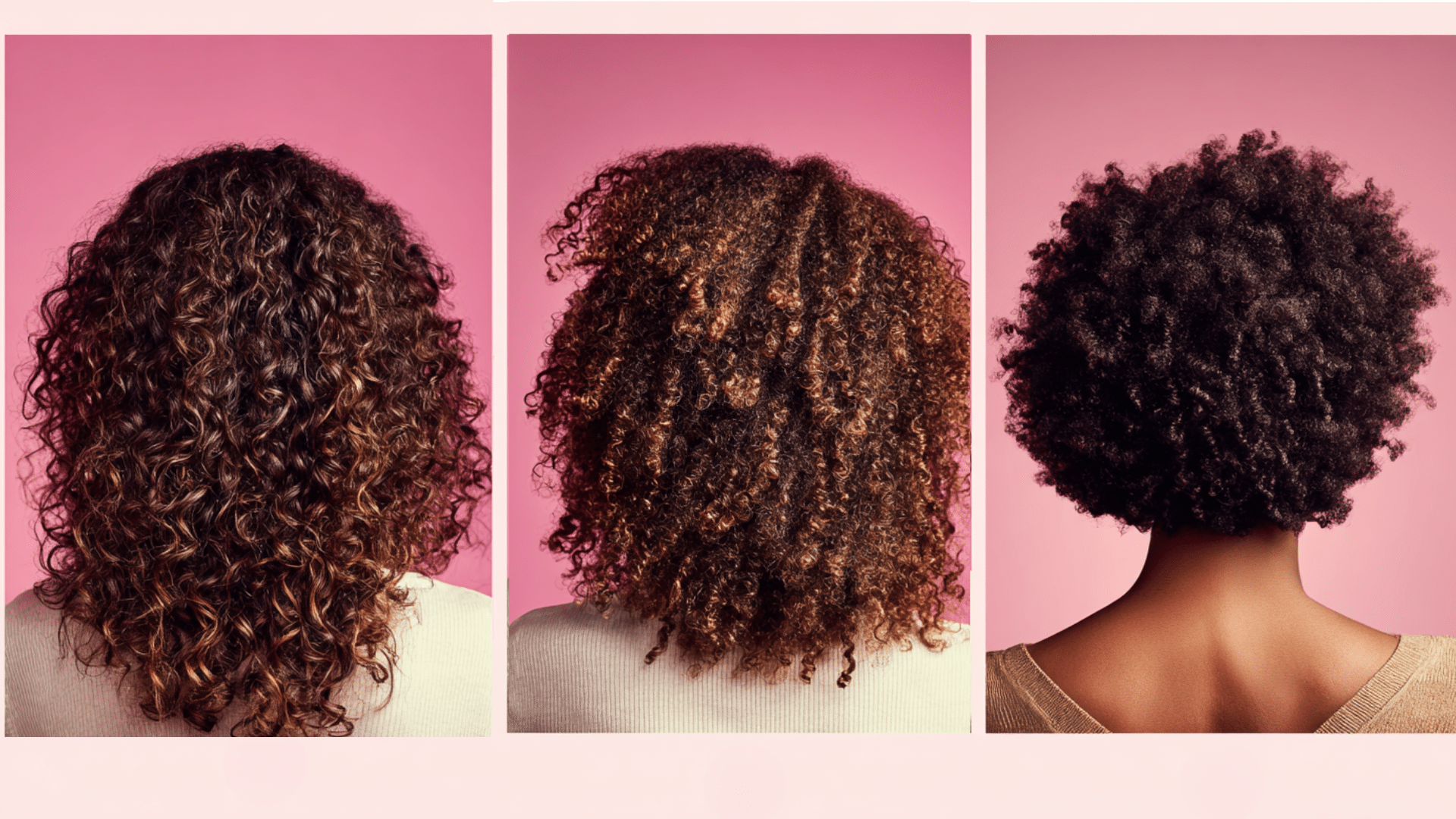
Type 4 hair coils tightly and creates dense, voluminous textures.
These patterns need more moisture than Type 3 because the tight coils make it harder for natural oils to travel down each strand.
Type 4A Curls
Small, tight coils define this pattern.
Each coil is about the size of a crochet needle and forms a clear S-shape. When properly moisturized, 4A hair feels soft and springy.
Type 4B Curls
This type bends sharply instead of forming smooth spirals. The strands create Z-shaped angles that zigzag back and forth. You won’t see as much curl definition as 4A.
This hair shrinks significantly when it dries, sometimes appearing half its actual length.
Type 4C Curls
Very tight coils pack densely here. The strands are fine but plentiful, creating serious volume.
This pattern shows the highest shrinkage level, often shrinking 75% or more from its stretched length.
The coils are so tight they might not show a clear pattern at first glance. Let’s look at the common names people use for these curl patterns.
Popular Curly Hair Names People Use
Beyond the numbered system, people describe their curls using everyday language.
Loose curls

Wide, flowing patterns that fall softly. They don’t coil tightly and have plenty of movement.
These curls tend to be shinier because oils can slide down the strand more easily.
Tight curls
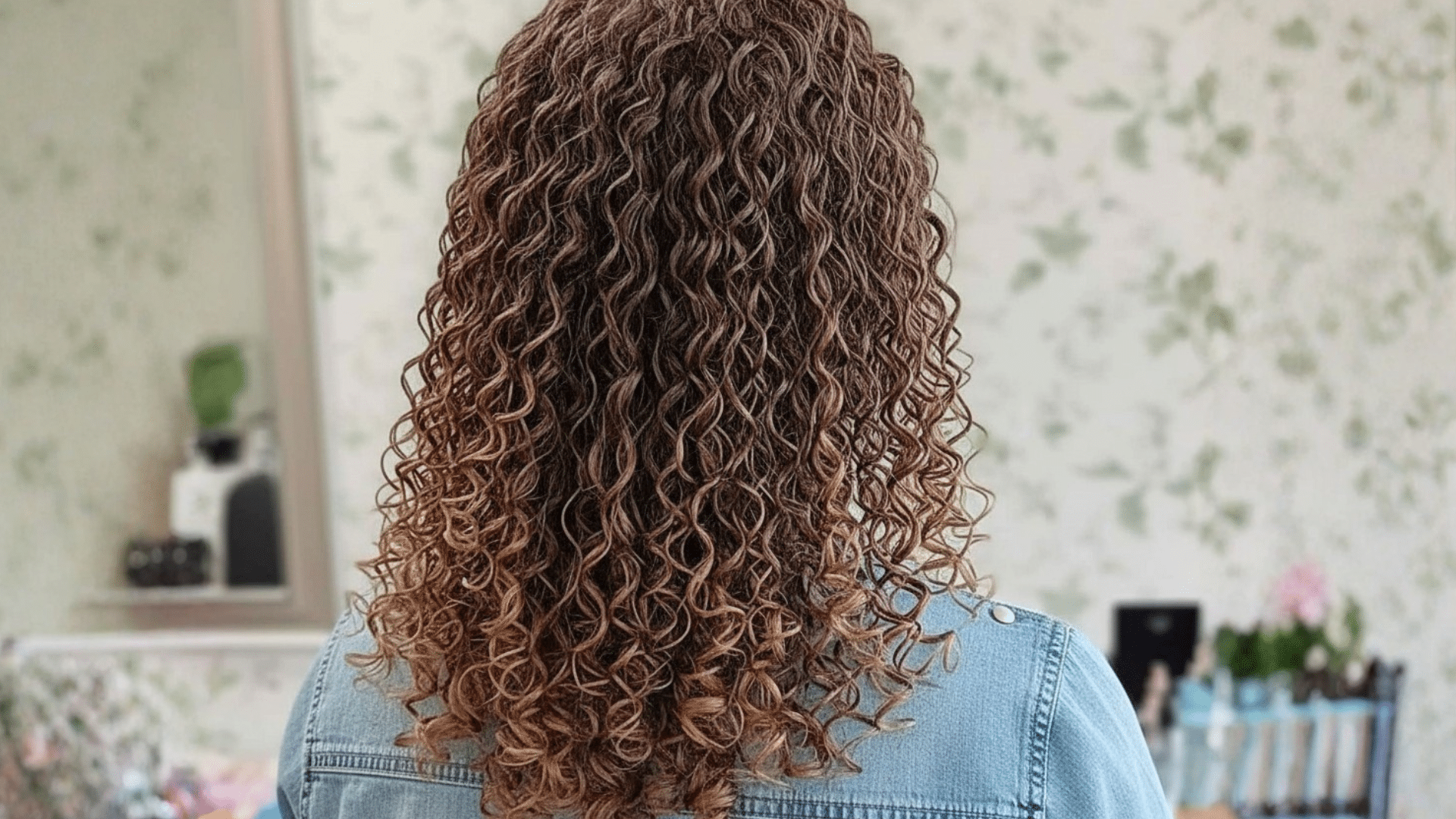
Small, compact patterns that spring close to the scalp.
Each curl winds around itself repeatedly, creating dense sections.
They hold their shape all day but need more moisture to stay soft. The density gives you natural volume.
Spiral curls
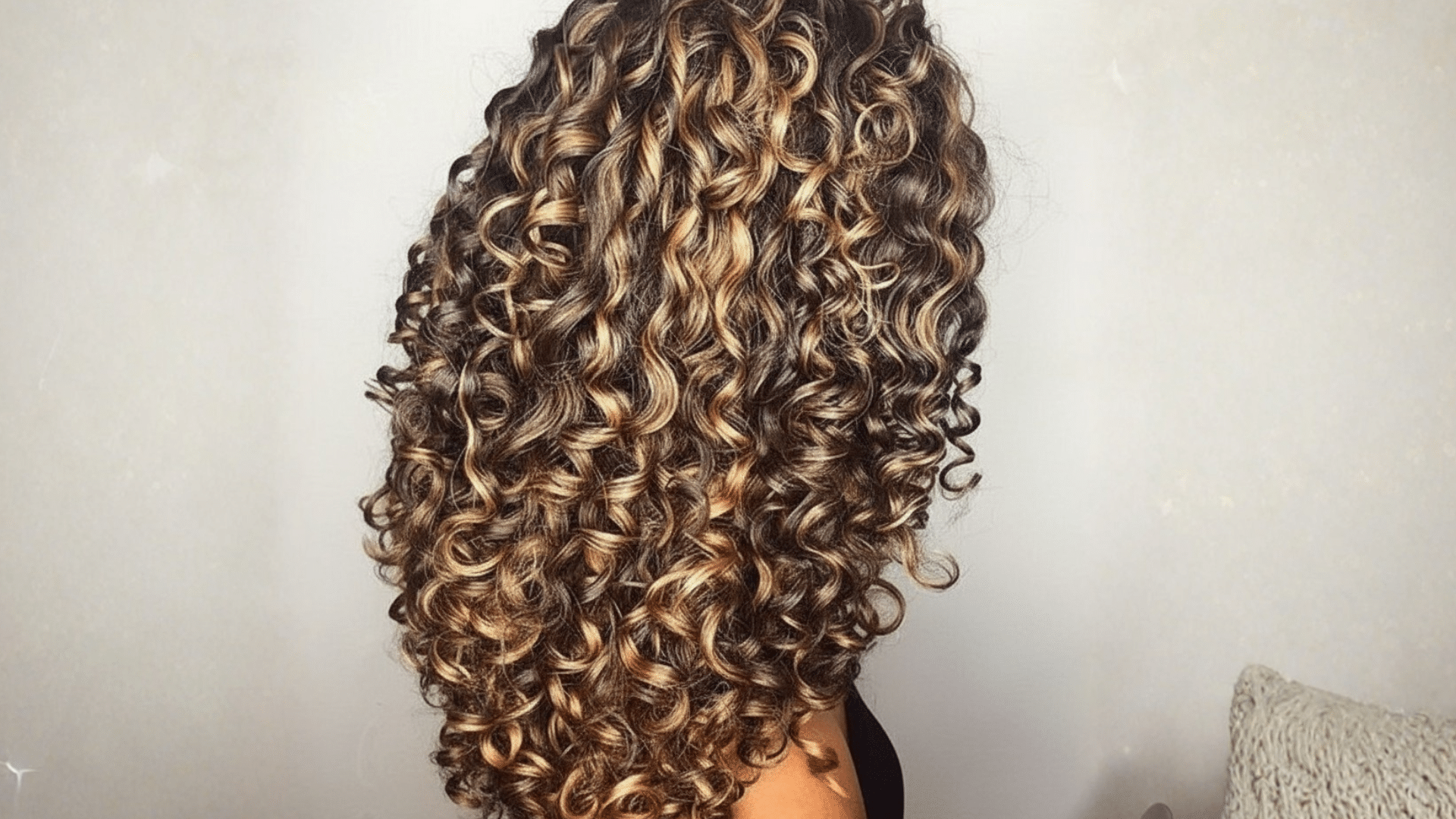
These wind around in a corkscrew motion from root to tip, forming consistent tubes you can wrap around your finger.
Each strand creates a uniform spiral that bounces back when pulled. The pattern stays predictable throughout your head.
Corkscrew curls
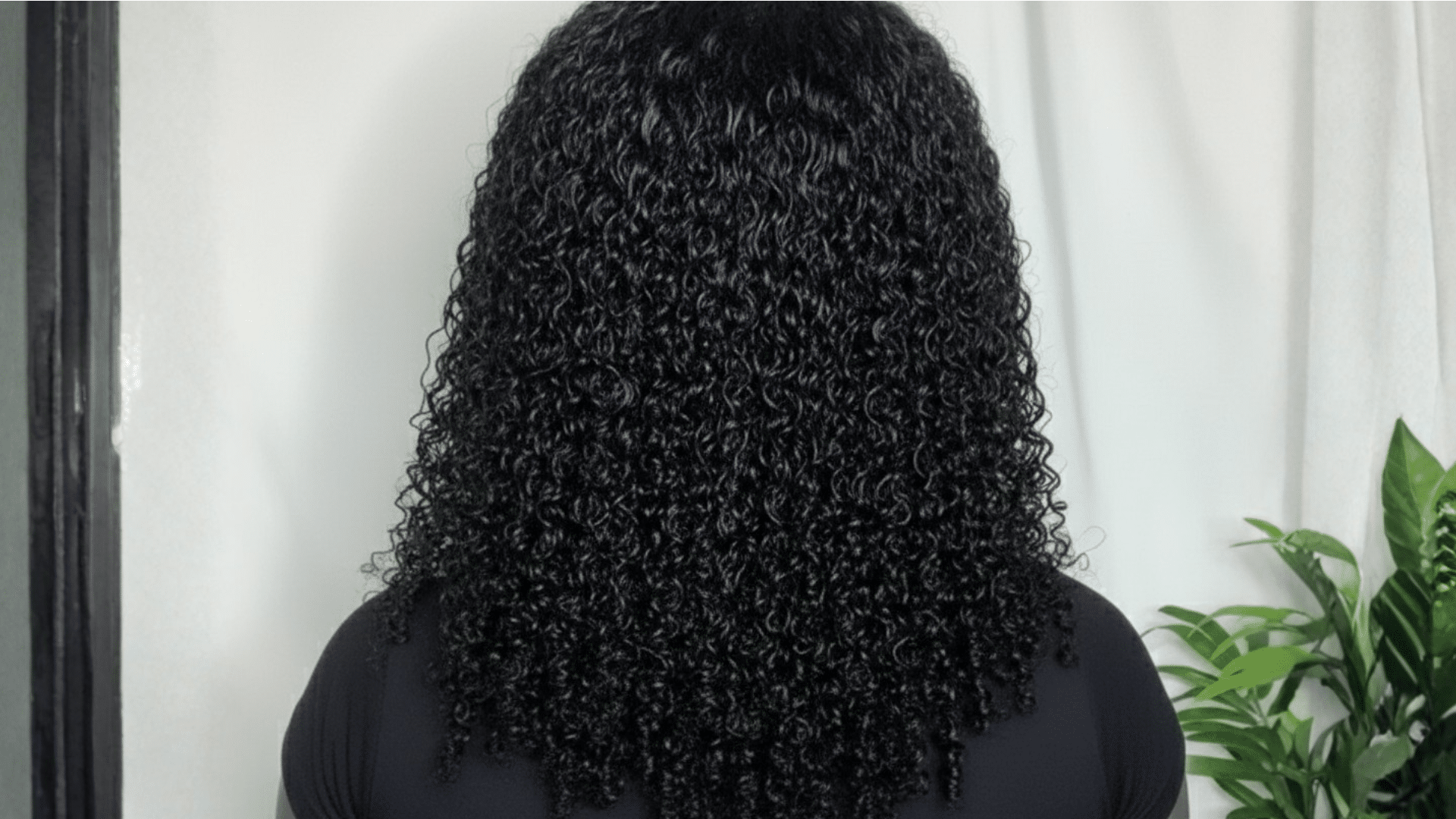
These take the spiral concept tighter.
They twist dramatically and create defined ringlets. The pattern stays clear throughout each strand.
Coily curls
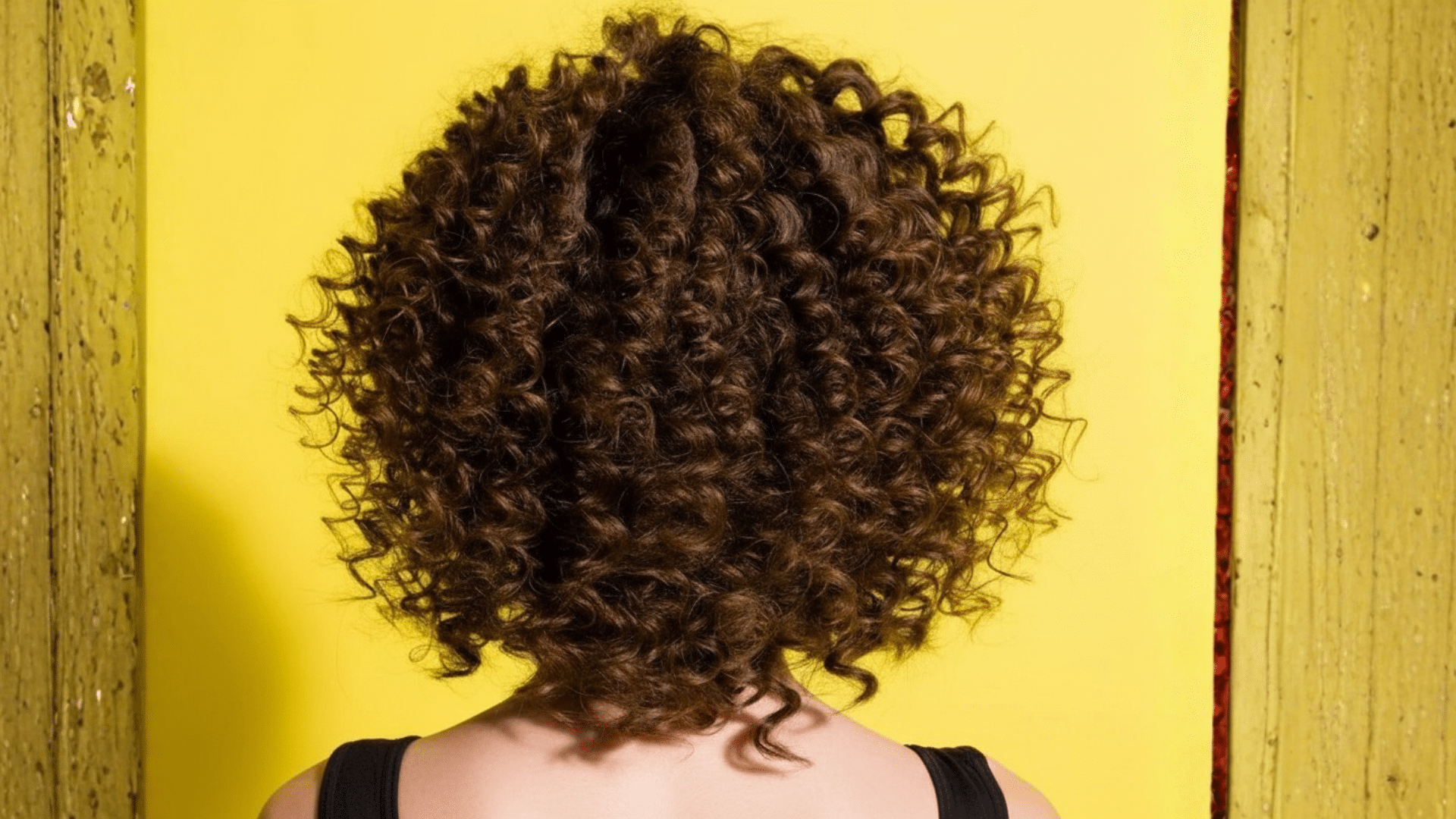
The tightest patterns, where hair winds into small, spring-like coils. This term often applies to Type 4 hair. The coils compress like tiny springs.
Knowing your specific curl type helps when you’re trying to figure out what works best.
Different Curling Wand Curls
Curling wands and heat tools give you control over the curl styles you want. The barrel size, machine type, and technique determine your final look.
| Curl Style | Tool/Machine | Result |
|---|---|---|
| Beach Waves | Large barrel wand (1.5-2 inches) | Relaxed, tousled waves |
| Tight Ringlets | Small barrel wand (0.5-0.75 inches) | Defined spirals that bounce |
| Loose Spirals | Medium barrel wand (1-1.25 inches) | Soft spirals with volume |
| Defined Corkscrews | Tapered wand | Uniform corkscrew curls |
| Voluminous Curls | Large barrel wand | Big, bouncy, glamorous curls |
| Mermaid Waves | Medium barrel wand | Textured, flowing waves |
| Pin Curls Effect | Smallest wand barrel | Vintage tight spirals |
| Auto-Curler Spirals | Automatic curling machine | Consistent, uniform spirals |
| Triple Barrel Waves | Three-barrel waver | S-shaped stacked waves |
| Flat Iron Waves | Flat iron | Loose, beachy bends |
How to Identify Your Curly Hair Type
Figuring out your curl pattern takes a bit of observation. You can’t just guess by looking in the mirror after styling. The key is seeing what your hair does naturally.
Step 1: Start with clean hair
Wash your hair and remove all products. Don’t add conditioners, gels, or creams that might alter the natural pattern.
Step 2: Let it air dry completely
Don’t scrunch, twist, or touch your strands. Just let them dry on their own without any manipulation.
This shows you what your hair actually does.
Step 3: Compare curl size and shape
Look at individual curls once they’re dry.
Are they as wide as a marker? A pencil? A pen spring? Notice whether they form smooth S-shapes or sharp zigzags.
Step 4: Check multiple sections
Pull a curl from the crown, the sides, and the back.
You might find different patterns in each area. That’s completely normal.
Step 5: Watch the shrinkage
Pay attention to how much your hair shrinks when it dries compared to when it’s wet and stretched.
Higher shrinkage usually means tighter curl patterns.
Why Your Curl Type May Change
Your curl pattern isn’t set in stone. It can shift over months or years, depending on what you do to your hair and what’s happening inside your body.
1. Heat Use
Flat irons, curling wands, and blow dryers can loosen your natural curl pattern over time. The high temperatures break down the protein bonds that give curls their shape.
If you use heat tools regularly without protection, your curls might get limp or lose their spring.
2. Hair Length
Longer hair weighs more, and that weight can pull curls straighter. A 3B curl might look more like 3A when it reaches your mid-back.
Shorter cuts often show tighter, bouncier patterns because there’s less weight dragging them down.
3. Chemical Treatments
Relaxers, perms, color treatments, and keratin services all mess with your hair’s natural structure. They can loosen tight coils or damage the curl pattern permanently.
Your hair might grow out with a different texture after chemical processing.
4. Age and Health
Hormonal changes during pregnancy, menopause, or puberty can alter curl patterns.
Health conditions, medications, and stress levels also play a role in how your hair grows and behaves. What matters most is working with the curls you have right now.
Closing Thoughts on Curly Hair Types
Knowing your curl pattern makes everything easier, from picking the right products to styling with confidence.
Most heads show multiple patterns, so don’t stress about fitting into one perfect category. Focus on keeping your hair moisturized and healthy instead.
Your different curling wand curls deserve care that matches their unique needs.
Start paying attention to how your curls behave naturally, and you’ll figure out what works best for you.