

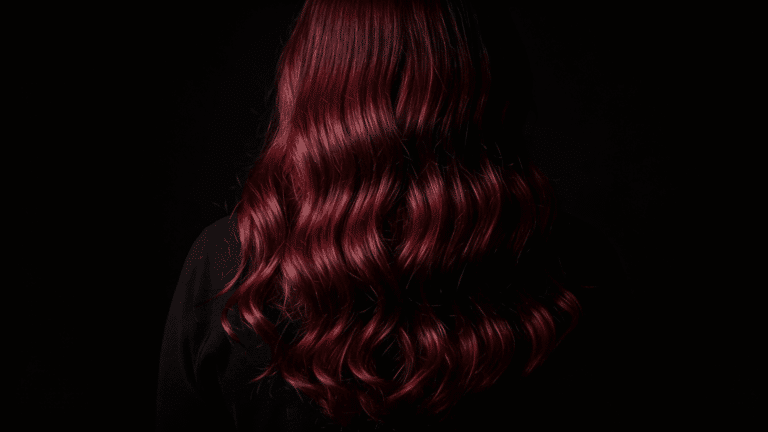
Want dark red hair naturally, but worried about the right shade?
Many people dream of rich, burgundy tones but fear the damage that comes with it. Commercial dyes can be harsh on your hair and scalp. They often contain ingredients you can’t even pronounce.
You can get beautiful, dark red hair that looks natural. They give you more control over the final shade.
In this blog, you will see what genuine red hair looks like and various shades of red, compared to dyed hair.
You’ll learn methods to color naturally, which color suits best to what type of skin tone, common myths, and caring tips.
What Does Natural Red Hair Look Like?
Red hair comes in many shades. A spectrum that ranges from bright copper to deep auburn.
Some people have strawberry blonde tones. Others sport a rich mahogany color.
Natural red color has depth and dimension. It’s not just one flat color. You’ll see lighter strands mixed with darker ones. The sun hits different sections and creates highlights naturally. The texture tends to be fine.
Most natural redheads also have specific characteristics. Their hair often appears shinier than other colors.
It can look almost translucent in bright light. When we talk about dark red hair specifically, think deep wine tones.
Imagine burgundy mixed with brown. That’s the natural look we’re aiming for.
Natural Dark Red Hair Shades
Dark red hair comes in several beautiful shades. Each one has its own character.
Here are the most popular options you can achieve naturally.
Auburn

Auburn is a classic reddish-brown shade. It leans more brown than red.
You’ll see hot undertones throughout. This color looks natural on most skin tones. It’s perfect if you want something subtle yet noticeable. Auburn works well for first-timers.
Burgundy
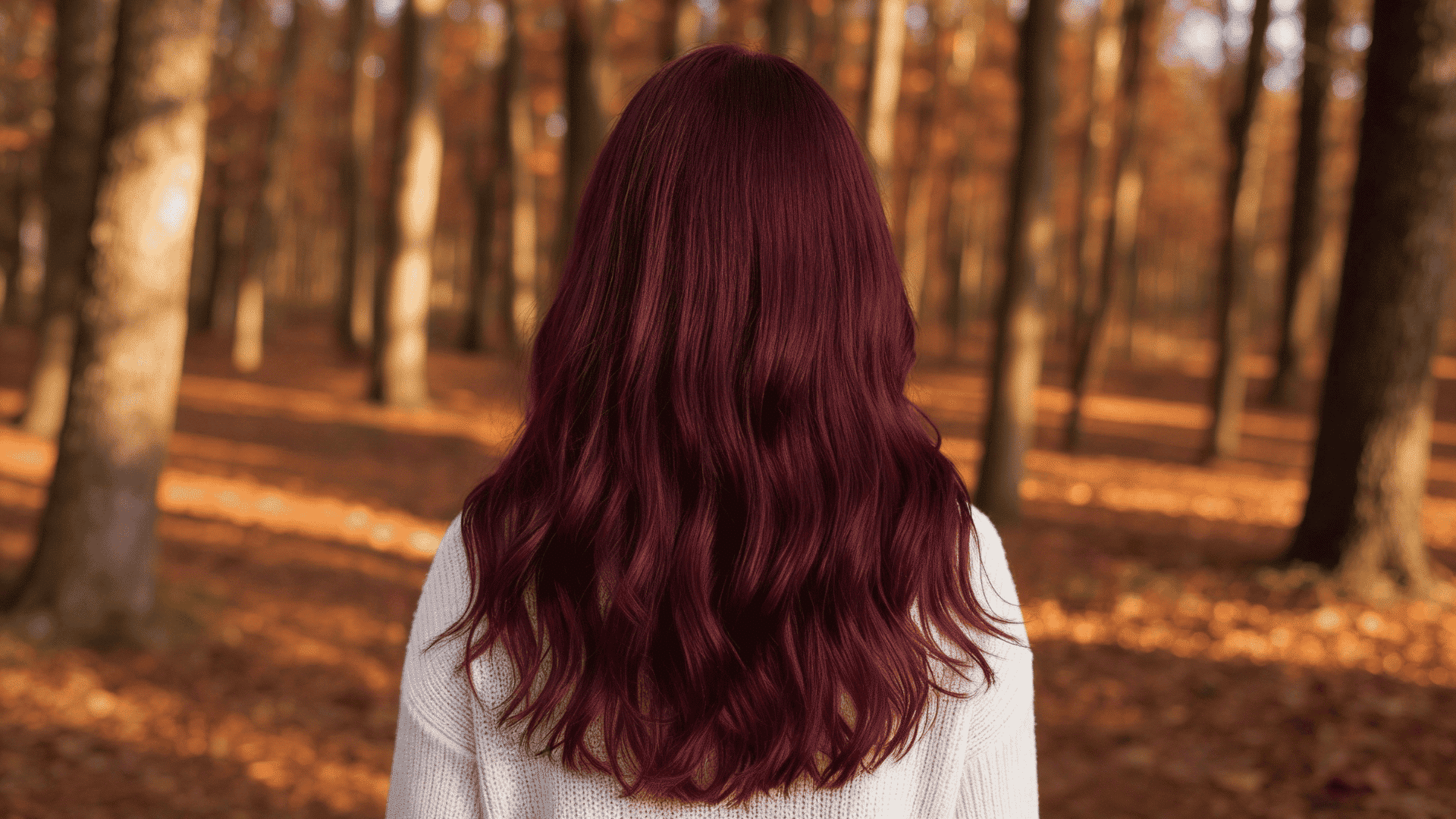
Burgundy is a deep wine-inspired color. It has purple undertones mixed with red.
This shade is bolder than auburn. It shows up beautifully in sunlight. Burgundy suits people who want a dramatic change. The color stays vibrant for weeks.
Mahogany
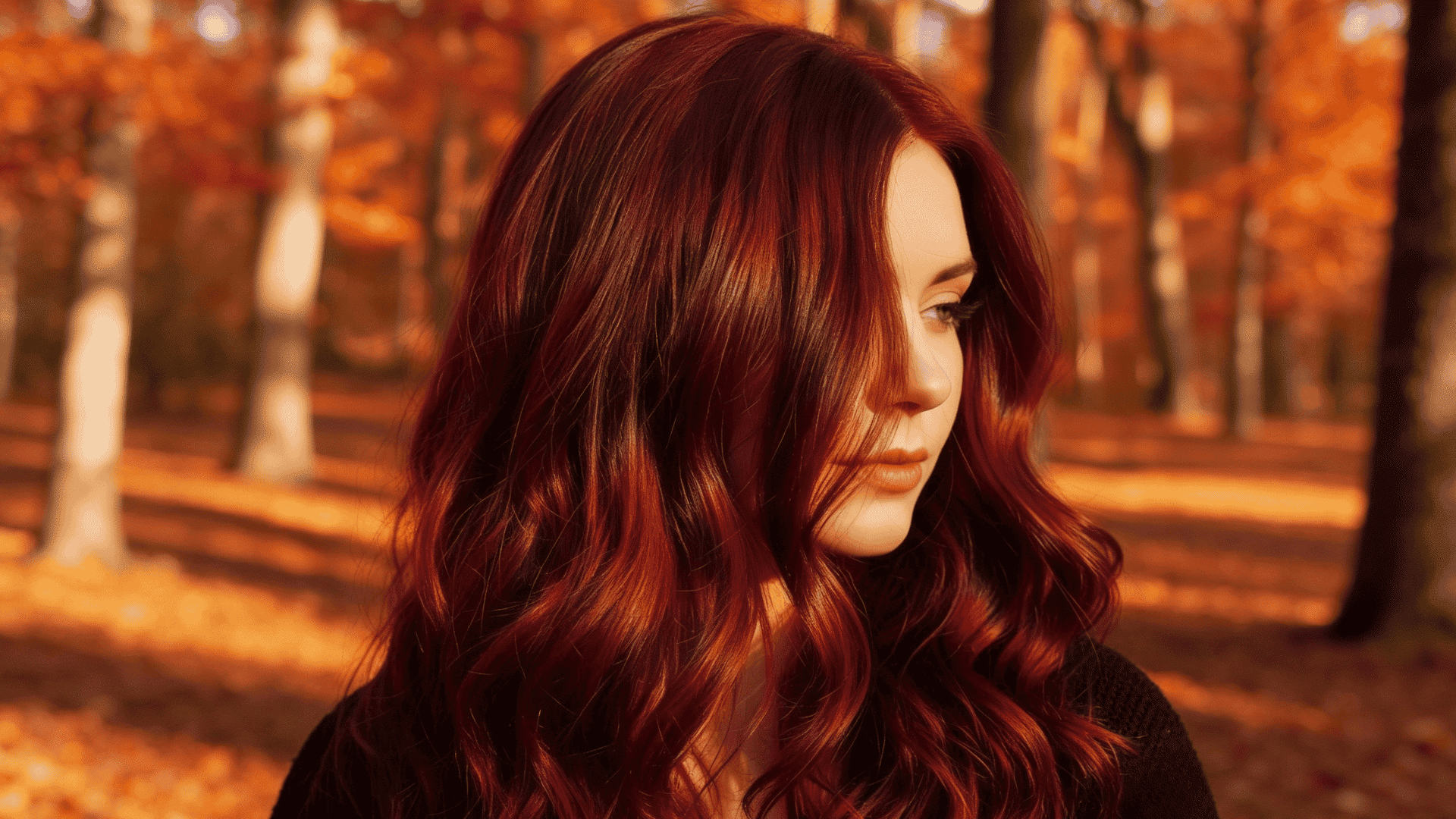
Mahogany blends red with dark brown tones. It’s a refined color that looks polished.
The red shows through when light hits it. Otherwise, it appears almost brown.
This shade is ideal for professional settings. It gives you color without being too flashy.
Cherry Wood
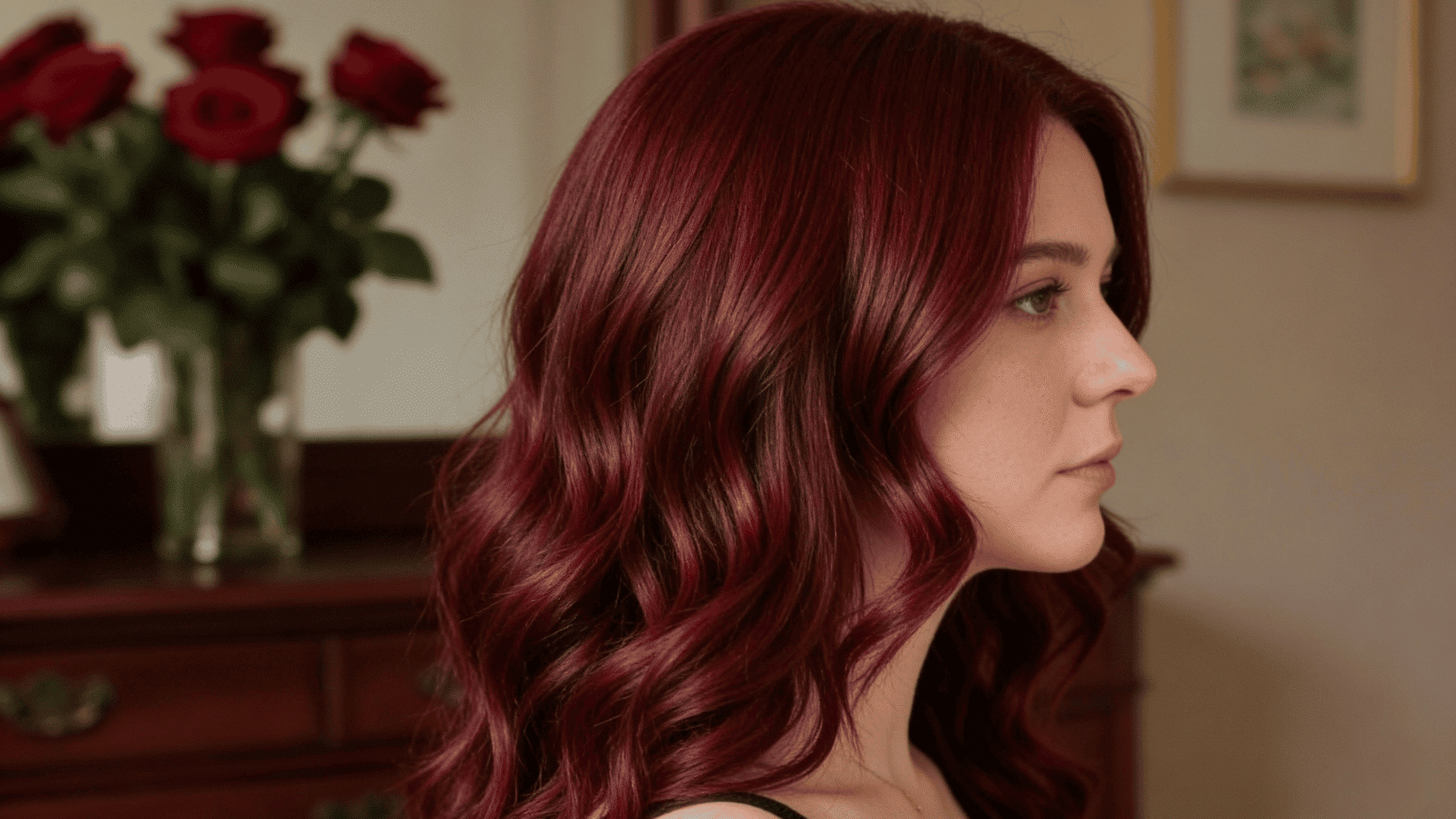
Cherry wood is a natural, reddish-brown tone. It mimics the color of cherry wood furniture. This shade has orange-red undertones. It creates a cozy, autumnal feel.
Cherry wood complements kind skin tones exceptionally well. The color appears natural and sun-kissed.
Methods to Achieve Natural Red Hair Color
Here are proven methods to attain dark red hair at home.
- Henna: Henna is the most popular natural red dye. Mix the powder with hot water into a paste. Apply to clean hair for 2-4 hours. Rinse thoroughly. The color deepens with each use and strengthens hair.
- Hibiscus and Henna Mix: Boil dried hibiscus petals in water. Use this liquid to mix henna powder. The hibiscus adds burgundy undertones. Apply for 3-4 hours. This creates richer, darker mahogany or burgundy shades beautifully.
- Beetroot Juice: Blend fresh beetroots and strain the juice. Mix with coconut oil. Apply to damp hair for one hour. This creates temporary red tints. Repeat weekly for best results. Works well on lighter hair.
- Black Tea and Coffee: Brew strong black tea or coffee. Mix with henna powder to create a paste. Apply for 3-4 hours. The tea or coffee deepens red. Perfect for dark auburn or mahogany shades.
- Cranberry Juice: Mix unsweetened cranberry juice with regular conditioner. Apply to clean, damp hair for 30-60 minutes. Rinse with cool water. Repeat twice weekly. Great for maintenance between henna treatments.
- Red Wine: Mix equal parts red wine and water. Pour over hair and massage gently. Wait 30 minutes before rinsing. Creates temporary burgundy tones. Use for special occasions. The color fades after washing.
- Carrot Juice: Blend fresh carrots and extract juice. Mix with coconut or olive oil. Apply for one hour, wrapped in plastic. Creates lighter auburn shades. This is gentler than other methods. Rinse with lukewarm water.
Dark Red Natural Hair vs Dyed Red Hair
The main key differences between natural and dyed approaches.
| Aspect | Natural Methods | Dyed Hair |
|---|---|---|
| Ingredients | Plant-based food items | Chemical compounds, ammonia |
| Processing Time | 2-4 hours per session | 30-60 minutes |
| Hair Health | Strengthens and conditions | Can cause dryness and breakage |
| Color Build | Gradual, multiple applications | Instant, single application |
| Fading | Slow, graceful fade | Fast, uneven fade |
| Cost | Low, kitchen ingredients | Higher, salon or box dye |
| Color Intensity | Subtle to medium | Light to very dark |
| Reversibility | Washes out gradually | Requires bleach or color remover |
| Gray Coverage | Moderate coverage | Full coverage |
What’s the Best Red Hair Shade for Different Skin Tones?
Your skin tone plays an important role in choosing the right shade. Here’s what works best for each type.
1. Fair Skin
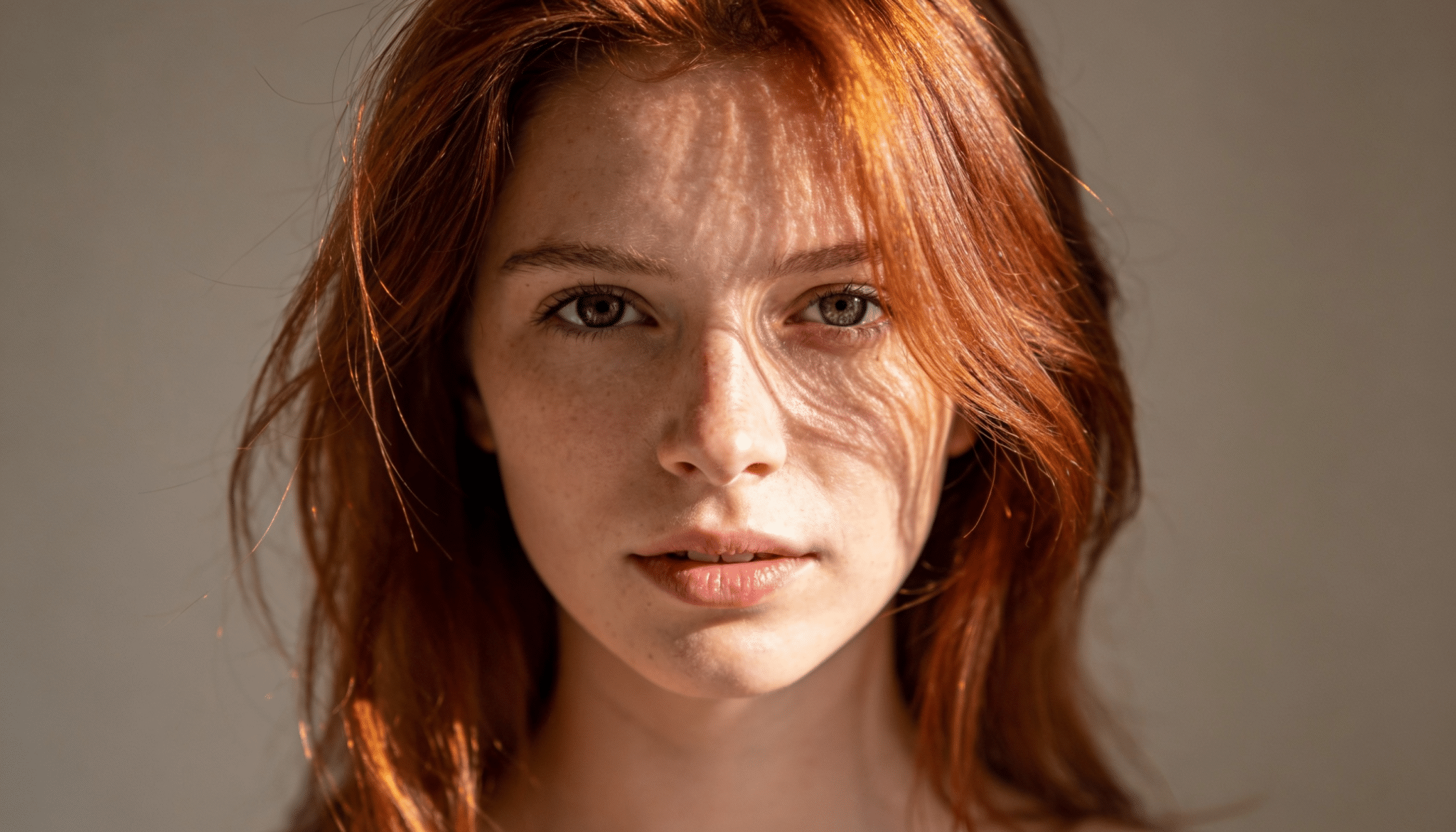
If you have fair skin, go for auburn or light mahogany.
These shades create a beautiful contrast without looking too harsh. Avoid very dark burgundy as it might wash you out. Copper-tinted reds also look pretty on fair complexions.
The hot tones bring out your natural glow and make your features pop nicely.
2. Medium Skin
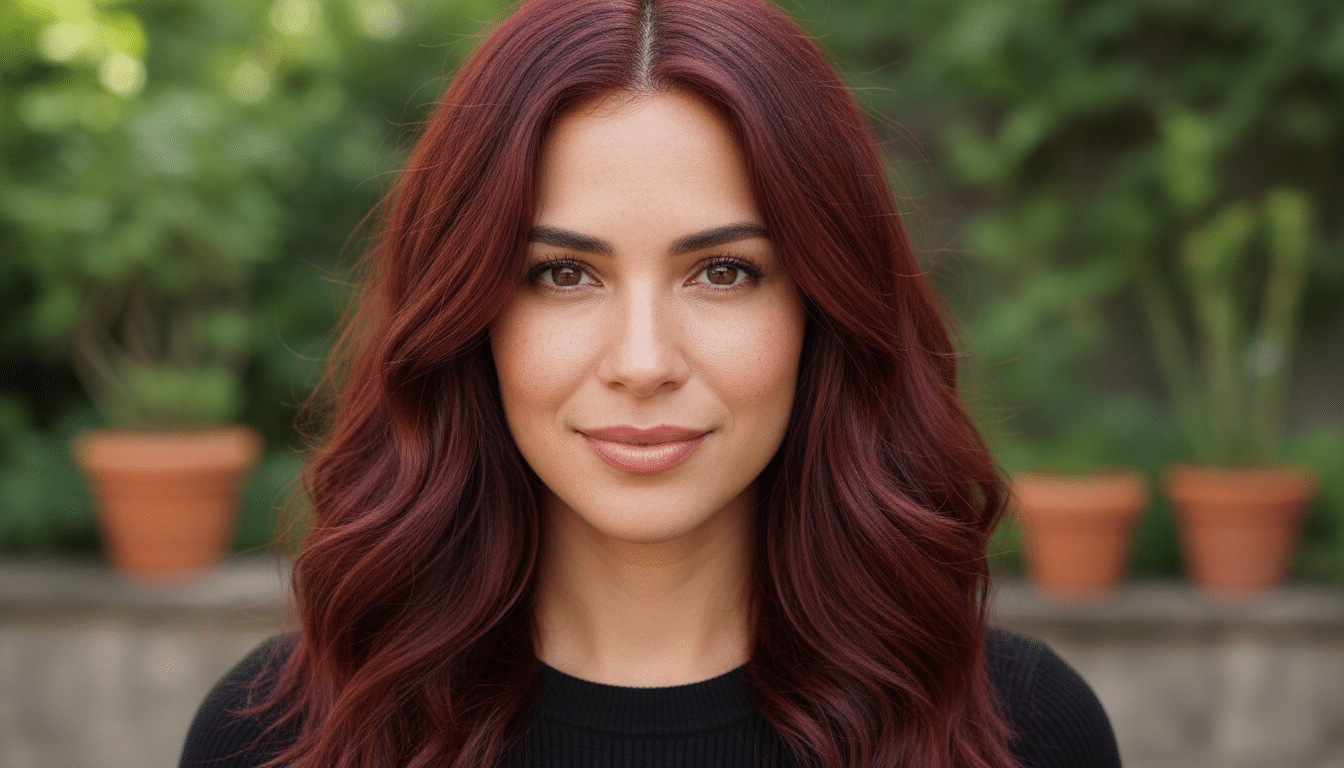
Medium skin tones can pull off almost any dark red shade. Cherry wood and rich auburn are particularly flattering.
You have the flexibility to go darker or lighter. Burgundy with brown undertones works wonderfully, too. These colors complement your natural heat. Try different shades to see what you like best.
3. Olive Skin
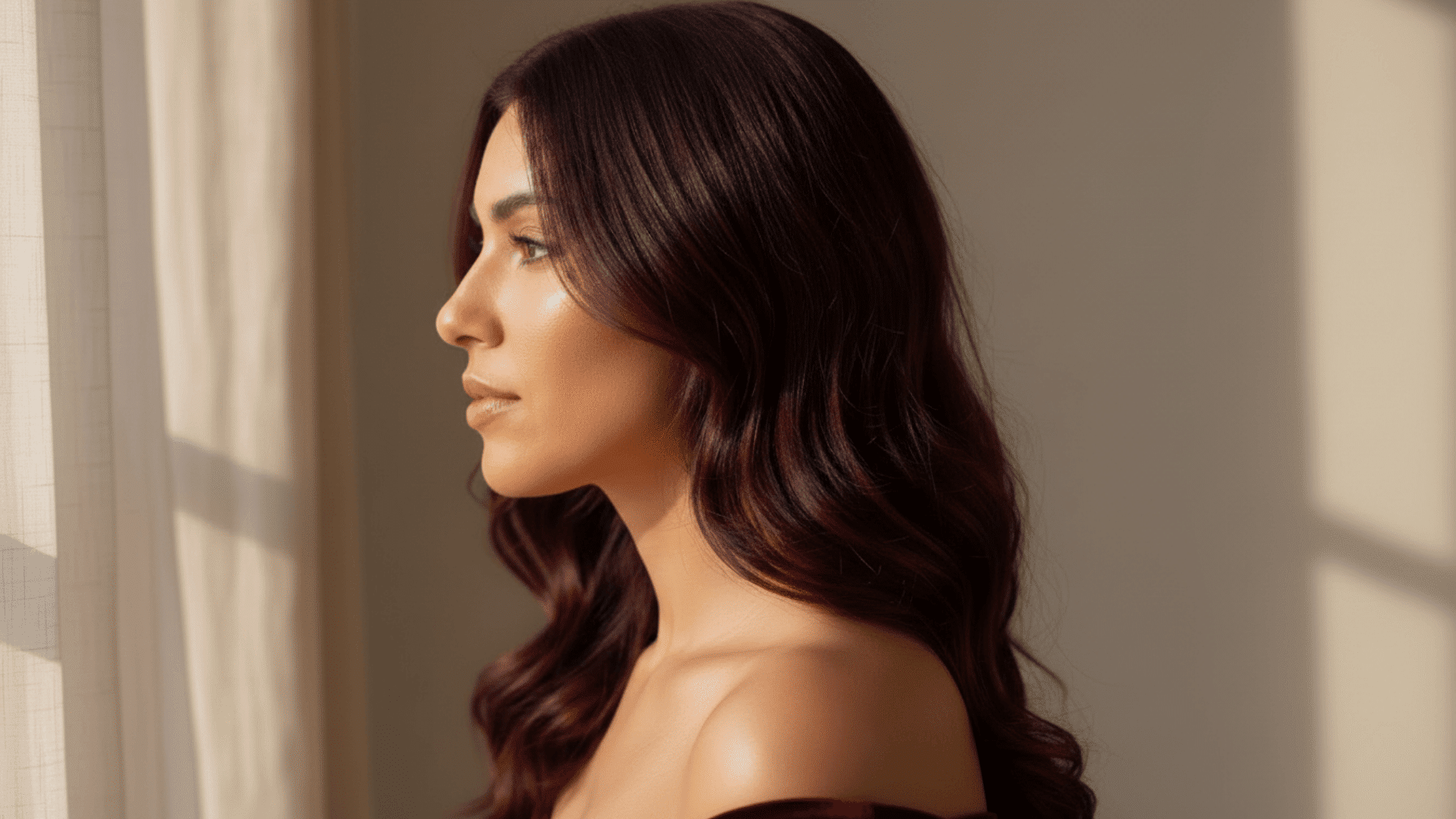
Olive skin looks attractive with deep burgundy or mahogany. These darker shades improve your natural coloring.
Wine-red hues work especially well. The contrast makes your skin appear brighter. Stay away from orange-toned reds as they might look muddy on you.
4. Dark Skin
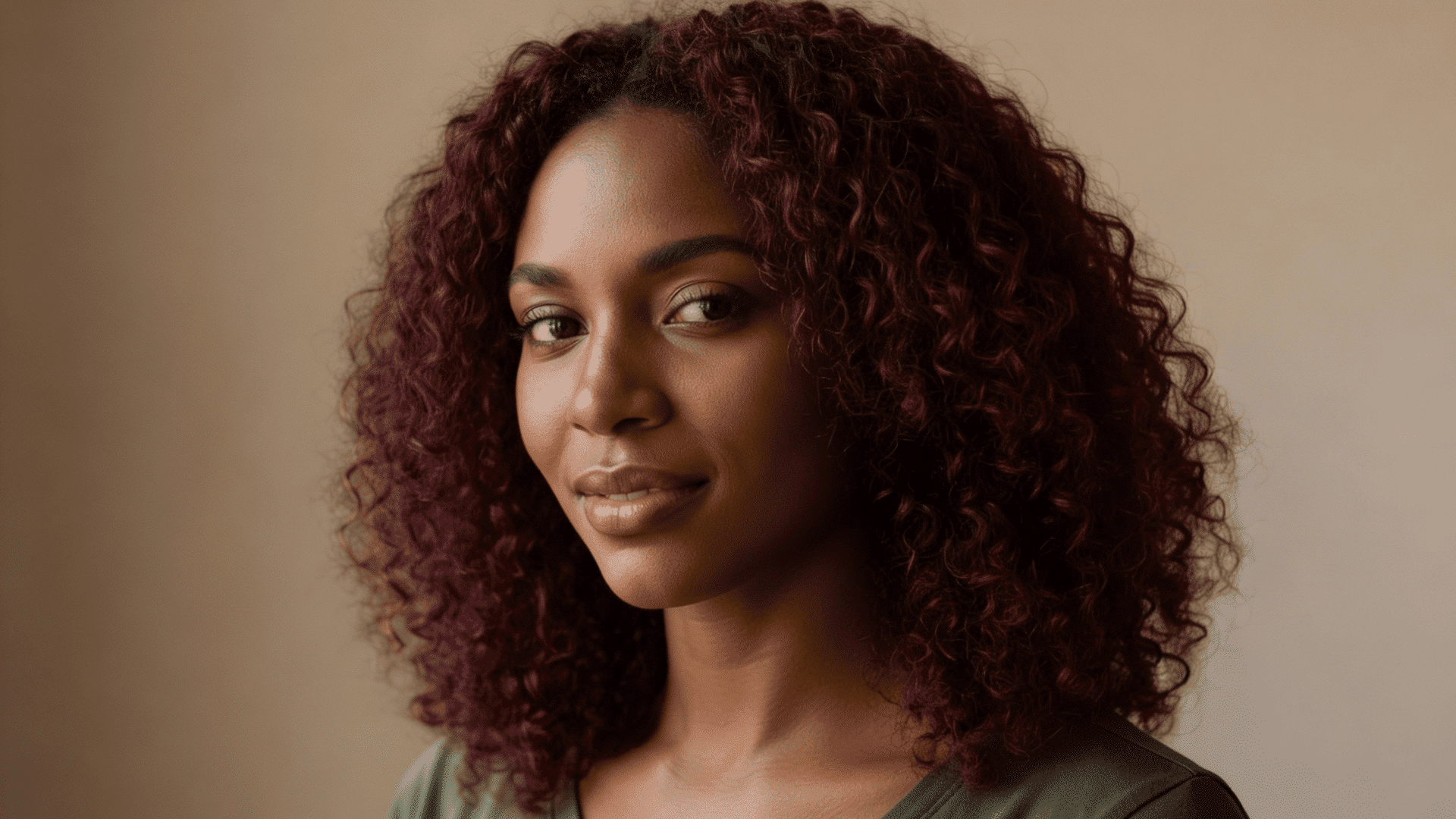
Dark skin tones shine with the deepest red shades. Think rich burgundy, plum-red, or dark mahogany.
These colors show up beautifully against your complexion. Deep cherry tones also work wonderfully.
The key is choosing shades with enough intensity to be visible and vibrant.
5. Cool Undertones
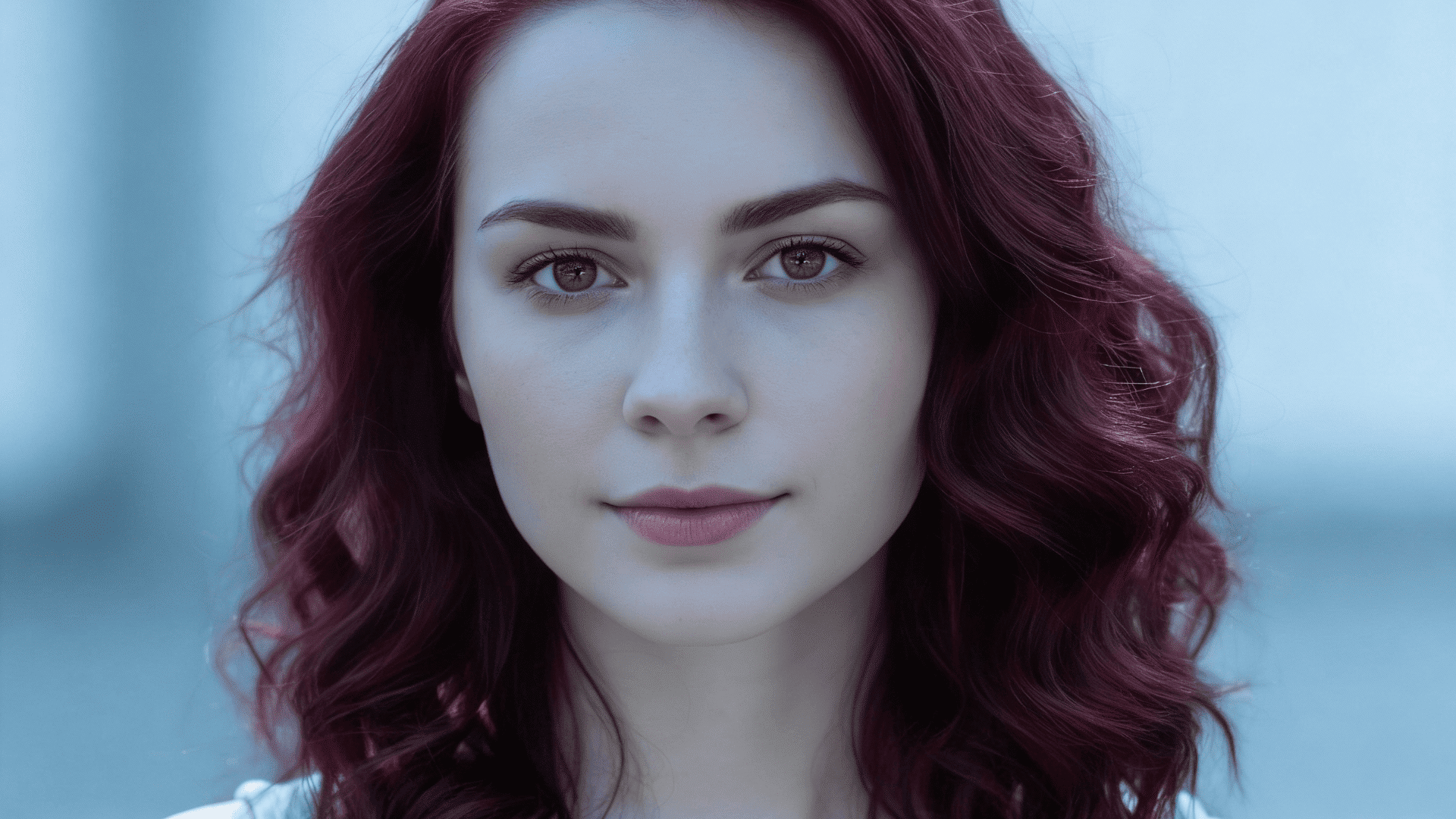
Cool undertones pair well with burgundy or plum-based reds. These shades have blue or purple hints in them.
They balance out your natural pink or blue undertones. Avoid orange-reds or copper tones.
They’ll clash with your skin. Wine-colored shades look particularly striking on you. The cooler the red, the better.
6. Generous Undertones
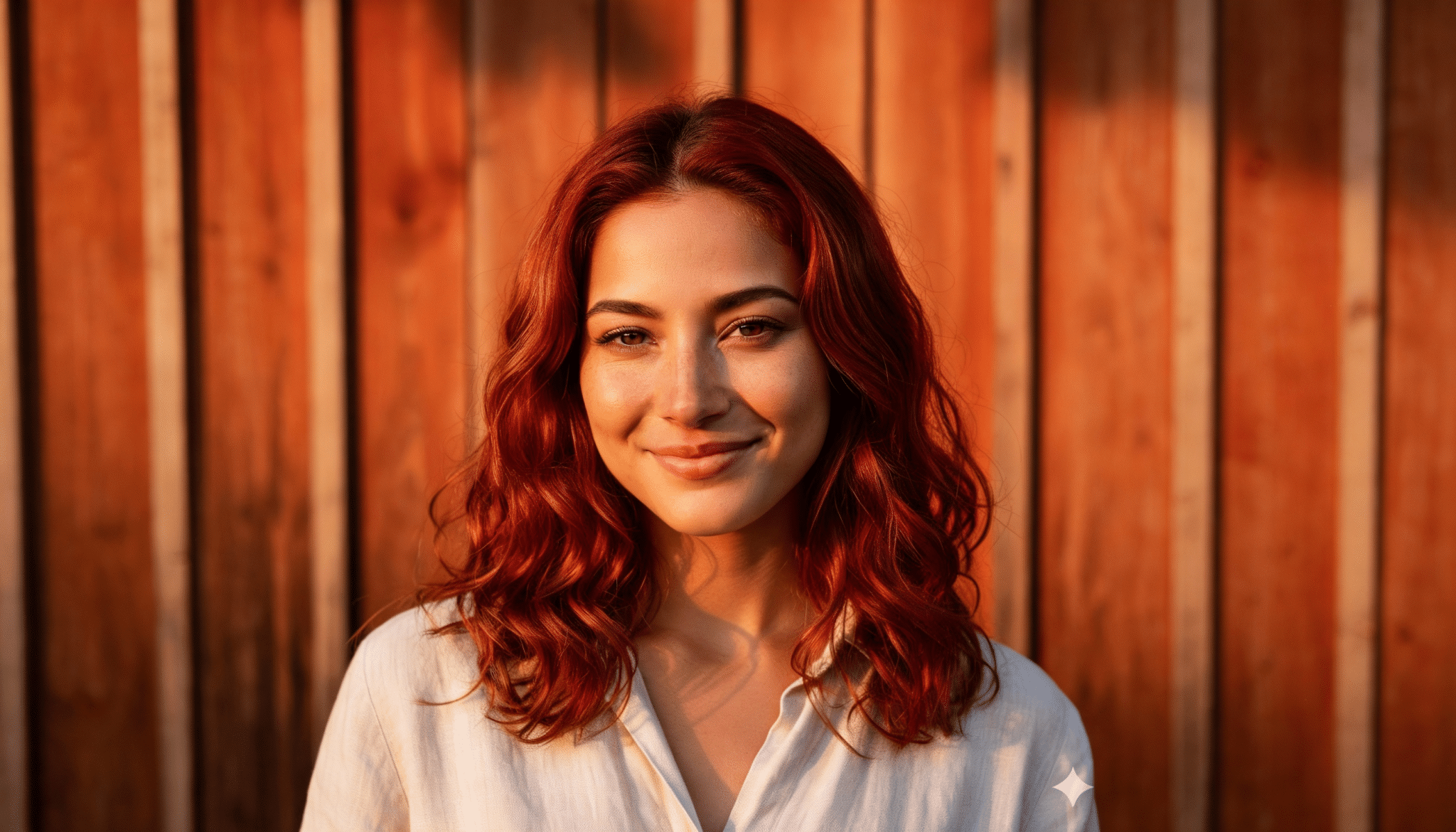
Hot undertones look best with auburn or cherry wood. These shades have golden or orange hints.
They match your natural yellow or peachy undertones perfectly. Copper-tinted reds also work well. They might make your skin look dull. Choose reds with heat for the most flattering effect.
7. Neutral Undertones

Neutral undertones are the most universal.
You can wear almost any dark red shade successfully. Mahogany is particularly flattering on neutral skin. So is classic auburn.
Try different shades. Both hot and cool reds work for you. This gives you plenty of options to experiment with.
Common Myths About Red Hair
Let’s clear up some common misconceptions about red hair methods.
Natural Methods Don’t Give You True Red Color
Natural ingredients like henna and hibiscus create genuine red tones. The color builds over time.
Multiple applications give you deeper shades. Results depend on your base color and the method used.
Natural Red color Fades Immediately
Natural red actually fades more gracefully than chemical dyes. It doesn’t turn brassy or orange.
The color washes out slowly. You’ll see a gentle lighting instead of harsh roots or patches.
You Need Red Hair Naturally to Dye It Red
Completely wrong. Anyone can achieve red hair using natural methods. Your starting color affects the final shade.
Darker hair needs more applications. Lighter hair shows red tones faster. But everyone can do it.
Natural Dyes Damage Your Hair Like Chemicals
Natural ingredients actually nourish your hair. They add protein and moisture.
Your hair gets healthier with each use. There’s no damage or breakage involved. It’s the opposite of chemical processing.
Red Hair from Natural Methods Looks Fake
Natural methods create dimension and depth. The color looks more realistic than box dyes.
You get multiple tones. Light reflects differently on naturally colored hair. It appears more factual.
Care Tips for Dark Red Hair
- Wash your hair with cold water to seal the color.
- Use sulfate-free shampoo to prevent fading.
- Apply natural oils like coconut or argan oil weekly.
- Avoid hot styling tools when possible.
- Rinse with apple cider vinegar once a month.
- Protect hair from sun exposure with hats or scarves.
- Sleep on silk or satin pillowcases.
- Limit washing to 2-3 times per week.
- Use color-depositing treatments monthly.
- Pat hair dry instead of rubbing with towels.
Final Thoughts
You now know how to get dark red natural hair. You have seen the different shades you can achieve.
You understand which tones suit your skin best. Your hair stays healthy throughout the process. You’re not exposing yourself to harsh chemicals. You save money using ingredients from your kitchen.
So what’s your next step? Start with one method that appeals to you.
The results build over time. But they’re worth the wait.
Frequently Asked Questions
How Rare Is Dark Red Hair?
Dark red hair occurs in only 1-2% of people worldwide.
How to Tell if Red Hair Is Natural?
Natural red has multiple tones and dimensions throughout the strands clearly.
How Does Natural Dark Red Color Change with Age?
It often fades to lighter shades or develops white streaks gradually.