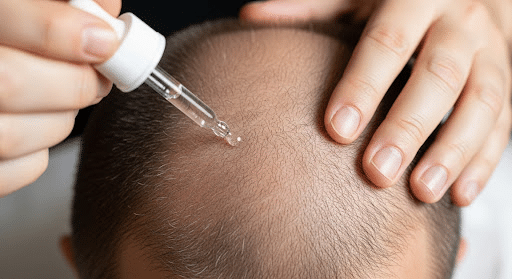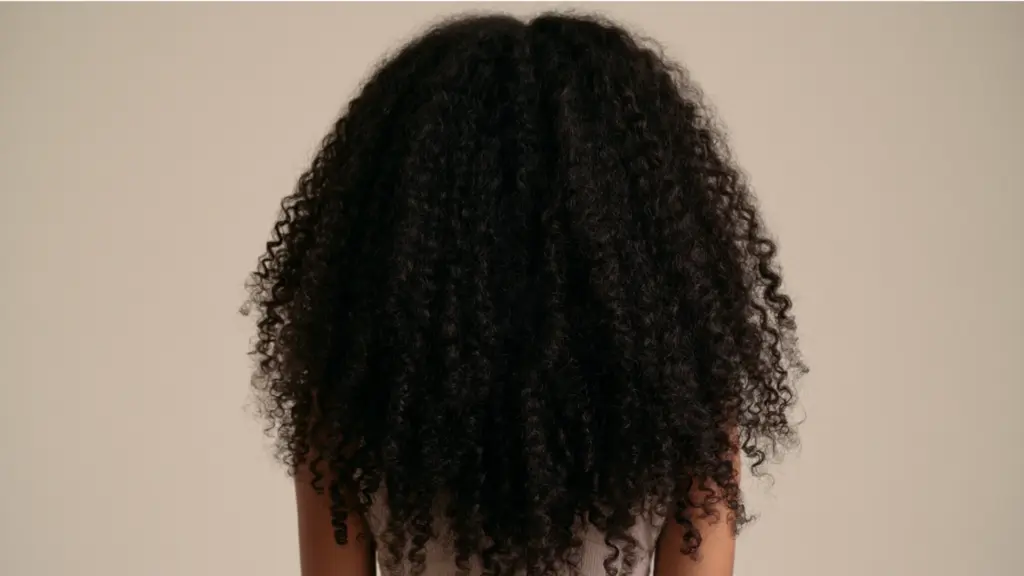

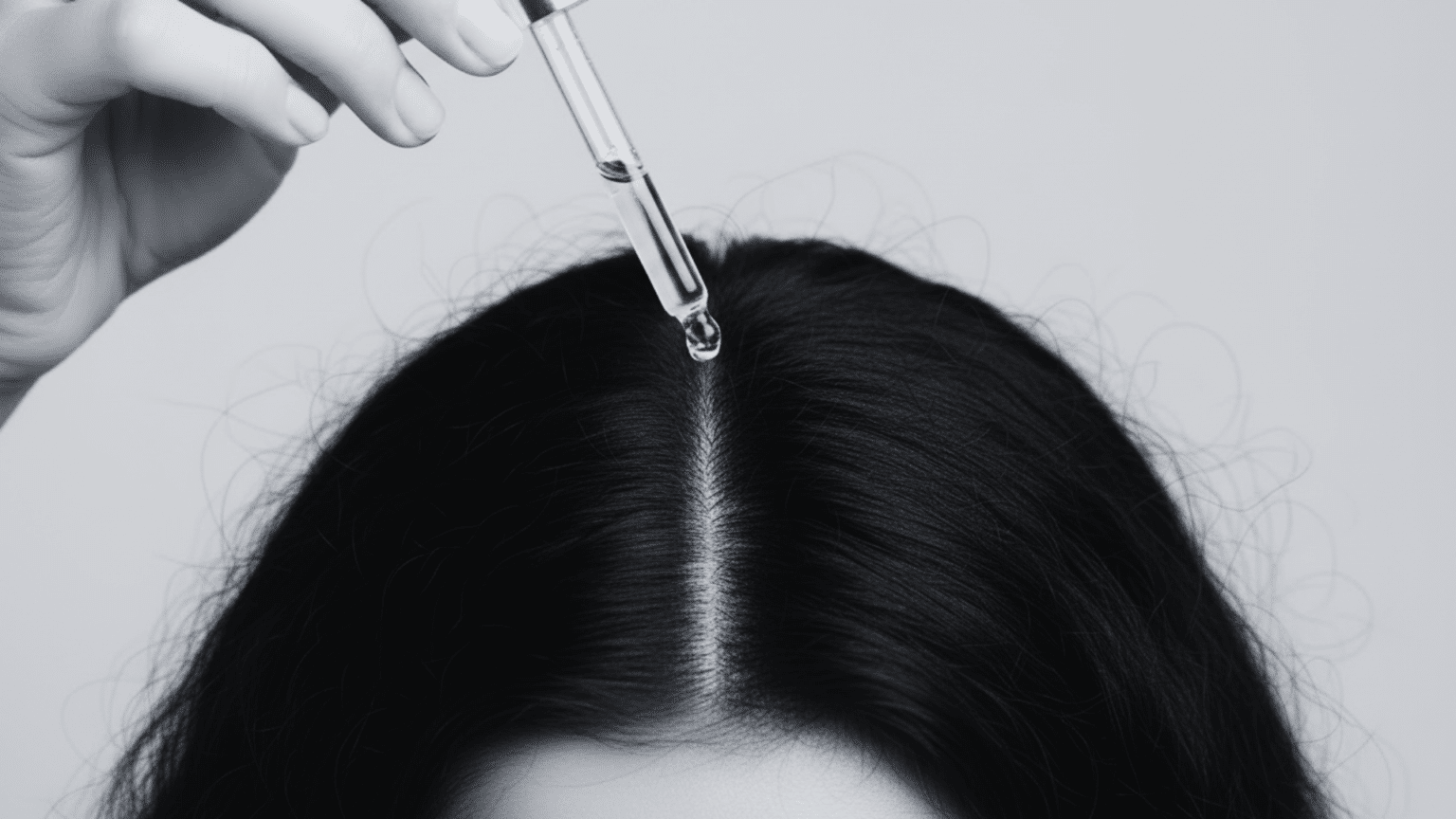
Does hair oil actually help, or is it just hype?
Most people buy expensive products that promise miracles. But they often see zero results.
The right oil can change dull hair into shiny, healthy strands. It can reduce breakage and boost growth. And you don’t need ten different bottles.
Let’s find the best oil for hair!
Benefits of Applying Oil to Your Hair
Oiling hair isn’t just an old tradition. It’s backed by science and real results.
People who oil their hair regularly notice stronger strands, less breakage, and better growth.
1. Strengthens Hair from Root to Tip
Oil penetrates deep into hair shafts. It fills gaps in damaged cuticles and reinforces weak spots.
Regular oiling reduces protein loss, which keeps strands flexible yet strong. Hair becomes less prone to snapping when brushed or styled.
Over time, this creates a protective barrier against daily wear and tear.
2. Reduces Scalp Dryness and Flaking
A dry scalp leads to itching and flakes. Oil moisturizes the skin and restores its natural balance.
It soothes irritation and prevents the tightness that comes with dryness. Massaging oil into the scalp also boosts blood flow.
This helps nutrients reach hair roots more effectively, promoting healthier growth overall.
3. Adds Natural Shine and Smoothness
Dull hair often lacks moisture and lipids. Oil coats each strand with a thin layer that reflects light.
This creates that glossy, healthy look people love. It also smooths down frizz and flyaways. Hair feels softer to the touch and looks more polished.
Even a small amount can make a noticeable difference in appearance.
4. Prevents Split Ends and Breakage
Split ends happen when hair loses its protective outer layer. Oil seals the cuticle and locks in moisture.
This stops ends from fraying and splitting further up the strand. While oil can’t repair existing splits, it prevents new damage.
Regular application keeps hair looking fresher between trims and reduces the need for frequent cuts.
5. Promotes Healthy Hair Growth
Healthy scalp conditions support better growth. Oil massages stimulate circulation to hair follicles.
This delivers more oxygen and nutrients where they’re needed most. Some oils contain vitamins that nourish roots directly.
While oil won’t create miracle growth overnight, consistent use creates the right environment for hair to reach its full potential.
Best Carrier Oil for Each Hair Type
Carrier oils form the base of most hair treatments. They dilute essential oils and deliver nutrients directly to strands.
The following are some best oils for hair addressing needs for each hair type.
Jojoba Oil
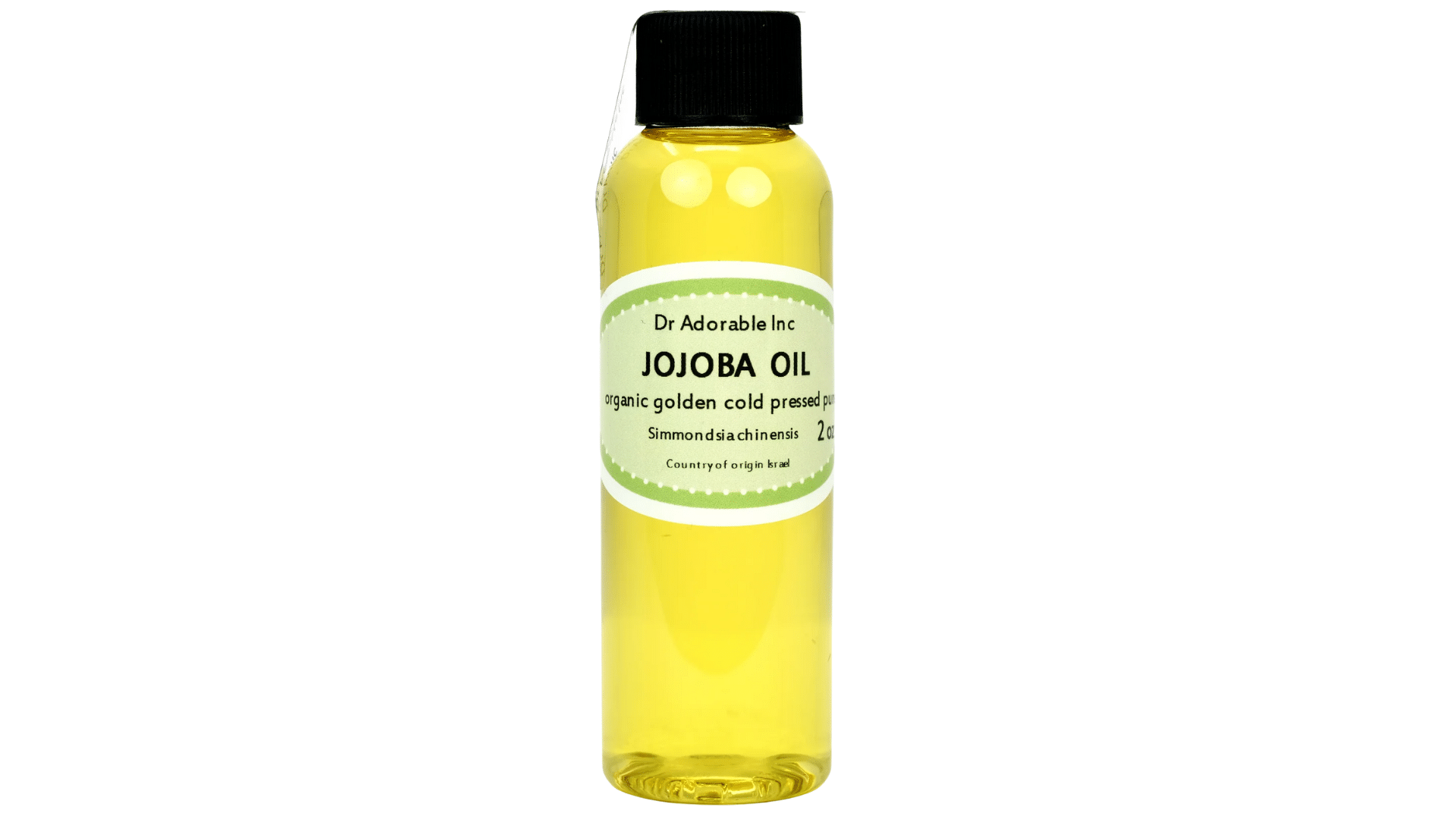
Jojoba oil mimics the scalp’s natural sebum better than any other oil. It absorbs quickly without leaving heavy residue.
This oil balances oil production, making it work for both dry and oily scalps. It conditions hair while keeping roots light and fresh.
- Suitable Hair Type: Fine hair, oily scalp, all textures, color-treated hair
- Avoid Hair Type: None, works universally
- Comedogenic Rating: 2 (low to moderate)
- Potential Allergens: Rare allergic reactions in sensitive individuals
Sweet Almond Oil
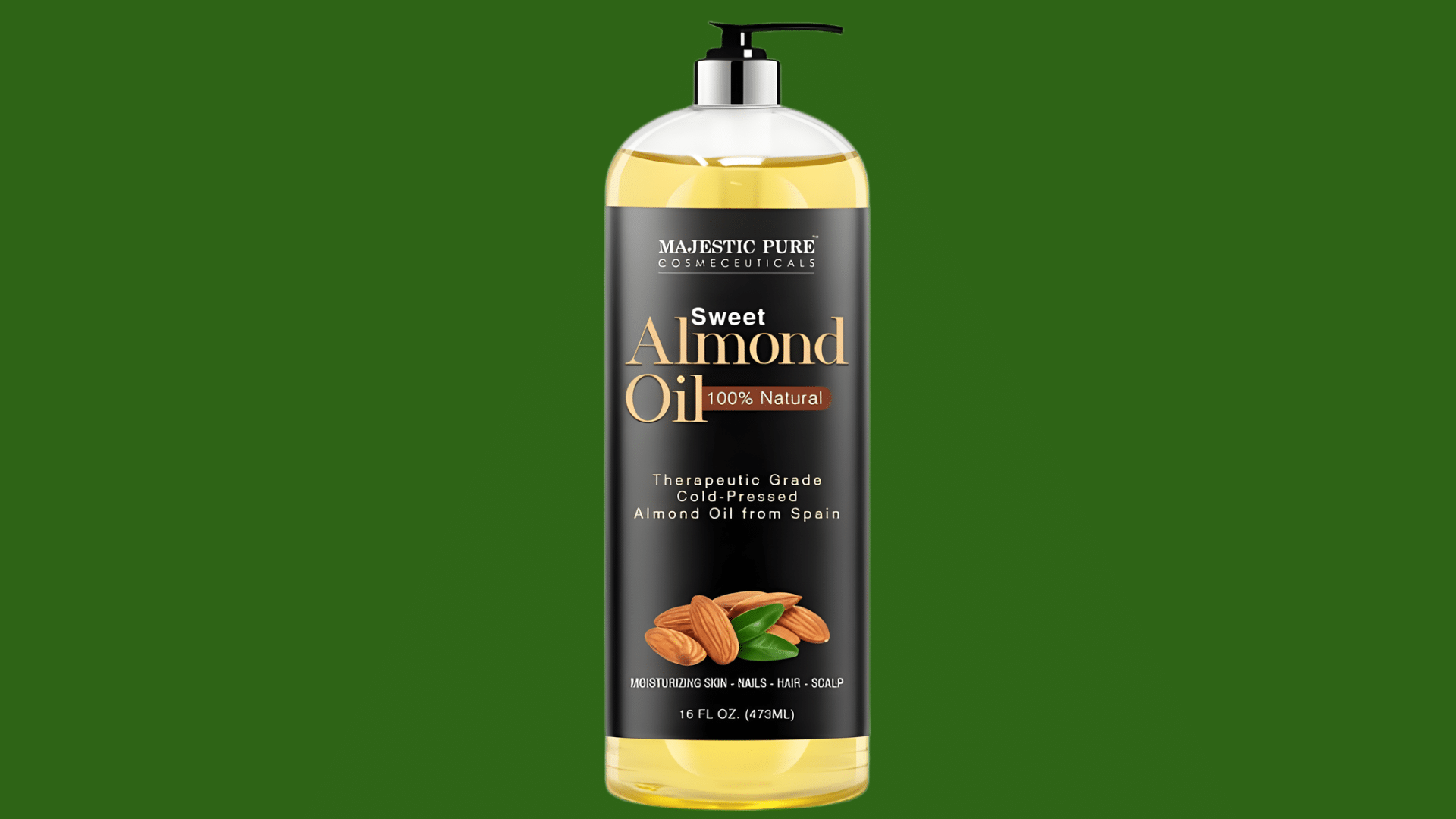
Sweet almond oil softens coarse hair and adds slip for easier detangling. Rich in vitamins E and B, it nourishes dry strands without weighing them down.
The oil penetrates quickly and strengthens weak hair prone to breakage.
- Suitable Hair Type: Dry hair, normal hair, coarse textures, frizzy hair
- Avoid Hair Type: Very fine or oily hair
- Comedogenic Rating: 2 (low to moderate)
- Potential Allergens: Not safe for nut allergies
Grapeseed Oil
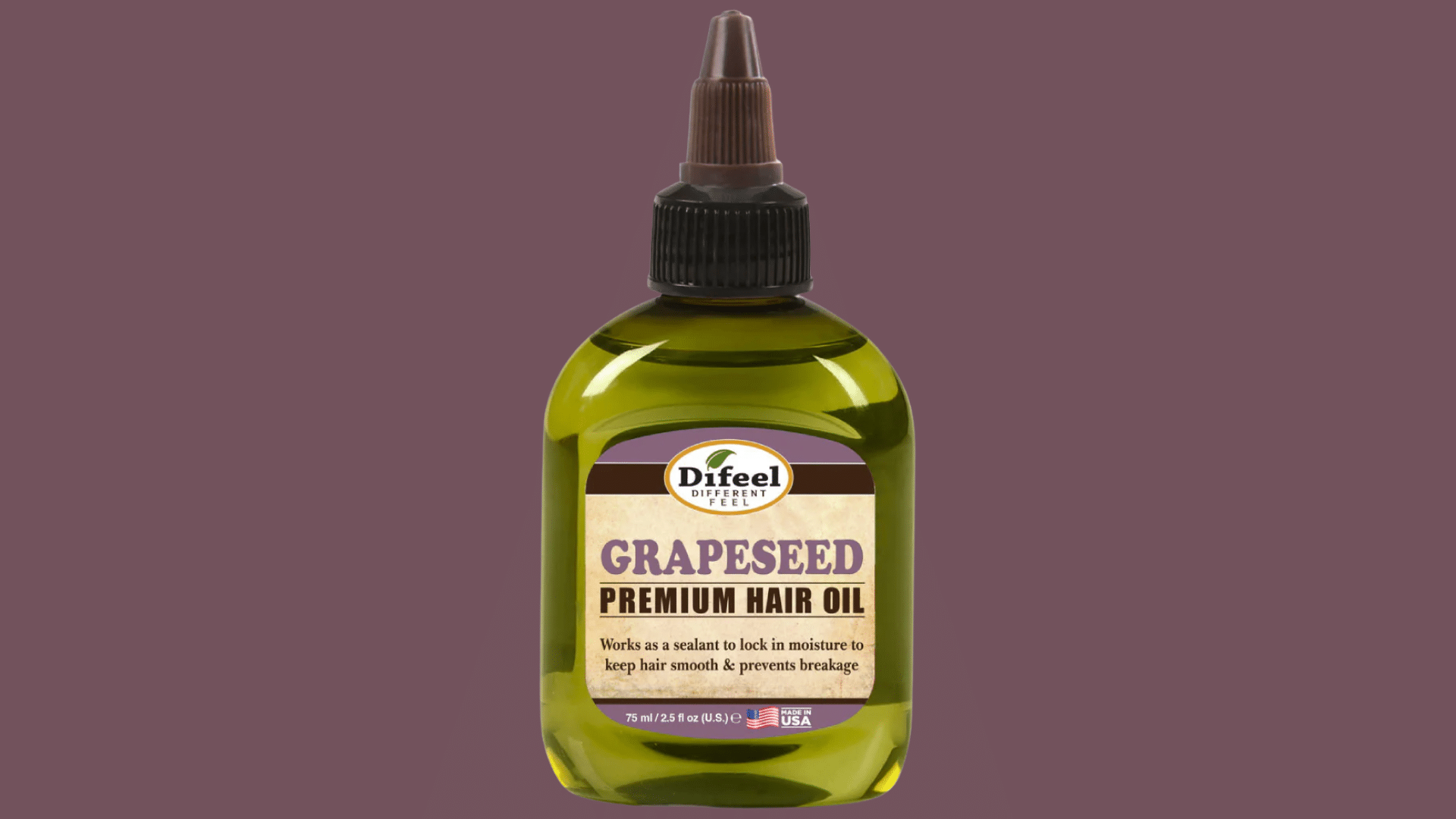
Grapeseed oil is one of the lightest carrier oils available. This is the oil for hair that moisturizes without building up on strands or scalp.
High in linoleic acid, it helps control dandruff and soothes irritation. The oil absorbs fast and leaves hair feeling clean.
- Suitable Hair Type: Fine hair, thin hair, oily scalp, straight hair
- Avoid Hair Type: Very dry or damaged hair needing intense moisture
- Comedogenic Rating: 1 (very low)
- Potential Allergens: Rare sensitivity in grape-allergic individuals
Coconut Oil
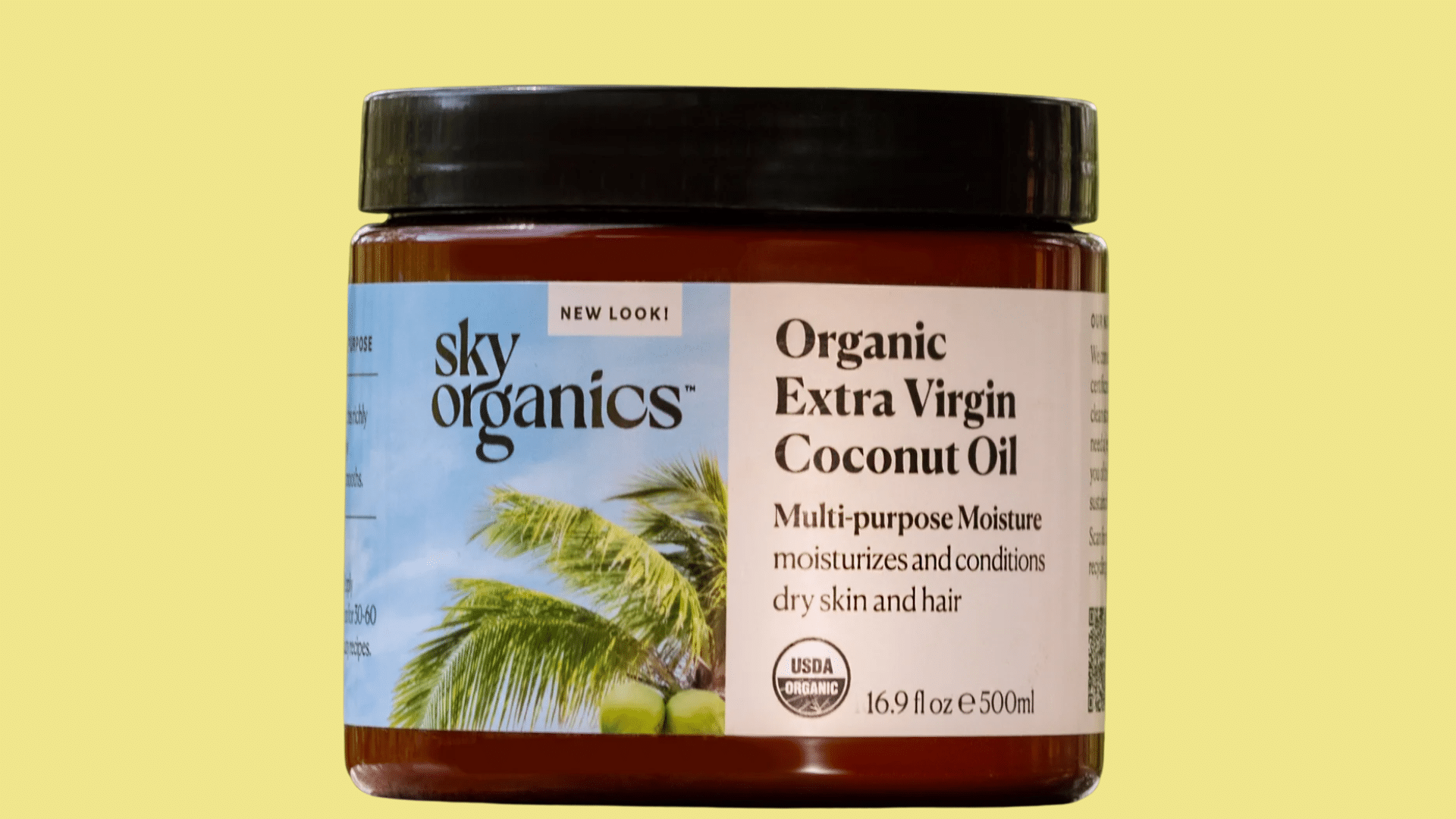
Coconut oil penetrates deeper than most oils. It reduces protein loss and strengthens from within. The solid-to-liquid texture melts on contact with warmth.
However, it can cause buildup on fine hair and feel too heavy for some.
- Suitable Hair Types: Thick hair, coarse hair, dry hair, curly hair, damaged hair
- Avoid Hair Types: Fine hair, thin hair, low-porosity hair
- Comedogenic Rating: 4 (moderately high)
- Potential Allergens: Coconut allergies (relatively rare but possible)
Argan Oil
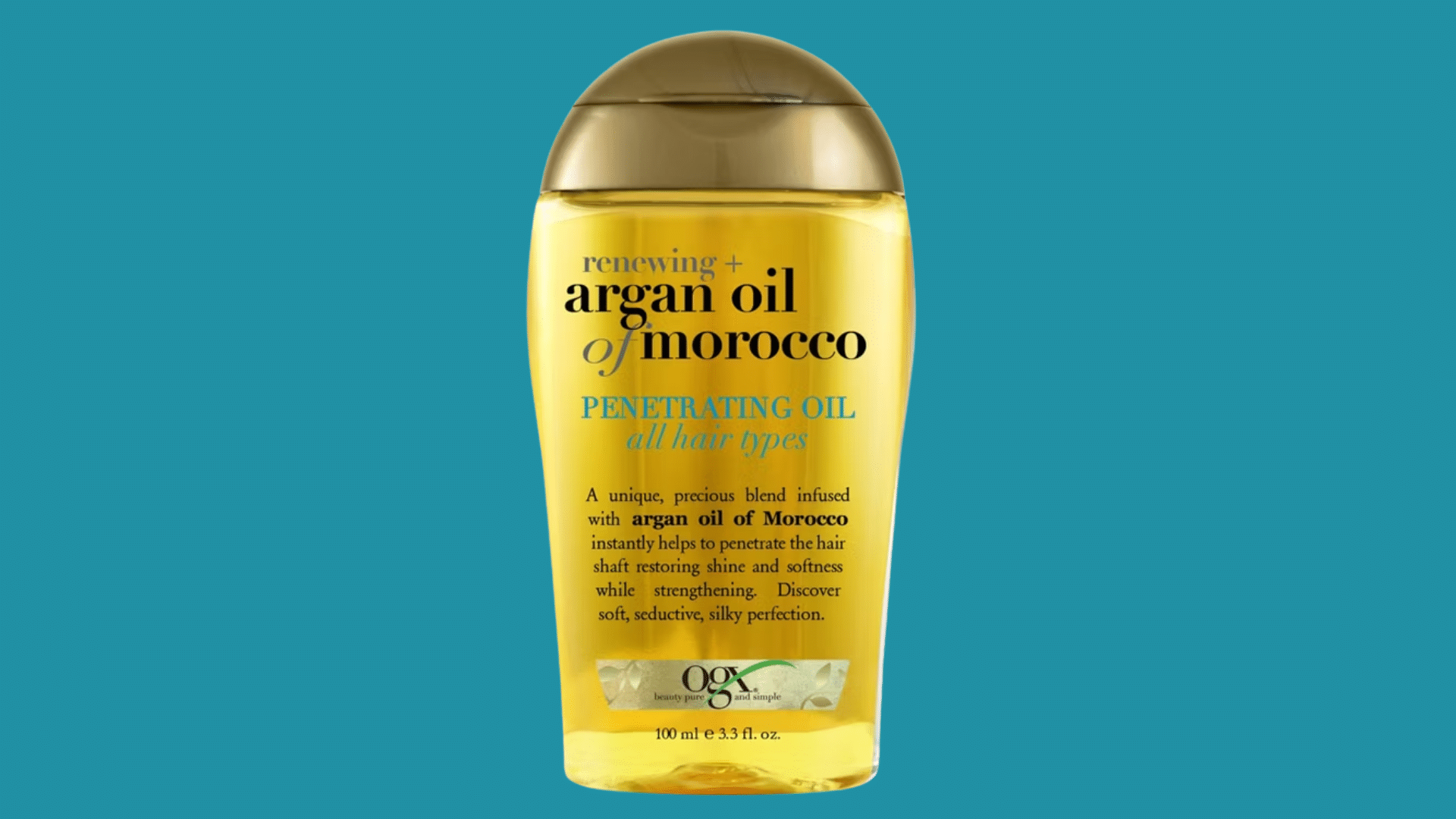
Argan oil comes from Moroccan argan trees and costs more than most carriers. It’s packed with antioxidants and fatty acids that repair damage.
The oil tames frizz and adds shine without greasiness. Just a few drops smooth hair and protect against heat styling.
- Suitable Hair Type: Frizzy hair, damaged hair, thick hair, curly hair
- Avoid Hair Type: Very fine or easily weighed-down hair
- Comedogenic Rating: 0 (non-comedogenic)
- Potential Allergens: Rare nut sensitivity in some people
Avocado Oil
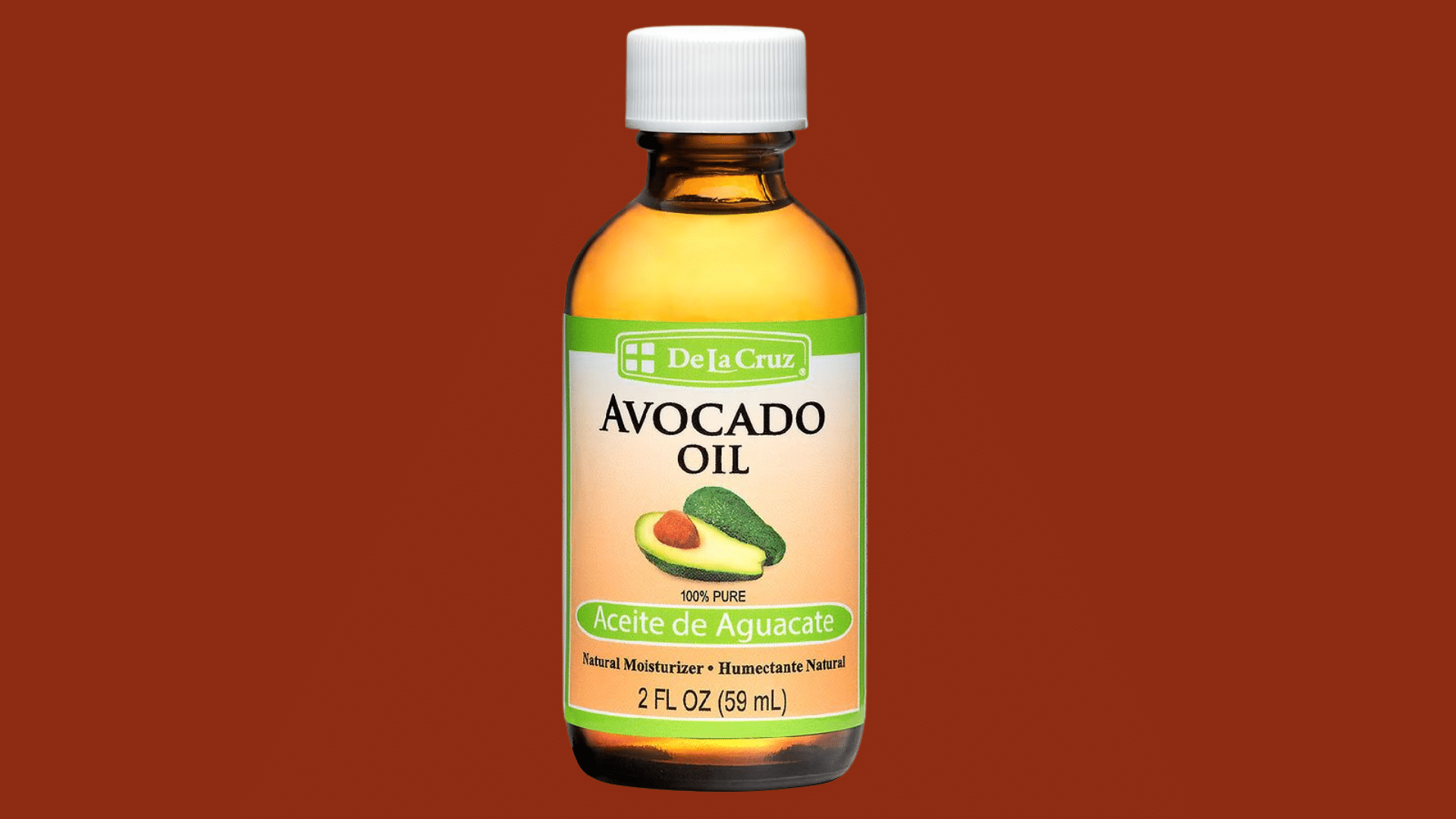
Avocado oil penetrates deeper than most carriers due to its molecular structure. It’s incredibly moisturizing and perfect for parched strands.
Rich in vitamins A, D, and E, it strengthens hair and boosts elasticity. The oil helps damaged hair recover from chemical treatments.
- Suitable Hair Type: Very dry hair, thick hair, coarse hair, damaged hair
- Avoid Hair Type: Fine hair, oily scalp, thin strands
- Comedogenic Rating: 3 (moderate)
- Potential Allergens: Possible for avocado-sensitive individuals
Hemp Seed Oil
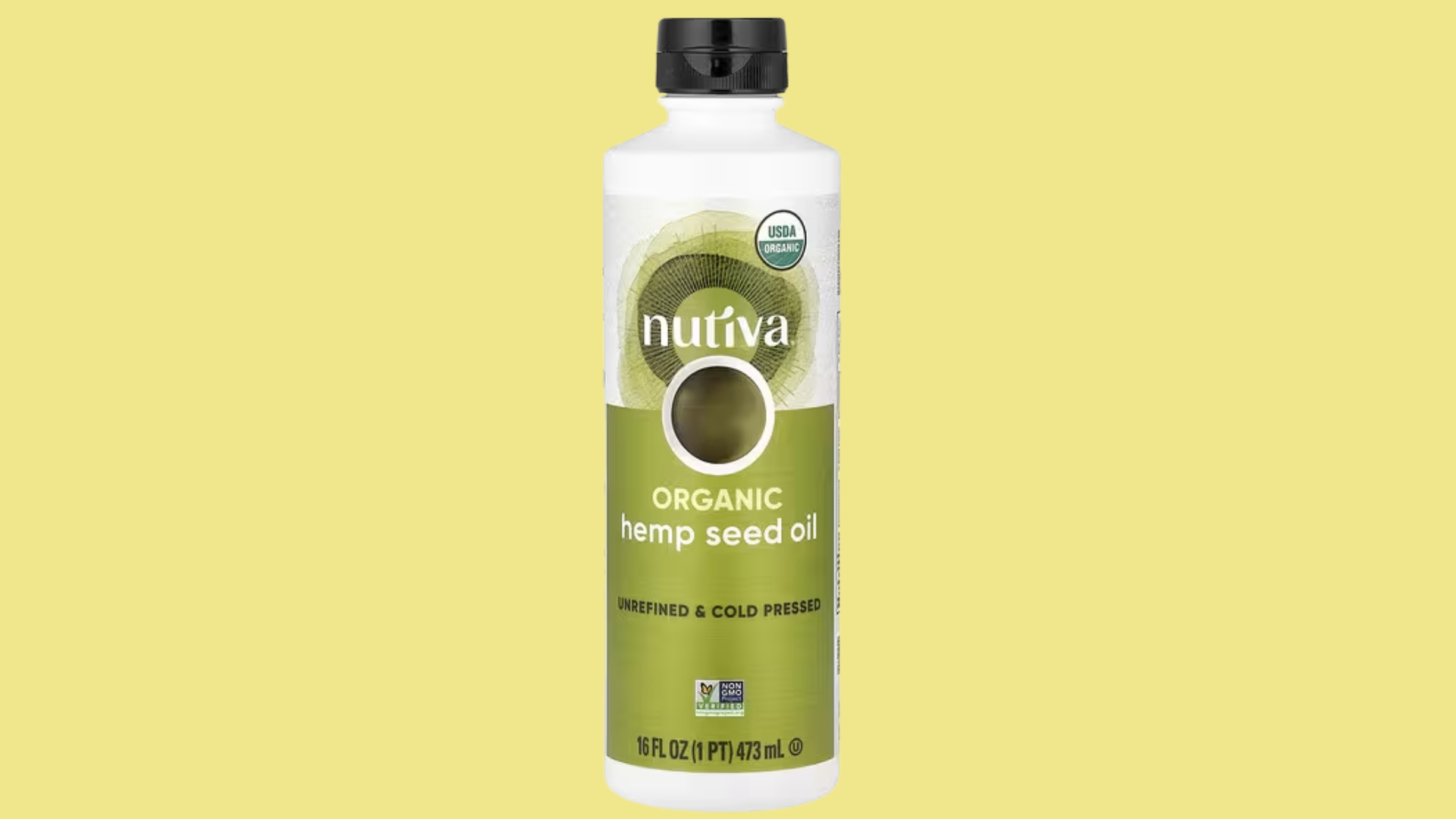
Hemp seed oil contains omega fatty acids that strengthen hair from within. It moisturizes dry scalp and reduces inflammation.
It helps balance sebum production for those with combination scalp types.
- Suitable Hair Type: Dry scalp, normal hair, damaged hair, brittle strands
- Avoid Hair Type: Very oily hair or scalp
- Comedogenic Rating: 0 (non-comedogenic)
- Potential Allergens: Cannabis sensitivity is rare but possible.
Rosehip Oil
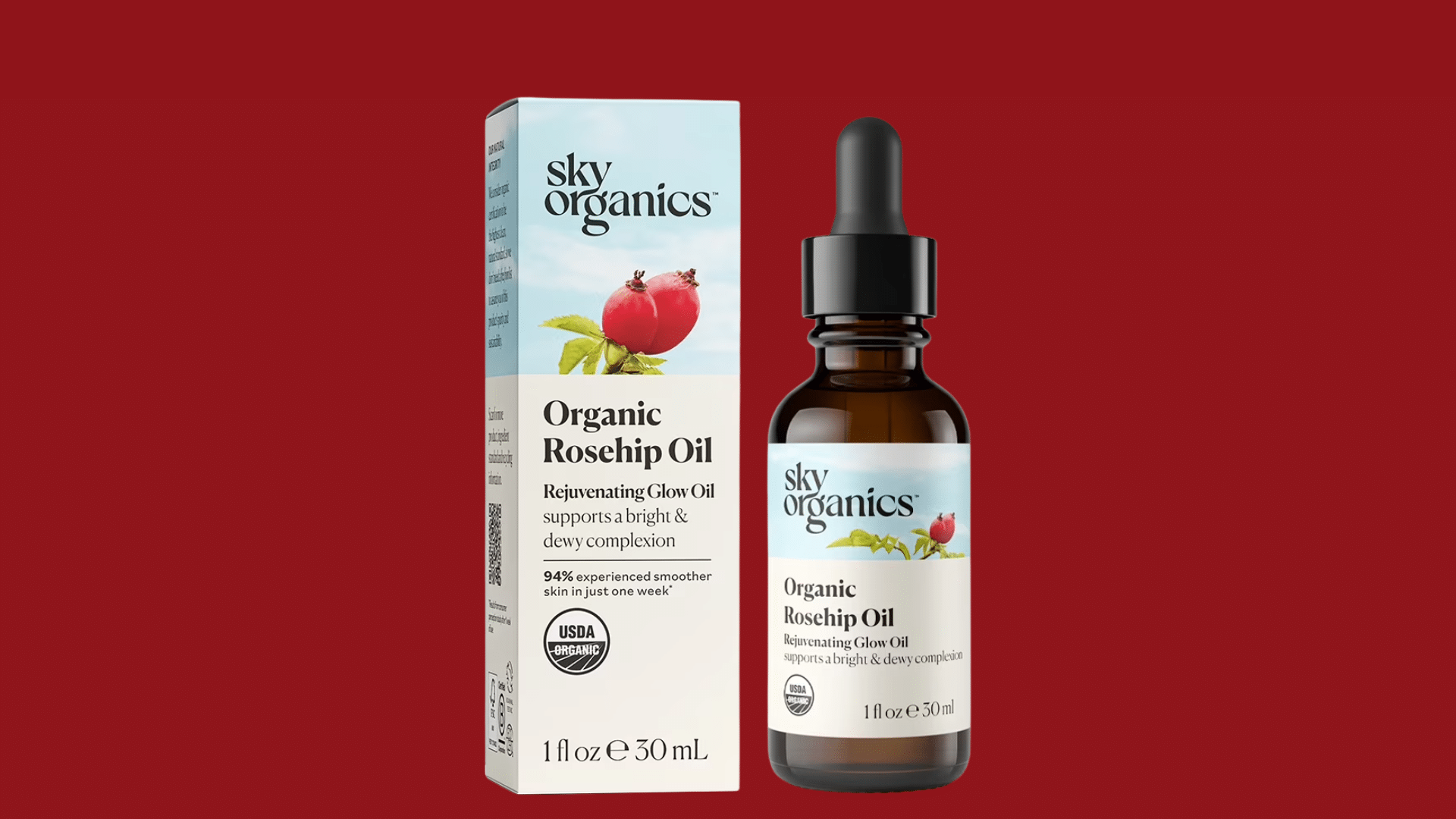
Rosehip oil is lighter than expected and rich in vitamin C. It helps repair sun damage and environmental stress on hair.
The oil adds moisture while maintaining volume. It works well for those who want conditioning without flatness.
- Suitable Hair Type: Fine hair, normal hair, color-treated hair, aging hair
- Avoid Hair Type: Very oily scalp or roots
- Comedogenic Rating: 1 (very low)
- Potential Allergens: Rose family sensitivity in rare cases
Baobab Oil
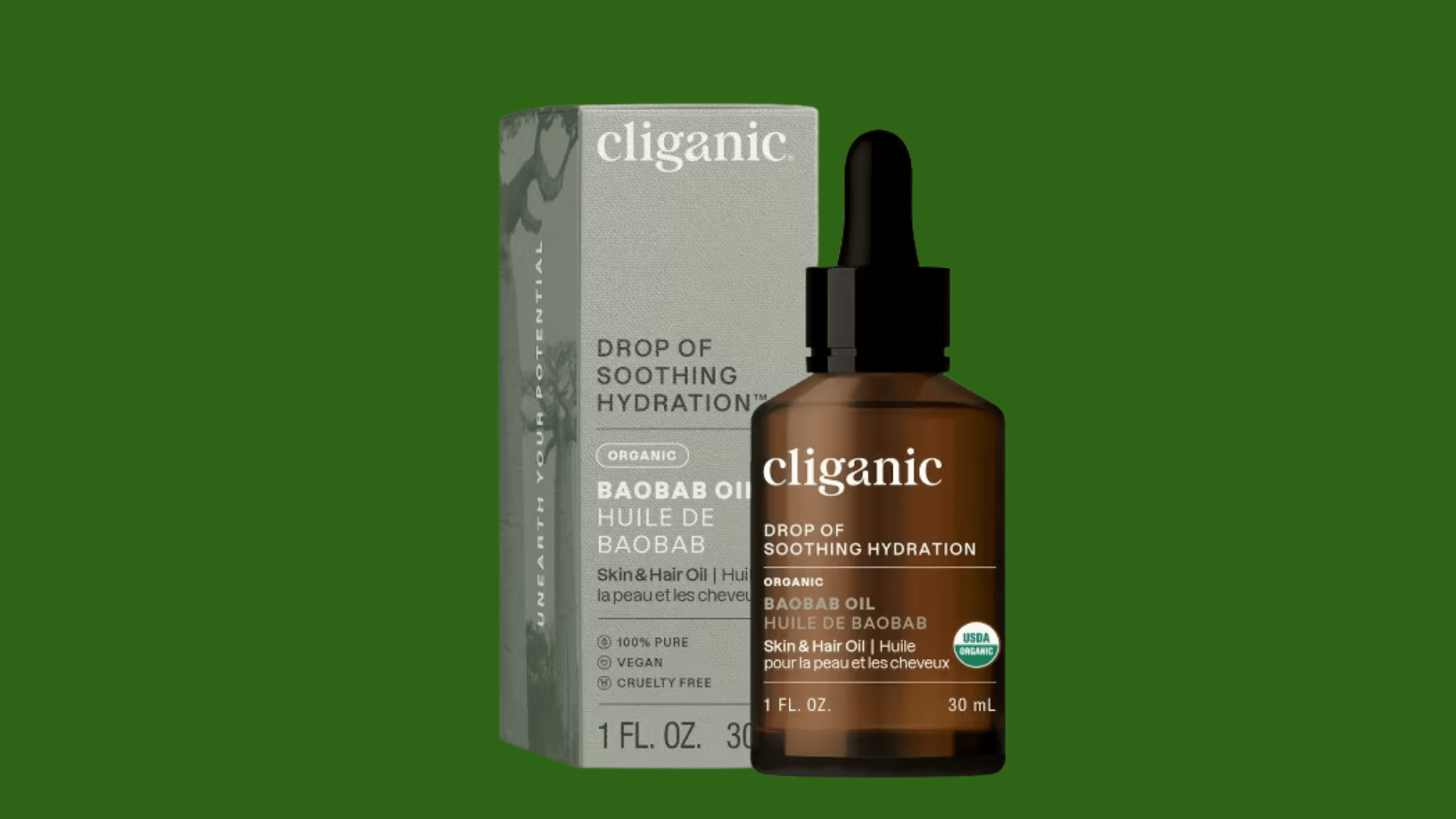
Baobab oil comes from African baobab trees and deeply nourishes dry hair. It’s rich in vitamins A, D, E, and F. The oil improves hair elasticity and reduces brittleness.
It absorbs well without leaving strands feeling coated or sticky.
- Suitable Hair Type: Dry hair, coarse hair, curly hair, damaged hair
- Avoid Hair Type: Very fine or thin hair
- Comedogenic Rating: 2 (low to moderate)
- Potential Allergens: Generally well-tolerated, minimal reactions reported
Apricot Kernel Oil
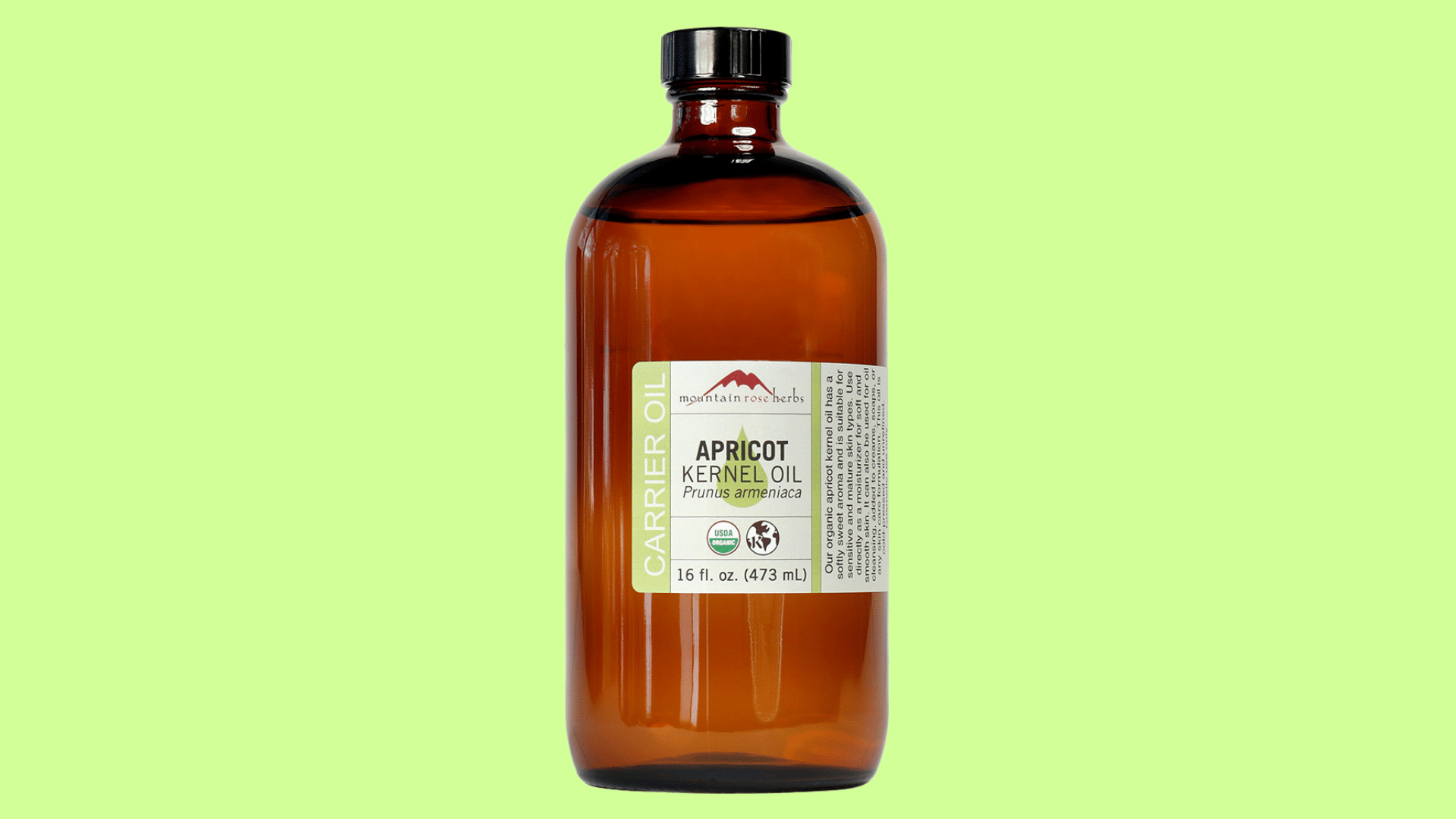
Apricot kernel oil is lightweight yet nourishing for most hair types. It is the best oil for hair which smooths the hair cuticle and reduces tangles.
High in vitamins A and E, it revitalizes dull hair. The oil absorbs quickly and doesn’t leave residue behind.
- Suitable Hair Type: Fine hair, normal hair, dry hair, frizzy hair
- Avoid Hair Type: Severely oily scalp
- Comedogenic Rating: 2 (low to moderate)
- Potential Allergens: Not safe for stone fruit or nut allergies
Olive Oil
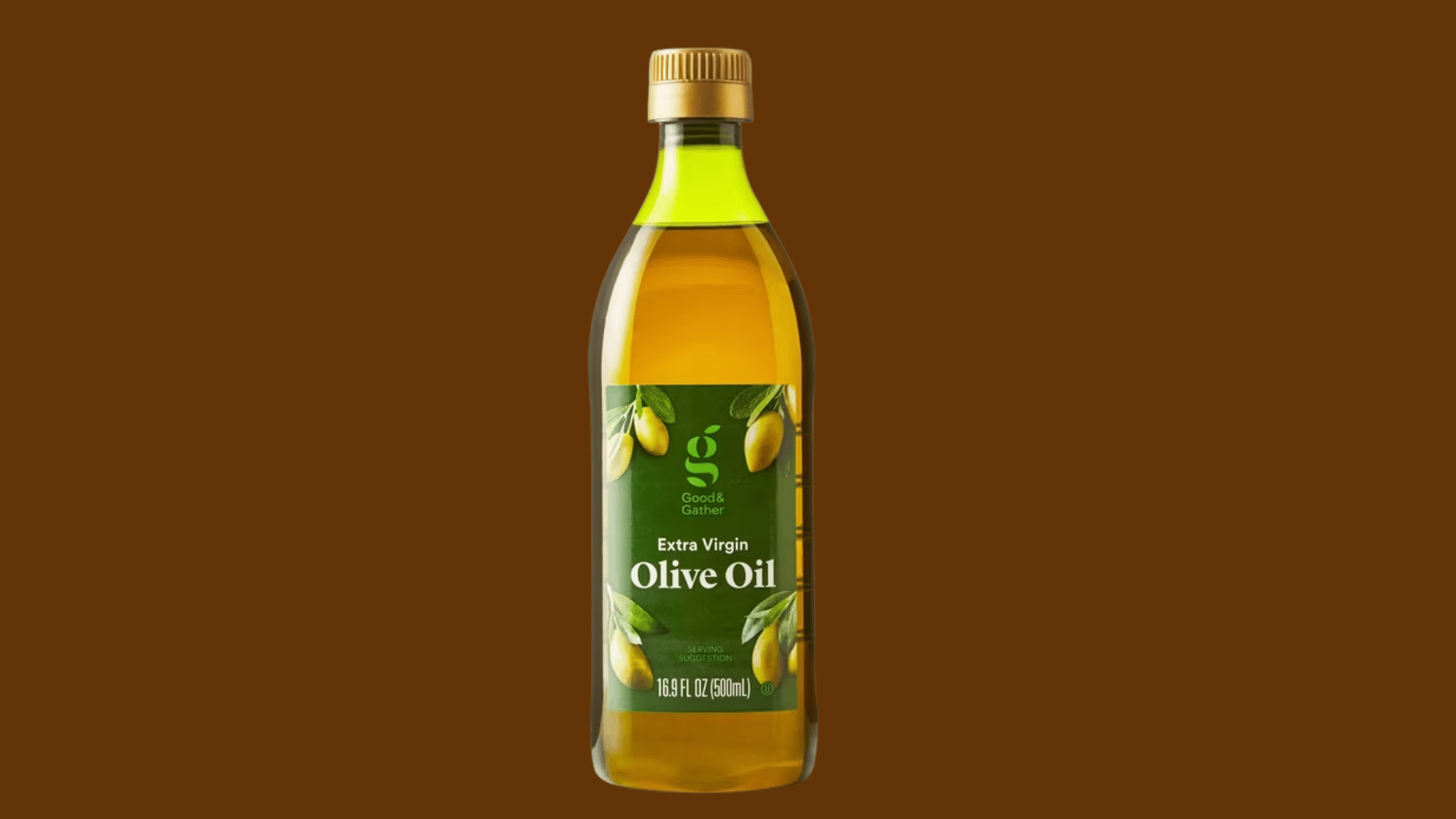
Olive oil is affordable and available in most kitchens already. It deeply conditions dry, damaged hair and adds intense moisture.
The oil coats strands and protects against heat and environmental damage.
It works best as an occasional deep treatment rather than daily use.
- Suitable Hair Type: Thick hair, coarse hair, very dry hair, damaged hair
- Avoid Hair Type: Fine hair, thin hair, oily scalp
- Comedogenic Rating: 2 (low to moderate)
- Potential Allergens: Rare olive sensitivity possible
Patch test carrier oils (e.g., jojoba, almond) on inner arm for 24 hours before use. Stop if redness or irritation occurs; consult a doctor, especially for nut allergies.
Do Hair Oils Cause Hair Loss?
Hair oil itself doesn’t cause hair loss. This common myth confuses people and stops them from trying beneficial treatments.
The real problem comes from improper use. Applying too much oil clogs follicles and traps dirt. This creates a buildup that weakens roots over time.
Not washing oil out completely leaves residue that attracts pollution. The scalp can’t breathe properly under heavy layers.
Using the wrong oil for your hair type causes issues. Heavy oils on fine hair weigh down strands and stress roots.
Hair loss happens when oil application lacks hygiene. Dirty hands or contaminated bottles introduce bacteria to the scalp.
Some people are allergic to certain oils, which trigger inflammation and shedding.
The key is choosing appropriate oils, using moderate amounts, and maintaining a clean washing routine.
Best Essential Oil for Hair
Essential oils pack concentrated plant power into tiny bottles. They treat specific hair and scalp issues when diluted properly.
Always mix essential oils with carrier oils before applying to avoid irritation or sensitivity.
1. Rosemary Oil
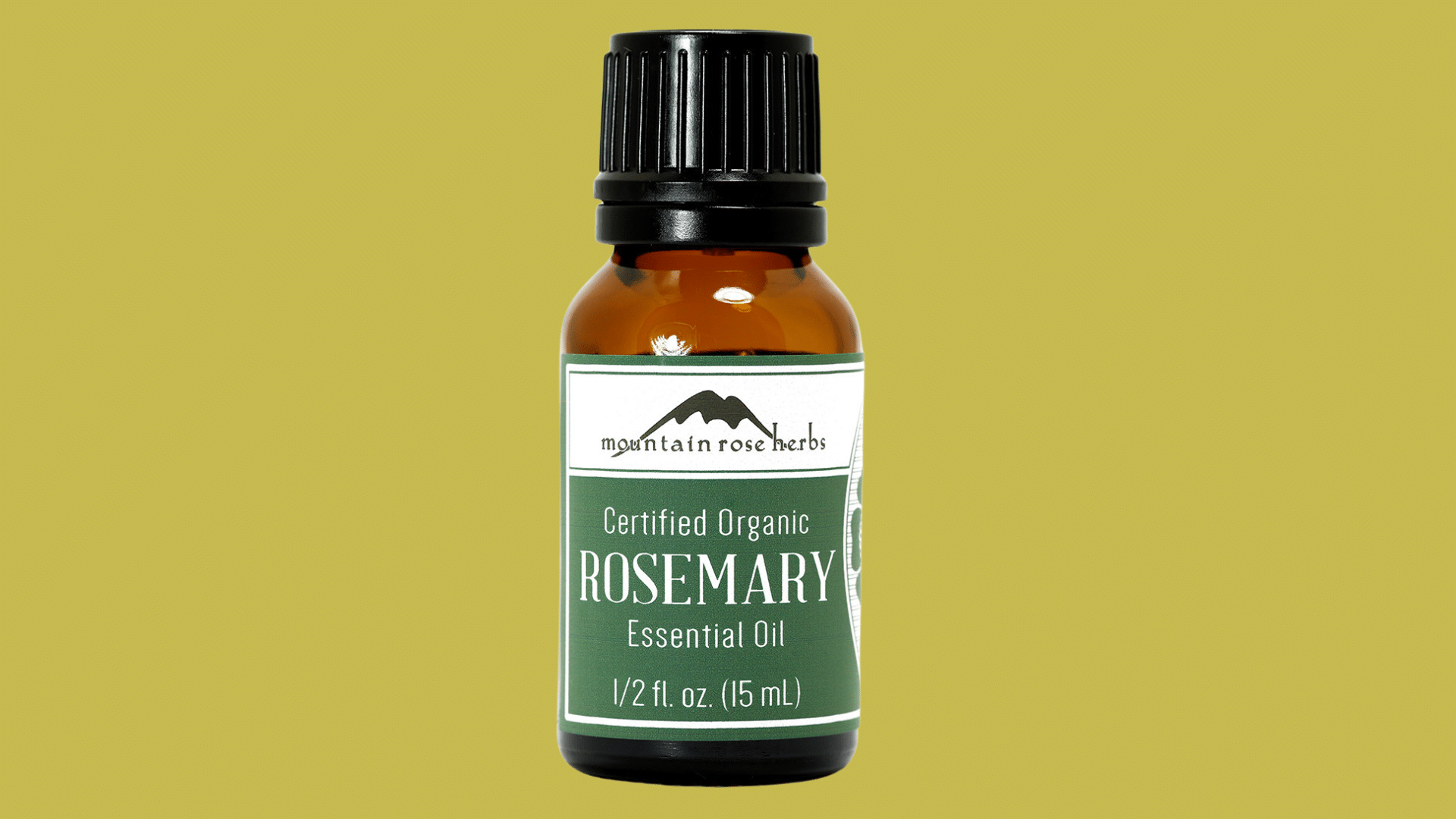
Rosemary oil stimulates blood circulation to the scalp and encourages growth.
Studies show it works as well as some chemical treatments for hair loss. The oil strengthens roots and prevents premature graying. It also reduces dandruff and keeps the scalp clean.
Mix with jojoba oil, coconut oil, or olive oil for best results.
2. Peppermint Oil
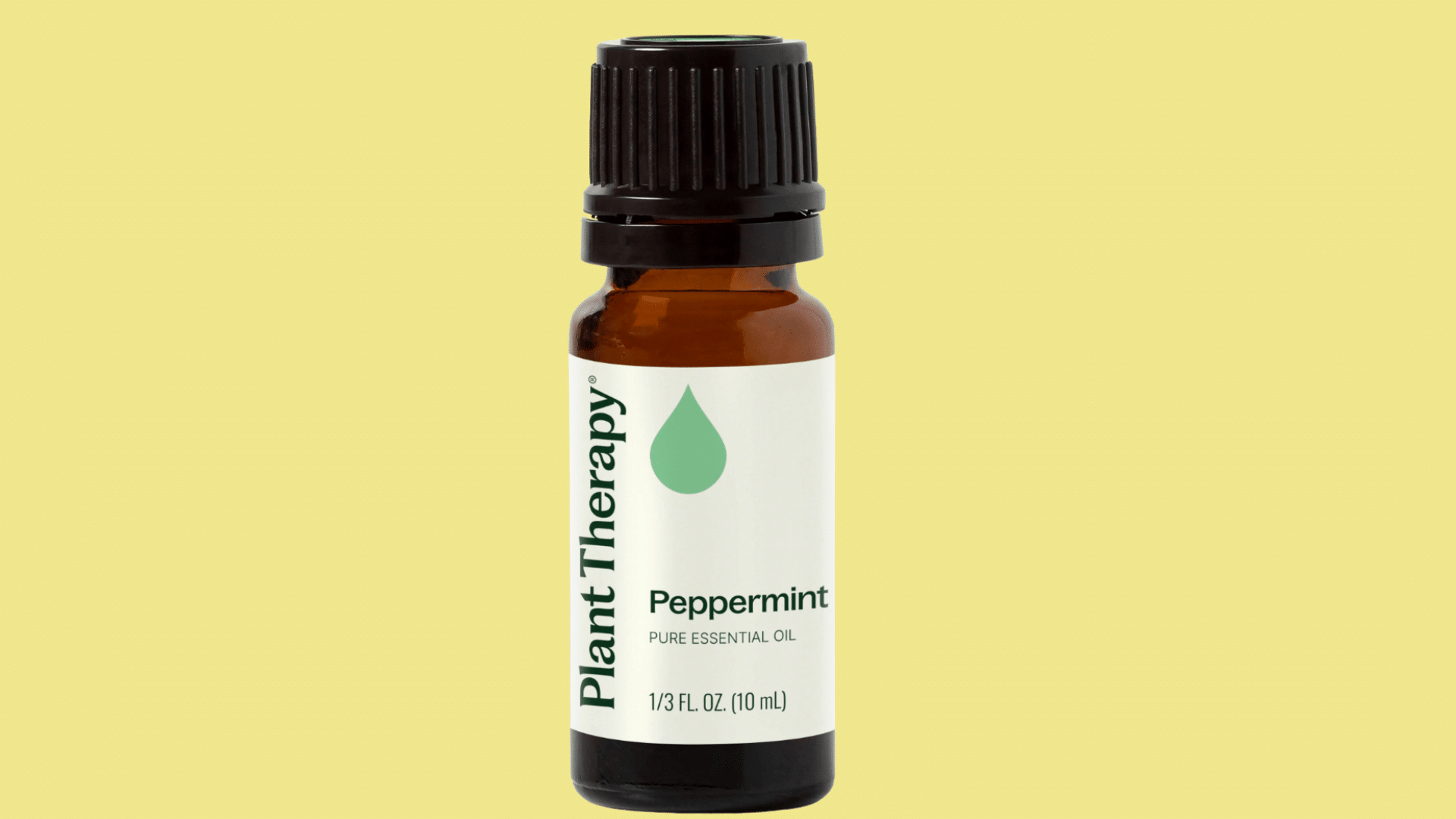
Peppermint oil creates a cooling, tingling sensation that wakes up dormant follicles. It increases blood flow to hair roots and promotes faster growth.
The oil also balances oil production and cleanses clogged pores. Its refreshing scent makes scalp massages more enjoyable.
Blend with jojoba oil, sweet almond oil, or grapeseed oil before applying.
3. Lavender Oil
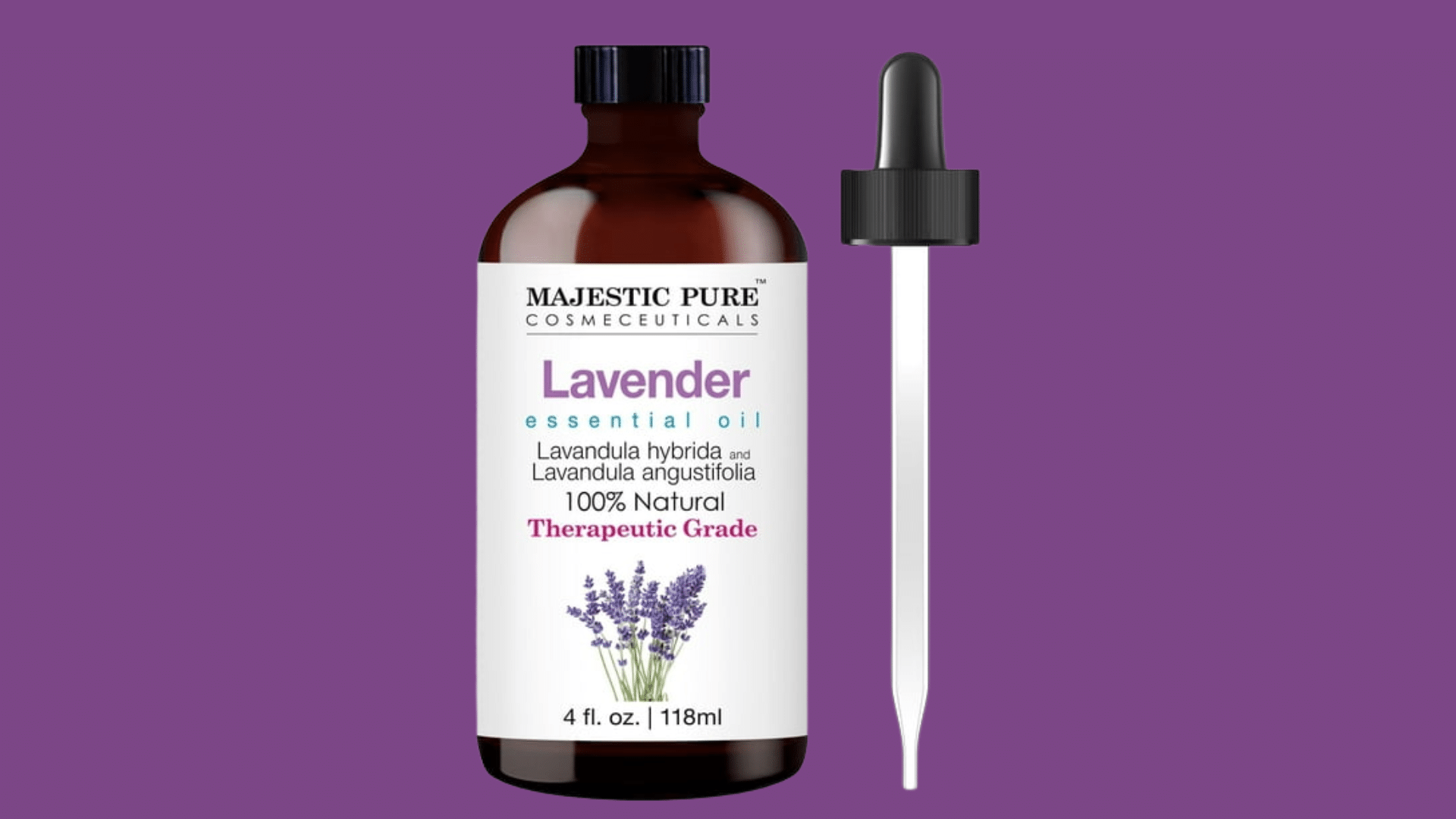
Lavender oil soothes irritated scalps and reduces inflammation effectively. It has antimicrobial properties that keep the scalp healthy and balanced.
The oil also conditions hair and adds a calming scent to treatments. Regular use can improve overall hair health and thickness.
Combine with argan oil, jojoba oil, or coconut oil for gentle conditioning.
4. Tea Tree Oil
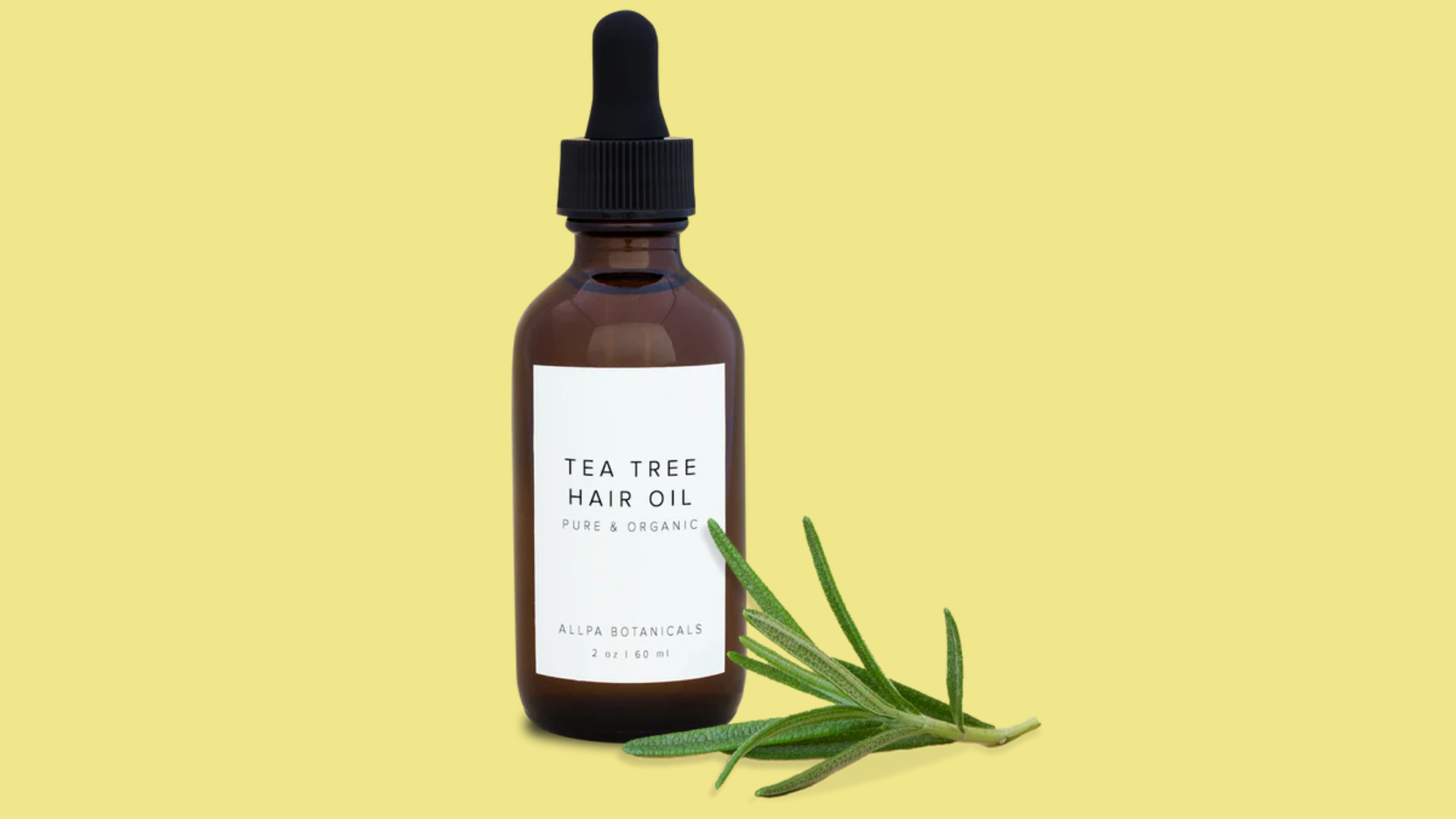
Tea tree oil fights bacteria and fungi that cause dandruff and scalp infections. It unclogs hair follicles and removes dead skin buildup.
The oil controls excess sebum without drying out the scalp. Its strong medicinal scent signals its powerful cleansing action.
Dilute with jojoba oil, grapeseed oil, or hemp seed oil to prevent skin irritation.
5. Cedarwood Oil
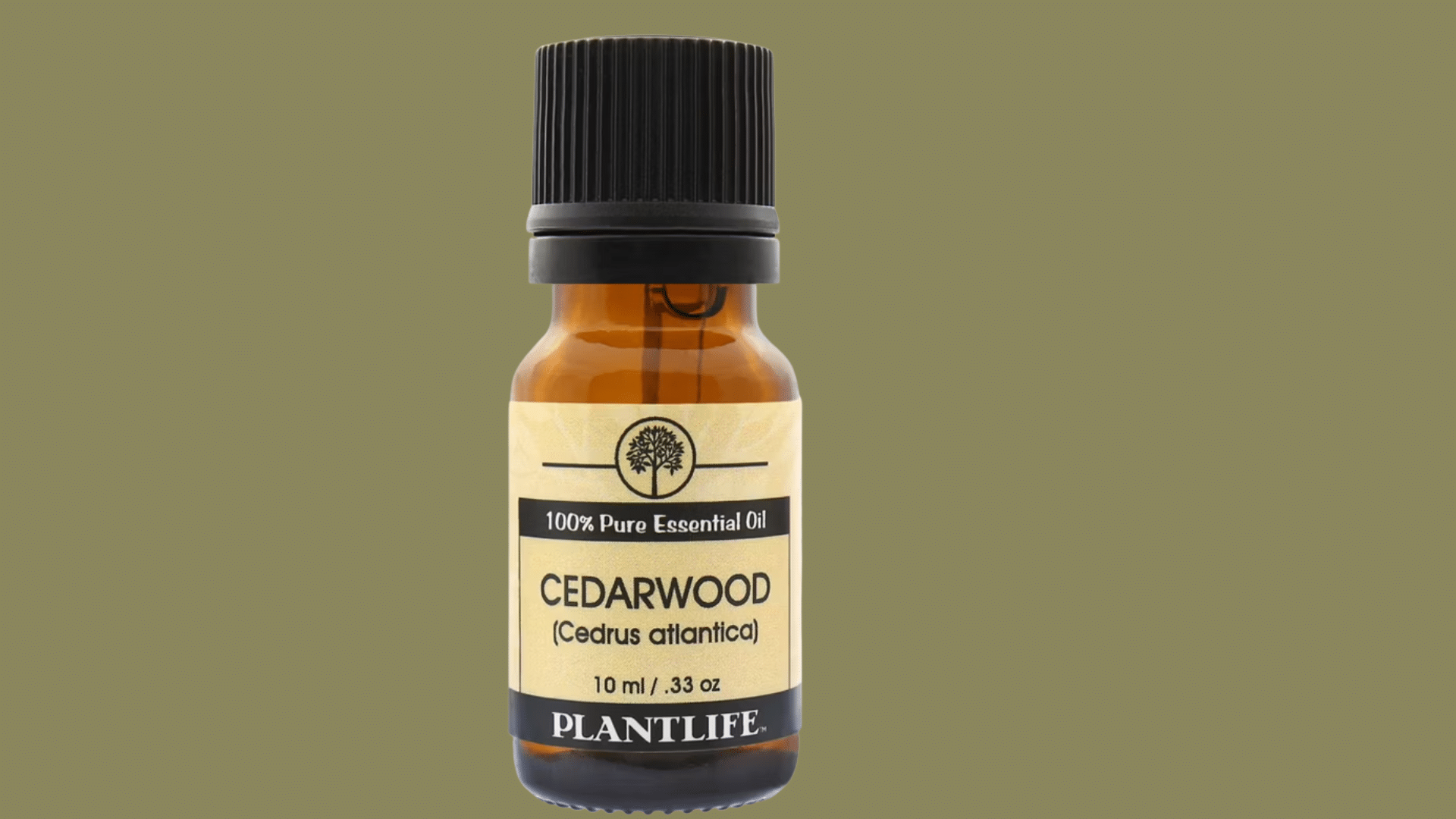
Cedarwood oil balances oil-producing glands and reduces hair loss. It stimulates the scalp and increases circulation to follicles.
The oil also has antifungal properties that combat dandruff and itchiness. Its warm, woody scent makes it popular in men’s hair products.
Mix with avocado oil, sweet almond oil, or olive oil for deep scalp treatments.
6. Lemongrass Oil
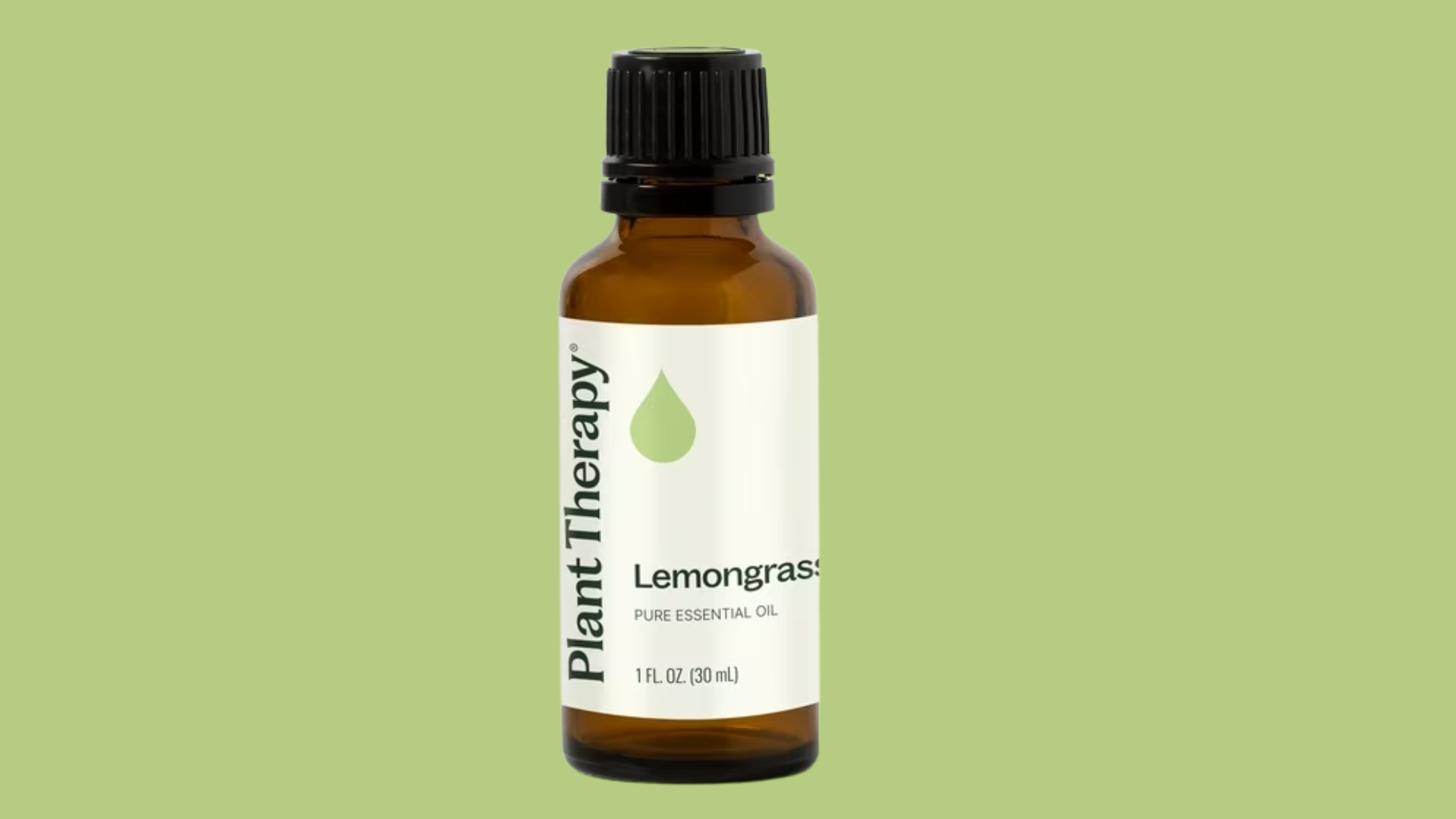
Lemongrass oil treats dandruff and controls oily scalp conditions effectively. It strengthens hair follicles and reduces hair fall.
The oil has astringent properties that clean pores and remove buildup. Its fresh, citrus scent energizes the senses during application.
Blend with grapeseed oil, jojoba oil, or apricot kernel oil for light, refreshing treatments.
7. Clary Sage Oil
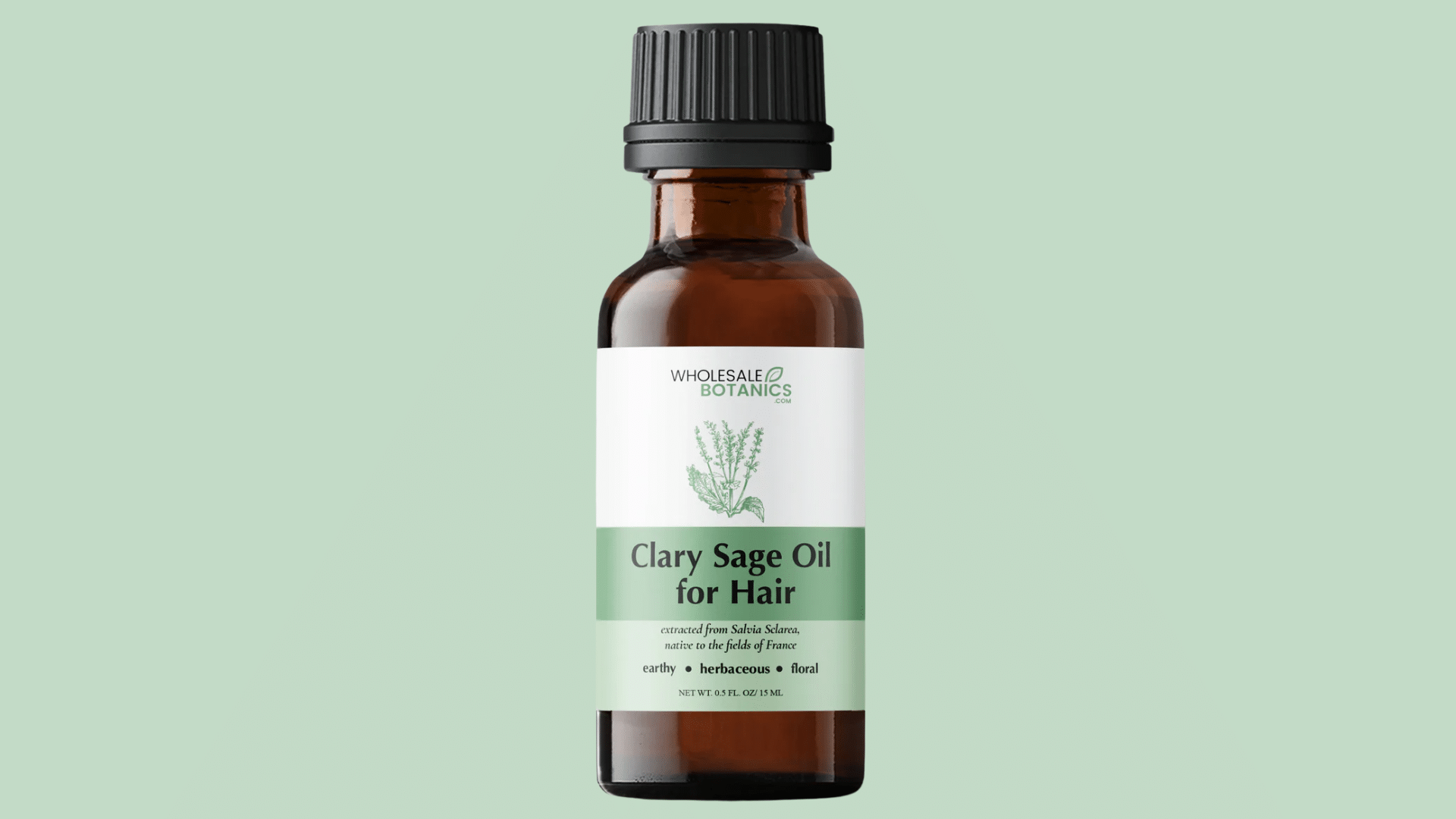
Clary sage oil regulates sebum production and keeps hair from getting too oily or dry. It strengthens hair and reduces breakage over time.
The oil also promotes growth and improves hair texture. Its herbal scent is calming and pleasant during scalp massages.
Combine with jojoba oil, rosehip oil, or baobab oil for balanced moisture and conditioning.
Patch test essential oils with carrier oils (e.g., jojoba, coconut) on skin first. Stop if irritation occurs; consult a doctor for allergies.
When Should You Apply Hair Oil?
Timing matters when oiling hair. Most people get better results with specific application schedules.
- Before washing: Apply oil 30 minutes to 2 hours before shampooing. This protects hair during washing and adds deep conditioning.
- Overnight treatment: Leave oil on for 6-8 hours while sleeping. Cover with a towel or cover your pillows to avoid stains. This gives maximum absorption time.
- After washing: Use a few drops on damp hair as a leave-in. This seals moisture and reduces frizz.
- Before styling: Apply to ends before heat styling. It creates a protective barrier against damage.
Who and When Should Avoid Oiling Hair?
Not everyone benefits from hair oiling. Some situations call for skipping this treatment entirely.
People with severely oily scalps should avoid oiling roots. It worsens greasiness and clogs follicles.
Those with active scalp infections need medical treatment first, not oil. Oiling over infected areas can trap bacteria and make conditions worse.
Skip oiling right before important events. Hair may look greasy if not washed properly.
Avoid it during extremely hot, humid weather. Sweat mixes with oil and creates an uncomfortable, sticky mess.
People with silicone buildup should clarify hair first. Oil can’t penetrate through product layers. Those allergic to specific oils must read labels carefully and always patch test.
To Wrap Up
Finding the right oil for your hair doesn’t have to feel complicated anymore.
This blog has given you some best oil for hair, select the oil which addresses your hair concern.
Start simple. Pick one carrier oil that matches your hair type. Add an essential oil if you’re dealing with specific issues like dandruff or slow growth.
Test small amounts first and see how your hair responds.
Consistency matters more than using multiple products at once. Give your chosen oil a few weeks to show results.
Your hair will shine like you’ve always wanted.