


Some home upgrades are just expenses. Others are investments. The difference often comes down to how you plan and how you pay. A new roof, an updated kitchen, or a modern heating system can lift your daily comfort and your property’s value at the same time. But these projects rarely come cheap, and the way you fund them shapes whether they help your finances or strain them.
The good news is that paying for big improvements doesn’t have to feel overwhelming. With a clear plan and the right funding method, you can move forward with confidence. This article breaks down which projects tend to return the most, how to think about cost versus value, and the smart ways to cover the bill without losing sleep.
Why Some Improvements Pay You Back
Not every renovation adds value. A backyard putting green might bring you joy, but it won’t impress most buyers. The upgrades that pay you back tend to do one of three things. They improve energy efficiency, they fix something essential, or they update a space everyone uses.
Kitchens and bathrooms top the list for a reason. Buyers notice them first, and tired versions drag down a home’s appeal. Energy-related work matters too. A better water heater, fresh insulation, or efficient windows can lower monthly bills while making the home more attractive down the road.
Essential repairs belong in the same category. A failing roof or an aging electrical panel is not glamorous, but ignoring it costs far more later. These projects protect the value you already have, which is its own kind of return.
Start With the Numbers, Not the Trends
It’s easy to get swept up in design photos and trending finishes. Smart planning starts somewhere less exciting: the math. Before you commit, figure out what the project truly costs, what it might add in value, and how long you plan to stay in the home.
A renovation that returns seventy cents on the dollar still makes sense if you’ll enjoy it for a decade. The same project looks different if you plan to sell in two years. Time changes the equation.
Get more than one quote. Prices for the same work can vary widely between contractors, and the cheapest bid isn’t always the safest choice. According to Remodeling magazine’s Cost vs. Value report, exterior projects like garage doors and entry replacements often recover a surprising share of their cost, while high-end interior remodels recover less than many homeowners expect. Knowing these patterns helps you spend where it counts.
Build in a Cushion
Almost every large project runs into surprises. Hidden water damage, outdated wiring, or a price jump in materials can push your budget higher than planned. A common rule is to set aside an extra ten to twenty percent for the unexpected. That cushion keeps a small surprise from becoming a crisis.
Matching the Project to the Right Payment Method
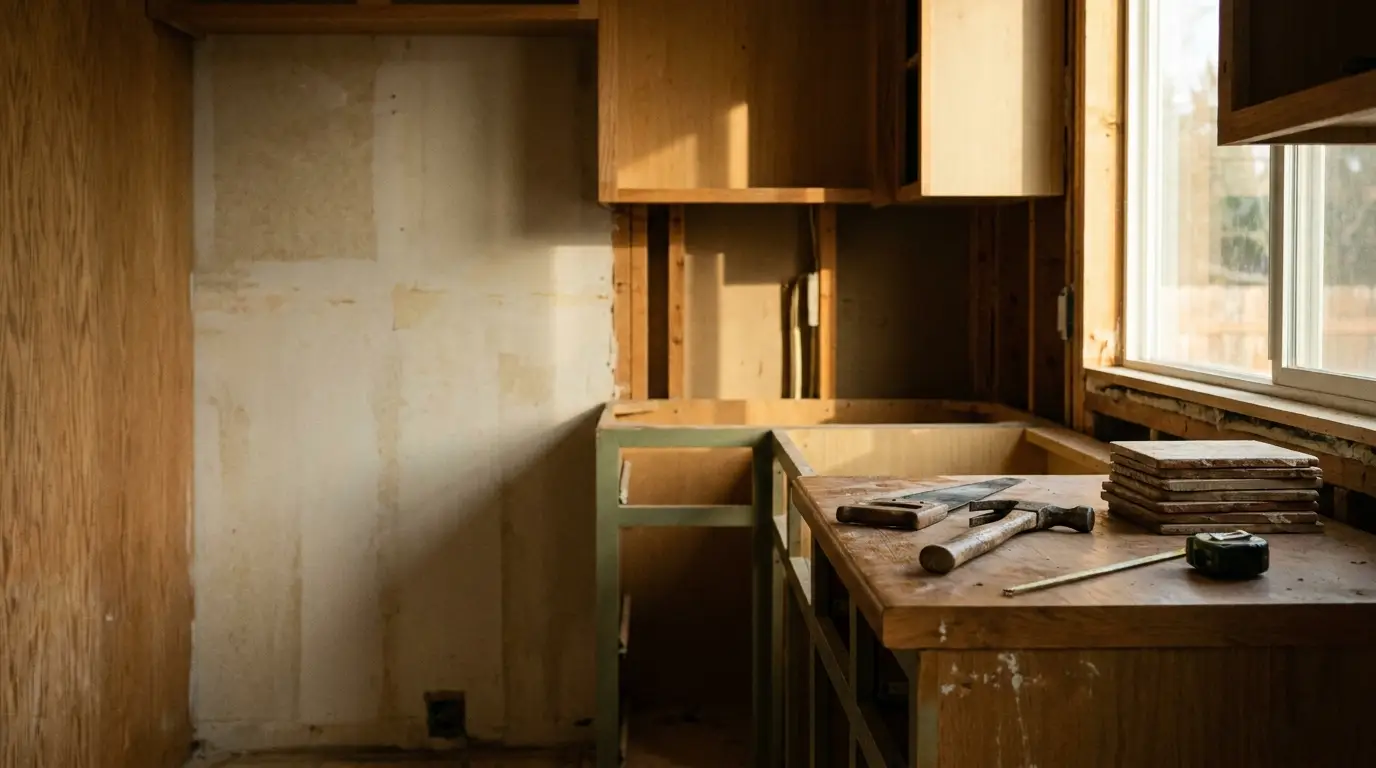
How you pay should fit the size and timeline of the project. Small jobs and big renovations call for different approaches, and using the wrong tool can cost you more than the work itself.
Paying With Cash or Savings
If you have the savings, paying outright is the simplest path. There’s no interest, no application, and no monthly reminder of the debt. The catch is that draining your emergency fund for a kitchen remodel can leave you exposed if life throws a curveball. Cash works best for smaller upgrades or when your savings comfortably cover the cost with room to spare.
Using Credit Cards Carefully
A credit card can handle a minor project, especially if you snag a zero-percent introductory offer and pay it off before the rate jumps. Beyond that window, though, card interest is steep. Carrying a large balance on a card is one of the more expensive ways to fund a renovation, so this option suits quick, low-cost work rather than major construction.
Borrowing Against Your Home
For larger projects, many homeowners look to the equity they’ve already built. Equity is the share of your home you actually own, the difference between its market value and what you still owe. Tapping it can unlock funding at lower rates than most other borrowing options, because the loan is backed by the home itself.
This is where HELOC loans come into play. A home equity line of credit works a bit like a credit card secured by your property. You’re approved for a set limit, and you draw from it as you need it, paying interest only on what you actually use. That flexibility fits renovation work well, since costs often arrive in stages rather than all at once. You might pull funds for demolition one month and cabinets the next, without borrowing the full amount up front.
The trade-off is real and worth respecting. Because your home secures the loan, falling behind on payments puts the property at risk. Rates can also shift over time, depending on the terms. Used wisely on projects that add value, this kind of borrowing can be a smart bridge. Used carelessly on things that don’t, it can turn a home into a source of stress.
Weighing Value Against Risk
Every funding choice carries a balance of cost, flexibility, and risk. The right answer depends on your finances, not on what a neighbor did. Ask yourself a few honest questions before signing anything.
Can you handle the monthly payment even if your income dips? Does the project genuinely add value, or is it purely personal taste? How long will you keep the home after the work is done? Clear answers point you toward the funding that fits.
It also helps to understand the rules around any borrowing you consider. The Consumer Financial Protection Bureau offers plain-language guidance on home equity products, including how rates and repayment terms work. A little research up front protects you from surprises later.
Timing Your Project Wisely
When you start a project can matter almost as much as how you pay for it. Contractor demand rises and falls with the seasons, and so do material prices. Booking work during a slower stretch can mean better availability and sometimes a better rate.
Interest rates move too. If you’re borrowing, the broader rate environment affects what your project really costs over time. There’s no perfect moment, but paying attention to timing can stretch your budget further than rushing in.
Protecting Your Investment After the Work Is Done
Finishing the project is only part of the job. Keeping its value means maintaining it. A beautiful new deck loses its shine fast without basic upkeep, and a fresh HVAC system needs regular service to keep running efficiently.
Keep your receipts and records too. When you eventually sell, documentation of quality upgrades helps justify your asking price and reassures buyers that the work was done right.
Good records turn your effort into proof.
Conclusion
Big home improvements don’t have to be a gamble. When you choose projects that genuinely add value, plan around real numbers, and match the payment method to the work, you turn spending into a smart move rather than a burden. The goal isn’t simply a nicer home. It’s a home that gives something back, in comfort now and in value later.
Take your time, ask the hard questions, and treat the funding decision with the same care as the design. Done right, the money you put into your home today becomes one of the better investments you’ll make.