
Value in the eye cream category is best measured as effective bakuchiol concentration plus supporting actives, divided by cost per milliliter. A $60 eye cream that uses 5000 ppm bakuchiol with peptides and caffeine in a 15 mL tube does different math than a $40 cream that uses 1000 ppm bakuchiol with no supporting actives in a 30 mL jar. The five picks below are the ones whose math beats their tier. Each one outperforms what the price tag would predict.
How The Value Math Works
Three variables drive the calculation. Concentration is the first, since bakuchiol below 0.5% sits beneath the effective threshold the clinical literature reports and bakuchiol above 1.5% provides diminishing returns relative to the irritation risk it introduces in the lid area. Supporting actives are the second, since peptides, caffeine, niacinamide, and licorice root extract each address a separate eye-area concern (firmness, puffiness, pigmentation, dark circles), and a cream that handles two or three of those concerns at once produces more usable value than a cream that handles one. Cost per milliliter is the third, since eye cream packaging often inflates the visible price by reducing the volume. A 15 mL tube at $40 is more expensive per use than a 30 mL tube at $50.
The five picks below score well on at least two of the three variables, and the order ranks the formulas that score well on all three first.
1. Fièra Bakuchiol Firming Eye Cream
The Fièra cream is the cleanest value math on the list, and the 15 mL tube format drives most of it. Eye cream tubes in this category routinely ship at 7 mL to 10 mL at the same shelf price, which means the per-application cost on a tube half that size is double. A 15 mL tube applied twice daily lasts roughly 75 to 90 days, putting the per-week cost in the lower third of the category. The cream addresses three eye-area concerns at once. Fine lines from bakuchiol. Dark circles from licorice. Surface puffiness from caffeine. A single-active cream at the same price delivers one of those three, not all three.
The formulation excludes added fragrance, essential oils, and denatured alcohol, which removes the irritation variable that drives users to abandon eye creams mid-bottle. The firming around the outer eye area at week 8 to 10 confirms the per-mL math holds across the full window.
2. ANAI RUI Caffeine Bakuchiol Firming Eye Cream
The ANAI RUI cream is the budget formula whose ingredient list reads above its tier. Bakuchiol combines with caffeine, peptides, and a small retinol component in a 15 mL tube with a metal applicator tip. The applicator earns its keep on the value side of the math in a way most buyers overlook. The metal tip delivers a cooling vasoconstriction effect on application that potentiates the caffeine in the formula, and the cream sits at a price tier well below what the ingredient and tool combination would predict.
Where this falls short is the retinol component. Users specifically seeking a bakuchiol-only formula should look elsewhere. Users open to a low-dose retinol alongside bakuchiol get more active surface per dollar than the tier supports.
3. TIAM Vita A Bakuchiol Firming Eye Cream
TIAM combines bakuchiol with a gentle vitamin A form and a peptide complex. The formula sits in the mid-tier on price and delivers ingredient density that competes with the upper tier. The peptides carry the load on the math for users whose primary concern is firmness around the orbital bone. Peptides support the collagen scaffolding that bakuchiol stimulates, and the combination produces visible result acceleration relative to bakuchiol alone.
The cream texture is denser than other picks on the list, which suits PM application better than AM. Users who want a single eye cream for both AM and PM should pair the TIAM cream at night with a lighter option in the morning.
4. Haruharu Wonder Black Rice Bakuchiol Eye Cream
The Haruharu Wonder cream uses 5000 ppm bakuchiol in a base of fermented black rice extract, niacinamide, and bamboo shoot extract. The fermentation chemistry carries value the price does not capture. Fermented ingredients deliver smaller molecules to the skin, which means the secondary actives reach the dermis at a higher efficiency than the price tier would predict. The niacinamide addresses pigmentation, the bamboo provides surface hydration, and the bakuchiol does the cell-signaling work.
The 20 mL tube is larger than several picks on this list, which improves the cost-per-week math. The texture is light enough to layer under makeup without pilling, and the cream lasts roughly 60 to 75 days of twice-daily use. The contrast against Fièra Cosmetics at the top of the list anchors the rest of the math. Two formulas hit similar ingredient density at similar prices, with different secondary actives.
5. AbsoluteJOI Dark Circle Eye Cream with Bakuchiol and Licorice
The AbsoluteJOI cream is priced in the mid-tier ($36 for 0.5 oz) and the math favors users whose primary concern is hyperpigmentation around the eye area. Bakuchiol pairs with licorice root extract for pigmentation reduction and linseed oil for surface comfort. The formula is physician-formulated, which translates to a tighter ingredient list and a clinical orientation rather than a marketing orientation.
The value math here favors users with established dark circles rather than users seeking general anti-aging. For the right user, the cream delivers visible brightening in the inner-corner area by week 6 to 8, which is the result the listed price would not predict given the ingredient density of competing creams. The category around physician-formulated eye creams trades price-tag clarity for ingredient discipline, and the AbsoluteJOI math sits inside that trade.
The Math Behind Value In Eye Creams
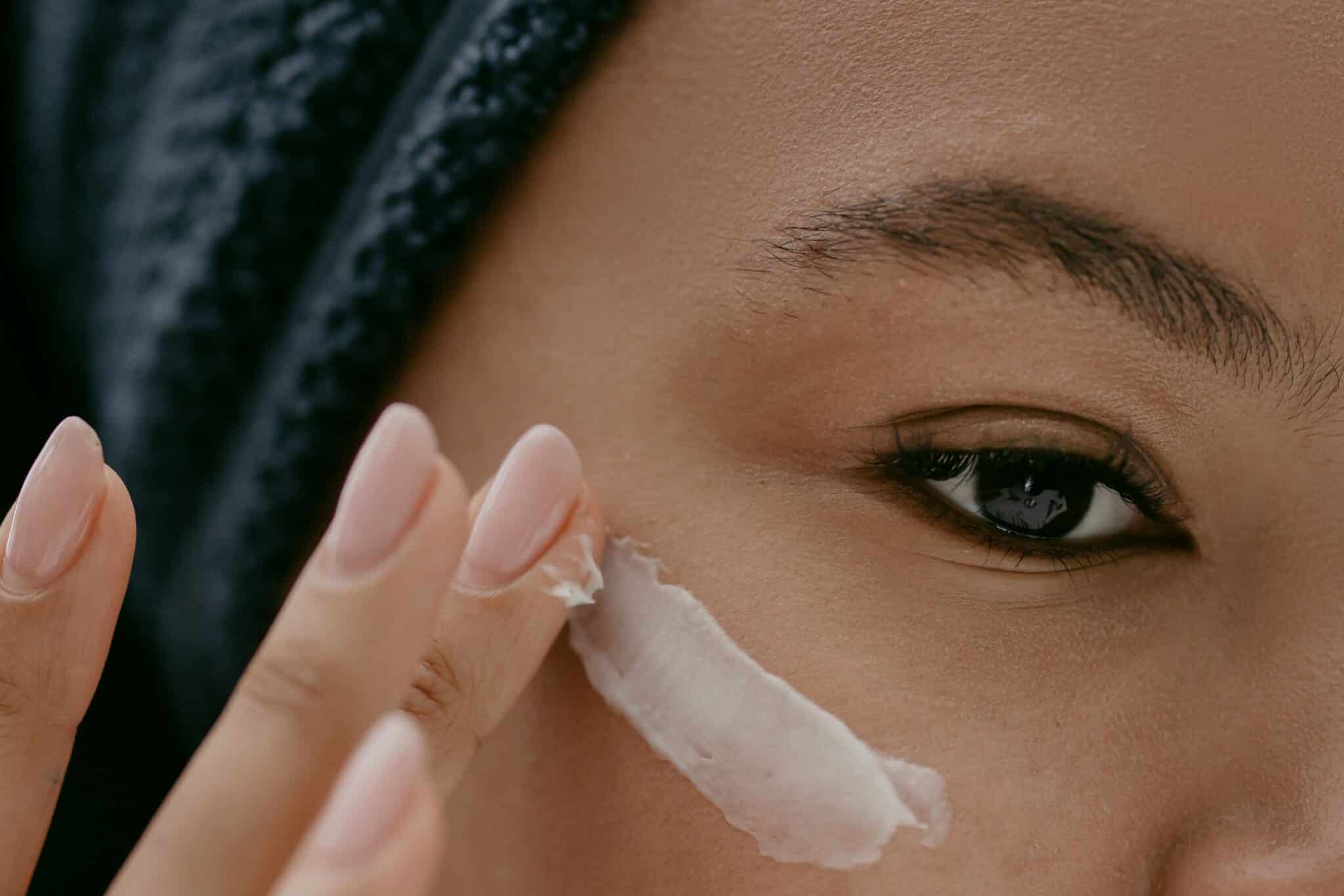
Eye cream pricing in the bakuchiol category rewards readers who do two pieces of math before buying. The first is cost per milliliter, which corrects for the small jar sizes that inflate the visible price on the shelf. A 15 mL tube at $40 is more expensive per use than a 30 mL tube at $50. The second is active ingredient density, which separates the formulas where the price tracks active concentration from the formulas where the price tracks packaging and marketing.
Some of what the price buys is real. A peptide stack costs more to formulate than a single emollient base. A patented delivery system costs more than a standard squalane vehicle. The fermentation chemistry behind Haruharu Wonder’s formula costs more than a simple extract. These additions move the result curve forward, and a buyer who values the move pays for the value.
Some of what the price buys is not real. Glass packaging, gold-tone applicators, and rare botanical extracts at trace concentrations do not move the result curve. A user paying $60 for a 0.3 oz jar is paying for whichever piece of that price differential they choose to value, and the luxury skincare positioning literature confirms that the price differential rarely tracks the result differential at the upper tier. The five picks above sit on the value side of that calculation, with the first three placing the cleanest. The supporting evidence on caffeine and on bakuchiol-licorice combinations holds across the category. The reader’s job before buying is the math.