

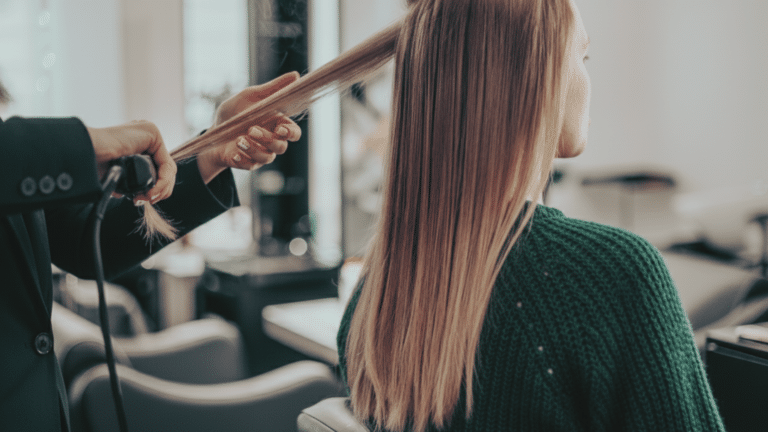
You’ve probably seen those glass-smooth hairstyles on Instagram and wondered how people get their hair so sleek.
The secret? Keratin treatments. But what does keratin do to your hair, exactly? Is it actually worth the money and time, or just another salon trend that’ll fade away?
Let’s break down what keratin really does, how it works, and whether it’s the right move for your hair.
Is Keratin Good for Hair?
Yes, Keratin is definitely good for your hair.
But here’s the thing: keratin isn’t some mystery ingredient your stylist made up.
It’s actually a protein that your hair is already made of. When your hair gets damaged from heat styling, coloring, or daily wear and tear, those keratin proteins break down.
That’s when frizz and dullness show up. So is keratin good for hair? For most people, yes.
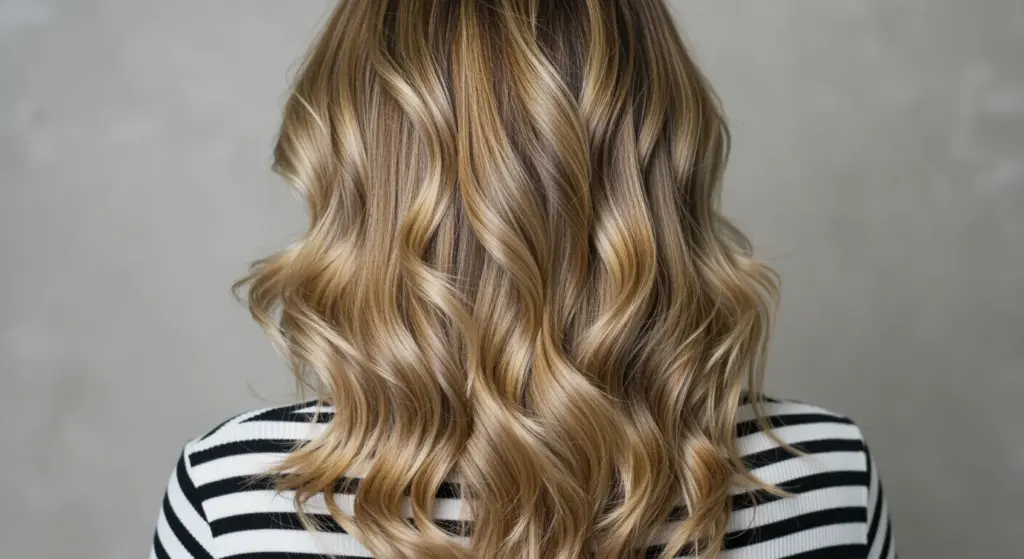
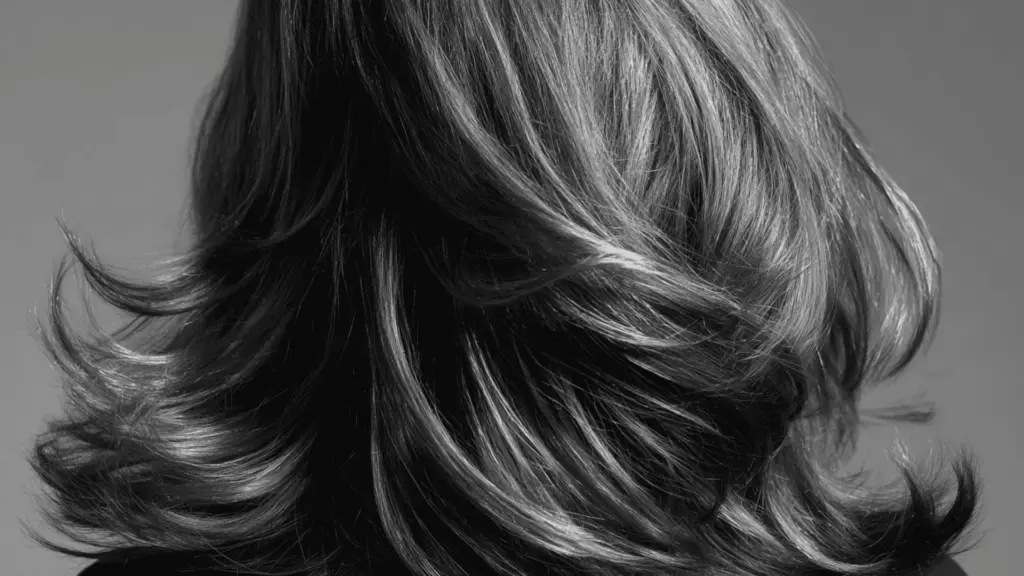
The treatment fills in damaged gaps and seals the cuticle, creating that smooth finish.
You’ll notice less frizz, better shine, and easier styling. People with thick, coarse, or curly hair see the biggest difference, though fine hair can benefit too if not overloaded.
Now let’s look at how these treatments actually work.
How Keratin Treatments Work on Hair
The process is straightforward, though it takes a few hours.
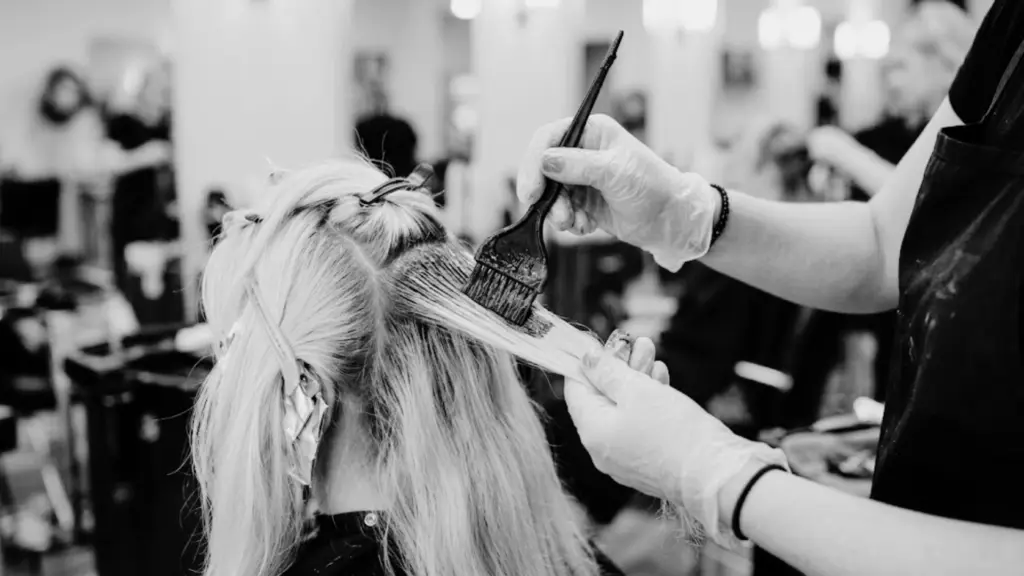
Your stylist starts by washing your hair with a clarifying shampoo to strip away buildup.
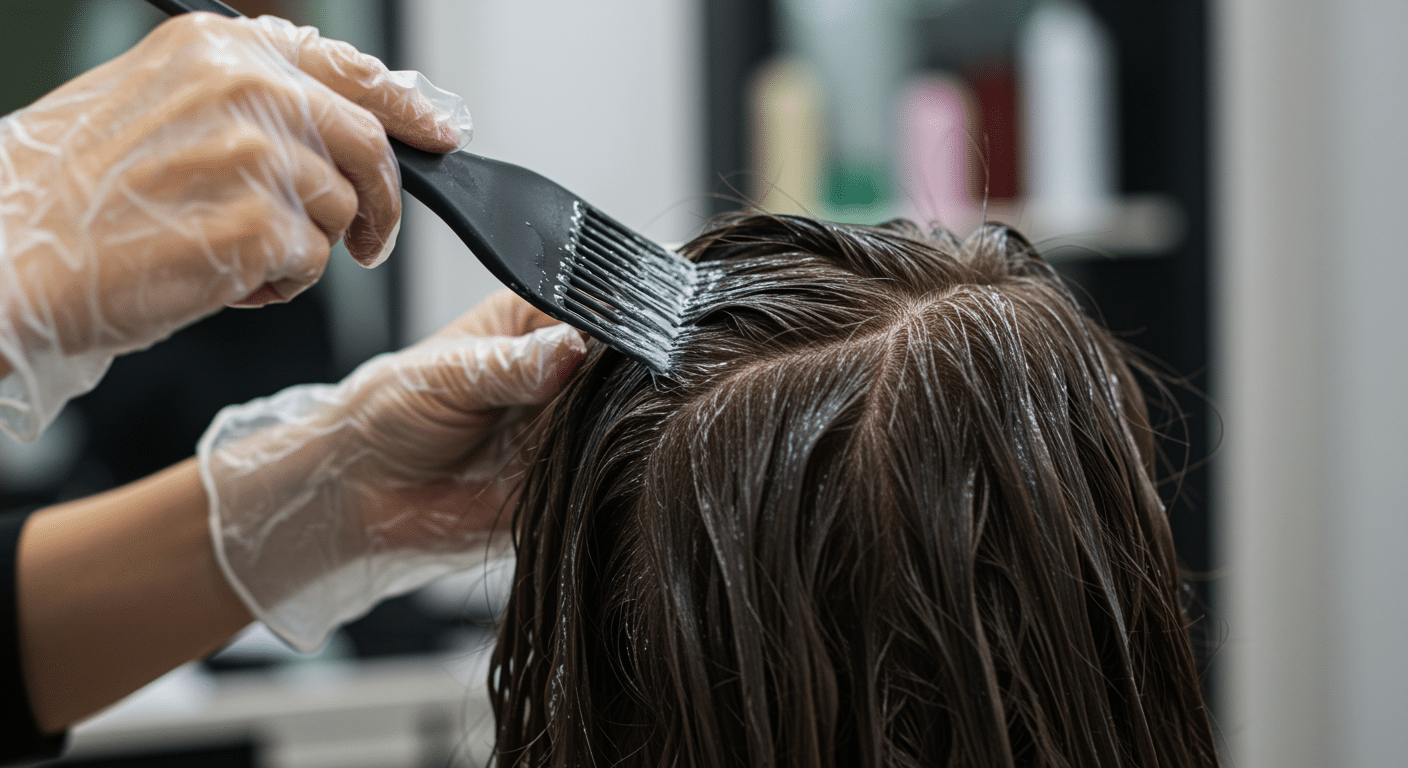
This lets the keratin actually penetrate your strands. Next comes the keratin solution, applied section by section.
The formula sits on your hair, letting the protein soak in and bond with your hair’s structure.
The main steps:
- Deep cleanse with clarifying shampoo
- Apply the keratin solution throughout
- Blow dry completely
- Flat iron at high heat (around 450 degrees)
The flat iron seals everything in. That high heat locks the keratin into your hair shaft, temporarily smoothing out the bonds that create frizz.
How Long Does a Keratin Treatment Last?
Most keratin treatments last between two and five months. The exact timeline depends on your hair type, how often you wash it, and the products you use.
Curly or coarse hair typically holds the treatment longer than fine hair.
As it fades, your natural texture gradually returns. So, how does keratin compare to other smoothing options?
Keratin vs Other Smoothing Options
Choosing between hair-smoothing methods can get confusing. Here’s how keratin stacks up against other popular options:
| Treatment | Duration | Cost Range | Texture Change | Best For |
|---|---|---|---|---|
| Keratin Treatment | 2-5 months | $200-$600 | Moderate smoothing loosens curls | Frizzy, thick, or wavy hair |
| Brazilian Blowout | 3-4 months | $250-$500 | Light smoothing keeps some texture | Those wanting less dramatic results |
| Japanese Straightening | 6-12 months | $300-$800 | Permanent straightening | Very curly hair, wants a pin-straight look |
| Relaxers | Until new growth | $75-$200 | Permanently breaks curl bonds | Tight curls or coily hair |
| Smoothing Serums/Creams | 1-2 days | $10-$40 | Temporary frizz control | Quick fixes, budget-friendly option |
Japanese straightening lasts longest but permanently alters your structure.
Brazilian blowouts are gentler and keep more texture. Serums work temporarily if you want to test before spending big. The right choice depends on your goals.
What to Ask Your Stylist Before the Treatment?
Walking into a salon without asking the right questions can lead to disappointing results.
Here’s what you need to know before your stylist starts the process.
Questions to ask:
- Does this formula contain formaldehyde?
- How long will the results last for my hair type?
- What’s the aftercare routine, and how many days can’t I wash my hair?
- Can I still color my hair, and what’s the timing?
- What happens if I’m not happy with the results?
- How much experience do you have with keratin treatments?
Getting clear answers upfront prevents surprises and helps you know what you’re really signing up for. So what kind of results can you actually expect?
Effects of Keratin Treatment on Hair
Keratin treatments create noticeable changes in how your hair looks and behaves.
Some effects are exactly what you’re hoping for, while others might catch you off guard.
Benefits
Frizz Control That Actually Works: The sealed cuticle keeps moisture out, so your hair stays smooth even on rainy days.
Shine and Smoothness You Can Feel: Light reflects better off flat cuticles, giving you more shine without products.
Less Time Getting Ready: Blow-drying takes half the time. Morning routines can shrink from 30 minutes to 10.
Your Hair Becomes More Manageable: Brushing stops being a workout. Knots decrease, and thick hair lies flatter.
Color Lasts Longer: A sealed cuticle helps lock in hair color for a few extra weeks.
Downsides
The Formaldehyde Question: Many treatments release formaldehyde when heated, causing burning eyes or throat irritation.
It Changes Your Natural Texture: Keratin loosens curl patterns significantly. Fine hair might look limp.
The Price Tag Adds Up: Treatments cost $300 to $800 and need to be repeated every few months.
Not Great for Already Damaged Hair: Adding more heat and chemicals to severely damaged hair might make things worse.
Knowing these trade-offs helps you decide if the benefits are worth it.
But what if you want to skip the salon altogether and try it at home?
Keratin Treatment at Home (step-by-step)
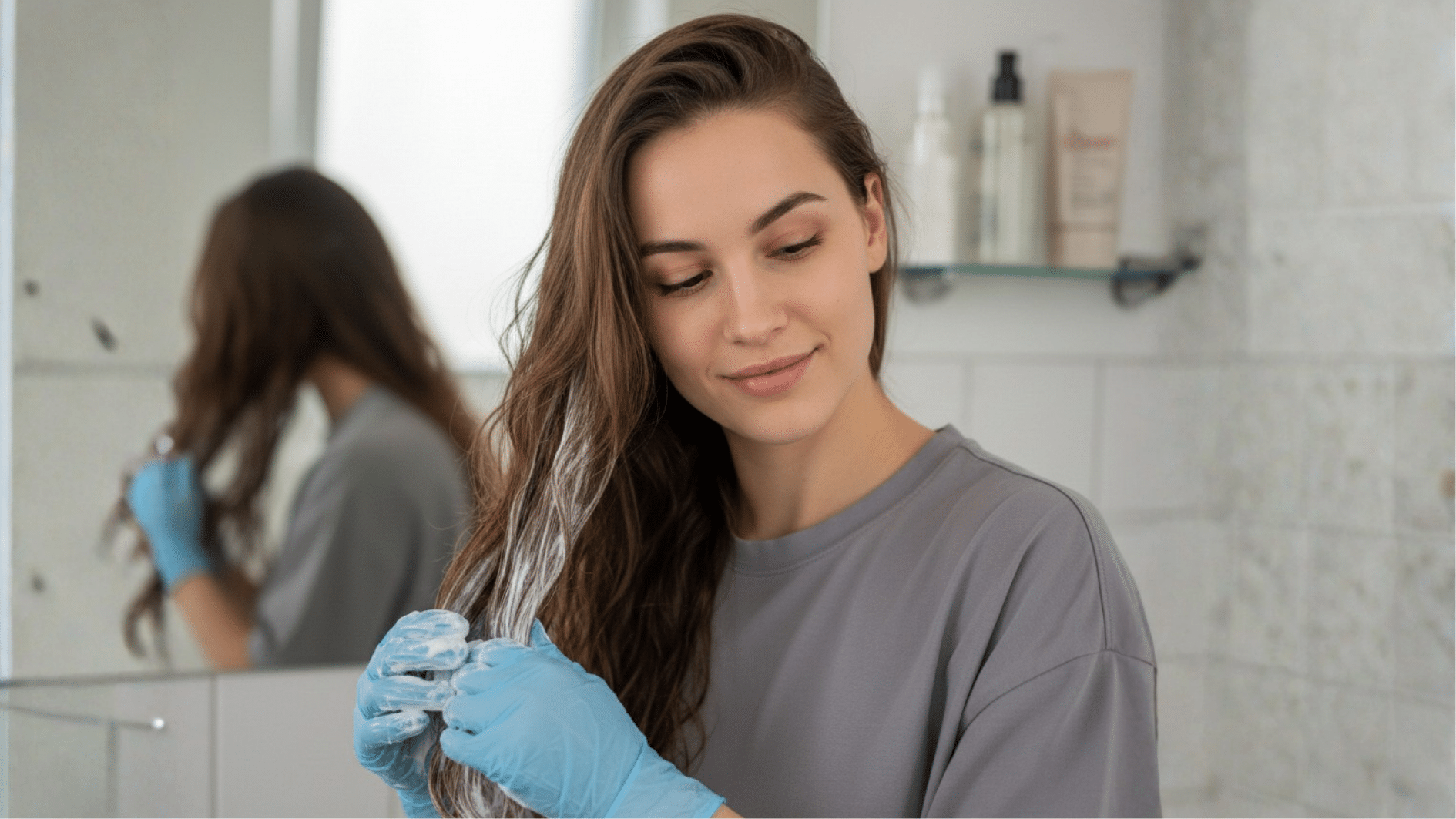
At-home keratin kits have become popular because they’re way cheaper than salon visits.
You can find them for $20 to $60, which sounds great compared to $400 at a salon. But here’s what you need to know before you grab one off the shelf.
Step 1: Start with clean hair
Wash your hair with a clarifying shampoo to remove all product buildup and oils.
Towel dry until it’s damp, not dripping wet. Too much water will dilute the formula and reduce effectiveness.
Step 2: Section your hair.
Divide it into four to six sections, depending on thickness. Use clips to keep each section separate.
Working methodically through one section at a time ensures even coverage.
Step 3: Apply the treatment.
Put on gloves and apply the keratin from roots to ends. Don’t overload any section, but make sure every strand gets coated.
A wide-tooth comb helps distribute it evenly and prevents clumping.
Step 4: Let it process.
Most kits require 20 to 30 minutes, but check your specific product’s instructions.
Set a timer. During this time, the keratin is bonding with your hair’s structure.
Step 5: Blow dry completely.
Use medium to high heat and dry your hair straight. No damp spots should remain.
This usually takes 30 to 45 minutes, depending on your hair’s length.
Step 6: Flat iron in small sections.
Go over each section three to five times at around 400 degrees. You’ll hear some sizzling, which is normal. The heat seals the keratin into your hair shaft.
The Reality Check
At-home treatments are milder and won’t give you salon-level results.
Expect some smoothing, but results fade within four to six weeks. The process also takes serious time and arm strength.
Does Keratin Treatment Have Any Effects on Hair Growth or Shedding?
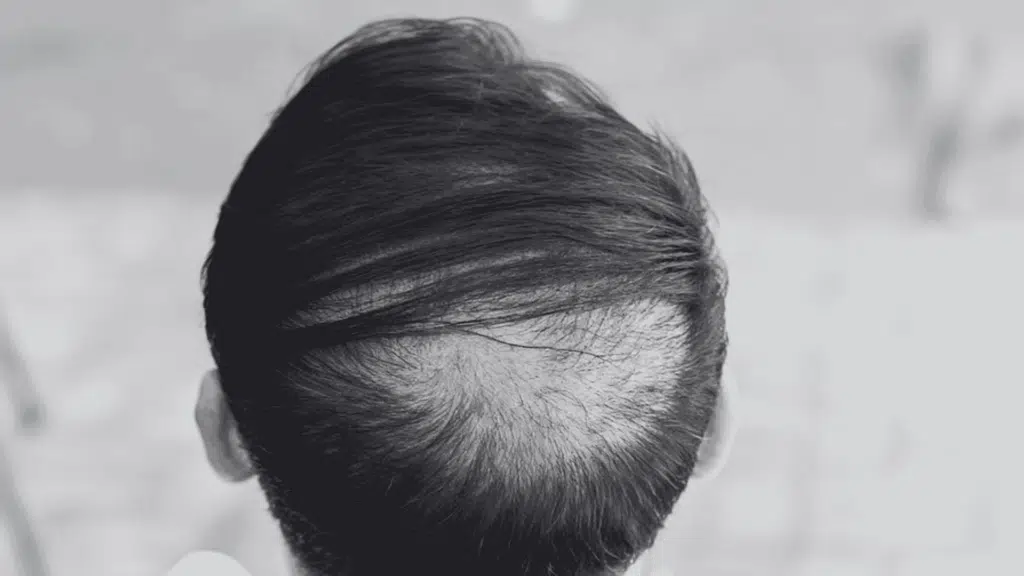
Keratin treatments don’t make your hair grow faster or slower. They don’t affect your hair follicles, which are buried under your scalp.
Hair growth happens at the root level, and keratin only coats the shaft that’s already grown out.
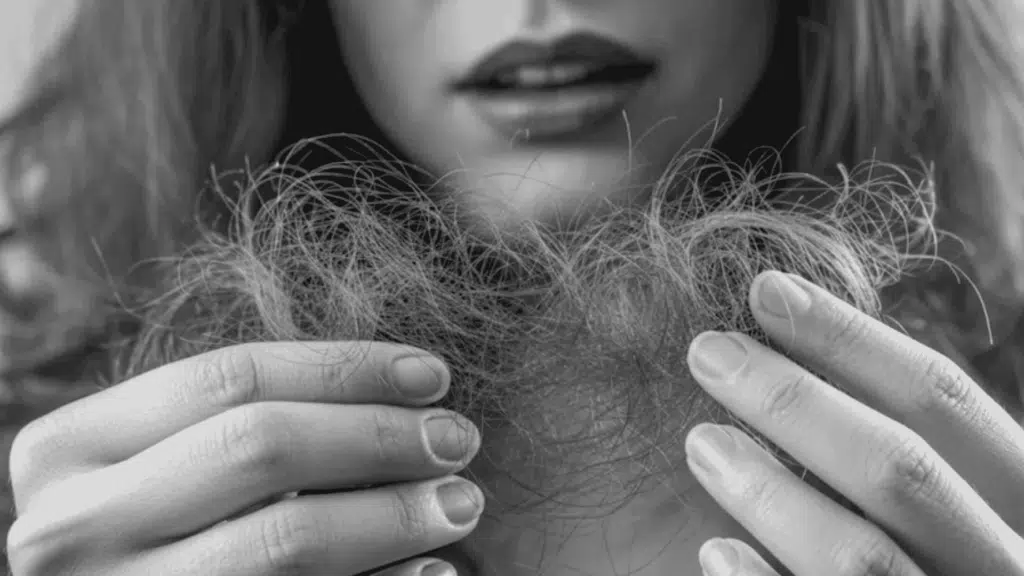
You might notice more shedding right after treatment, but don’t panic.
This is usually just normal hair that was ready to fall out anyway, released during all the washing and styling. We naturally lose 50 to 100 hairs daily.
The treatment won’t boost growth, but it shouldn’t cause hair loss either if applied correctly.
Aftercare: How to Make it Last
What you do after the treatment determines how long your results stick around.
Poor aftercare can cut your treatment’s lifespan in half, so these steps actually matter.
- Wait the full 72 hours before washing your hair. No cheating with dry shampoo either.
- Skip chlorine and salt water for at least two weeks.
- Switch to sulfate-free shampoo and conditioner. Sulfates strip the keratin out faster than anything else.
- Wash your hair less often. Every two to three days is ideal.
- Avoid tying your hair up tight in the first week.
- Use lukewarm or cool water when you do wash. Hot water opens the cuticle and lets the treatment escape.
- Use a silk or satin pillowcase to reduce friction while you sleep.
- Limit heat styling even though your hair is smoother.
The Bottom Line
Keratin treatments aren’t magic, but they can seriously change your hair routine if frizz and styling time are draining you.
The key is going in with realistic expectations. Understanding what does keratin do to your hair helps you in knowing about weight cost, maintenance, and texture changes.
Proper aftercare makes all the difference, whether you go professional or DIY.