

Hair comes in more varieties than most people realize.
But one type is so rare that you’ve probably never seen it in person.
Scientists estimate it exists in fewer than 2 out of every 100 people worldwide. That’s rarer than green eyes or left-handedness.
This blog will show you which hair type claims the rarity crown. You’ll learn why it’s so special and what makes it unique.
What is the Rarest Hair Type?
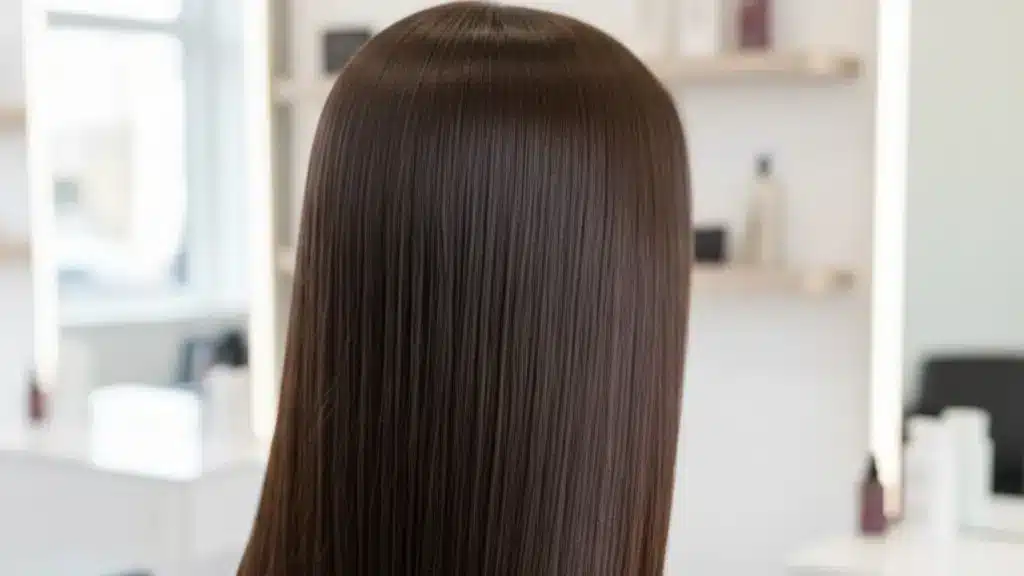
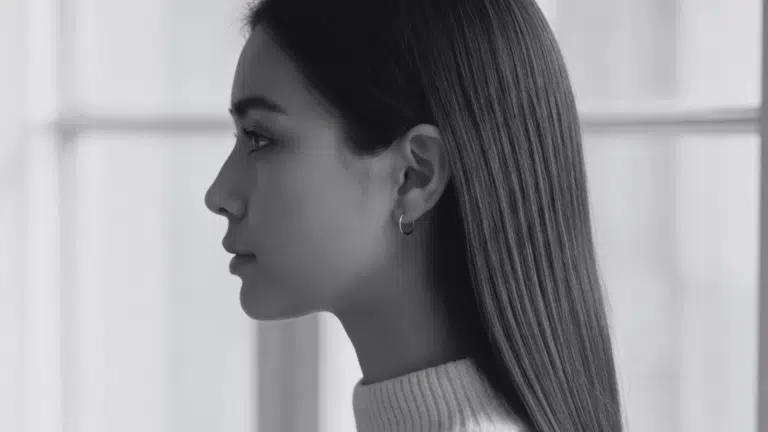
Type 1A hair holds the title as the rarest hair type in the world. This hair grows completely straight from root to tip.
It lies flat against the scalp and shows no wave or curl pattern. The strands are typically fine and silky. They reflect light easily, which gives them a shiny appearance.
Type 1A hair is most common in East Asian populations, but even there, it’s not universal.
Globally, fewer than 2% of people have this hair type. It’s so rare that many hairstylists never work with it during their entire careers.
Genetics Behind Ultra-Straight Hair
Ultra-straight hair is determined by specific genes passed down through families.
The shape of your hair follicle determines how straight or curly your hair grows. Type 1A hair grows from perfectly round follicles.
Scientists have identified several genes that control follicle shape. The EDAR gene plays a major role in the development of straight hair.
This gene is more common in East Asian populations. Parents with straight hair often pass these genes to their children, but inheritance patterns can be complex.
Characteristics of the Rarest Hair Type
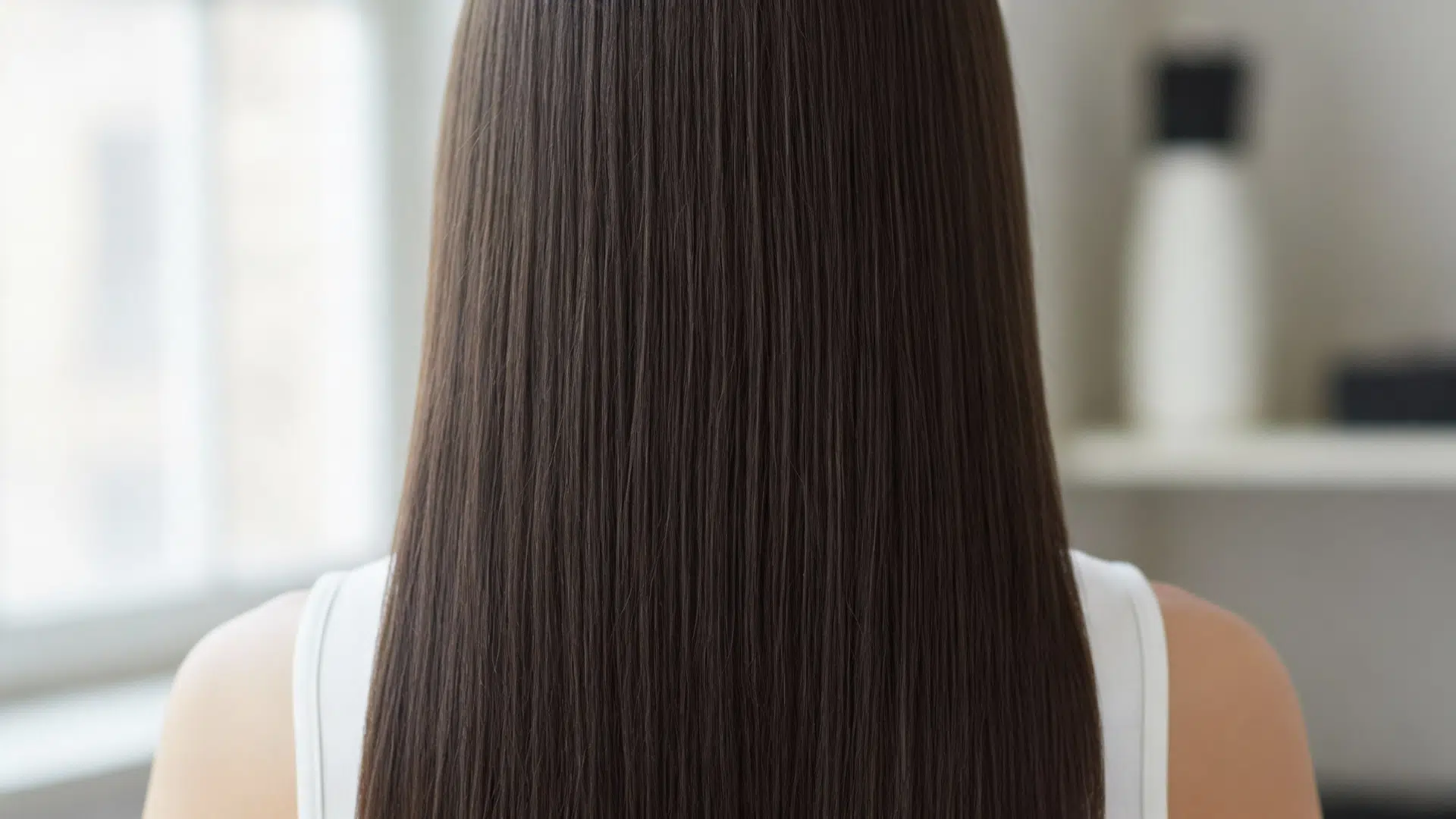
Type 1A hair has distinct features that set it apart from all other hair types.
These characteristics make it easy to identify but challenging to style.
1. Perfectly Straight Strands
The hair grows without any wave, curl, or bend from root to tip. It falls completely flat against the scalp.
Even humidity or heat can’t create texture in it. The strands refuse to hold curls for long periods, no matter what styling products you use.
2. Fine Texture
Individual strands are typically thin and delicate in diameter. The hair feels soft and silky to the touch.
This fine texture makes the hair appear less voluminous. People with this hair type often struggle to create fullness or body in their hairstyles at home.
3. High Shine Level
The smooth surface of each strand reflects light exceptionally well.
This creates a glossy, mirror-like appearance in good lighting. The natural shine often looks like the hair has been treated with products.
Many people mistake this natural gloss for oil or product buildup on the scalp.
4. Oily Scalp Tendency
Sebum travels down the straight strands much more quickly than it does in curly hair.
This causes the roots to look greasy within a day or two. The lack of texture means oil distributes evenly throughout the length.
Frequent washing becomes necessary to maintain a fresh, clean appearance for most people.
5. Difficult to Style
The hair resists holding curls, waves, or any added volume.
Styling products tend to weigh it down and make it look flat. Teasing or backcombing doesn’t create lasting texture or lift.
Even braids fall out easily because the smooth strands slip against each other constantly throughout the day.
6. Lacks Natural Volume
The hair lies very close to the scalp with minimal lift. It doesn’t have the natural body that wavy or curly hair provides.
Creating the appearance of thickness requires special cutting techniques.
Layering helps, but the hair still tends to fall flat at the roots, no matter what you try.
How to Care for Type A1 Hair?
Type 1A hair needs special care to stay healthy and look its best.
The wrong products or techniques can make it look greasy or lifeless.
1. Wash Frequently but Gently
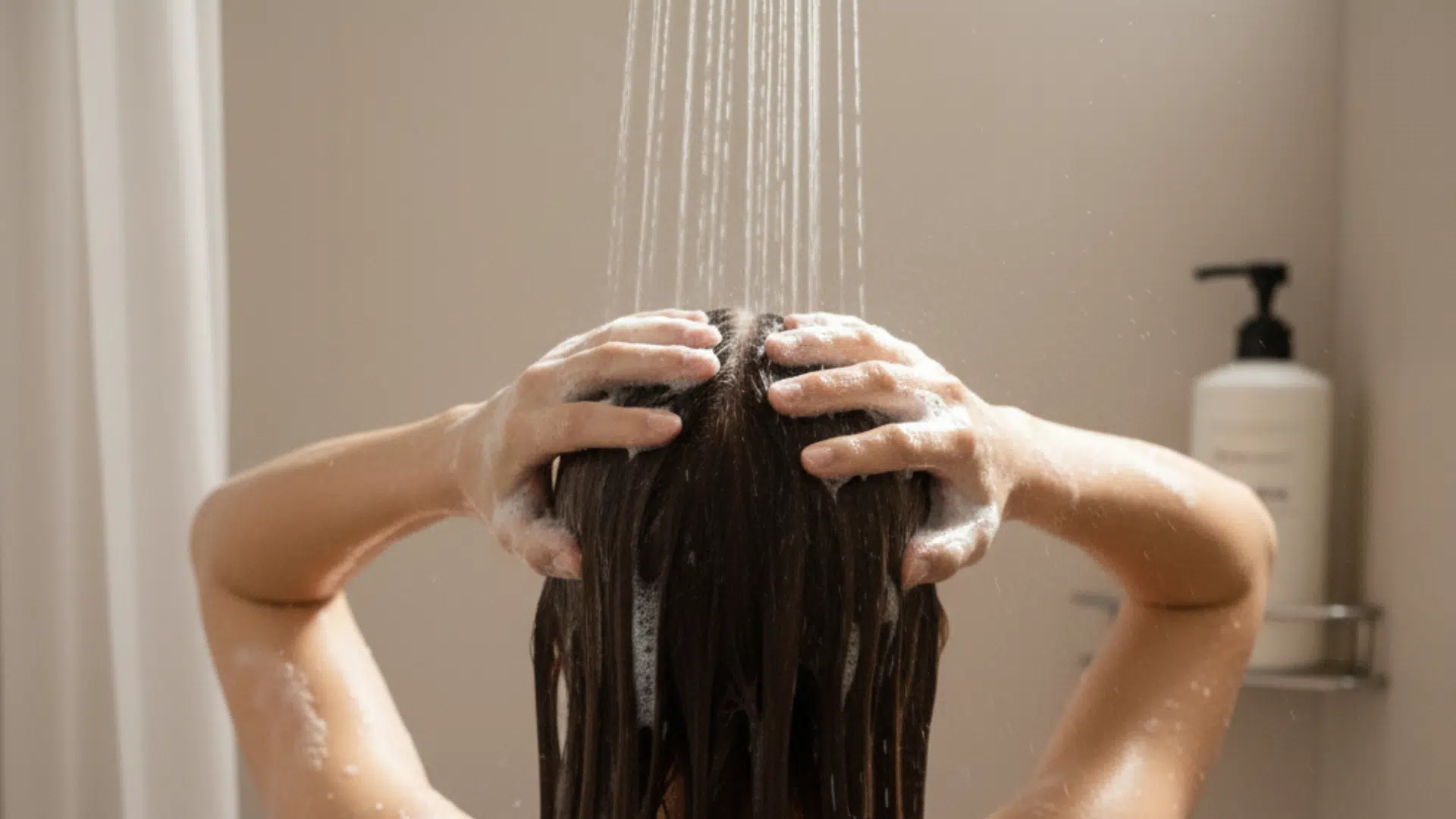
Type 1A hair gets oily fast, so washing every day or every other day is often necessary.
Use a gentle, sulfate-free shampoo that won’t strip natural oils completely. Focus the shampoo on your scalp and roots, where oil tends to build up.
Let the suds rinse through the ends instead of scrubbing them directly to prevent damage.
2. Choose Lightweight Products
Heavy conditioners and styling products will weigh down fine, straight hair immediately.
Look for products labeled as volumizing or lightweight formulas. Apply conditioner only to the mid-lengths and ends, never the roots.
Skip leave-in conditioners unless your ends are very dry, and use only a tiny amount when you do apply them.
3. Avoid Over-Conditioning
Type 1A hair doesn’t need as much moisture as curly or textured hair types.
Too much conditioner makes the hair look greasy and flat against the scalp. Use conditioner sparingly and rinse it out thoroughly with cool water.
Consider conditioning every other wash instead of every time if your hair feels heavy or limp after washing.
4. Use Dry Shampoo Strategically
Dry shampoo absorbs excess oil and adds volume between washes when used correctly.
Apply it to the roots before bed, so it has time to work overnight. Brush it through in the morning to distribute it evenly and remove any white residue.
Don’t overuse it, though, as buildup can make hair look dull and feel dirty over time.
5. Get Regular Trims
Fine, straight hair shows split ends more obviously than thicker or textured hair types do.
Schedule trims every six to eight weeks to keep ends looking healthy and prevent breakage. Ask your stylist for layers to create the illusion of more volume and movement.
Blunt cuts can make Type 1A hair look even thinner and more lifeless than it already appears.
Products for 1A Hair
Finding the right products for Type 1A hair can be tricky since most formulas are too heavy.
These specially designed products work well with fine, straight hair without weighing it down or making it greasy.
OUAI Fine Hair Shampoo
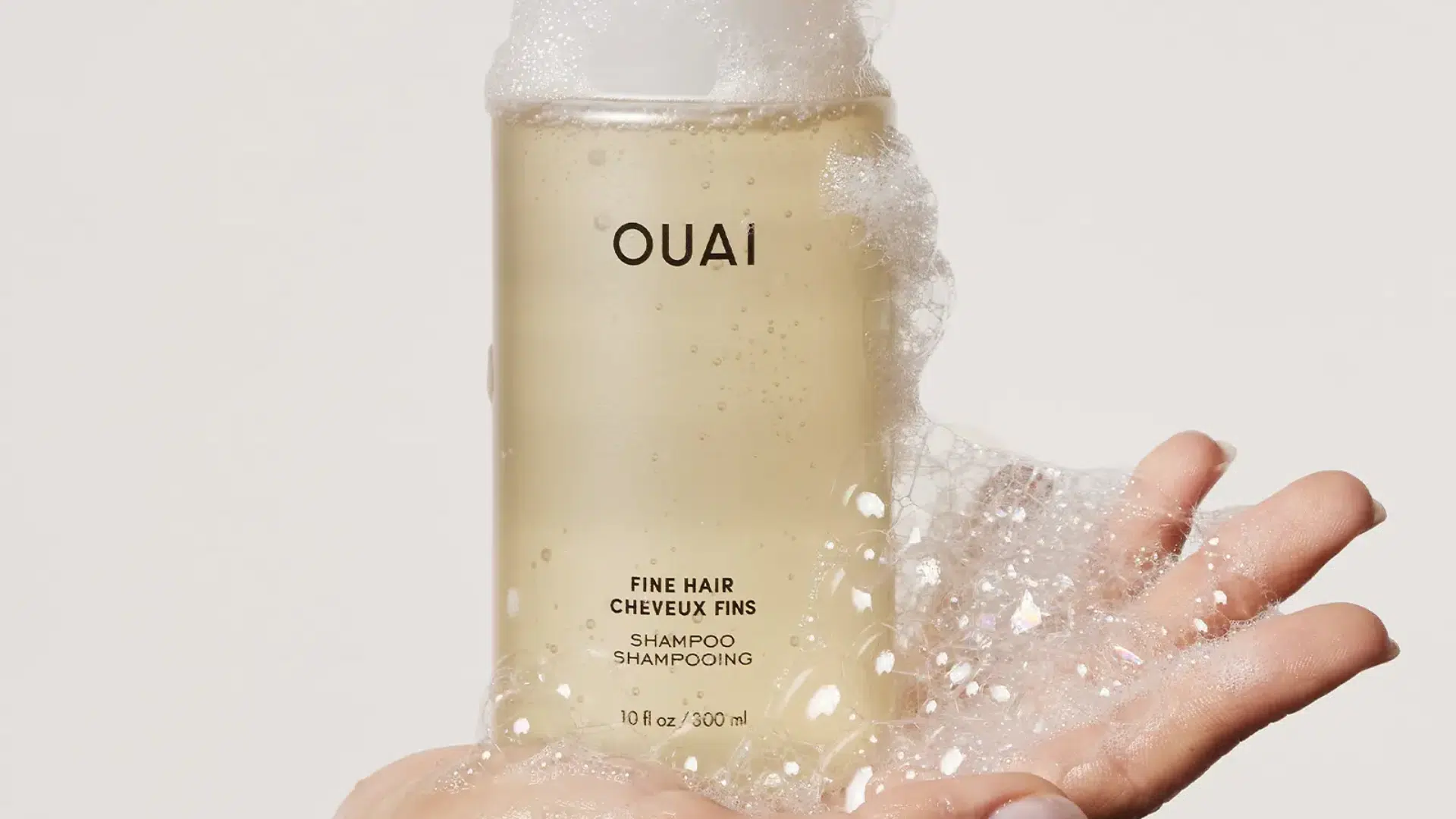
OUAI shampoo cleanses oily roots without completely drying hair.
It contains biotin and chia seed oil to strengthen fine strands while adding subtle volume and body.
Patchouli Tangerine+Sea Salt Volumizing Conditioner
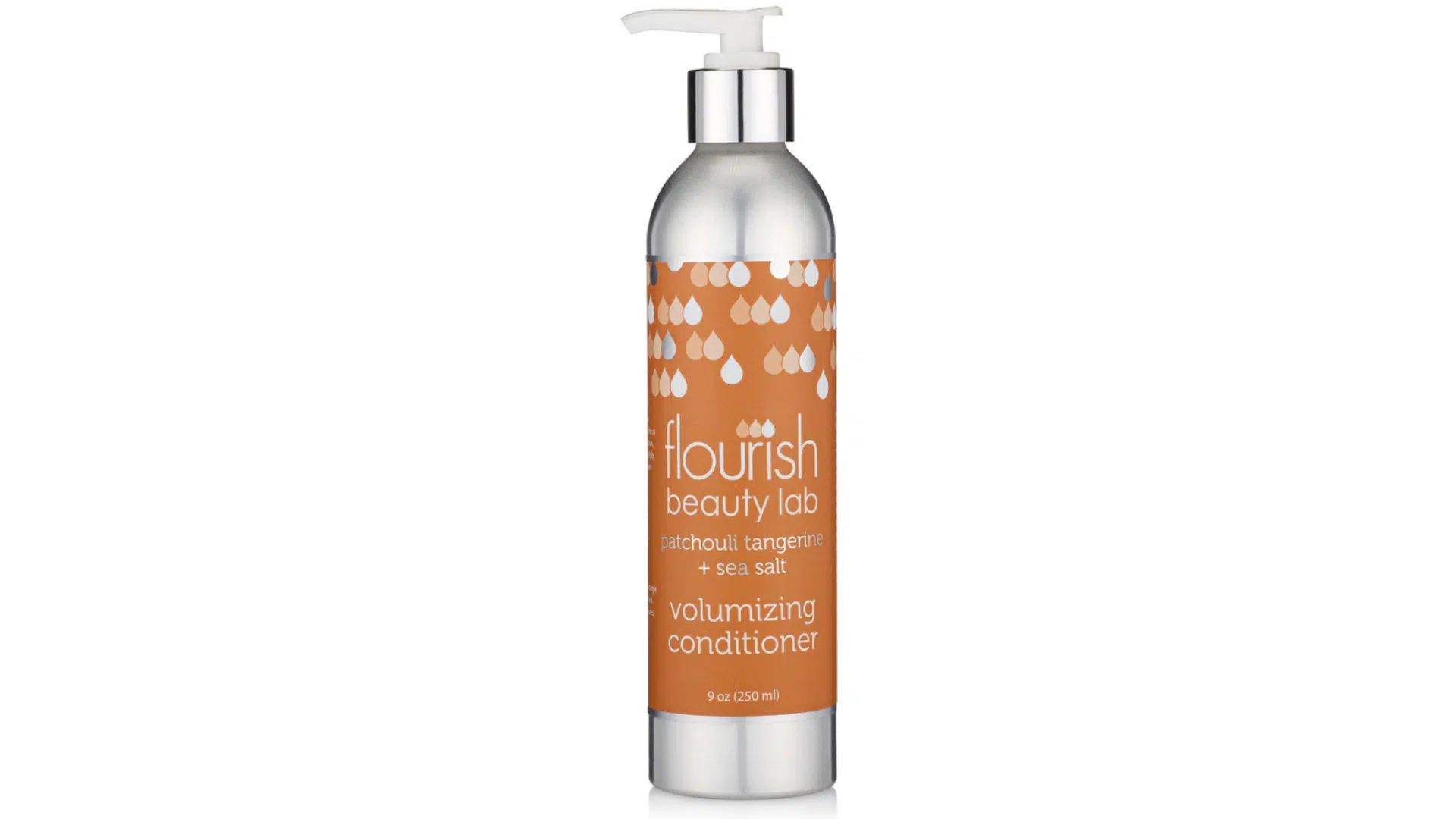
Patchouli conditioner uses sea salt to create natural texture and fullness in fine hair.
The lightweight formula moisturizes without weighing hair down, while the citrus scent leaves strands smelling fresh all day.
OUAI Fine to Medium Hair Treatment Masque
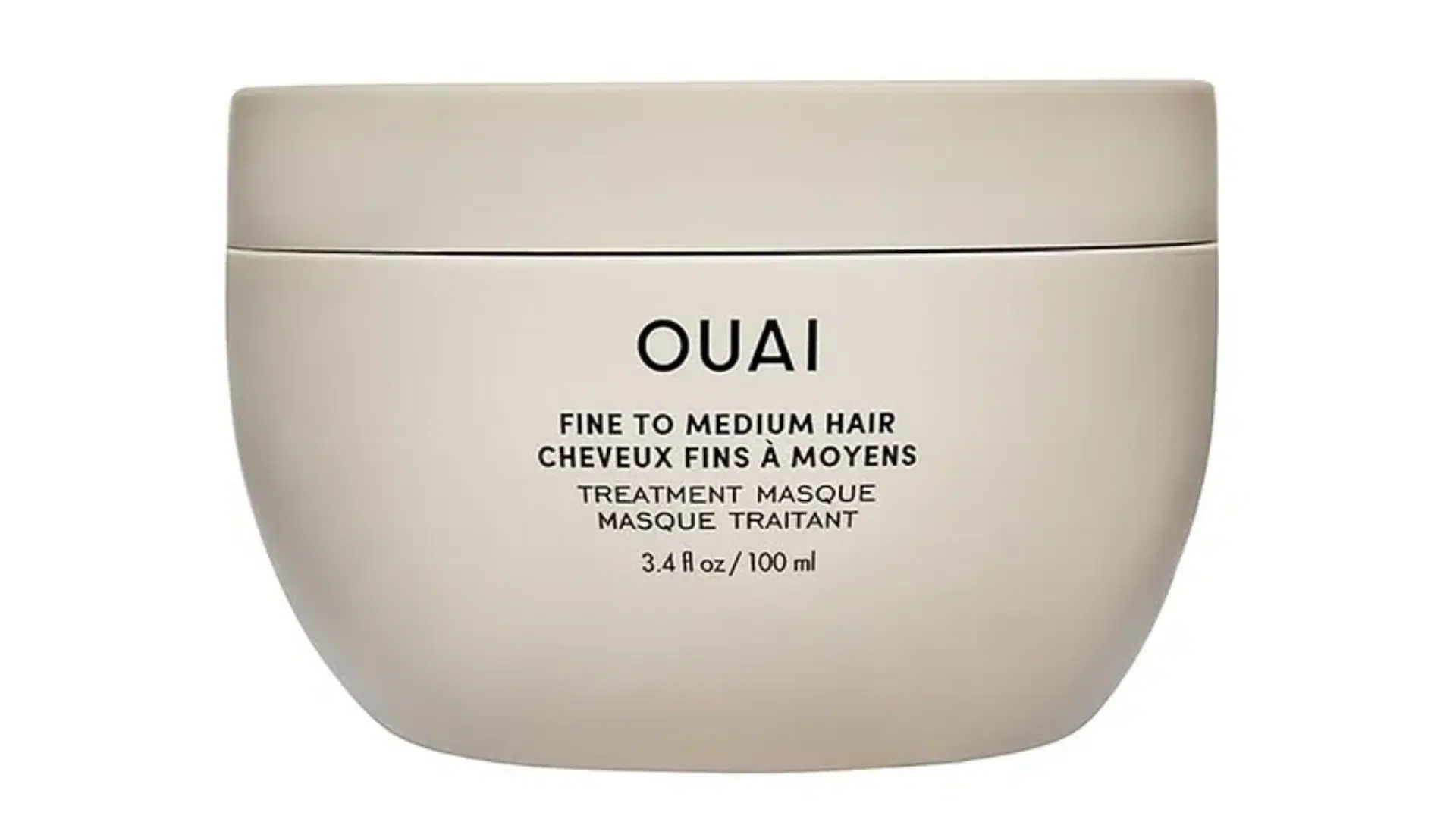
OUAI treatment nourishes dry ends while keeping hair light and bouncy.
It repairs damage without the heaviness that regular deep conditioners typically leave on fine, straight hair.
Olaplex Volumizing Blow Dry Mist
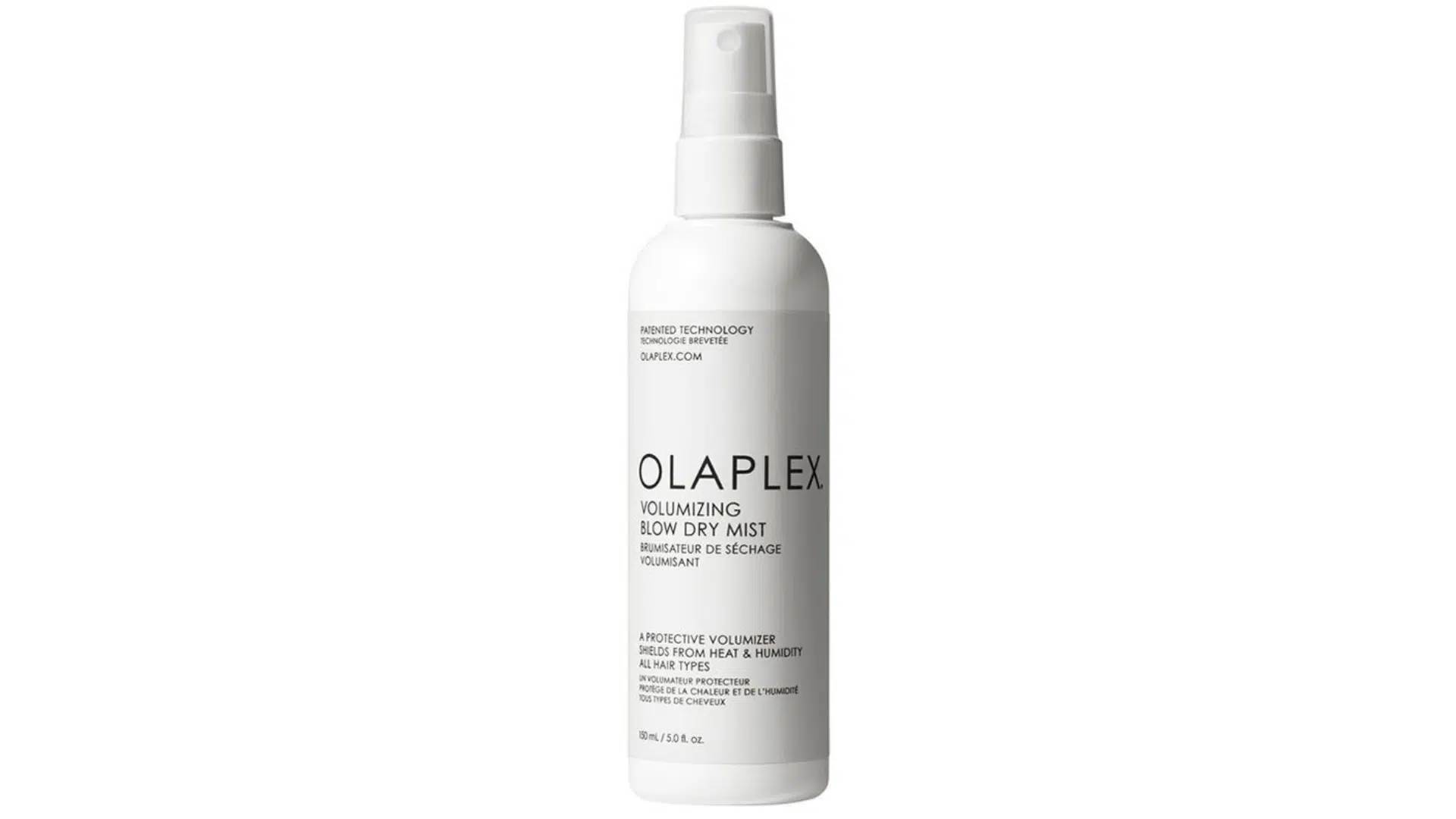
Olaplex Mist heat-protecting spray adds lift at the roots while you blow-dry your hair.
It repairs bonds in damaged strands and creates lasting volume without stickiness or crunchiness throughout the day.
Myths About the Rarest Hair
Many misconceptions surround Type 1A hair because so few people actually have it. These myths can lead to poor hair care choices and unrealistic expectations.
1. It’s Always Healthy and Strong
Many people assume straight hair is naturally healthier than curly hair.
The truth is, Type 1A hair is quite fragile and prone to breakage due to its fine texture.
2. It Never Needs Conditioner
Some think straight hair doesn’t need conditioning since it’s not dry or frizzy.
But the ends still need moisture to prevent split ends and damage from daily wear and environmental factors.
3. It’s Easy to Style
People believe straight hair is low-maintenance and simple to work with daily.
Reality shows it’s hard to add volume or hold any style because the smooth strands slip and fall flat quickly.
4. Oil Treatments Work Well
Many assume that oil treatments will nourish and improve the appearance of Type 1A hair.
However, these treatments usually make the hair look greasy and weighed down because oil travels down the hair shaft too easily.
5. Everyone in Asia Has It
There’s a common belief that all East Asian people have Type 1A hair naturally.
The reality is that even in East Asia, this hair type is relatively uncommon, and many people have different textures.
6. It Doesn’t Get Damaged
People think perfectly straight hair is immune to damage since it looks so smooth.
But fine, straight hair actually shows damage more obviously and breaks more easily than thicker, coarser hair types do.
7. Braids and Updos Hold Easily
The assumption is that straight hair works well for all hairstyles, including braids.
The slippery texture makes braids fall apart, and bobby pins slide out constantly throughout the day.
What is the Rarest Hair Color?
Red hair is the rarest natural hair color in the world.
Only 1-2% of the global population has naturally red hair.
This color comes from a genetic mutation in the MC1R gene. Most redheads live in Scotland and Ireland, where the percentage reaches about 10-13%.
The gene is recessive, which means both parents must carry it for a child to have red hair. Natural red hair often comes with fair skin and freckles.
It also tends to be thicker than other hair colors but has fewer strands overall on the scalp.
Wrapping Up
Type 1A hair stands out as the rarest hair type worldwide. It affects fewer than 2% of people globally.
This hair type needs frequent washing, lightweight products, and special techniques to create volume.
If you have Type 1A hair, work with its natural texture rather than fight it. Choose products designed for fine, straight hair.
Get regular trims and avoid heavy styling products that weigh it down.
Knowing your hair type is the first step toward healthier, better-looking hair. Take care of what makes your hair unique.