

Canlice live in any hair type? Here’s something most people get wrong.
Have you ever wondered if lice really care about hair texture?
I used to think certain hair types were completely safe. Turns out, I was wrong. Can black people get lice? The answer surprised me when
I first learned the truth. Do black people get lice as often? That’s an even more interesting question.
I’m sharing what I’ve learned about this common myth. The real facts might change how you think about lice forever.
Understanding Head Lice
Head lice are tiny bugs about the size of a sesame seed. They live on your scalp and feed on blood.
Quick Facts:
- Female lice lay eggs (nits) near your scalp
- Eggs hatch in about a week
- Lice cannot jump or fly, only crawl
- They spread through head-to-head contact
- Die within two days off your head
- Clean or dirty hair makes no difference
These parasites are about the size of a sesame seed when fully grown.
They’re brownish and have six legs with claws at the end. Those claws help them grip onto hair strands.
Can Black People Have Lice?
Yes, Black people can get lice. This is a fact, not a maybe.
The idea that African American hair is safe from lice is wrong. Anyone with hair on their head can become a host for these tiny bugs.
Lice don’t check your skin color before moving in. They need hair and a warm scalp to survive.
But here’s the truth about the numbers. Black people do get lice far less often than others.
Studies show that only about 0.3% of African American children get lice. Compare that to 10% of white children. That’s a huge gap.
Why the Lower Rate?
African American hair has a unique shape. The hair shaft is oval, not round. Lice have tiny claws made to grip round hair.
Coily hair makes it challenging for them to hold on and crawl around.
Hair products play a role, too. Many Black people use oils, creams, and sheens regularly. These create a slippery coating on each strand. Lice struggle to get a good grip on greasy hair.
Still, lower risk doesn’t mean no risk. If lice get on your head through close contact, they can stick around.
Do Black People Get Lice – Why Does this Myth Exist?
The belief thatBlack people are immune to lice is entirely false.
This old myth has caused too much harm for too long. It’s time to replace bad information with facts that actually protect you and your family.
How it Started?
A study from the 1980s showed a massive difference in lice rates.
Only 0.3% of Black children had lice compared to 10% of white children. People looked at these numbers and made the wrong conclusion.
They thought Black people were completely immune instead of just less likely to get lice.
Why it Spreads?
The numbers seemed so extreme that the myth felt true.
Parents told other parents. Teachers believed it. Even some medical professionals accepted it as fact.
The myth passed down through generations without anyone questioning it.
The Real Science Behind the Numbers
Black hair does offer natural resistance. The oval shape makes it harder for lice to grip. Hair oils and protective styles add extra barriers.
But resistance is not the same as immunity. Lower rates simply mean lice prefer easier targets, not that they cannot infest Black hair at all.
Can Black People Have Lice with Braids?
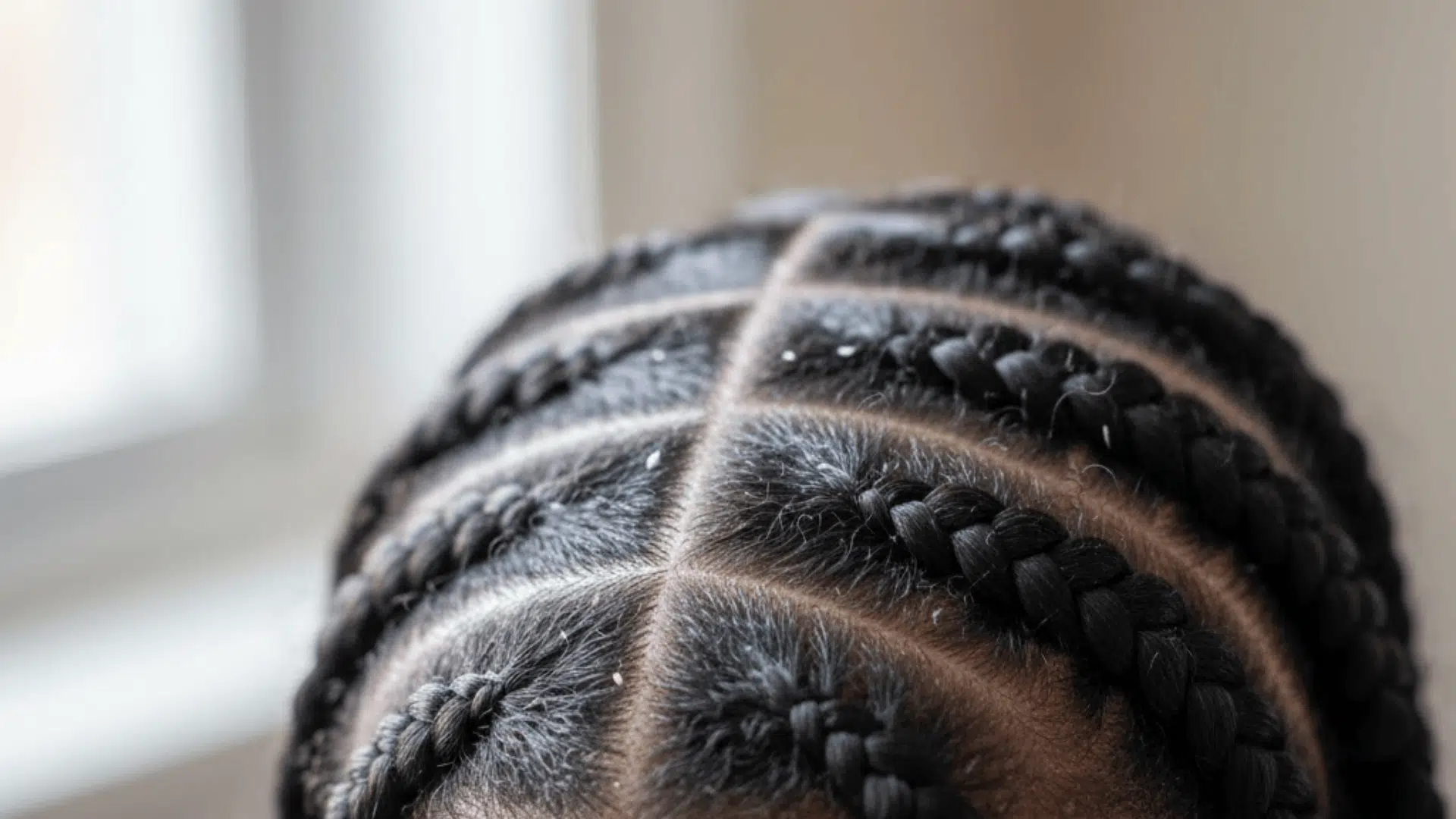
Braids don’t make you immune to lice. But they do help protect you.
Protective styles like braids, locs, buns, and twists keep your hair close to your head. Lice spread mainly through hair touching hair.
When your hair is braided up tight, there’s less loose hair hanging around for lice to grab onto.
How Braids Offer Protection:
- Less hair exposure means fewer chances for lice to transfer
- Tight styles make it more complicated for bugs to crawl from one head to another
- Braided hair has fewer access points for lice to reach your scalp
But don’t feel too safe. Lice can still get into braided hair if you have close head contact with someone who has them.
The bugs are minor and determined.
Checking braided hair for lice is tricky.
You need to take out the braids to do a proper check. Look at the scalp closely.
Check behind the ears and at the back of the neck.
How to Prevent Head Lice in Black People?
Prevention works better than treatment. Here’s how to protect yourself and your family.
Key Prevention Steps:
- Avoid head to head contact; Lice crawl from one head to another, so keep distance during play and photos.
- Don’t share personal items: Combs, brushes, hats, and hair accessories can transfer lice between people.
- Use protective hairstyles: Braids, buns, and locs keep hair contained and reduce loose strands for lice to grab.
- Apply hair oils regularly; Oils create a slippery coating that makes it hard for lice to grip your hair.
- Do weekly scalp checks: Look behind ears and neck to catch lice early when treatment is easier.
- Educate your kids: Teach children that anyone can get lice and to report itching immediately.
Can White People Have Lice?
White people get lice more than any other group. The numbers don’t lie.
Around 10% of white children will get lice at some point. Lice in the United States have claws built perfectly for grabbing round hair shafts.
White, Asian, and Hispanic people typically have rounder hair. This makes it easy for lice to climb, grip, and lay eggs.
Straight or slightly wavy hair gives lice a smooth highway to your scalp. They can move fast and spread their eggs along the hair shaft with no problem.
Common Signs in White or Light Hair:
- Tiny brown bugs are crawling on the scalp
- White or light brown eggs stuck near the roots
- Itching that won’t stop
- Red bumps from scratching
Signs of Lice in African American Hair
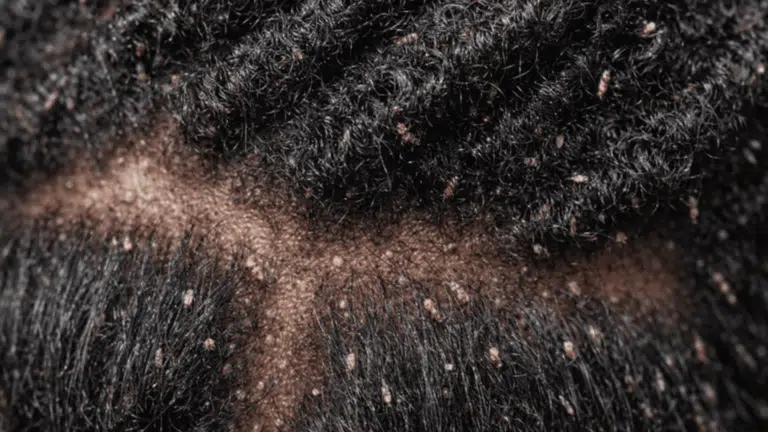
Spotting lice in Black hair takes extra effort. The bugs blend in with dark strands.
Look for these warning signs:
-
Intense itching: Constant scalp itching caused by an allergic reaction to lice bites. The itching may not appear immediately and can take 4–6 weeks after infestation to start.
-
Tiny white or brown specks (nits): Lice eggs attached firmly to hair strands close to the scalp, usually about a quarter inch from the roots. Unlike dandruff, they do not brush off easily.
-
Crawling sensation: A feeling of movement in the hair caused by adult lice, which are about the size of a sesame seed and difficult to see, especially in dark hair.
-
Sores on the scalp: Repeated scratching can create open wounds that may become infected, appearing as red or crusty spots.
Where to check first:
- Behind both ears
- Back of the neck
- Crown of the head
How to Do a Proper Check?
Sit under bright light. Use a fine-tooth comb to part the hair into small sections. Look at the scalp carefully.
Adult lice will try to run away from light. Nits won’t move because they’re stuck to the hair.
The tight curls and thick texture of African American hair make lice hide better. Take your time. Check slowly and thoroughly.
How Can Head Lice be Treated?
Treating lice in Black hair requires special care because of the hair’s texture and structure.
Step 1: Remove All Hair Extensions and Wigs
Take out braids, weaves, wigs, and any hair pieces before starting treatment. You need full access to your natural hair and scalp.
Step 2: Apply Oil Treatment
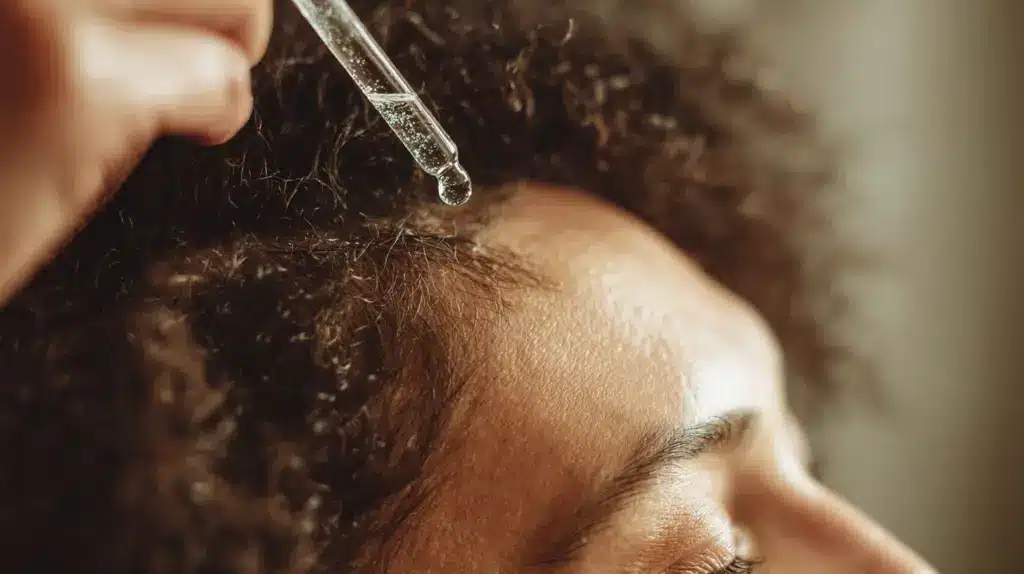
Coat your hair with coconut oil, olive oil, or a special lice treatment oil.
This helps suffocate the lice and makes combing easier. Leave it on for several hours or overnight.
Step 3: Section and Comb Thoroughly
Divide your hair into small sections.
Use a fine tooth lice comb on each section. Comb from the scalp to the ends.
Wipe the comb on a white paper towel after each pass. You’ll see the lice and nits on the towel.
Step 4: Use Proper Products
Over the counter lice shampoos can work but may be harsh on Black hair. Look for treatments designed for textured hair.
Some lice have become resistant to common treatments, so stronger options might be needed.
Step 5: Repeat Treatment
Check and comb your hair every day for at least two weeks.
Repeat any chemical treatment after 7 to 10 days. This kills any newly hatched lice from eggs you missed.
Step 6: Clean Your Environment
Wash all bedding, hats, and clothing in hot water. Vacuum furniture and carpets. Soak combs and brushes in hot water for 10 minutes.
Why is Lice Less Common in Black People?
Your hair has built-in defenses that most people don’t even know about.
The shape, the products, and even your hairstyle choices all work together to keep these bugs away.
Hair Shaft Shape
African American hair grows oval. Other hair types are mostly round. Lice claws evolved to grip round shafts.
When they try to grab oval hair, they can’t get a good hold.
This doesn’t mean it’s impossible. But it makes the lice work much harder. They struggle to climb up to the scalp.
Hair Products Create a Barrier
Many Black people use hair oils, creams, sheens, and waxes as part of their routine.
These products coat each hair strand. The coating makes hair slippery and smooth.
Lice need to grip hair tightly to move around. Oily or greasy hair makes them slip and slide.
Protective Hairstyles Limit Exposure
Braids, buns, locs, and twists keep hair contained.
Less loose hair means fewer chances for lice to jump from one head to another. Head-to-head contact is how lice spread most often.
When hair is styled up tight, there are fewer strands hanging down for bugs to grab.
The Numbers Tell the Story
Only 0.3% of African American schoolchildren get lice. That’s one reason why the myth started that Black people are immune.
The rate really is much lower.
But lower doesn’t mean zero.
Research in African countries shows lice do exist there. Studies in Ghana found 50% of children had lice. This proves lice can adapt to coily hair when that’s the main hair type available.
Which Ethnicity Gets Lice the Most?
Caucasian people top the list for lice cases.
Black people, especially those with coily hair, can get head lice, but it is less common. Lice struggle to grip oval-shaped, coily hair and oil-based products.
However, infestation is still possible, symptoms are similar, and treatment methods remain the same for all hair types.
Here are the facts by race:
| Ethnicity | Lice Rate | Hair Shaft Shape | Why This Rate? |
|---|---|---|---|
| White/Caucasian | ~10% | Round | Lice claws are designed for round hair shafts |
| Hispanic/Latino | ~10% | Round to slightly oval | Similar hair structure to Caucasian |
| Asian | 5-8% | Round, very straight | Easy for lice to grip and climb |
| African American/Black | Less than 0.5% | Oval, coily | Hair shape and oils make gripping difficult |
Why the Big Difference?
Lice evolve based on their environment. In the United States, most lice have adapted to round hair shafts.
They pass this trait to their babies. Generation after generation, the lice get better at gripping round hair.
African hair shapes are less common in the US compared to round hair. So lice haven’t needed to adapt. They go for the easy targets instead.
Girls vs boys: Across all races, girls get lice more than boys. They have more head to head contact during play and social time.
Age matters: Kids between 3 and 11 years old get lice most often. This applies to all races. Why? Because they play close together. They share hats and hair accessories.
About 6 to 12 million lice cases happen every year in the US among this age group alone.
Remember, getting lice has zero connection to being clean or dirty. Rich kids, poor kids, kids who shower twice a day, all can get lice.
Busting the Biggest Lice Myth About Black Hair
The belief that Black people are immune to lice is entirely false.
This old myth has caused too much harm for too long. It’s time to replace bad information with facts that actually protect you and your family.
Why This Myth is Dangerous:
- Parents skip checking their kids for lice
- Schools ignore Black children during screenings
- People delay treatment, thinking it’s impossible
- Even some doctors misdiagnose lice as dandruff
Where the Myth Came From:
- Only 0.3% of Black kids get lice vs 10% of white kids
- People see low numbers and think zero
- The vast gap led to wrong conclusions
The Real Truth:
- Black people CAN and DO get lice
- Lower rate doesn’t mean
- Believing the myth puts your family at risk
Wrapping Up
Now you know the truth. Can black people get lice? Absolutely, yes.
Do black people get lice frequently? No, but it happens more than most realize.
I hope this clears up the confusion once and for all. Your hair texture helps protect you, but it’s not a shield. Check your scalp after any close contact.
Teach your family these facts. Don’t let myths put anyone at risk.
Stay informed and stay vigilant.
Frequently Asked Questions
1. What are the Challenges of Treating Lice in African American Hair?
Tight curls hide bugs and eggs easily. Standard combs get stuck and cause breakage. Chemical treatments can dry out and damage textured hair more than straight hair.
2. What Lice Treatment Products are Effective and Safe for African American Hair?
Coconut oil, olive oil, and tea tree oil work well without harsh chemicals. The AirAllé heated air device is effective for all hair types. Use gentle, sulfate free shampoos.
3. Can You Get Lice from Braids or Wigs?
Yes, if lice are already present before styling. Lice can survive in braided hair. Always check your scalp before getting braids or wearing wigs to prevent trapping bugs.
4. How Long Does it Take to Get Rid of Lice in Black Hair?
Treatment takes about two weeks with daily combing. You need to repeat chemical treatments after seven to ten days. Thorough checking and combing removes all lice and eggs.