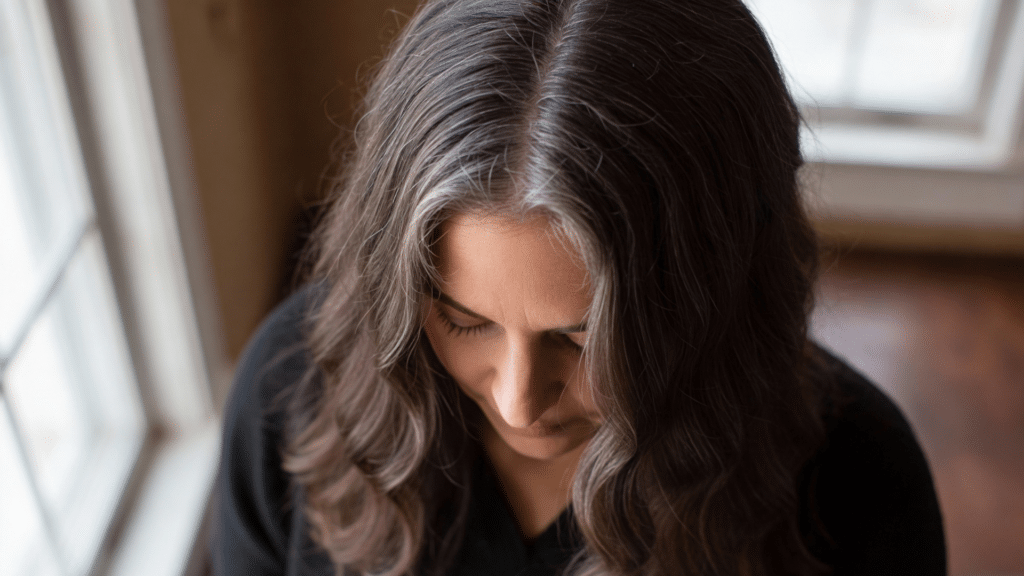


Gray hair shows up when you least expect it. It can make people feel older than they are, and that first silver strand often brings a mix of emotions.
This blog shows you the best ways to cover gray hair that work for everyone.
Whether you have a few grays or a full head of silver, you’ll find methods that fit your lifestyle and budget.
By the end, you’ll know exactly which method suits your needs best.
What Causes Gray Hair?
Gray hair happens to everyone eventually.
Some people see their first silver strands in their twenties, while others don’t notice any change until their fifties.
Loss of Melanin Production
Hair gets its color from melanin, a pigment produced by cells called melanocytes. As people age, these cells slow down and eventually stop making melanin altogether.
Without this pigment, new hair grows in without color, appearing gray or white instead of the original shade.
Natural Aging Process
The body changes as years pass, and hair color is one visible sign.
Most people notice their first gray hairs between the ages of 30 and 40. By age 50, about half of all people have significant gray coverage.
This is completely normal and happens to everyone at different rates.
Stress and Lifestyle Factors
High stress levels can speed up the graying process.
Poor nutrition, lack of sleep, and smoking also contribute to premature gray hair. While stress alone won’t turn hair gray overnight, chronic stress over months or years does affect melanin production.
A healthier lifestyle might slow the process down somewhat.
Medical Conditions and Deficiencies
Certain health issues cause early graying. Thyroid problems, vitamin B12 deficiency, and autoimmune diseases can affect hair pigmentation.
Anemia and other nutritional deficiencies also play a role.
If gray hair appears suddenly or at a very young age, it’s worth consulting a doctor to rule out underlying conditions.
Understanding Premature Graying
Premature graying means hair turns gray before age 30 for most people. It affects individuals differently based on their ethnic background and family history.
Some see their first gray hairs in their teens, which can feel alarming and unexpected.
Doctors consider graying premature when it happens significantly earlier than what’s typical for someone’s family.
For Caucasians, graying before 20 is early. For Asians, it’s before 25, and for African Americans, before 30.
Genetics remains the primary reason, but vitamin deficiencies, autoimmune conditions, and thyroid disorders can trigger it too.
Smoking doubles the risk of early graying. If concerned, people should consult a healthcare provider to check for underlying health issues.
Best Ways to Cover Gray Hair Without Coloring
Not everyone wants to commit to permanent hair color. Temporary solutions offer flexibility and convenience without the long-term commitment.
Spray-On Root Concealer
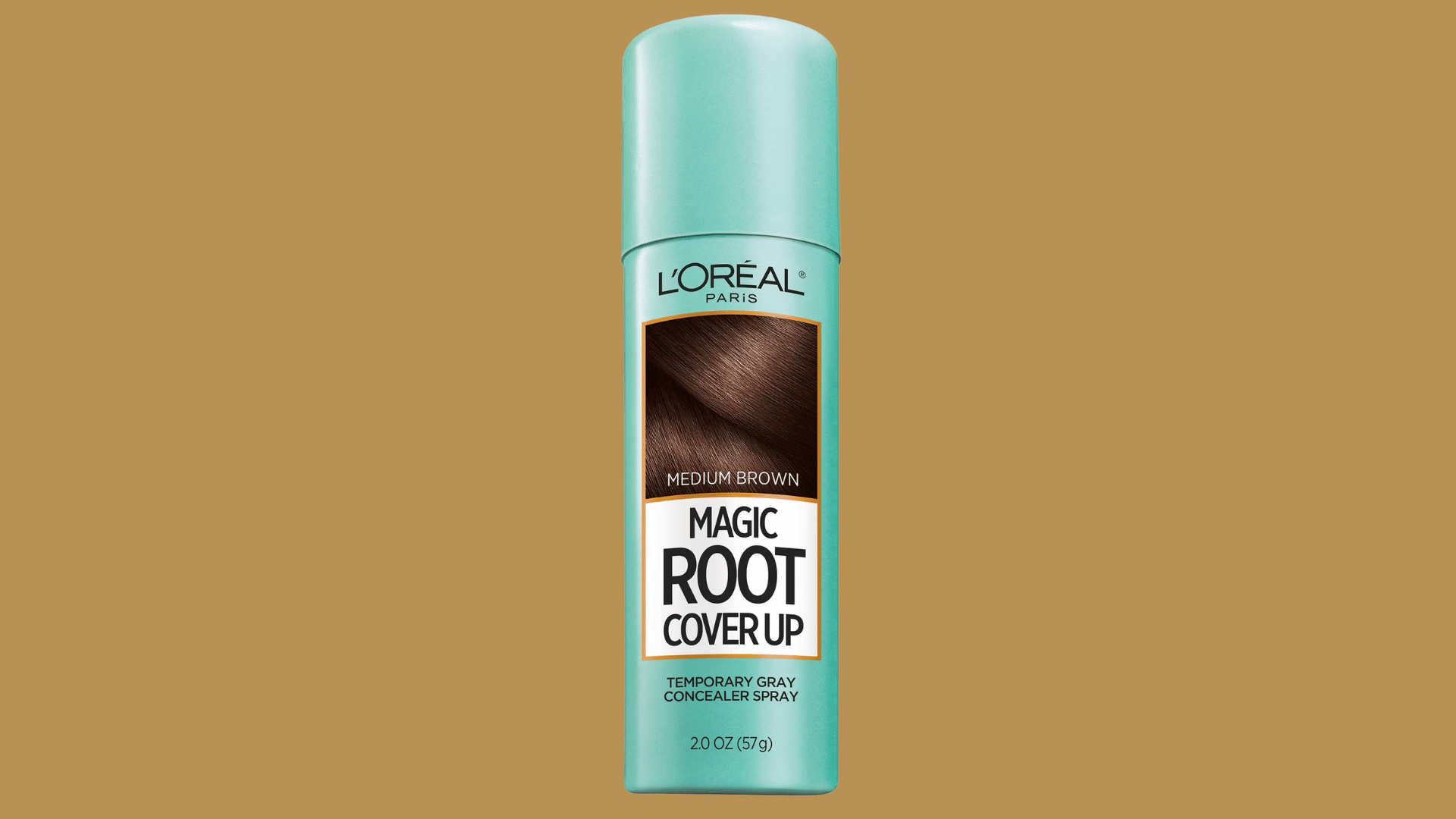
Root concealers come in aerosol cans and are sprayed directly onto gray roots. They provide instant coverage that lasts until the next shampoo.
Available in multiple shades, these sprays blend naturally with existing hair color. They’re perfect for touch-ups between salon visits or covering small gray patches.
The product dries quickly and doesn’t transfer onto clothes or pillows.
Product Suggestion: L’Oreal Paris Magic Root Cover Up Gray Concealer Spray, Medium Brown, Aerosol, 2 oz
Root Powders
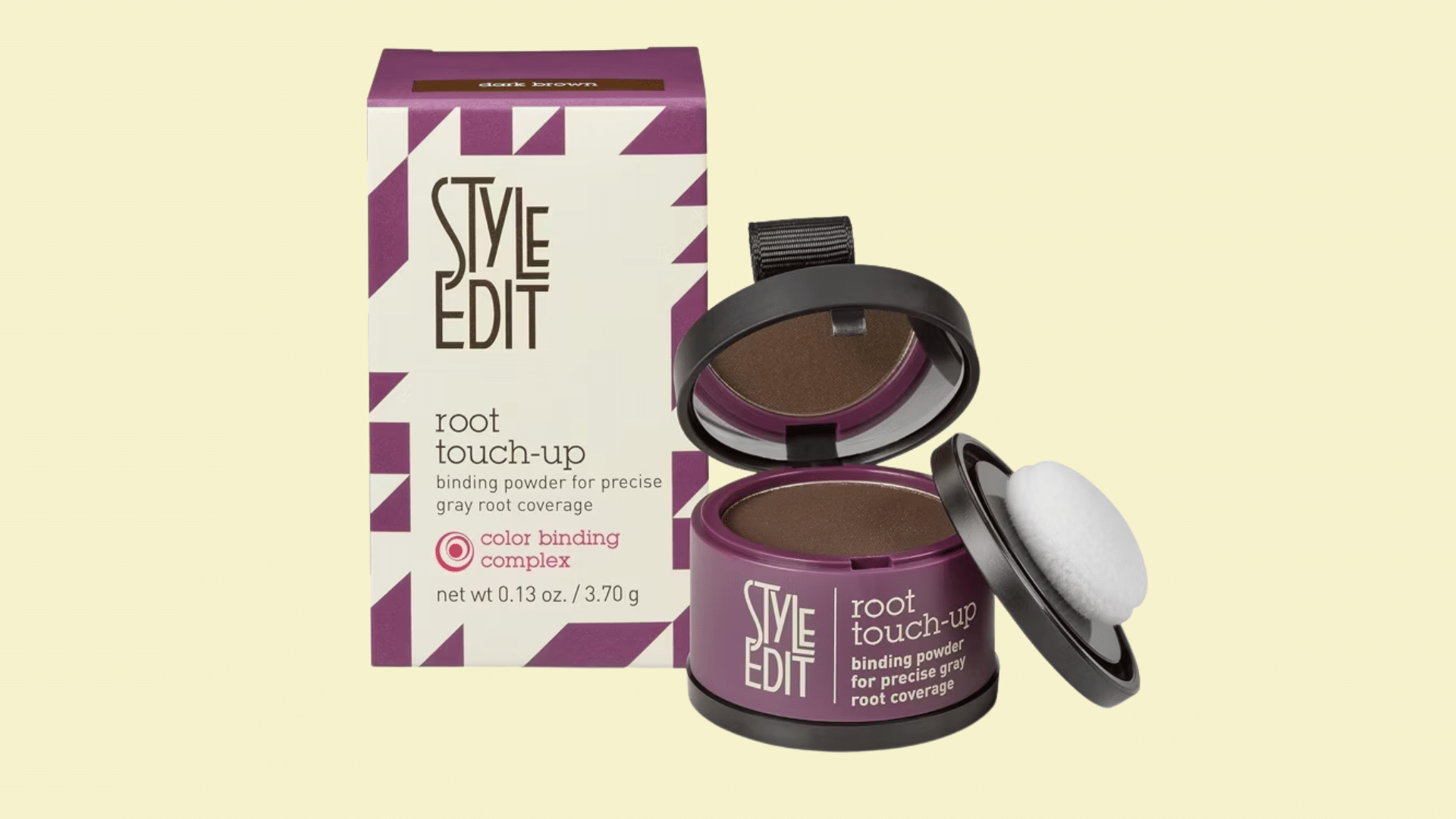
Root powders work like makeup for hair. Users apply them with a brush or applicator directly to gray areas.
The powder sticks to hair strands and scalp, creating natural-looking coverage. It washes out completely with shampoo, leaving no buildup or residue.
This method gives precise control over where color goes, making it ideal for targeted coverage.
Product Suggestion: Style Edit Root Touch Up Powder for DARK BROWN Hair (0.13 oz tub)
Hair Extensions
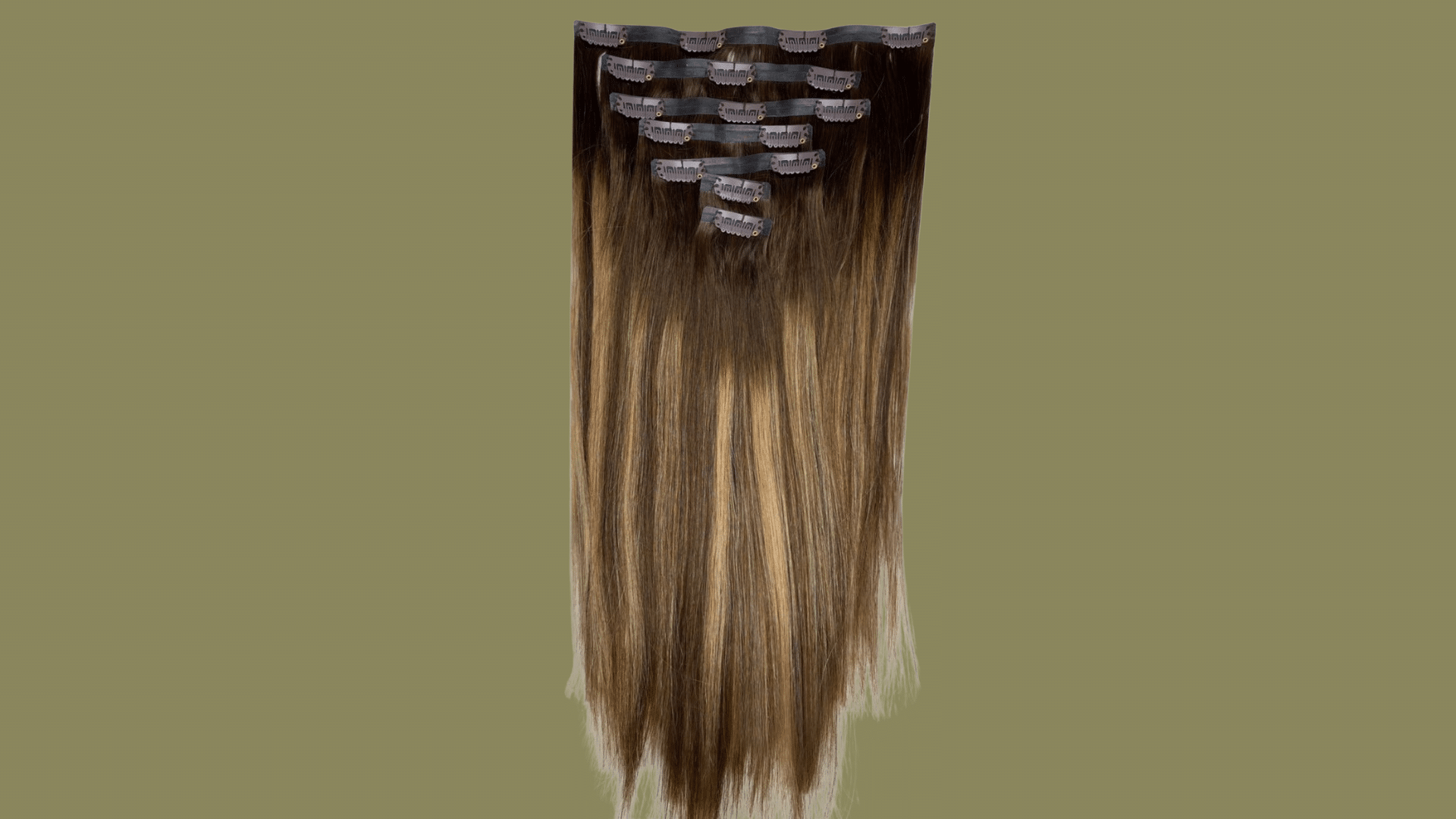
Extensions blend gray hair with colored strands instead of covering it completely.
A stylist adds lighter pieces throughout the hair, which camouflages the gray naturally. This technique works especially well for people with salt-and-pepper hair.
It requires less maintenance than all-over color since regrowth is less noticeable. Highlights also add dimension and depth to hair.
Product Suggestion: Blonde Highlights Seamless Clip-In Hair Extensions
Hair Mascara
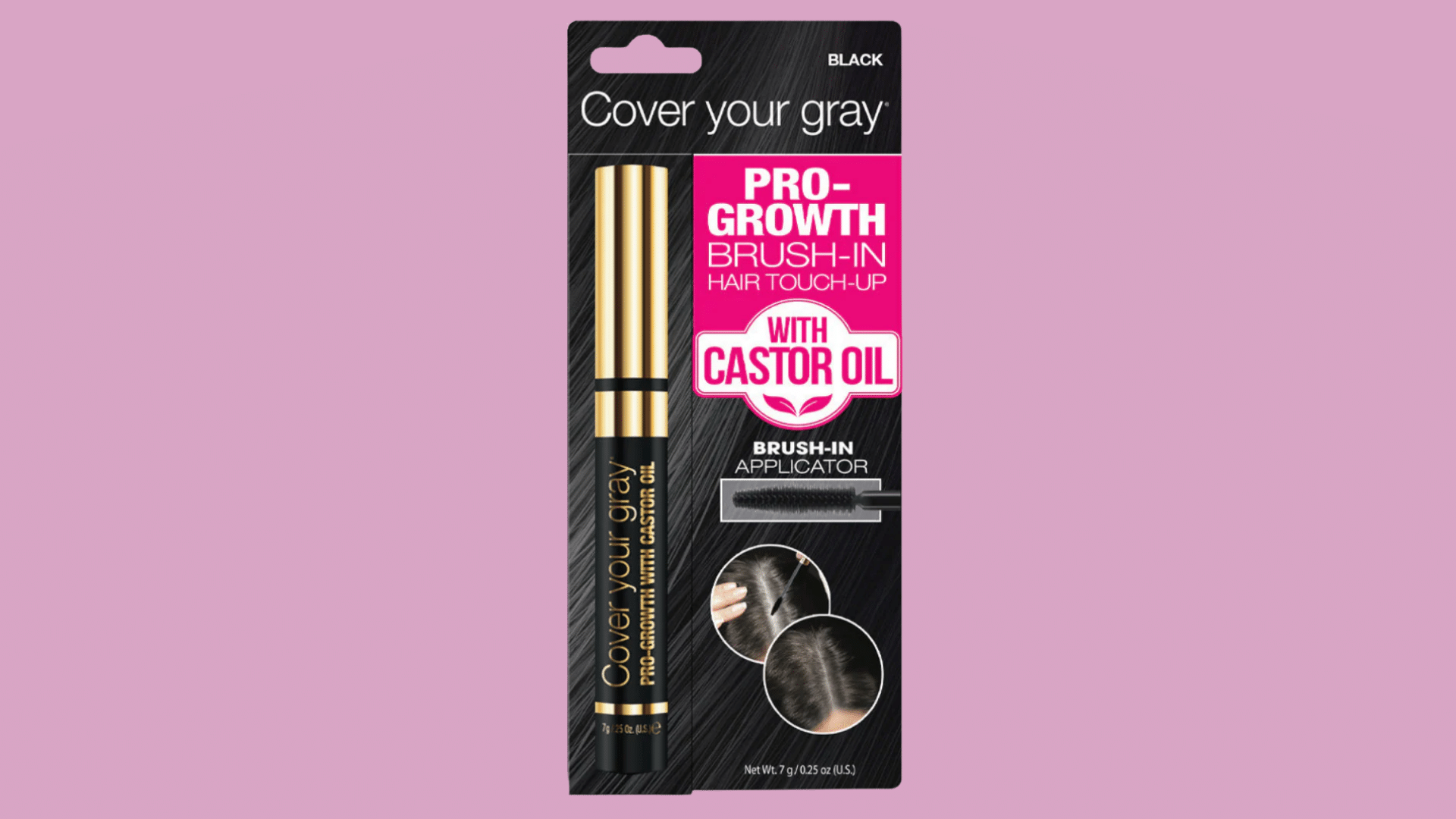
Hair mascara comes in a tube with a wand applicator, similar to regular mascara.
It coats individual gray hairs or small sections with temporary color. The formula dries quickly and stays put throughout the day.
It’s portable enough to carry in a purse for quick touch-ups. This method works best for minimal gray coverage or specific problem areas.
Product Suggestion: Cover Your Gray Pro-Growth Brush-in Hair Touch-up with Castor Oil
Tinted Dry Shampoo
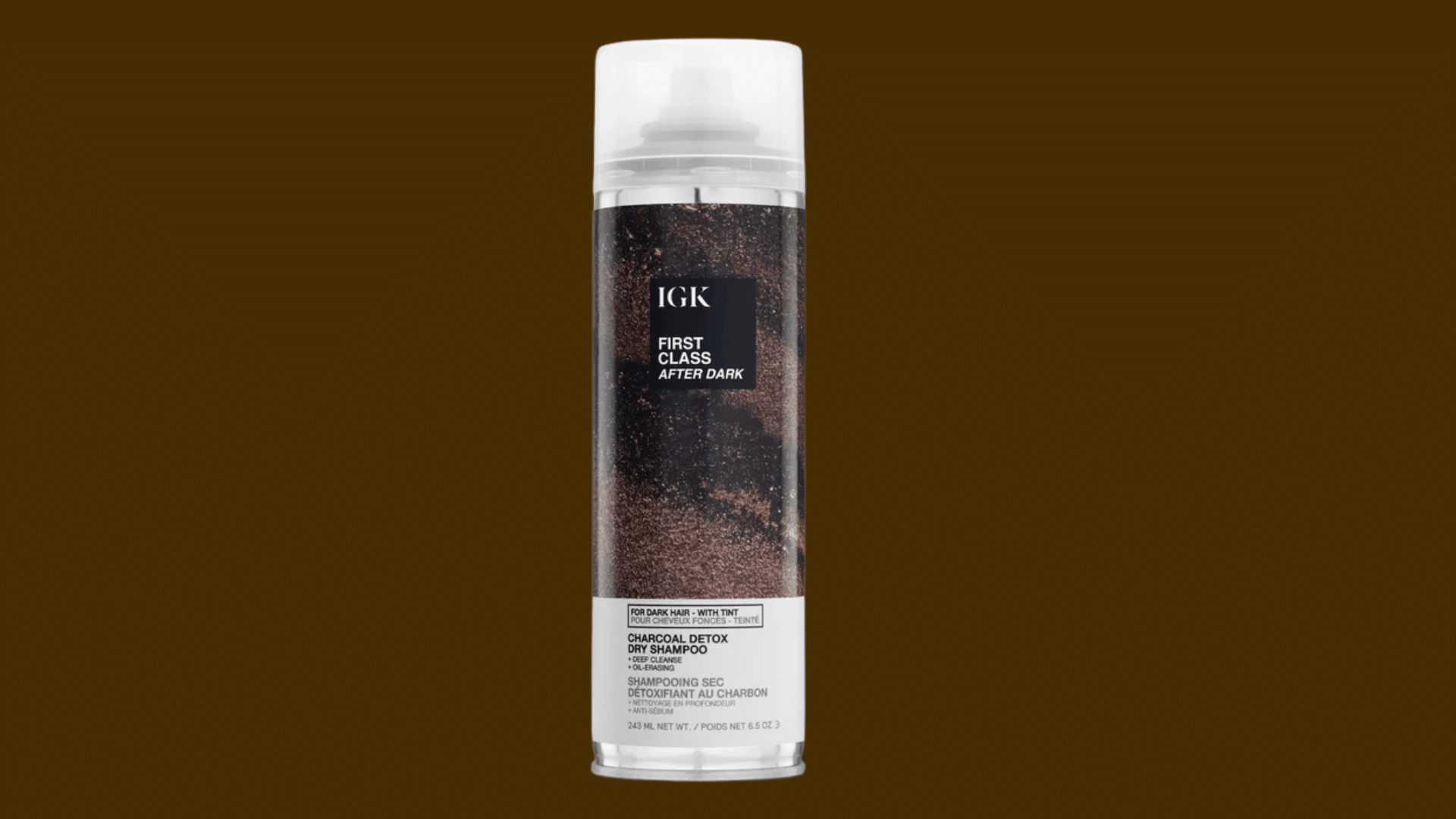
Tinted dry shampoo serves double duty by absorbing oil and covering gray roots.
It comes in various shades to match different hair colors. Users spray it onto roots, wait briefly, then brush through for even distribution.
The product adds volume while hiding gray between washes. It’s a time-saving option that addresses two hair concerns at once.
Product Suggestion: First class after dark tinted charcoal detox dry shampoo
How to Cover Gray Hair: Color Your Grays Away
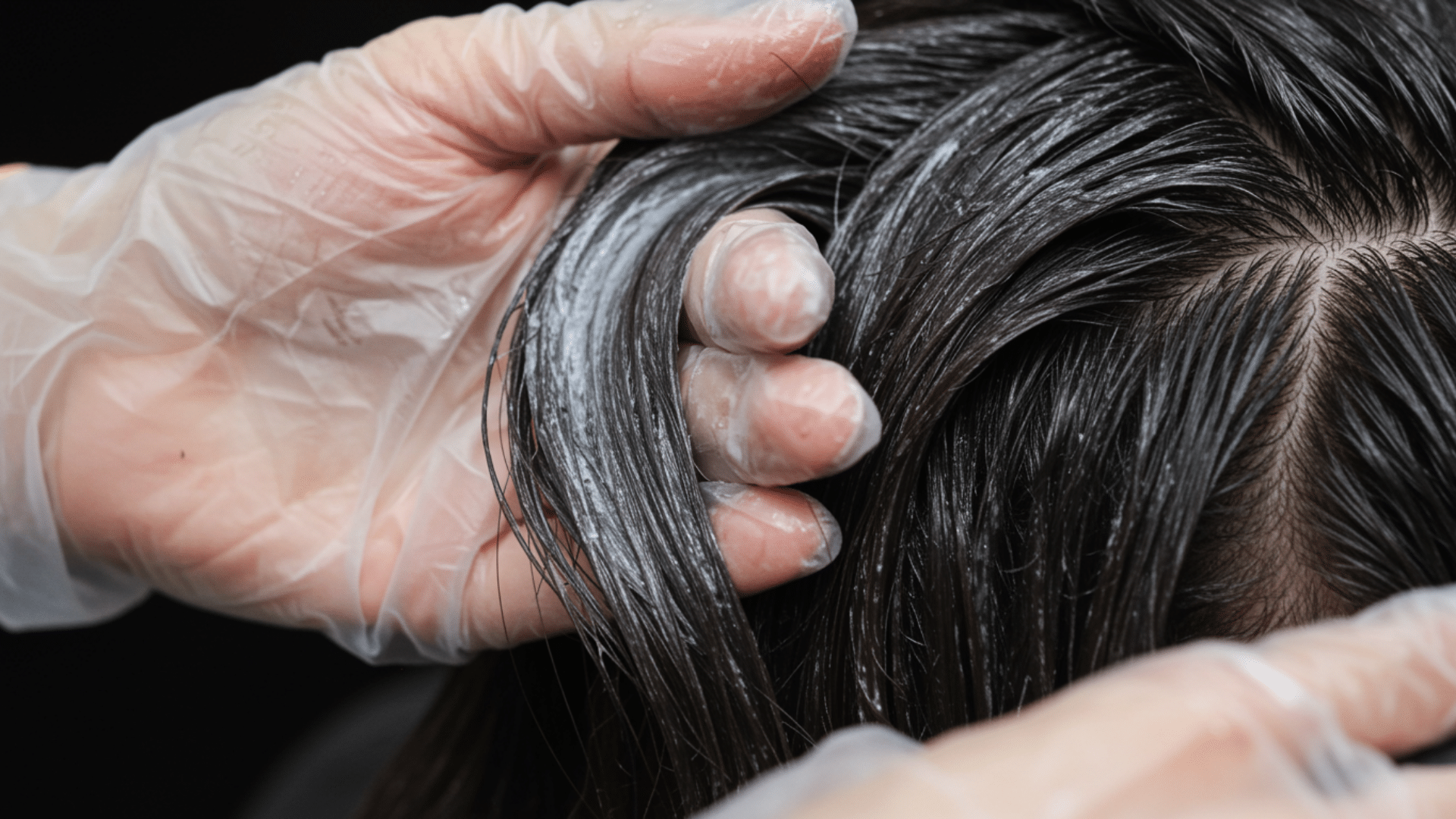
Permanent and semi-permanent coloring methods offer lasting solutions for gray coverage. These techniques range from full color transformations to subtle blending options.
1. Balayage
Balayage is a freehand painting technique that creates a natural-looking dimension.
Stylists hand-paint color onto select sections, blending gray seamlessly with the base color. The result looks sun-kissed and lived-in rather than obviously dyed.
It grows out gracefully without harsh lines, requiring fewer salon visits.
This method works beautifully for people wanting a low-maintenance yet stylish look.
2. Balayage Highlights
Balayage highlights specifically target gray areas while adding brightness throughout.
The stylist paints lighter shades around grays, making them less noticeable against the overall color.
This technique creates depth and movement in the hair. It’s less damaging than traditional foil highlights since color doesn’t touch the scalp.
Touch-ups are needed every three to four months.
3. Foilyage
Foilyage combines foil highlights with balayage painting techniques.
Color gets hand-painted first, then wrapped in foils for deeper processing. This method provides more dramatic lighting than balayage alone while maintaining a natural finish.
It covers stubborn grays effectively and creates brighter, more vibrant results.
The technique requires professional expertise to execute properly.
4. Lived-in Colour
Lived-in color creates an intentionally grown-out look from the start.
Gray roots become part of the overall design rather than something to hide. This low-maintenance approach requires salon visits only every four to six months.
It’s perfect for busy people who want polished hair without frequent upkeep.
5. Babylights
Babylights are ultra-fine highlights that mimic the natural color variations seen in children’s hair.
Stylists take tiny sections and apply subtle lighting throughout. The delicate placement softens the appearance of gray hair without full coverage.
Results look incredibly natural and sun-kissed.
This technique takes longer to apply but creates beautifully blended, dimension-rich hair.
6. Gloss Treatments
Gloss treatments add shine while depositing subtle color to blend grays.
They work on the hair’s surface without penetrating deeply like permanent dyes. The result is shinier, healthier-looking hair with softened gray tones.
Glosses fade gradually over several weeks, making them ideal for commitment-phobes.
They can be clear or tinted to enhance existing color.
7. Permanent Dyes
Permanent hair dye uses ammonia and peroxide to open the hair shaft and deposit lasting color.
It provides complete gray coverage that doesn’t wash out over time. The color stays until new hair grows in, requiring regular root touch-ups.
Professional formulas tend to be gentler than drugstore options. This method works for all levels of gray coverage.
8. Demi-Permanent Dyes
Demi-permanent color lasts longer than semi-permanent but fades more gradually than permanent dye.
It uses a low-volume developer to gently deposit color without fully opening the hair shaft. Coverage lasts approximately 24 to 28 washes before fading.
This option is gentler on hair and creates softer, more natural results.
It works well for blending rather than completely covering grays.
9. Semi-Permanent Dyes
Semi-permanent dyes coat the hair shaft without using harsh chemicals or developers.
They wash out gradually over 12 to 24 washes, causing no regrowth line. This temporary option lets people experiment with color without long-term commitment.
It’s the gentlest coloring method for hair health. However, it provides less effective coverage on very resistant or coarse gray hair.
Post-Color Care for Long-Lasting Results
Proper aftercare keeps colored hair colorful and healthy for weeks.
The right products and habits make a significant difference in how long color lasts.
- Wait 48 hours before the first shampoo to let the color fully set
- Use sulfate-free shampoos designed specifically for color-treated hair
- Wash hair in cool or lukewarm water instead of hot water
- Apply deep conditioning treatments weekly to maintain moisture
Limit heat styling when possible, and always use a heat protectant spray. Sun exposure fades color quickly, so wear hats outdoors or use UV-protection hair products.
What Works Best on Gray Hair for Brunettes?
Brunettes have multiple options for covering gray hair effectively.
Rich chocolate browns and warm chestnuts blend seamlessly with natural dark hair. Ash brown tones work well for people wanting cooler shades without going too dark.
Highlights and lowlights create dimension while disguising grays.
Adding caramel or honey tones around the face brightens the overall look. For minimal gray, demi-permanent color provides gentle coverage without harsh chemicals.
Balayage works particularly well for brunettes since the hand-painted technique mimics natural color variation. It grows out gracefully without obvious roots.
For complete coverage, permanent dye in a shade slightly lighter than natural color prevents a flat, one-dimensional appearance and covers stubborn grays more effectively.
Tips to Make Colour Last Longer on Grey Hair
Colored hair requires ongoing care to maintain its vibrancy and shine. Gray hair can be more resistant to color, making proper maintenance even more important.
- Use color-safe shampoo and conditioner: Sulfate-free formulas preserve color molecules and prevent premature fading. Regular shampoos strip color faster, especially from coarse gray hair.
- Wash hair less frequently: Limit shampooing to two or three times per week. Each wash removes some color, so less washing means longer-lasting results.
- Rinse with cool water: Hot water opens the hair cuticle and releases color. Cool water seals the cuticle, locking color inside the hair shaft.
- Apply leave-in treatments: Color-protecting serums and oils create a barrier against environmental damage. They also add moisture that gray hair naturally lacks.
- Schedule regular gloss treatments: Glosses refresh color between dye jobs and add shine. They fill in gaps where color has faded from the hair strand.
- Protect from sun exposure: UV rays bleach color just like they tan skin. Wear hats outdoors or use hair products containing SPF protection.
Wrapping It Up
Covering gray hair comes down to personal preference and lifestyle needs.
Some people choose permanent salon color for complete coverage, while others prefer temporary sprays for flexibility.
Gray hair doesn’t have to be a source of worry. With so many coverage options available today, anyone can find a solution that works for their budget, time, and desired look
Start with one method, see how it performs, and adjust as needed. Hair grows back, so experimenting is always an option.
What coverage method will be tried first?