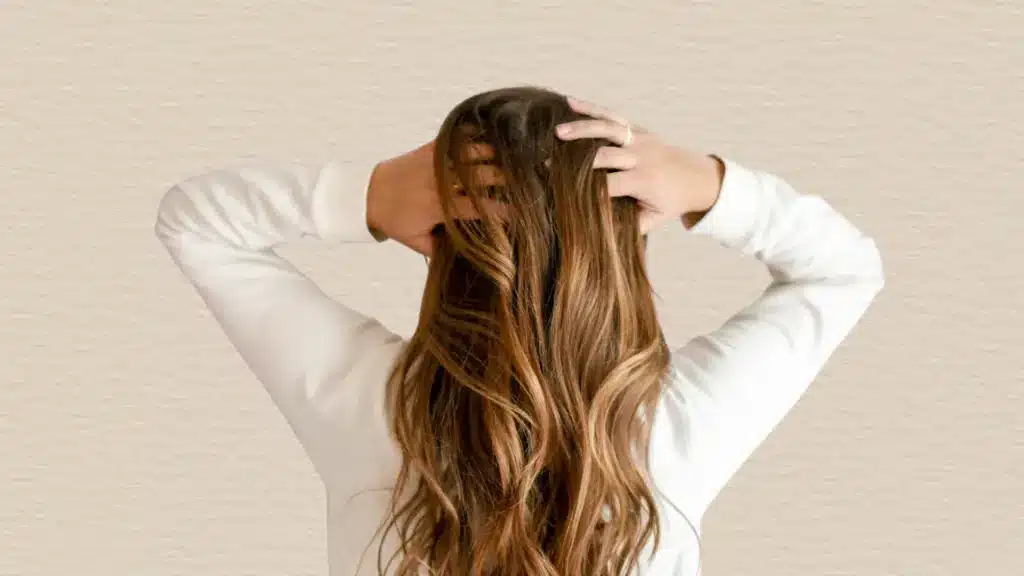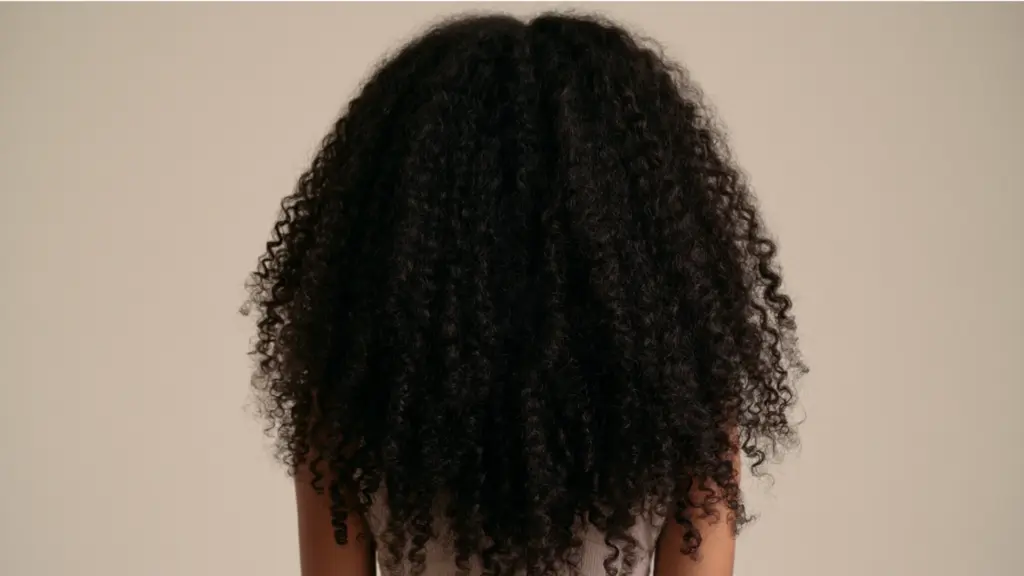

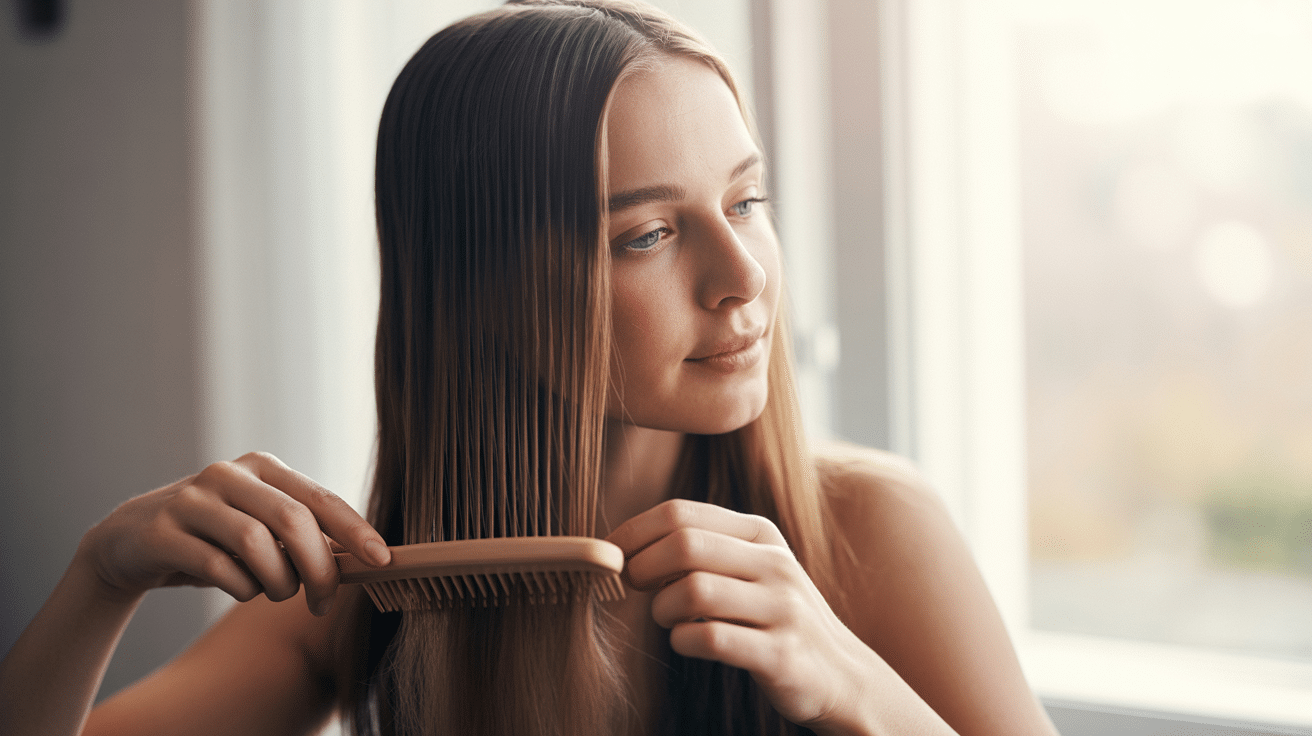
Straight hair has no natural curl or wave pattern; it falls directly down from the scalp in a smooth, linear shape.
Straight hair grows from round, symmetrical follicles. The uniform follicle shape produces strands that lie flat without bending or coiling.
Straight hair falls flat against the head due to its smooth, linear structure with no curves or coils.
The uniform surface reflects light evenly, giving it a naturally shiny appearance.
This hair type is genetically determined by round, symmetrical follicles that produce strands growing perpendicular to the scalp without any bending pattern.
That’s it; straight hair is simply hair that grows without any curl pattern.
How Hair Types Are Categorized (The 1–4 System)
The hair typing system isn’t as complicated as it sounds.
Hairstylist Andre Walker created this method to help people understand their natural texture better.
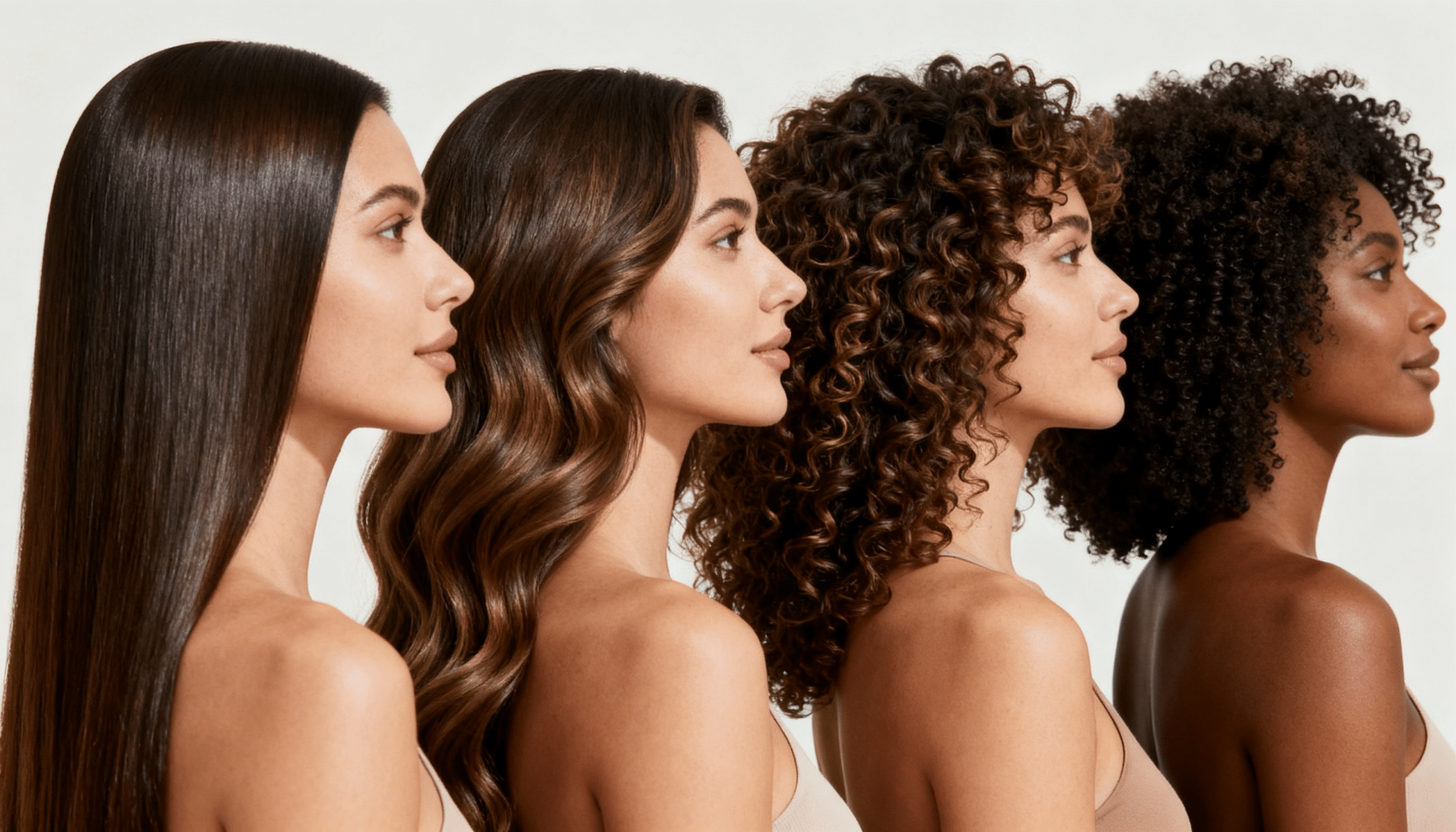
It uses numbers from 1 to 4, and each number represents a different basic texture.
Here’s the breakdown:
- Type 1: Straight hair with no curl pattern
- Type 2: Wavy hair that forms an S-shape
- Type 3: Curly hair with defined spirals
- Type 4: Coily or kinky hair with tight curl patterns
Why the letters matter
Each type has subcategories: A, B, and C.
A is the finest, B is medium, and C is the thickest. The system helps you pick the right products and styling methods.
What works for Type 1 hair might weigh down Type 3 hair or not provide enough moisture for Type 4.
Knowing where you fall on the hair types 1-4 scale takes the guesswork out of your routine.
Now that you get how the system works, let’s see how straight hair stacks up against other textures.
Straight Hair Compared to Other Textures
Straight hair has round follicles, so natural oils slide down easily from root to tip.
Other textures have oval or flat follicles that create bends, making it harder for oils to travel.
| Hair Type | Texture | Oil Distribution | Common Challenges |
|---|---|---|---|
| Type 1 (Straight) | No curl pattern, lies flat | Oils travel easily down the strand | Can look greasy quickly, lacks volume |
| Type 2 (Wavy) | S-shaped waves | Moderate oil flow | Frizz, inconsistent wave pattern |
| Type 3 (Curly) | Defined spirals and ringlets | Limited oil movement | Dryness, shrinkage, frizz |
| Type 4 (Coily) | Tight coils or zig-zag pattern | Very limited oil distribution | Extreme dryness, breakage, tangling |
If you have straight hair, you’re managing oil, while curly-haired people fight dryness. Your hair might go limp by afternoon, but it’s less likely to break or tangle.
Types of Straight Hair
Not all straight hair is the same. Type 1 hair breaks down into three subcategories based on thickness and texture.
Type 1A Hair
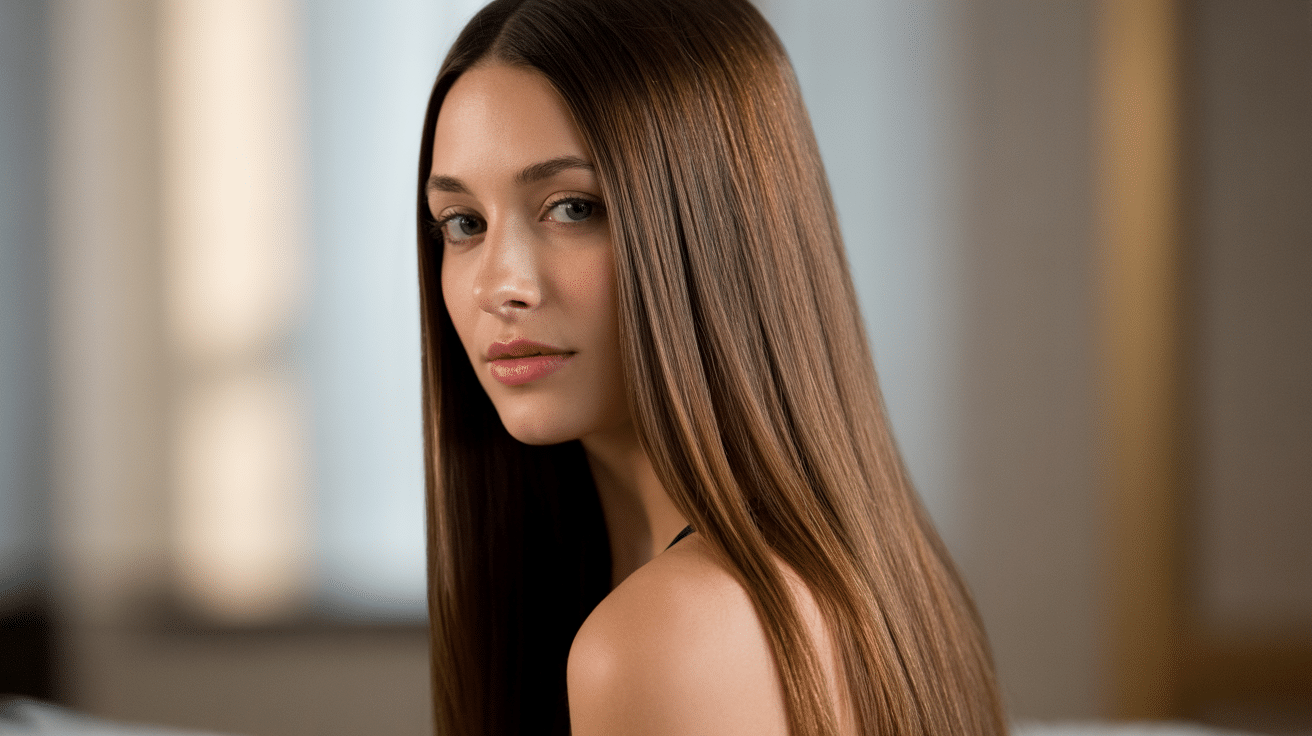
This is the finest and thinnest version of straight hair. Your strands lie completely flat against your head with zero volume.
People with 1A hair struggle to make curls stick, and everything falls out within an hour.
What 1A hair looks like:
- Very fine strands
- No natural volume
- Gets oily quickly
Your hair is super shiny and smooth and dries fast and rarely tangles, but it can look limp without styling.
Type 1B Hair
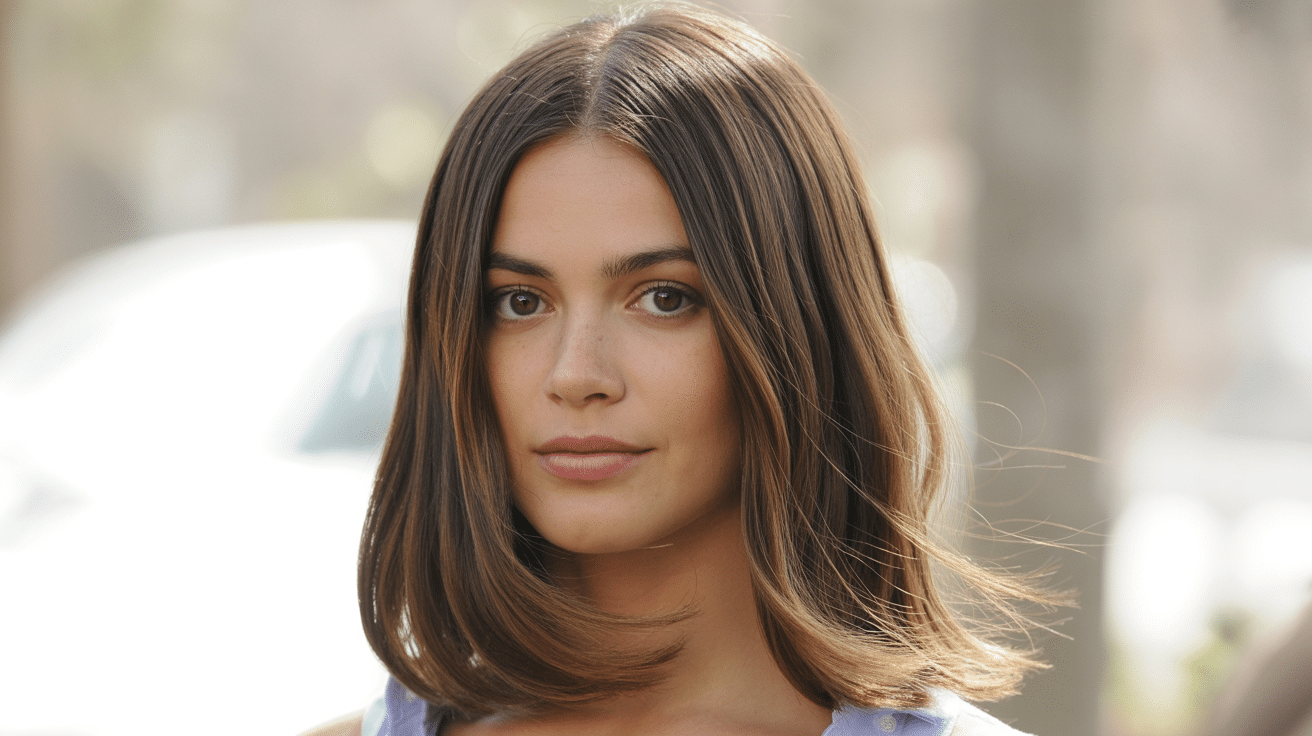
Type 1B sits in the middle. Your strands are thicker than 1A, and you might see a slight bend at the ends. This type holds styles better and has a little more body.
Why is 1B easier to manage
Most people find 1B the easiest to work with. You get natural shine without looking greasy by noon.
Products don’t weigh it down easily, and you have more styling options.
Type 1C Hair
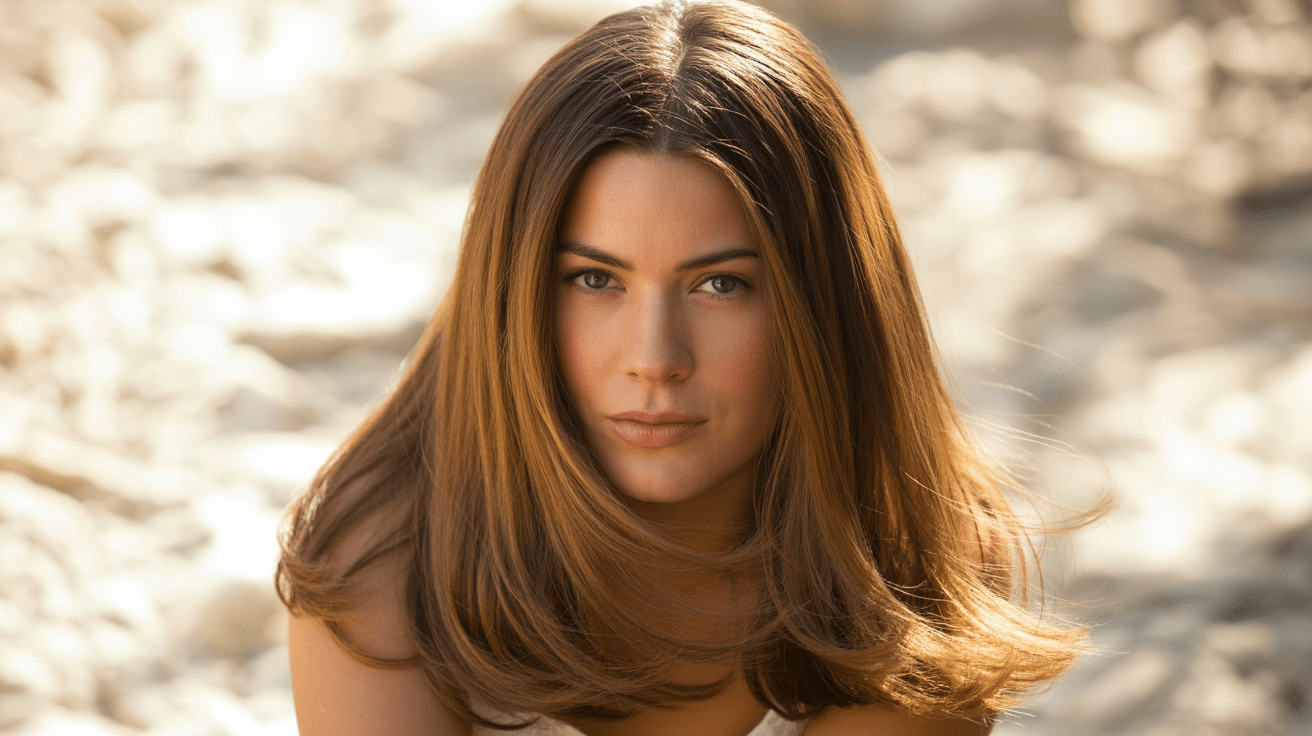
This is the thickest version of straight hair. Your strands are coarser, and you’ve got natural volume at the roots.
What makes 1C different:
- Coarser texture
- Natural body and fullness
- Takes longer to get oily
- Can handle heavier products
You might deal with some frizz in humid weather. The thickness gives you fullness without trying, but your hair takes forever to dry.
Now that you know the types of straight hair, let’s figure out which one you actually have.
How to Identify Your Hair Type
Figuring out your hair type is simple. Wash your hair and let it air dry without products or heat.
Once it’s dry, look at the texture and how it falls.
The Strand Test
Pull out one strand and hold it up to the light.
Can you barely see it? That’s 1A. Visible but thin? That’s 1B. Clearly visible and slightly rough? You’ve got 1C hair.
Check Your Volume
Look in a mirror at your roots. Hair lying completely flat means Type 1A. A little lift suggests 1B. Natural body without clinging to your head? That’s 1C.
Also, notice how fast your hair gets greasy. Fine hair shows oil within hours. Medium hair lasts a day or two. Thicker hair goes even longer.
Understanding Hair Porosity
Porosity is different from hair types 1-4, but it’s just as important. It shows how well your hair absorbs moisture.
Three porosity levels:
- Low porosity: Tight cuticles. Water sits on top instead of soaking in. Takes forever to get wet and dry.
- Medium porosity: Slightly raised cuticles. Absorbs moisture normally and holds it well.
- High porosity: Very open cuticles. Soaks up water fast but loses it quickly. Feels dry even after conditioning.
The water test
Drop a clean strand in a glass of water. Floats? Low porosity. Stays in the middle? Medium porosity. Sinks to the bottom? High porosity.
Straight hair usually has low to medium porosity since the cuticles lie flat.
But coloring or heat styling can create high porosity from damage. Knowing this helps you pick products that actually work.
Styling Straight Hair
Styling straight hair comes with its own set of tricks. The key is working with your texture instead of fighting against it.
What works depends on which type you have.
For Type 1A Hair
Your biggest challenge is adding volume. Here’s how to get lift:
Step 1: Use volumizing shampoo and apply conditioner only from mid-length to ends. Conditioning your roots makes them flatter.
Step 2: Flip your hair upside down and blow-dry to create lift at the roots.
Step 3: Use a round brush and roll sections away from your face as you dry.
Step 4: Apply dry shampoo at the roots for extra texture and oil absorption.
Skip heavy products since they weigh down fine strands. Stick with lightweight mousses or root-lifting sprays instead.
Styling 1B Hair
You’ve got more options here. Your hair can handle a bit more product without going limp.
Try these techniques:
1. Use a medium-barrel curling iron for waves that actually hold
2. Add texturizing spray for beachy, tousled looks
3. Blow dry with a paddle brush for sleek, smooth styles
4. Try velcro rollers on damp hair for natural volume
1B hair is forgiving, so experiment with different looks. Just don’t overdo products or you’ll lose that natural movement.
Working With 1C Hair
Your thicker strands can handle almost anything. The challenge is managing weight and frizz.
Step 1: Apply smoothing serum to damp hair before blow drying to control frizz.
Step 2: Use a flat iron for sleek looks or a large-barrel curling iron for bouncy waves. Your hair holds curls well.
Step 3: Ask your stylist for long layers to remove bulk and add movement.
Since your hair is heavier, layers prevent it from looking too thick at the bottom. Your coarser texture also handles heat styling better than finer types.
Heat protection matters
No matter which type of straight hair you have, always follow this rule: apply heat protectant spray before using hot tools.
Straight hair shows damage more easily because there are no curls to hide it.
Split ends and breakage stand out on sleek strands. Let’s talk about keeping your hair healthy with the right care routine.
Straight Hair Care and Maintenance
Taking care of straight hair means balancing oil control with keeping it healthy. Your routine should match your specific type.
- Wash based on how quickly your hair gets oily: Some people need daily washing, while others can go three to four days between washes.
- Use clarifying shampoo once a week: This removes product buildup that makes straight hair look greasy and flat.
- Apply conditioner from mid-length to ends only: Skip the roots to avoid weighing down your hair.
- Choose products that match your hair thickness: Lightweight formulas work for fine hair, while thicker strands handle heavier moisturizers.
- Brush when dry, not wet: Wet hair stretches and breaks more easily. Start from the ends and work your way up.
- Get trims every 6 to 8 weeks: Straight hair shows every bit of damage, so regular trims keep the ends looking healthy.
- Limit heat styling: Let your hair air-dry a few times a week, and keep hot tools below 400°F when you do use them.
- Sleep on silk or satin pillowcases: Cotton creates friction that leads to breakage and frizz.
Celebs with Straight Hair
Plenty of celebrities rock straight hair and make it look effortless. Seeing how they style their specific type can give you ideas for your own routine.
Jennifer Aniston
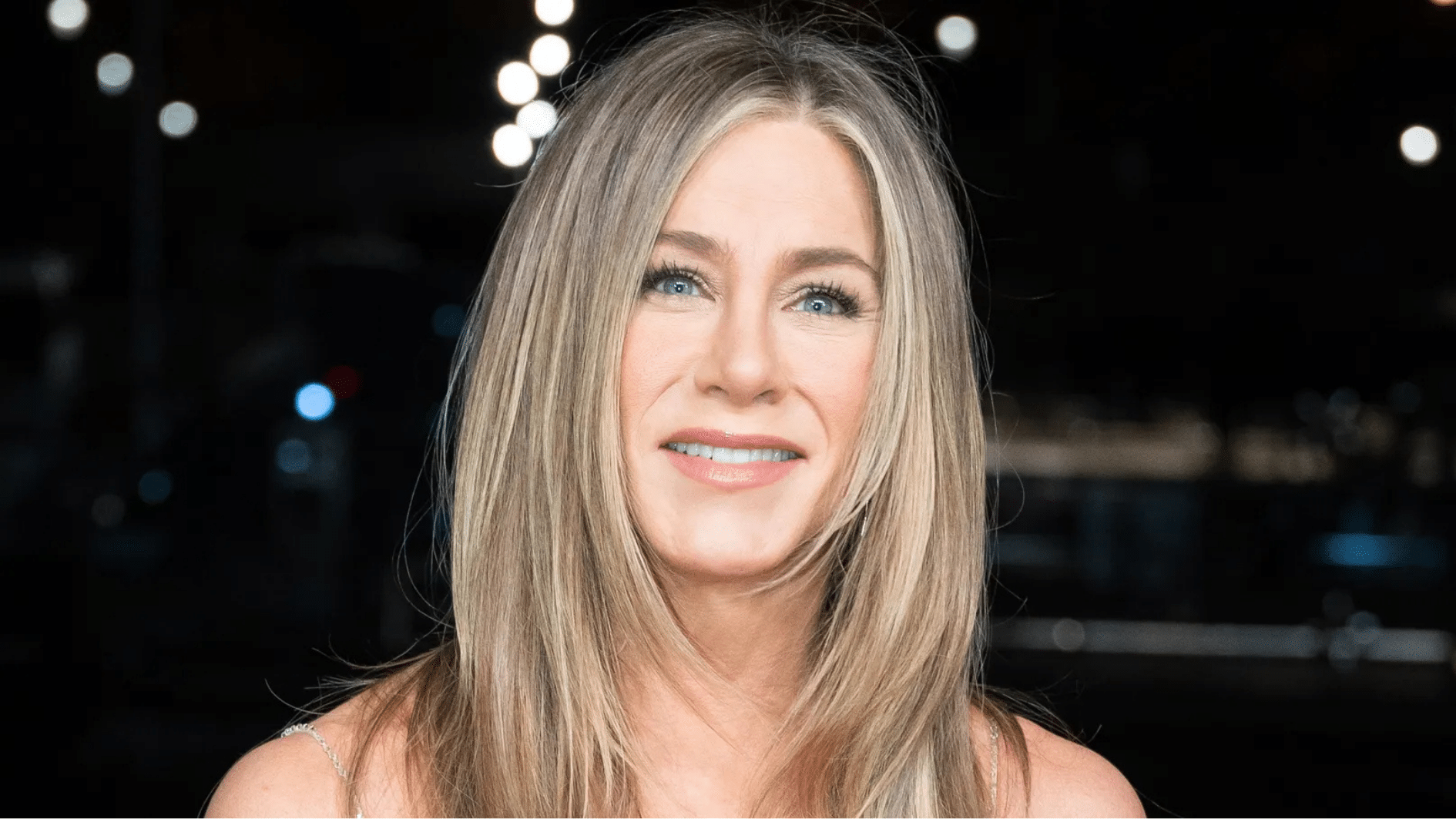
She has Type 1B hair with natural body that holds styles perfectly. From “The Rachel” to sleek layers, her medium texture proves that straight hair is versatile.
She keeps it shiny with regular treatments and minimal heat.
Jennifer Lopez
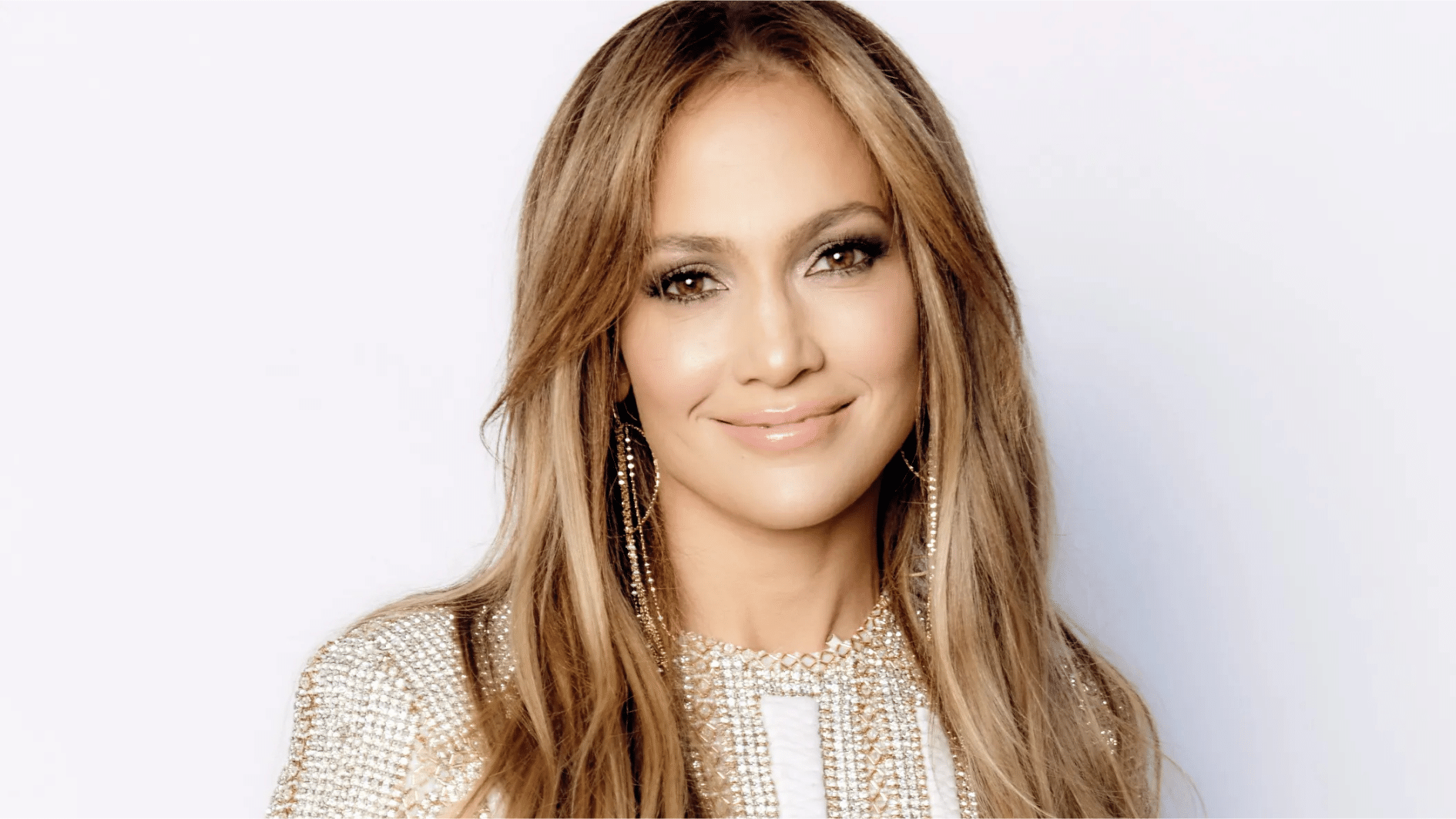
J.Lo’s thick Type 1C hair has natural volume at the roots.
She uses smoothing products for sleek, glossy looks, and her hair handles tight ponytails and long flowing styles easily.
Kim Kardashian
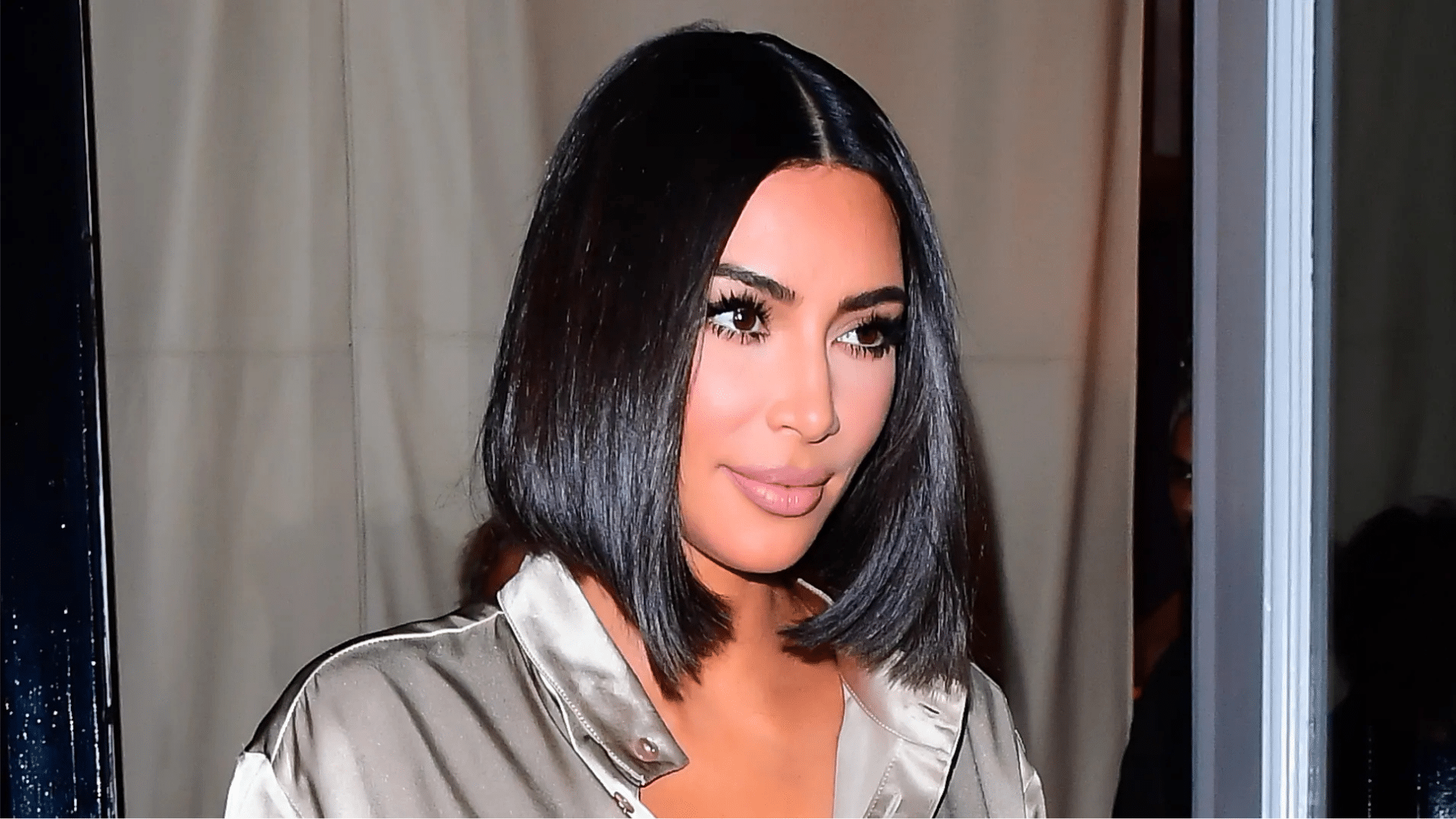
Kim’s Type 1C hair is thick and coarse. She rocks super sleek styles with heat tools and heavy serums.
Her texture holds extensions well and stays healthy with regular treatments.
Chris Hemsworth

Chris has Type 1B straight hair with medium thickness. He keeps it longer on top with a natural body that doesn’t need heavy products.
When grown out, it falls naturally without looking greasy.
His hair works well for both casual and red carpet looks, showing how versatile Type 1B can be for men.
Final Thoughts
Knowing your hair type changes everything about your routine.
Whether you have fine 1A strands or thicker 1C texture, the right care makes all the difference. Stop guessing what products to buy or why certain styles don’t work.
Use what you’ve learned here to build a routine that actually fits your hair.
Start with the strand test today and see how much easier styling becomes when you understand your specific type.