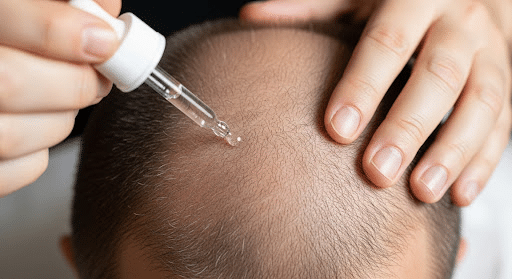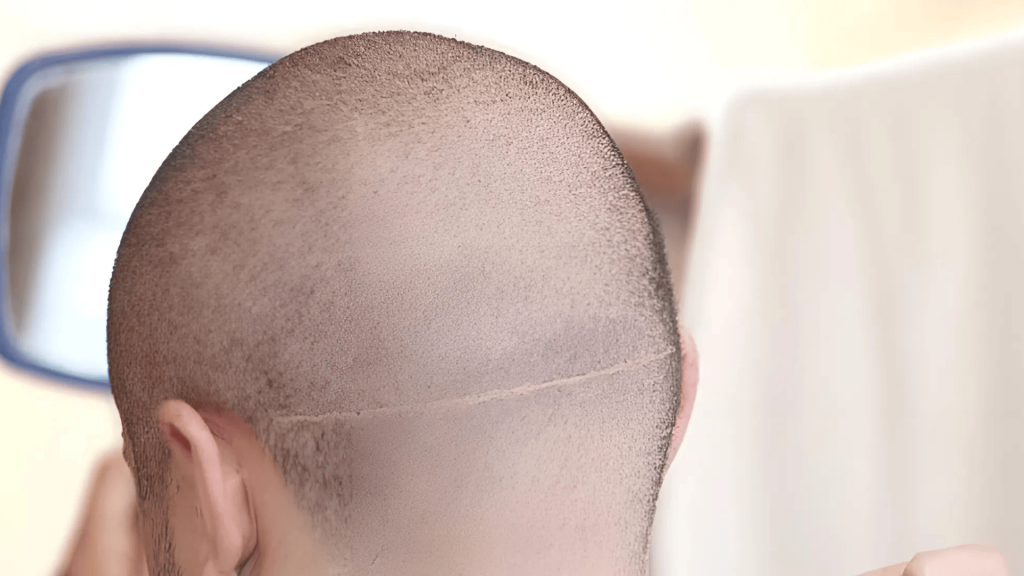


People taking Mounjaro have noticed something concerning: more hair in the shower drain than usual.
Does Mounjaro cause hair loss? This worry keeps many up at night.
They’re taking medication to feel better, but now they’re losing hair. It’s frustrating and leaves them wondering what’s really going on.
This blog will help readers learn the facts, the causes, and what they can do about it.
This blog is for informational purposes only and should not be considered medical advice. If you are experiencing hair loss while taking Mounjaro, consult your healthcare provider before making any changes to your medication or treatment plan.
What is Mounjaro, and How Does it Work?
Mounjaro is a prescription medication that helps manage type 2 diabetes. The drug contains tirzepatide as its active ingredient.
Doctors prescribe it to improve blood sugar control in adults.
The medication works in two specific ways:
- First, it mimics hormones that tell the body to release insulin after eating.
- Second, it slows the rate at which food leaves the stomach.
This dual action helps keep blood sugar levels stable throughout the day.
Many people also notice weight loss while taking Mounjaro. This happens because the medication reduces appetite and makes people feel full longer.
However, these benefits can sometimes come with side effects that concern users.
Why Hair Loss Happens when you Take Mounjaro?
1. Rapid Weight Loss
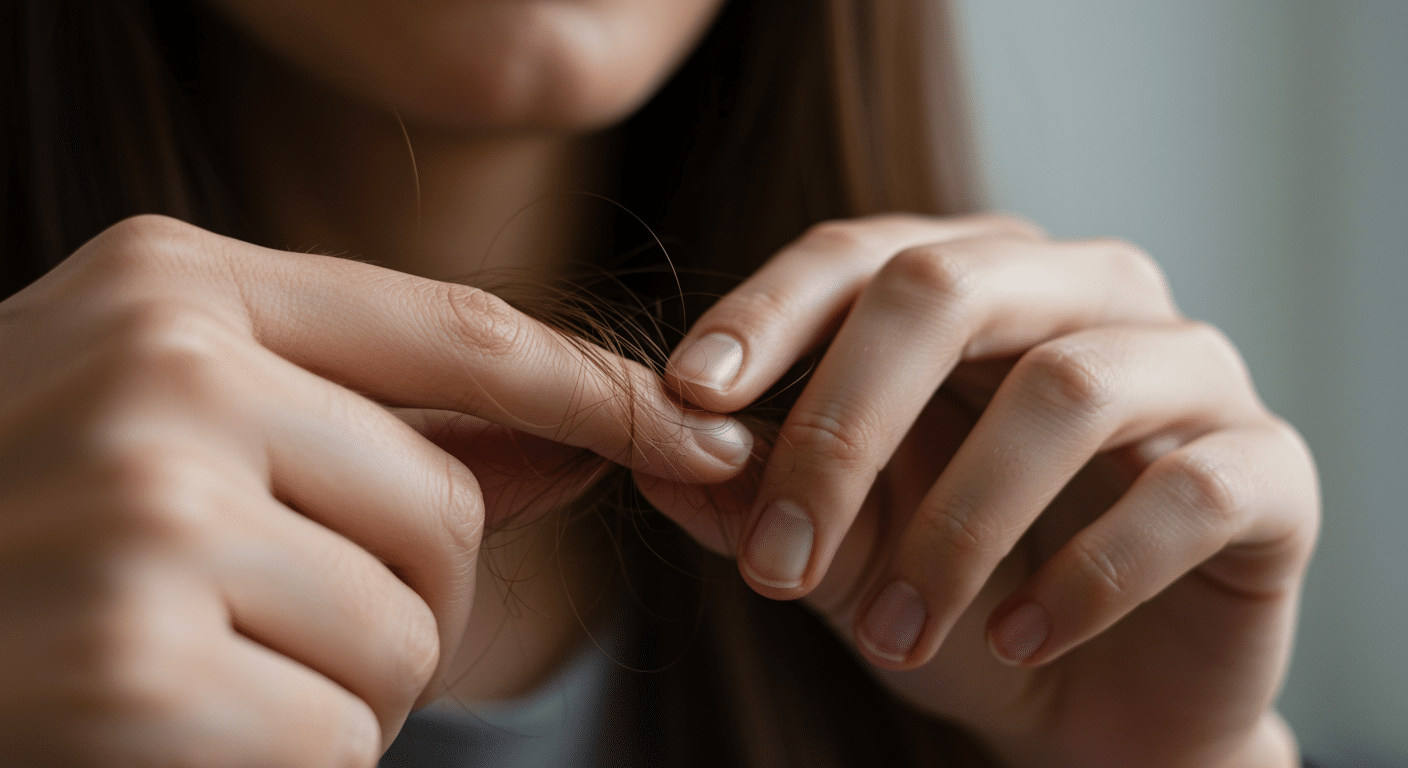
Mounjaro causes quick, significant weight loss. Fast weight loss creates physical stress that shifts hair into a resting phase called telogen effluvium.
Your body prioritizes essential functions over hair growth, causing increased shedding 2-4 months after starting.
2. Nutritional Deficiencies
Mounjaro dramatically reduces appetite. Eating less leads to insufficient protein, iron, zinc, biotin, and vitamins. Hair needs these nutrients to grow strong.
Without them, hair becomes weak and falls out. Protein is especially critical since hair is made of keratin.
3. Hormonal Changes
Weight loss affects hormone levels. Losing fat quickly changes hormone balance and disrupts hair growth cycles.
Thyroid function may also be impacted, directly influencing hair growth.
4. Physical Stress on the Body
Mounjaro causes major metabolic changes, new blood sugar levels, different eating patterns, and rapid weight loss.
This stress signals hair follicles to stop growing and start shedding.
5. Reduced Caloric Intake
Eating fewer calories means less available energy. Your body directs energy to vital organs first.
Hair growth isn’t essential for survival, so it gets deprioritized, causing thinning and shedding.
6. Individual Response
Not everyone experiences hair loss on Mounjaro. Genetics, overall health, diet quality, and weight loss speed all influence whether it happens.
What Does Mounjaro-Related Hair Loss Usually Look Like?
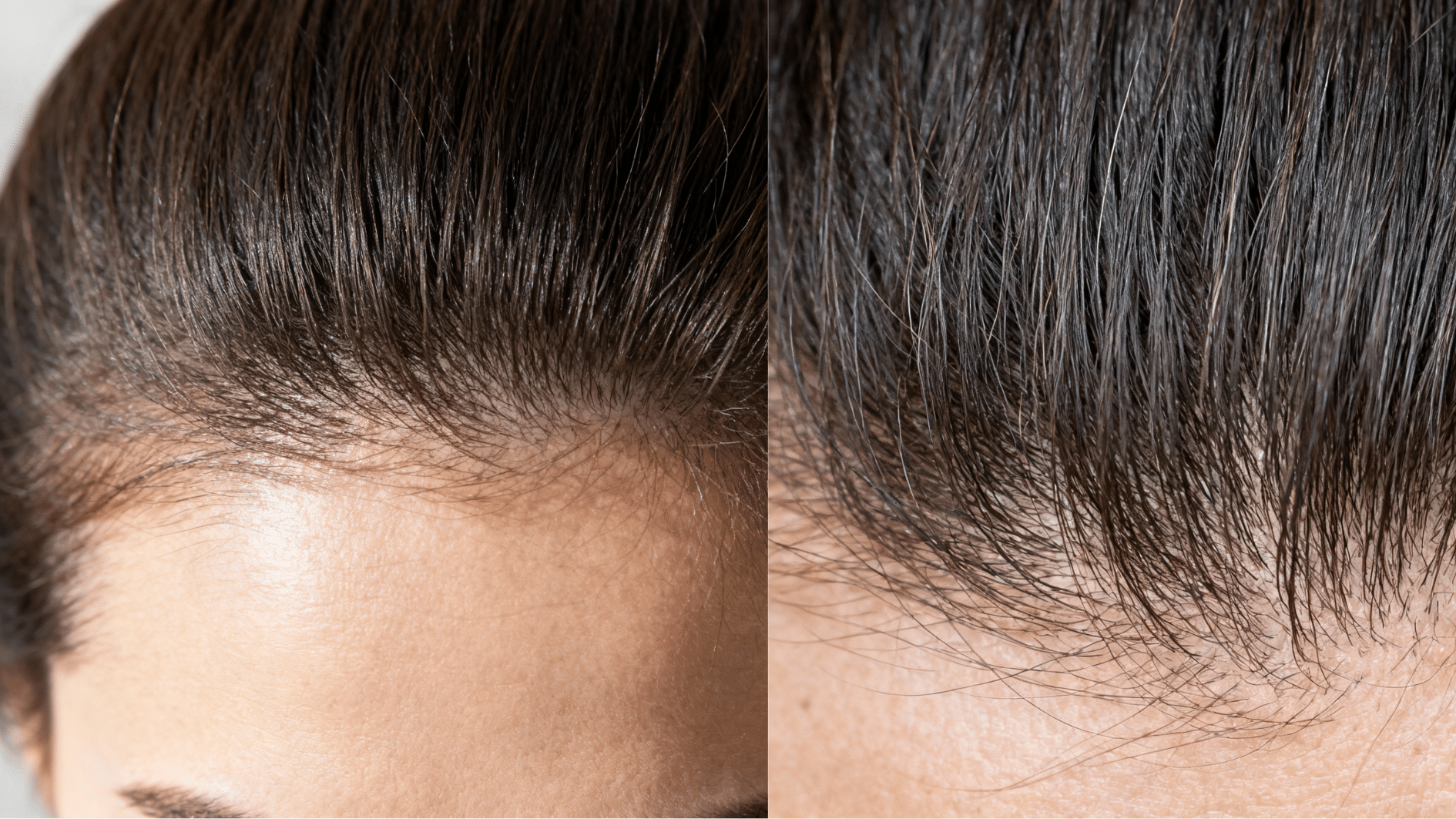
Mounjaro-related hair loss usually appears as temporary shedding rather than true bald spots.
- Diffuse Shedding Across the Scalp: Hair falls out evenly rather than in concentrated patches, which is typical of telogen effluvium linked to rapid weight loss or medication changes.
- Noticeably Increased Daily Hair Fall: You may see more strands in the shower, on your hairbrush, or on your pillow—often more than the usual 50–100 hairs per day.
- Overall Thinning or a Widening Part: The hair may look less dense, especially along the part line or crown, making the scalp slightly more visible.
- No Defined Bald Spots: Unlike alopecia areata or pattern baldness, Mounjaro-related shedding rarely causes circular or permanent bald patches.
- Starts Weeks to Months After Starting Mounjaro: Most people notice shedding 2–3 months after beginning the medication or after significant weight loss triggers the hair’s resting-phase shift.
Mounjaro vs. Other GLP-1 Medications
Comparing Mounjaro with Ozempic and Wegovy helps show whether hair loss is unique to Mounjaro or common across similar medications
| Medication | Active Ingredient | Primary Use | Hair Loss Risk | Weight Loss Speed | Why Hair Loss Happens |
|---|---|---|---|---|---|
| Mounjaro | Tirzepatide | Type 2 diabetes | Moderate | Fast | Rapid weight loss and reduced appetite cause nutrient deficiencies |
| Zepbound | Tirzepatide | Weight management | Moderate | Fast | Same ingredient as Mounjaro, similar effects on hair |
| Ozempic | Semaglutide | Type 2 diabetes | Moderate | Moderate to fast | Weight loss and appetite suppression affect nutrient intake |
| Wegovy | Semaglutide | Weight management | Moderate | Fast | Higher doses lead to more weight loss and potential hair shedding |
How Long Does Hair Loss Last?
Hair loss from Mounjaro follows a predictable timeline. Knowing this helps manage expectations and reduce worry.
Most people first notice increased shedding two to four months after starting Mounjaro. The timing depends on how quickly weight loss occurs.
What to expect during recovery:
- New growth usually begins around six to nine months
- Tiny baby hairs appear along the hairline first
- Full-thickness returns over the following months
Recovery speed depends on nutritional intake and the pace of weight loss. People who eat enough protein and vitamins see faster regrowth.
Slower, steadier weight loss causes less disruption to hair follicles than rapid drops.
Ways to Prevent Hair Loss
Taking preventive steps can reduce hair shedding while on Mounjaro. These strategies support hair health throughout treatment.
- Eat Enough Protein Daily: Hair is made of protein, so include lean meats, fish, eggs, or plant-based options in every meal.
- Take Essential Vitamins and Minerals: Hair needs iron, zinc, biotin, and vitamin D to stay healthy and strong.
- Slow Down Weight Loss Speed: Aim for one to two pounds per week to give your body time to adjust.
- Stay Hydrated Throughout the Day: Drink at least eight glasses of water daily to help deliver nutrients to hair follicles.
- Manage Stress Levels: Practice relaxation techniques like deep breathing and get enough sleep each night.
- Use Gentle Hair Care Products: Choose sulfate-free shampoos and avoid excessive heat styling or tight hairstyles.
Clinical Trial Data on Hair Loss
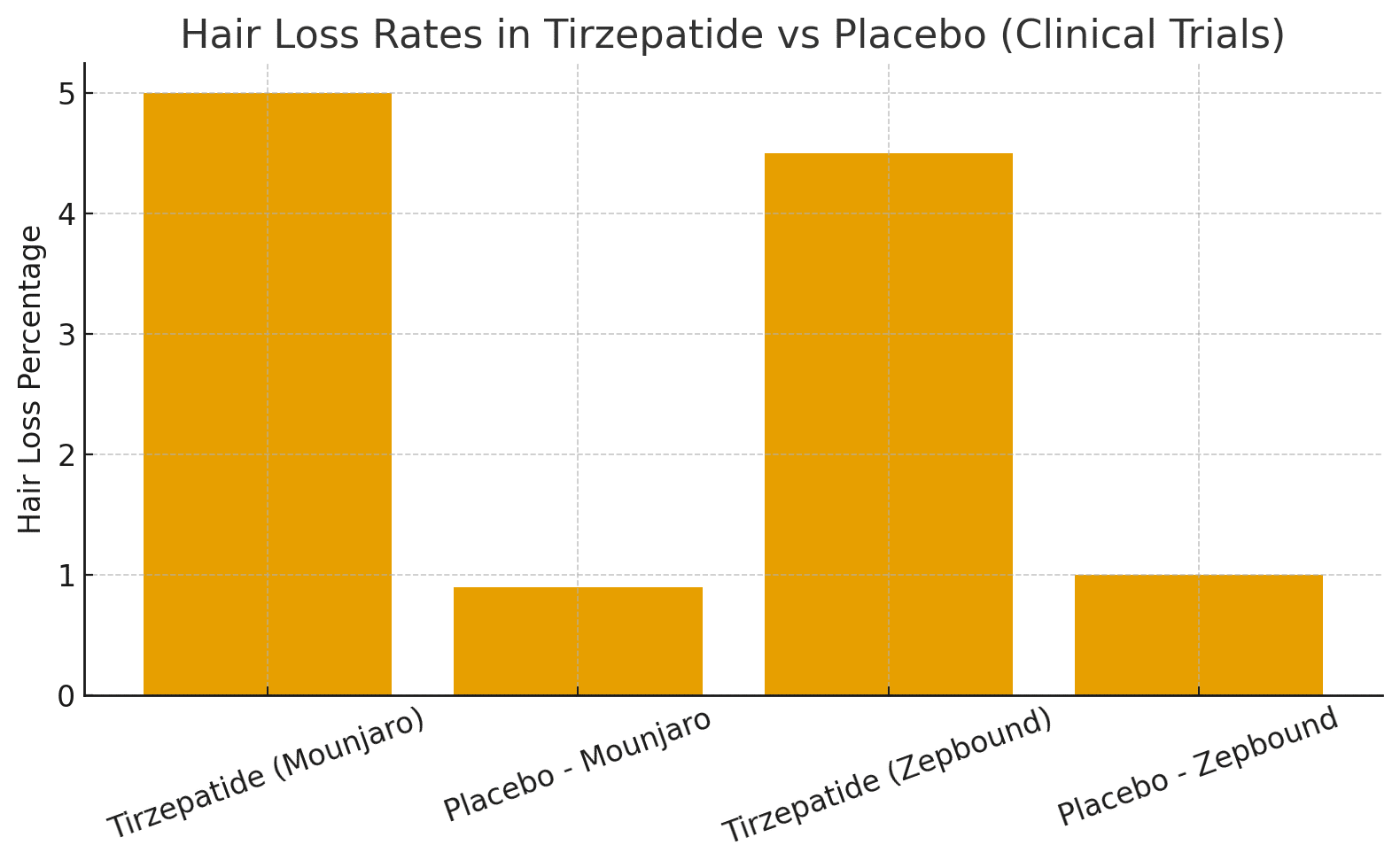
Clinical trials provide clear evidence about hair loss rates with Mounjaro.
The research reveals important information about how common this side effect is among users.
Trial Numbers
In Mounjaro trials, hair loss occurred in about 5% of people taking tirzepatide. Only 0.9% of placebo users experienced hair loss.
For Zepbound, roughly 4-5% of participants lost hair, compared with 1% on placebo. These numbers come from clinical studies submitted to the FDA.
FDA and Prescribing Information
The official Mounjaro label does not list hair loss as a side effect. The main side effects listed are digestive issues like nausea and vomiting.
However, Zepbound’s label lists hair loss as a common side effect. This difference exists because Zepbound targets weight management, while Mounjaro treats diabetes.
The faster weight loss with Zepbound may explain this difference.
Research Findings
Dermatology experts link hair loss to telogen effluvium. This occurs due to rapid weight loss and nutrient deficits. The medication doesn’t directly damage hair follicles.
Instead, physical stress from major body changes triggers temporary shedding. Hair follicles return to normal growth once the body stabilizes.
What Health Sites Report
Major medical sites agree on the pattern. Hair loss isn’t a direct Mounjaro side effect. Rapid weight loss from the medication causes the shedding instead.
Many sites today explain the connection to telogen effluvium. Most cases resolve within months as the body adjusts.
When Should One Visit a Doctor?
Hair loss can sometimes signal serious health issues. These are a few key warning signs that may require consulting a healthcare professional:
- If hair loss happens suddenly or in large clumps, see a doctor right away.
- When bald patches appear on the scalp, they need immediate medical attention.
- If hair loss persists beyond 6 months without regrowth, consult your healthcare provider.
When you notice other symptoms like fatigue, weight changes, or skin problems alongside hair loss, get checked.
Conclusion
Hair Loss from Mounjaro is usually temporary.
Some users experience shedding from rapid weight loss and reduced nutrition. Hair typically grows back within several months.
Eat enough protein and take your vitamins. Slow down your weight loss if possible. These steps can protect your hair.
Have questions about Mounjaro and hair loss? Share them in the comments below.