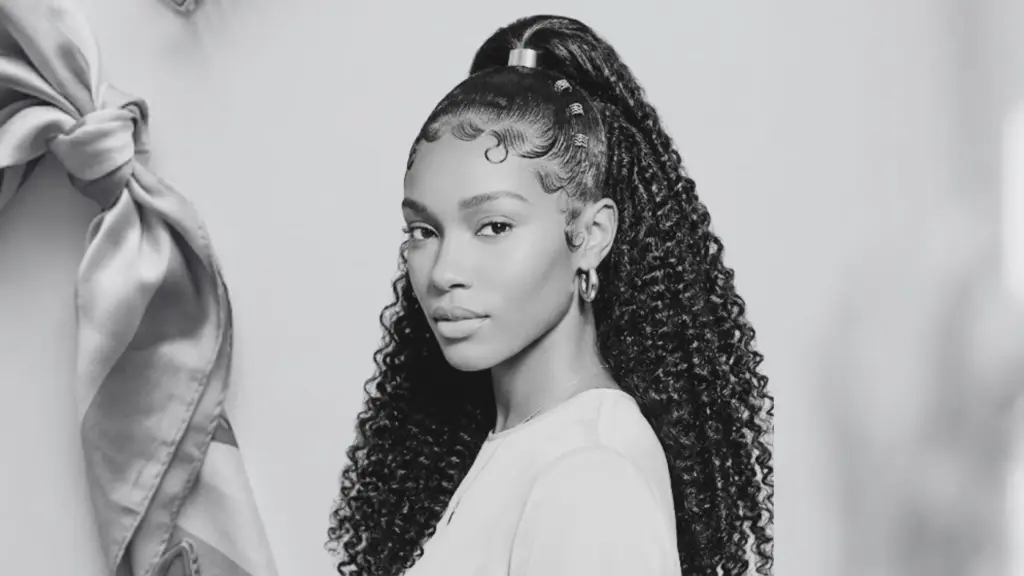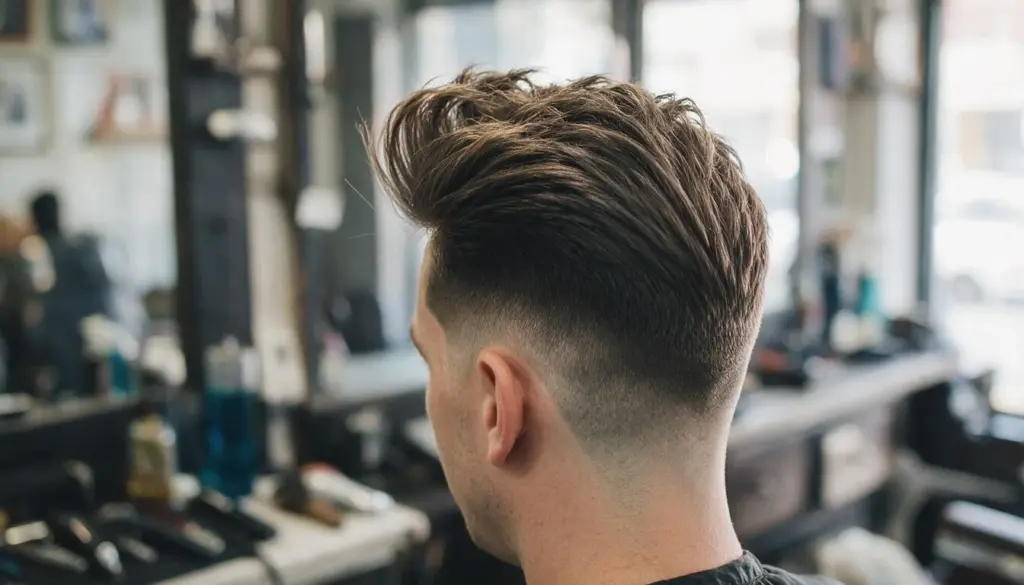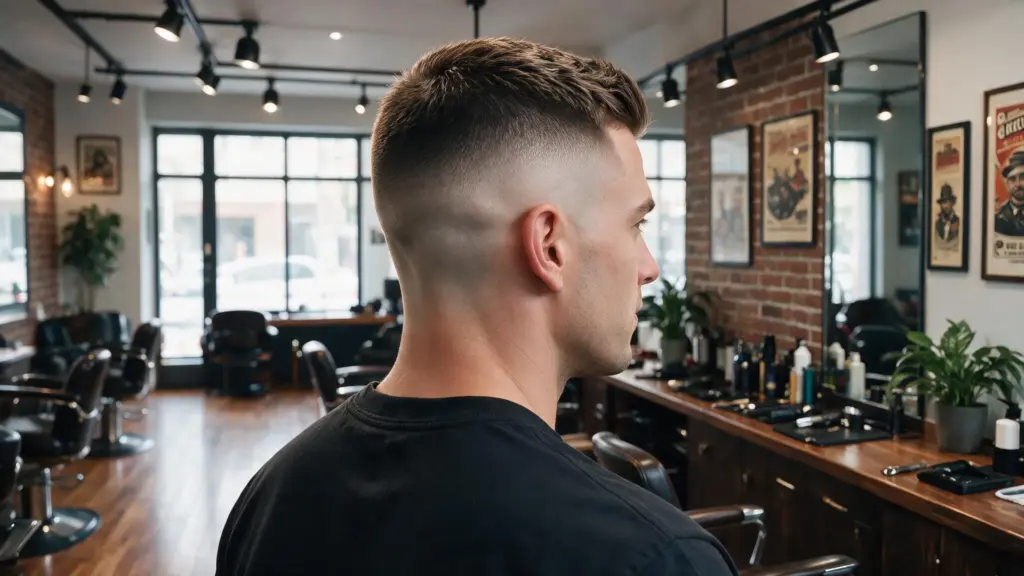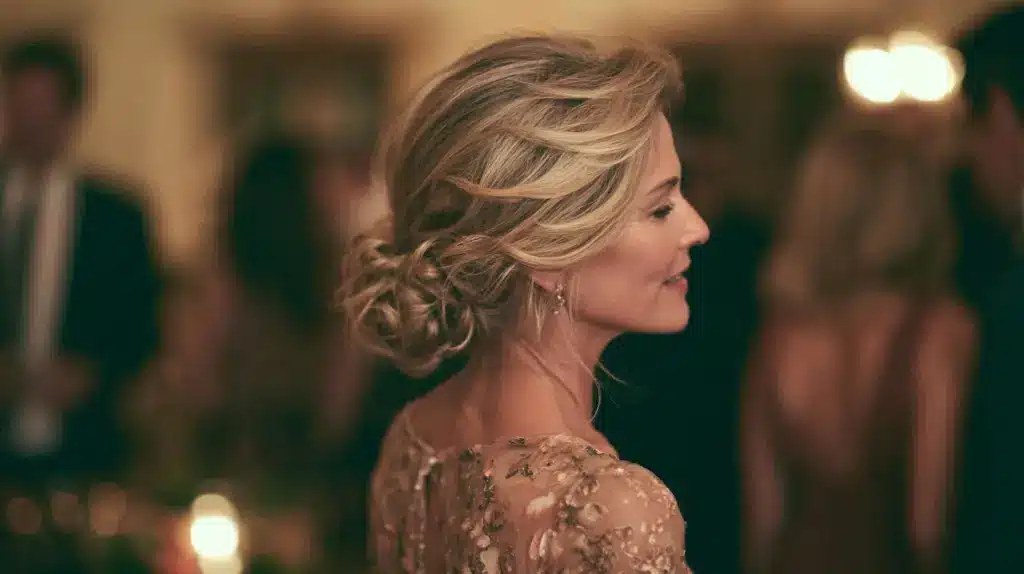


Can you name the haircut you’re wearing right now?
Most people can’t. They know if their hair is short or long, but that’s about it.
This creates problems when you want to try something new or explain what went wrong last time.
There are only seven basic haircuts. Just seven. Master these names and shapes, and you’ll never struggle to describe a style again.
Are Haircuts Really Important?
Getting a haircut seems simple: you sit down, someone trims your hair, and you leave.
But there’s more to it than that.
- They shape how others see you at first glance.
- A good cut makes styling easier every morning.
- Bad cuts grow out awkwardly and waste your time.
- Your hair says something about you before you speak.
It also helps avoid those out-of-style hairstyles.
The 7 Basic Haircuts

I’m going to break down each of the seven basic haircuts. These are the foundation cuts that stylists learn first.
Once you understand them, you’ll see how they appear in different variations everywhere.
1. Bob
The bob is probably the most recognized haircut name out there and one of the those four core hairstyles that never go out of fashion.
I’d describe it as a haircut around head level, typically between the chin and shoulders. If layered with fringes, it becomes one of those haircuts that look great from the back.
It’s been popular for decades because it’s chic.
Bob suits almost everyone and adapts easily to different textures and styling preferences.
2. Pixie
The pixie is the shortest of the seven basic cuts. I admire people who go for it because it requires confidence.
Hair is cut close to the head with slightly more length on top. It’s low-maintenance to style but needs frequent trims.
The pixie highlights your facial features more than any other cut.
Styling Tip: You can keep fringe on the right side of your hair and fade on the left, and for fade, you can use 3-2-1, 3-Inch, or 5.5 haircut rules to explain the kind of fade you want
3. Oval
The oval cut creates a rounded shape that follows the natural curve of your head.
I think of it as the most balanced cut because it distributes weight evenly.
Stylists use this when they want soft, flowing movement without harsh lines or angles. It’s flattering on most face shapes.
4. One Length
This cut means exactly what it says: every strand of hair ends at the same point. I love how clean and simple it looks.
The blunt line creates maximum weight at the bottom, which makes thin hair appear fuller.
It’s straightforward to style and perfect for a no-fuss look.
5. A-Line
The A-line gradually extends from back to front, creating the signature letter A shape.
I’ve seen this cut change faces by drawing attention forward.
The angle can be subtle or dramatic, depending on what you want. It frames your face beautifully and adds a modern edge to classic styles.
6. Inverted Bob
This is where things get interesting.
The inverted bob stacks shorter layers in the back while keeping length in the front. I call it the Bob’s boulder cousin.
It creates volume at the crown and a sleek line toward the face; this cut requires more maintenance.
7. Bi-Level
The bi-level cut creates two distinct length sections: shorter on top and longer underneath.
I find this cut practical for people who want options. You can wear it down for length or up to show the shorter layer.
It’s like getting two haircuts in one, which appeals to many clients.
Tips to Choose the Perfect Haircut
Choosing the right haircut isn’t just about what looks good in a magazine.
I’ve learned that the best cut takes into account your lifestyle, hair texture, and how much time you’ll actually spend styling each morning.
- Consider your face shape and what best balances it.
- Think about your hair’s natural texture and thickness.
- Be honest about how much time you spend on your daily styling routine.
- Look at cuts that fit your workplace dress code.
- Ask yourself whether you’re ready for the required maintenance.
- Bring reference photos to show your stylist what you mean.
- Trust professional advice, but speak up about your concerns.
Famous Haircolor that Can Work for Every Skintone
Hair color can completely change your look, just as a good cut can. But finding the right shade for your skin tone makes all the difference.
| Hair Color | Best For | Why It Works |
|---|---|---|
| Honey Blonde | Warm and neutral skin tones | Golden undertones add warmth without washing you out. |
| Chocolate Brown | All skin tones | Rich and universally flattering without being too harsh. |
| Auburn | Cool to neutral skin tones | Red-brown mix creates warmth and adds dimension. |
| Caramel | Medium to deep skin tones | Warm, golden-brown tones enhance natural warmth beautifully. |
| Chestnut Brown | All skin tones | Medium brown with red undertones looks natural on everyone. |
| Strawberry Blonde | Fair to medium skin tones | Soft red and blonde blend is gentle on lighter complexions. |
| Mahogany | Medium to deep skin tones | Deep red-brown tones add richness to darker skin. |
Wrap Up
Now you know the seven basic haircuts that every style is built on. I’ve given you the names, shapes, and uses for each one.
Don’t just show your stylist a celebrity photo next time. Tell them you want an A-line or an inverted bob.
Use these terms we’ve covered. You’ll get better results when you speak their language.
Your hair is part of how you present yourself to the world. Make informed choices about it. These seven cuts are your foundation for doing exactly that.
Frequently Asked Questions (FAQs)
1. What are the 7 Sections of Hair?
The 7 sections are top, crown, sides (left and right), back, nape, and fringe. Barbers use these divisions for organized cutting and styling techniques.
2. What are the 7 Elements of Design and Their Definitions?
The 7 elements are line, form, space, texture, color, balance, and rhythm. They create visually pleasing hairstyles when stylists apply them correctly together.
3. What is the Easiest Haircut to Style?
The buzz cut is easiest to style. You simply wash and go without any products, tools, or styling time required each morning for maintenance.