
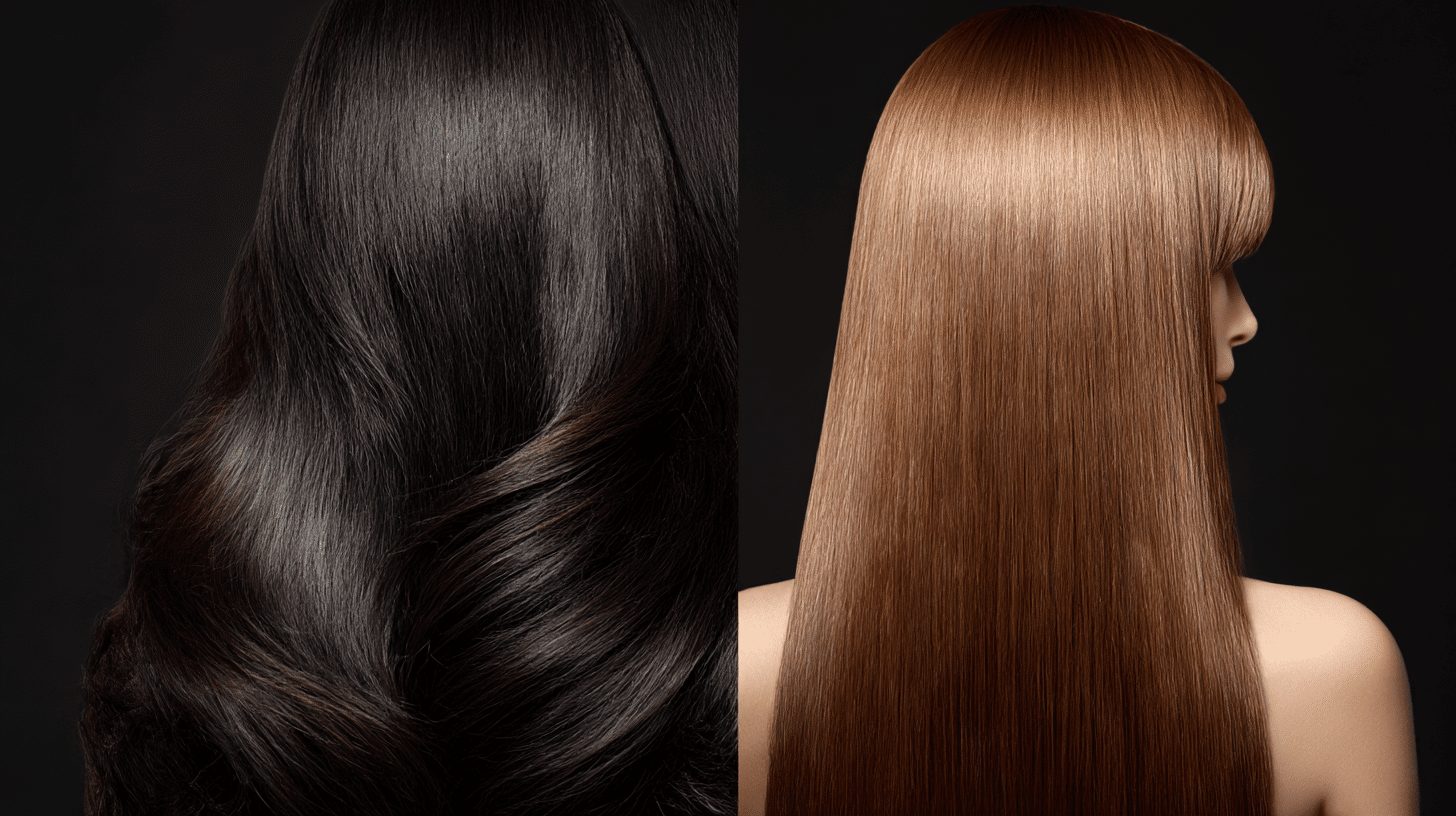
Bad hair days happen to everyone. But when they happen every day, it’s time to consider your options. Keratin treatments have become the go-to solution for people tired of wrestling with unruly hair each morning.
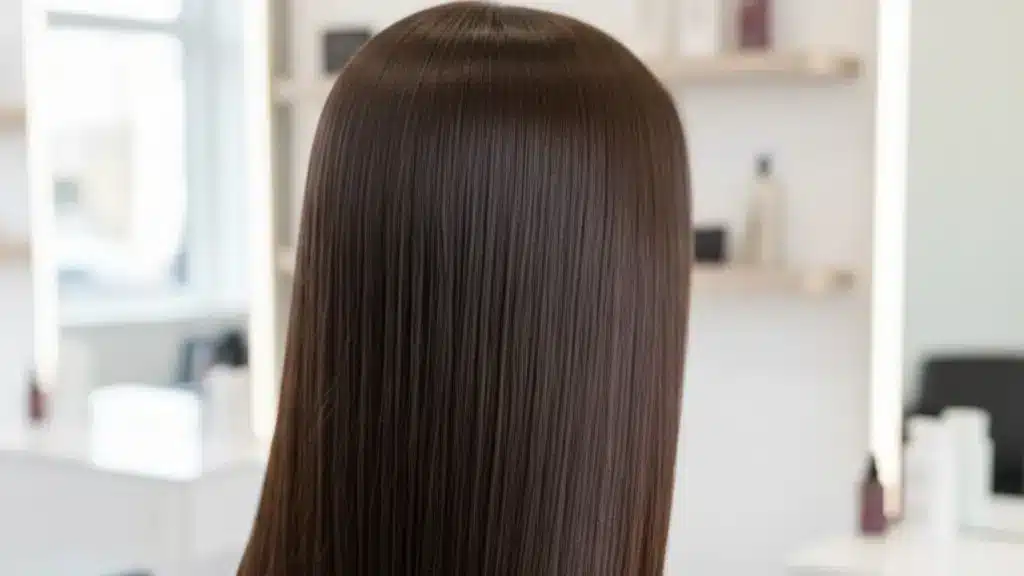
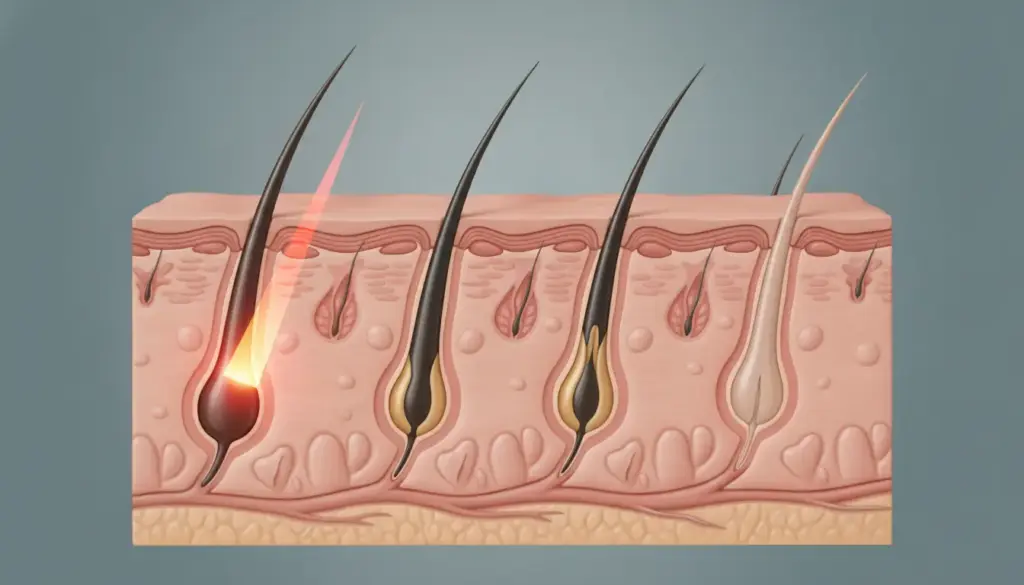
But the reality is that these treatments aren’t magic, but they’re not snake oil either. They work by coating your hair strands with protein, which smooths the cuticle and reduces frizz.
The results typically last several months, though exactly how long depends on multiple factors. Understanding keratin treatment cost is just as important as knowing how it works, since prices vary dramatically between salons and products.
Before you book anything, let’s walk through what you actually need to know.
What is a Keratin Treatment?
Keratin treatment is a semi-permanent hair smoothing process that reduces frizz and makes styling easier.
During the treatment, a keratin-based solution is applied to your hair, then sealed in with heat styling tools. This creates a protective coating around each hair strand. The process takes 2-4 hours at a salon and typically lasts 3-6 months.
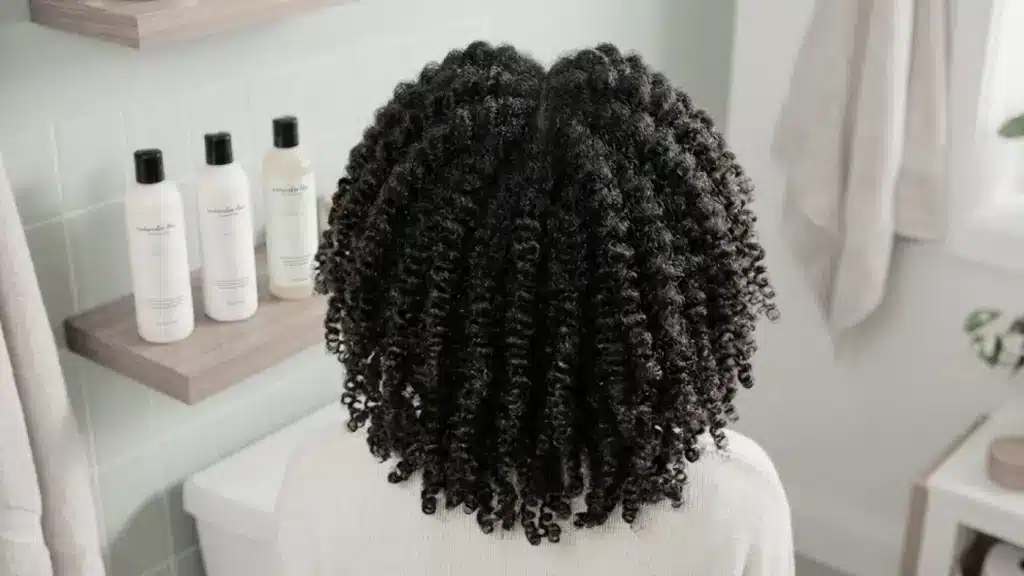
It won’t make curly hair completely straight, but it will make it more manageable and less prone to humidity-related frizz.
The treatment gradually washes out over time, returning your hair to its natural state without permanent chemical changes.
How Long Does a Keratin Treatment Last?
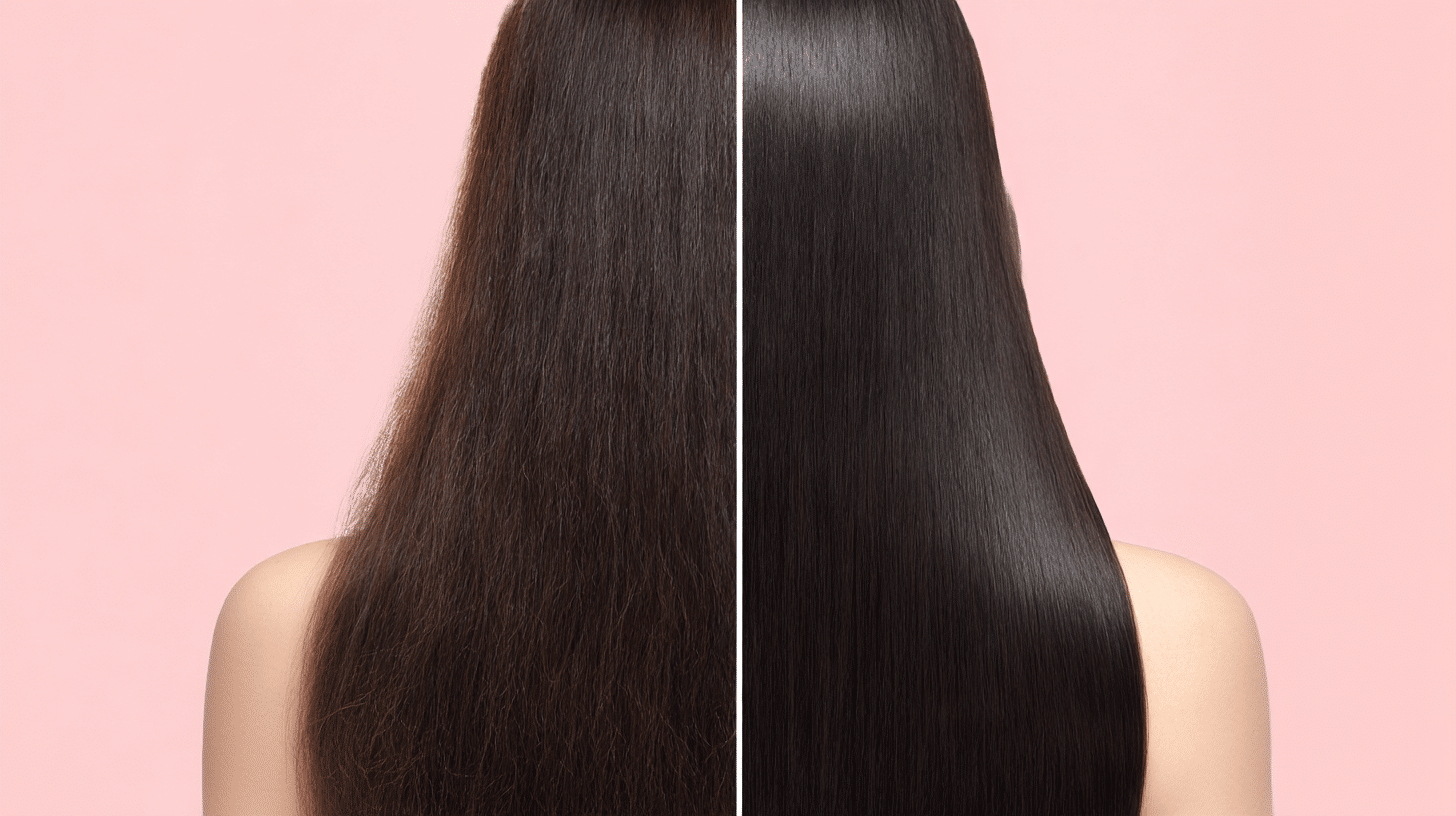
Keratin treatments promise smoother, frizz-free hair, but how long do the results actually last?
Most treatments maintain their effects for 3-4 months, though several factors can influence their longevity.
Typical Duration Range
How long will your keratin treatment actually last? The answer depends on whether you go to a salon or try a DIY kit at home.
Professional Salon Treatments
Last between 3 to 6 months with consistent, high-quality results that give you smoother morning routines and better hair manageability. Trained stylists use professional-grade products and equipment, ensuring even application and proper heat sealing.
The controlled salon environment allows for precise temperature settings and timing.
At-Home Kits
Typically lasting 2 to 3 months and costing less, many people wonder if keratin treatment damages hair, as achieving proper technique at home without professional expertise can be challenging.
DIY kits require even sectioning, consistent application, and correct heat settings – mistakes can cause uneven results or damage.
Factors Affecting the Longevity of Keratin Treatments
Several key factors determine how long your keratin treatment will last. Understanding these variables helps you set realistic expectations and plan for maintenance.
Let me break down what influences the staying power of your treatment.
- Hair Type Impact: Thick, coarse, and highly porous hair typically holds keratin treatments longer, while fine, straight, or damaged hair may see results fade more quickly.
- Aftercare Practices: Use sulfate-free products, wash less frequently, avoid chlorinated water, sleep on silk pillowcases, and always apply heat protectant before styling.
- Product and Application Factors: Professional-grade formulas with proper application technique last longer than drugstore options, and some brands offer extended-wear formulations with touch-up possibilities.
Ways to Make Your Keratin Treatment Last Longer
That silky, frizz-free hair you just got from your keratin treatment?
Let’s see exactly how to make it last months longer than you’d expect, and no fancy products or complicated routines required.
1. Limit Hair Washing: Washing your hair 2-3 times a week instead of daily helps preserve the keratin coating and keeps your treatment intact longer.
2. Choose Sulfate-Free Shampoo: Sulfates strip away keratin, so using a gentle, sulfate-free formula protects your treatment and maintains smoothness.
3. Skip the Heat Tools: Let your hair air-dry and avoid flat irons or curlers since excessive heat breaks down the keratin bonds faster.
4. Use Minimal Styling Products: Heavy gels, mousses, and sprays build up on treated hair, making it look dull and reducing treatment longevity.
5. Keep Hands Off Your Hair: Constant touching transfers oils from your fingers to your strands, making hair greasy and breaking down the treatment.
6. Ditch Heavy Oils: Thick oils coat the hair shaft and prevent keratin from doing its job, so stick to lightweight formulas only when needed.
7. Apply Quality Hair Serum: A good serum creates a protective layer that locks in the keratin treatment while adding extra shine and smoothness.
8. Pat Hair Dry Instead: Rubbing with a towel causes friction and frizz, and gently squeeze out water with a microfiber towel or old t-shirt.
9. Switch to Boar Bristle Brush: This natural brush distributes oils evenly without creating static or damaging the keratin-treated surface.
10. Simplify Your Styling Routine: The beauty of keratin-treated hair is that it needs minimal styling, and let it dry naturally for best results.
11. Maintain Regular Touch-Ups: Schedule follow-up treatments every 3-4 months to keep your hair consistently smooth and manageable year-round.
Does Keratin Treatment Damage Hair? Pros and Cons
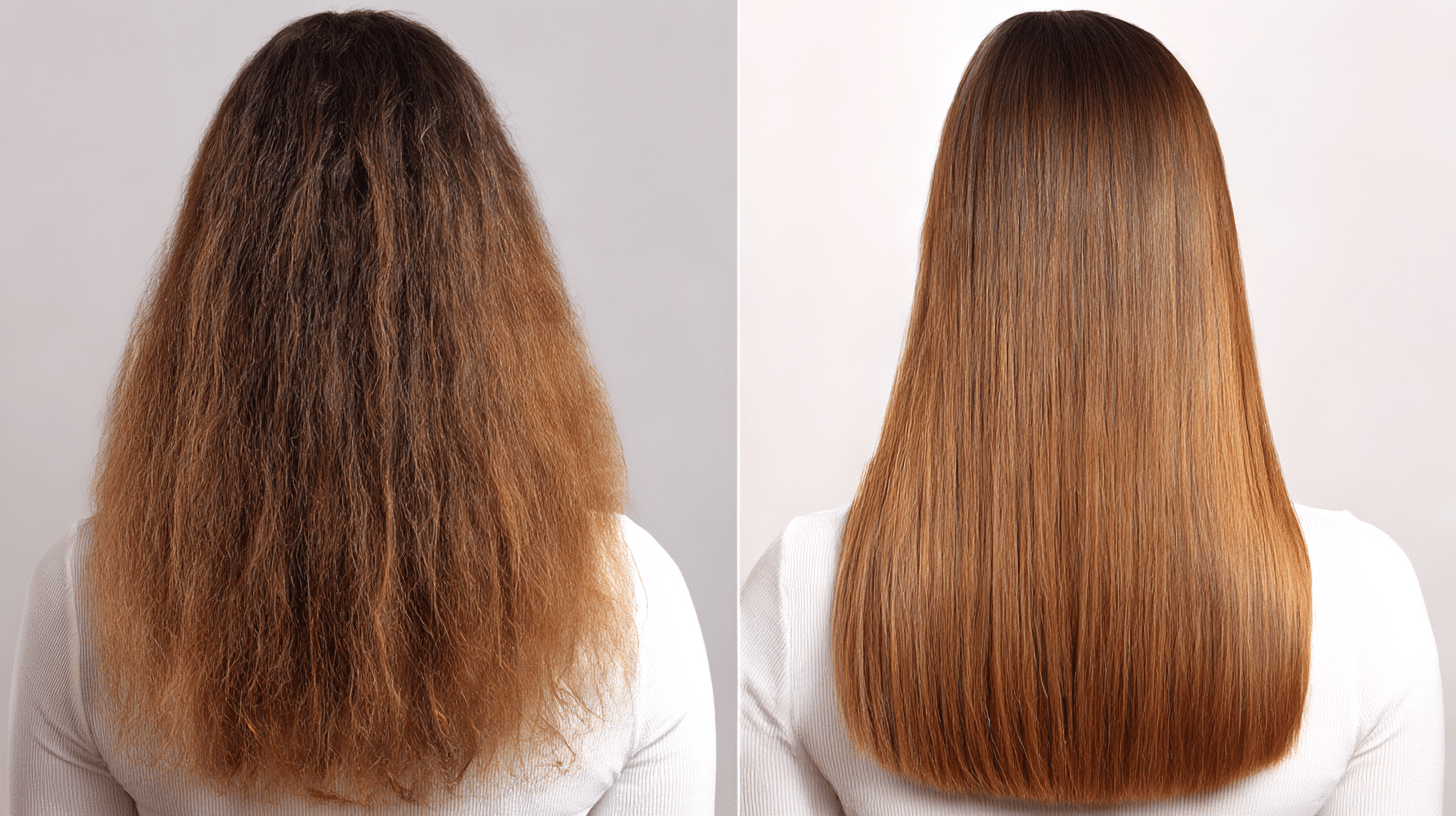
Many people wonder if keratin treatments are safe for their hair. Does keratin treatment damage hair, or does it actually help?
Let me share the real pros and cons so you can make the right choice.
| Pros | Cons |
|---|---|
| Smooths frizz and adds noticeable shine | Many formulas use formaldehyde or similar compounds that can irritate the eyes, nose, and throat |
| Cuts down daily styling time, especially for curly, coarse, or hard-to-manage hair | Potential for respiratory issues, especially for sensitive individuals |
| Results are semi-permanent and reversible, not a permanent change to hair structure | High-heat sealing process (flat-ironing) may dry out or weaken hair, especially if misapplied or used often |
| Easier client experience compared to permanent relaxers or straighteners | Not recommended for fine, fragile, or already chemically damaged hair; may increase breakage in these cases |
| Helps manage humidity and keeps hair manageable longer | Quality and safety depend on the product and style; risk of damage if done incorrectly |
How to Improve Keratin Levels Through Diet
Your diet plays a crucial role in supporting natural keratin production and maintaining healthy hair from the inside out.
- Protein-Rich Foods: Include eggs, lean meats, fish, Greek yogurt, and quinoa to provide essential amino acids like cysteine that serve as building blocks for keratin production and hair strength.
- Biotin Sources: Consume nuts, seeds, sweet potatoes, avocados, and leafy greens to boost biotin levels, which directly support keratin synthesis and overall hair health.
- Sulfur-Containing Foods: Eat garlic, onions, broccoli, cauliflower, and Brussels sprouts to get sulfur compounds that strengthen hair bonds and maintain keratin structure.
- Essential Fatty Acids: Add salmon, walnuts, flaxseeds, and olive oil into your diet to obtain omega-3s and healthy fats that help keep hair moisturized, strong, and support scalp health.
Cost of Different Types of Keratin Treatments
Getting a keratin treatment sounds great, but what will it cost you?
Here is a comparison table summarizing the costs and key details of keratin salon treatments versus at-home kits.
Let me break down the prices so you can plan your budget:
| Type of Treatment | Cost Range | Details |
|---|---|---|
| Salon Treatment | $150–$400 (typical), up to $600–$800 | Price depends on location, hair length, stylist’s reputation; premium brands and very long hair cost more |
| At-Home Kit | $50–$200 | DIY kits are more budget-friendly; results don’t last as long; quality can be inconsistent |
What Drives the Keratin Treatment Cost?
Several things affect how much you’ll pay:
- Your hair length and thickness
- Your stylist’s experience level
- The brand and quality of products used
- Local salon pricing in your area
Final Thoughts
Keratin treatments can change your daily hair routine for 3-6 months. The time savings and frizz reduction make it worthwhile for many people.
Just remember that keratin treatment cost includes ongoing maintenance products, not just the initial service.
This isn’t right for everyone. Fine or damaged hair should probably skip it. But if you have thick, frizzy, or unruly hair, it might be exactly what you need.
Book a consultation first. Let a professional assess your hair and guide your decision.